There’s nothing quite like the aroma of freshly baked bread filling your home. It’s a simple pleasure that feels incredibly rewarding, and today, we’re going to make it accessible for everyone, especially if you’re new to baking. This Einkorn Flour Bread Recipe is designed to be super easy baking recipes friendly, guiding you through each step with clear instructions and helpful baking tips for beginners. Einkorn,
an ancient grain, offers a unique flavor profile and a lighter-on-the-digestive-system alternative to modern wheat. Don’t be intimidated – if you’ve ever wanted to bake your own bread, this is the perfect place to start. Let’s get baking!
Why Choose Einkorn Flour?
Einkorn is considered one of the oldest wheat varieties, known for its simpler genetic structure and potentially easier digestibility for some people compared to modern wheat. It has a slightly nutty, rich flavor that adds a wonderful depth to bread. While its gluten structure is weaker, making it a bit trickier to handle for experienced bakers, for beginners following a specific recipe, it’s a delightful and forgiving flour to work with, resulting in a wonderfully dense yet tender loaf.
Einkorn Flour Bread Ingredients
Gathering your ingredients is the first step to success. Make sure everything is measured accurately for the best results!
| Ingredient | Quantity |
|---|---|
| Warm Water (105-115°F / 40-46°C) | 1 ½ cups (360ml) |
| Active Dry Yeast | 2 ¼ teaspoons (1 standard packet) |
| Honey or Maple Syrup | 1 tablespoon |
| Fine Sea Salt | 1 ½ teaspoons |
| All-Purpose Einkorn Flour | 3 ½ – 4 cups (about 420-480g) |
| Olive Oil or Melted Butter (for greasing) | 1 tablespoon |
Step-by-Step Instructions: Baking Your Einkorn Loaf
Follow these detailed steps carefully, and you’ll be enjoying homemade Einkorn bread in no time!
Step 1: Activate Your Yeast
- Prepare the Water: In a large mixing bowl, pour 1 ½ cups of warm water. The temperature is crucial here – it should feel comfortably warm to the touch, like a baby’s bath. If it’s too hot, it will kill the yeast; too cold, and the yeast won’t activate. A kitchen thermometer is your best friend here, aiming for 105-115°F (40-46°C).
- Add Sweetener and Yeast: Stir in 1 tablespoon of honey or maple syrup. This acts as food for the yeast. Then, sprinkle 2 ¼ teaspoons of active dry yeast over the water. Do not stir it in immediately.
- Let it Bloom: Let the mixture sit undisturbed for 5-10 minutes. You should see a foamy, bubbly layer form on the surface. This is a sign that your yeast is alive and active! If it doesn’t foam, your yeast might be old or the water temperature was off. It’s best to start over with fresh yeast and correct water temperature.
Step 2: Mix the Dough
- Add Salt: Once your yeast is bubbly, add 1 ½ teaspoons of fine sea salt to the mixture.
- Start with Flour: Gradually add the Einkorn flour, starting with 3 ½ cups. Add about 1 cup at a time, mixing with a wooden spoon or a sturdy spatula after each addition.
- Form the Dough: Continue mixing until a shaggy, somewhat sticky dough forms. Einkorn dough tends to be softer and stickier than traditional wheat dough due to its weaker gluten structure. Don’t be tempted to add too much extra flour at this stage, as it can result in a dry loaf. The dough should pull away from the sides of the bowl but still be quite soft.
Step 3: Kneading (Gentle for Einkorn!)
- Prepare Your Surface: Lightly dust your clean countertop or a large wooden board with a very small amount of Einkorn flour. Remember, less is more with Einkorn!
- Turn Out the Dough: Scrape the dough out onto your lightly floured surface.
- Gentle Kneading: Knead the dough for about 5-7 minutes. Unlike modern wheat, Einkorn doesn’t require aggressive kneading. You’re looking to develop the gluten just enough to create a smooth, elastic ball. If the dough feels too sticky, lightly dust your hands, not the dough itself, with a tiny bit of flour. The dough should feel smoother and less shaggy after kneading, but it will still be softer than a typical white bread dough.
Step 4: First Rise (Bulk Fermentation)
- Prepare the Bowl: Lightly grease a clean large bowl with olive oil or melted butter. This prevents the dough from sticking.
- Place the Dough: Place the kneaded dough ball into the greased bowl, turning it once to coat the entire surface with oil.
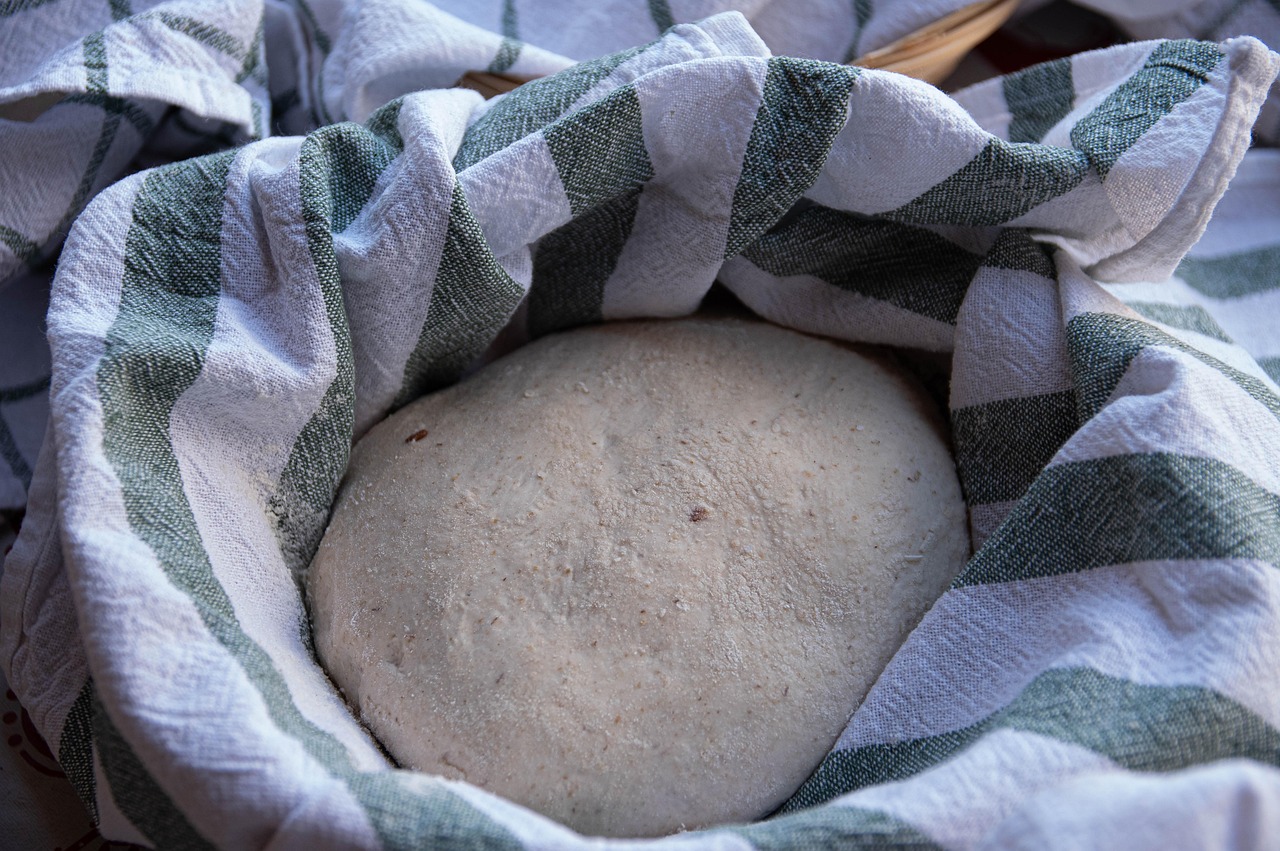
- Cover and Rise: Cover the bowl tightly with plastic wrap or a clean kitchen towel. Place it in a warm, draft-free spot (like an oven that’s turned off, or a sunny spot on your counter). Let it rise for 1 to 1.5 hours, or until it has nearly doubled in size. Einkorn might not double as dramatically as modern wheat, but it should definitely look puffier and feel light.
Step 5: Shape the Loaf
- Prepare Baking Pan: Lightly grease a 9×5 inch (23×13 cm) loaf pan with olive oil or butter. You can also line it with parchment paper for easy removal.
- Deflate Gently: Once the dough has risen, gently punch it down to release the air. Turn the dough out onto a lightly floured surface.
- Shape the Loaf: Gently pat the dough into a rectangle, roughly the length of your loaf pan. Fold one of the longer sides towards the center, then fold the other long side over, creating a log. Pinch the seam closed. Place the dough, seam-side down, into your prepared loaf pan.
Step 6: Second Rise (Proofing)
- Cover and Rise Again: Cover the loaf pan loosely with plastic wrap or a clean kitchen towel. Place it back in your warm, draft-free spot for another 30-45 minutes, or until the dough has risen significantly and looks puffy, nearly reaching the top of the pan. Again, Einkorn might not rise as high as traditional bread.
- Preheat Oven: About 15 minutes before the second rise is complete, preheat your oven to 375°F (190°C).
Step 7: Bake Your Bread!
- Bake: Place the loaf pan in the preheated oven. Bake for 30-35 minutes, or until the crust is golden brown and the internal temperature reaches 200-210°F (93-99°C) when measured with an instant-read thermometer.
- Cool: Once baked, immediately remove the bread from the loaf pan and place it on a wire rack to cool completely. Cooling is essential! Slicing hot bread can make it gummy and dense. Resist the urge and let it cool for at least an hour, or even better, two.
Tips & Tricks for Perfect Einkorn Bread
Baking bread is a craft, and a few key insights can make all the difference, especially for beginners working with a unique flour like Einkorn.
- Accurate Measuring: Always use measuring cups and spoons for liquids and small quantities. For flour, use the “spoon and level” method: spoon flour into your measuring cup until overflowing, then level it off with a straight edge. Better yet, if you have one, use a kitchen scale for flour; it’s the most accurate way to measure and ensures consistent results every time.
- Yeast is Alive: Treat your yeast with care! Ensure your water is the right temperature (105-115°F / 40-46°C). Too hot will kill it, too cold won’t activate it. If your yeast doesn’t foam after 5-10 minutes, discard and start over.
- Don’t Over-Flour: Einkorn dough is naturally stickier than modern wheat dough. Resist the urge to add too much extra flour during kneading or shaping, as this will lead to a dry, crumbly loaf. A light dusting on your hands or work surface is usually sufficient.
- Warm Spot for Rising: A warm, draft-free environment is crucial for proper dough rising. Your oven (turned off, with just the light on), a sunny window, or even a microwave (turned off) can be great spots.
- Patience with Cooling: It’s tempting to cut into a warm loaf, but cooling allows the internal structure of the bread to set and prevents a gummy texture. Give it at least an hour on a wire rack.
- Storage: Once completely cool, store your Einkorn bread at room temperature in an airtight container or bread bag for 2-3 days. For longer storage, slice and freeze.
Essential Baking Tools
Having the right tools makes baking a joy. Here are a few essentials:
- Mixing Bowl – A large, sturdy bowl is indispensable.
- Whisk – Useful for blending dry ingredients or incorporating liquids.
- Baking Pan – A standard 9×5 inch loaf pan is perfect for this recipe.
- Measuring Cups – For accurate liquid and dry ingredient measurement.
- Spatula – A sturdy rubber or silicone spatula helps scrape down bowls and mix dough.
- Kitchen Scale (Optional, but highly recommended): For precise flour measurements.
- Instant-Read Thermometer: Essential for checking water temperature and bread doneness.
Einkorn Flour Bread Nutrition Information (Estimated per slice)
Please note: Nutritional values are estimates and can vary based on specific ingredients and preparation methods. This calculation is based on approximately 12 slices per loaf.
| Nutrient | Amount |
|---|---|
| Calories | 180 kcal |
| Carbohydrates | 35g |
| Protein | 6g |
| Fat | 2g |
| Fiber | 3g |
| Sugar | 3g |
Frequently Asked Questions (FAQs)
1. Can I use a stand mixer instead of kneading by hand?
Absolutely! A stand mixer with a dough hook attachment can make kneading even easier. Mix on low speed for 5-7 minutes until the dough is smooth and elastic. Just be mindful not to overmix, as Einkorn’s gluten is more delicate.
2. How do I know if my yeast is active?
When you add yeast to warm water and a little sugar (honey/maple syrup in this case), it should become foamy and bubbly within 5-10 minutes. If you don’t see this activity, your yeast is likely dead, and you’ll need to start again with fresh yeast.
3. My bread didn’t rise much. What went wrong?
Several factors can cause a poor rise: inactive yeast (due to incorrect water temperature or old yeast), adding too much flour, not enough kneading, or a cold environment for rising. Double-check your yeast activation and ensure your rising spot is warm and draft-free.
4. Can I add seeds or nuts to this Einkorn bread recipe?
Yes, you can! For extra flavor and texture, try adding ½ cup of seeds (like sunflower, pumpkin, or flax) or chopped nuts (walnuts, pecans) during the last minute of kneading. This is a great way to customize your loaf.
5. How should I store leftover Einkorn bread?
Once completely cooled, store your bread in an airtight container or a bread bag at room temperature for up to 2-3 days. For longer storage, slice the bread and freeze the slices in a freezer-safe bag. You can then toast individual slices directly from frozen.
6. Why is my Einkorn bread denser than regular bread?
Einkorn flour naturally produces a slightly denser loaf compared to modern wheat varieties because of its weaker gluten structure. It won’t have the same airy, open crumb as a baguette, for example. Embrace its unique texture and nutty flavor!
Enjoy Your Homemade Einkorn Flour Bread!
Congratulations, baker! You’ve just created a delicious, wholesome loaf of Einkorn Flour Bread from scratch. There’s a special kind of satisfaction that comes with pulling a warm, fragrant loaf out of your own oven. This easy baking recipe has hopefully demystified bread-making and given you the confidence to explore more. Share your triumph with family and friends, or simply savor a slice with butter and jam. Don’t forget to practice those baking tips for beginners every loaf gets better with experience. Happy baking, and enjoy your delightful ancient grain creation!