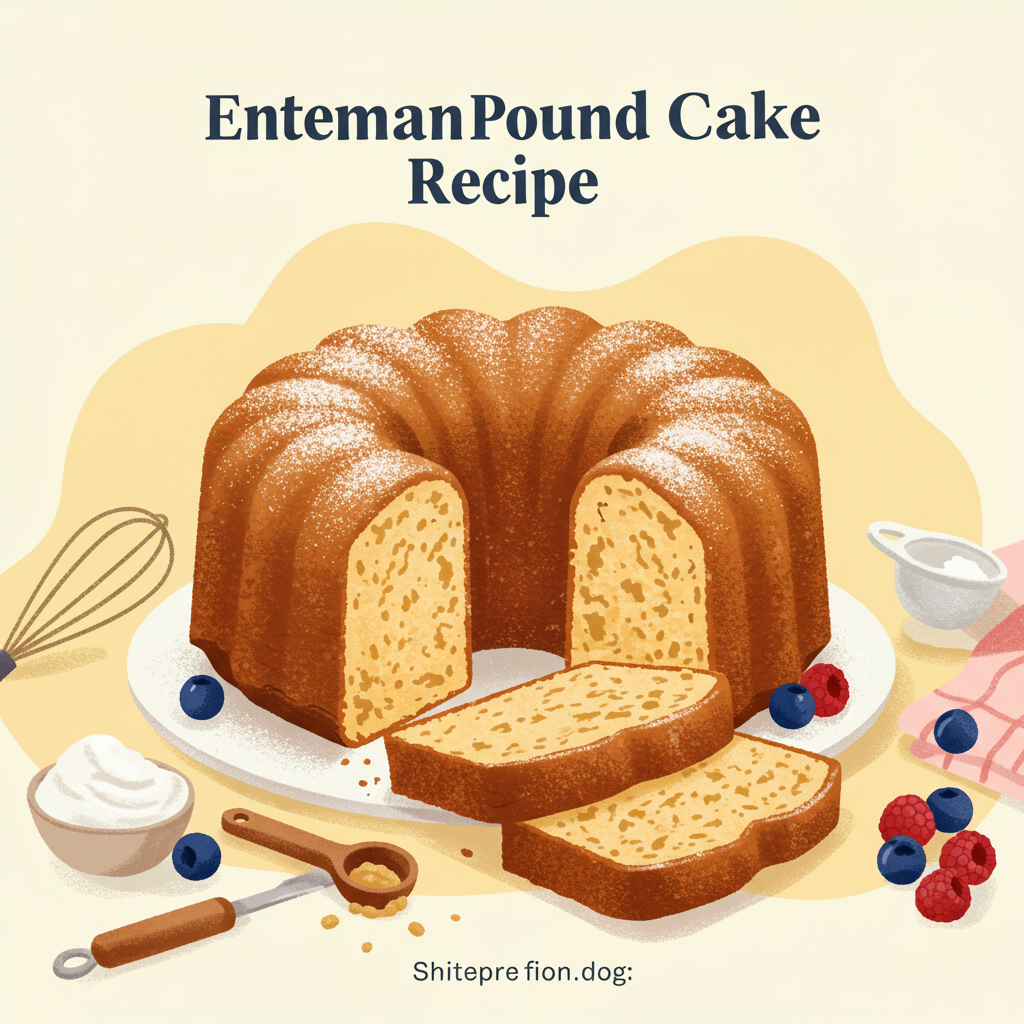
Are you ready to dive into the wonderful world of baking and create a dessert that brings back cherished memories? Today, we’re tackling a true classic: the rich, buttery, and utterly irresistible Entenmann’S Pound Cake Recipe! Forget those trips to the grocery store; with our comprehensive guide, you’ll be whipping up a homemade version that rivals the original, right in your own kitchen.

This isn’t just any recipe; it’s designed to be one of the most easy baking recipes you’ll ever try, perfect for anyone just starting their baking journey. We’ll walk you through every single step, offering invaluable baking tips for beginners to ensure your pound cake turns out perfect every time. From the perfectly golden crust to the dense, moist crumb, get ready to impress yourself and everyone lucky enough to get a slice! Baking a pound cake might seem daunting, but it’s fundamentally simple, relying on good technique and quality ingredients. We’ll demystify the process, explaining the ‘why’ behind each step so you not only follow instructions but also understand the science of baking. Let’s gather our tools and ingredients and embark on this delicious adventure together!
Ingredients for Your Entenmann’S Style Pound Cake
Precision is key in baking, especially for a classic like pound cake. Ensure all your ingredients are at room temperature unless otherwise specified – this makes a huge difference in the texture of your final cake!
| Ingredient | Quantity | Unit |
|---|---|---|
| Unsalted Butter | 1 | cup (2 sticks), softened |
| Granulated Sugar | 2 | cups |
| Large Eggs | 5 | at room temperature |
| All-Purpose Flour | 3 | cups |
| Baking Powder | 1 | teaspoon |
| Salt | ½ | teaspoon |
| Whole Milk | ½ | cup, at room temperature |
| Vanilla Extract | 2 | teaspoons |
| Non-stick baking spray or butter/flour | for pan preparation |
Step-by-Step Instructions: Baking Your Perfect Pound Cake
Follow these detailed steps carefully for a perfect, bakery-quality pound cake. Don’t rush, and enjoy the process!
Step 1: Prepare Your Baking Pan and Preheat Oven
- Preheat your oven: Set your oven to 325°F (160°C). A slightly lower temperature helps the pound cake bake through evenly without drying out the edges before the center is cooked.
- Prepare your pan: For this recipe, a 10-12 cup Bundt pan or a 9×13 inch loaf pan works best. Grease it thoroughly with non-stick baking spray containing flour, or generously butter and flour your pan, tapping out any excess. This step is crucial to prevent your beautiful cake from sticking! Beginner Tip: Don’t skimp on this step! A well-greased and floured pan is your best friend.
Step 2: Whisk Together Dry Ingredients
- In a medium bowl, whisk together the 3 cups of all-purpose flour, 1 teaspoon of baking powder, and ½ teaspoon of salt. Whisking ensures these ingredients are evenly distributed, so you don’t get pockets of salt or leavening agents in your cake. Set aside.
Step 3: Cream Butter and Sugar
- In a large mixing bowl (or the bowl of a stand mixer fitted with the paddle attachment), beat the 1 cup (2 sticks) of softened unsalted butter and 2 cups of granulated sugar together on medium-high speed.
- Beat for 5-7 minutes, or until the mixture is visibly light in color and fluffy in texture. This process, called “creaming,” incorporates air into the butter and sugar, which is vital for the cake’s tender crumb and rise. Beginner Tip: Don’t cut this step short! It’s one of the most important for a light, airy pound cake. Scrape down the sides of the bowl frequently to ensure everything is evenly mixed.
Step 4: Add Eggs, One at a Time
- Reduce the mixer speed to medium. Add the 5 large eggs, one at a time, beating well after each addition until fully incorporated.
- After adding each egg, beat for about 30 seconds to ensure it’s fully emulsified into the butter mixture. If you add them too quickly, the mixture might look curdled, but don’t worry, it usually comes together with the flour. Beginner Tip: Make sure your eggs are at room temperature! Cold eggs can cause the butter mixture to seize up and prevent proper emulsification, leading to a denser cake.
Step 5: Alternate Dry and Wet Ingredients
- With the mixer on low speed, begin adding the dry ingredients alternately with the ½ cup of whole milk, starting and ending with the dry ingredients.
- Add about one-third of the flour mixture, mix until just combined, then add half of the milk, mix, then another third of the flour, the remaining milk, and finally the last third of the flour.
- Important: Mix only until just combined after each addition. Do not overmix! Overmixing develops the gluten in the flour, leading to a tough, dry cake. You want the batter to be smooth but stop as soon as there are no visible streaks of flour.
- Stir in the 2 teaspoons of vanilla extract until just combined.
Step 6: Fill Pan and Bake
- Pour the batter evenly into your prepared Bundt or loaf pan. Gently tap the pan on the counter a few times to release any large air bubbles and level the top.
- Bake for 60-75 minutes for a Bundt pan, or 75-90 minutes for a loaf pan. Baking times can vary greatly depending on your oven and pan material.
- How to check for doneness: The cake is done when a wooden skewer or toothpick inserted into the thickest part of the cake comes out clean or with only a few moist crumbs attached. The top will be golden brown, and the edges will start to pull away slightly from the sides of the pan. Beginner Tip: Avoid opening the oven door during the first 45-50 minutes of baking, as this can cause the cake to sink.
Step 7: Cool and Serve
- Once baked, remove the cake from the oven and let it cool in the pan on a wire rack for 15-20 minutes. This allows the cake to firm up slightly, making it easier to remove without breaking.
- After 15-20 minutes, carefully invert the cake onto the wire rack to cool completely. If you try to remove it too soon, it might tear; if you leave it in the pan too long, it might sweat and become soggy.
- Once completely cool, slice and serve! This Entenmann’s style pound cake is delicious on its own, or you can serve it with fresh berries, a dusting of powdered sugar, or a light glaze.
Tips & Tricks for Pound Cake Perfection
Achieving the perfect pound cake is a blend of art and science. Here are some extra tips to elevate your baking game:
- Room Temperature is Non-Negotiable: We stressed this, but it’s worth repeating. Softened butter creams better, and room temperature eggs and milk emulsify smoothly into the batter, creating a uniform, tender crumb. Plan ahead and take your ingredients out an hour or two before you start.
- Measure Flour Correctly: The most common mistake in baking is using too much flour. Don’t scoop it directly from the bag! Instead, spoon the flour into your measuring cup and then level it off with the back of a knife. This method ensures you don’t compact the flour, which can lead to a dry, dense cake.
- Don’t Overmix: This is crucial. Once you add the flour, mix only until the ingredients are just combined. Overmixing develops the gluten in the flour, making your cake tough and chewy instead of tender and moist.
- Know Your Oven: Ovens can vary wildly in temperature. If you find your cakes consistently bake too quickly or too slowly, consider getting an oven thermometer to verify its accuracy.
- Patience with Cooling: Resist the urge to cut into your pound cake right away. Cooling completely allows the cake’s structure to set and its flavors to meld, resulting in a superior texture and taste.
- Pan Choice Matters: A light-colored metal pan is generally preferred over dark-colored pans, as dark pans absorb more heat and can cause the cake to brown too quickly on the outside before the inside is cooked.
- Flavor Variations: Feel free to experiment! Add a tablespoon of lemon or orange zest to the sugar before creaming for a citrusy twist. A teaspoon of almond extract can also add a delightful complexity to the vanilla flavor.
Essential Baking Tools for Success
Having the right tools makes all the difference in your baking experience. Here are a few essentials:
- Mixing Bowl
- Whisk
- Baking Pan (Bundt or Loaf)
- Measuring Cups
- Measuring Spoons
- Spatula
- Electric Mixer (Stand or Handheld)
- Wire Cooling Rack
Nutrition Information (Estimated Per Serving)
Please note: This is an estimated nutritional breakdown based on typical ingredient values and assumes 12 servings per cake. Actual values may vary based on exact ingredients and portion sizes.
| Nutrient | Amount |
|---|---|
| Calories | 380 kcal |
| Carbohydrates | 45 g |
| Protein | 5 g |
| Fat | 21 g |
| Saturated Fat | 13 g |
| Cholesterol | 120 mg |
| Sodium | 180 mg |
| Fiber | 1 g |
| Sugar | 32 g |
Frequently Asked Questions About Baking Pound Cake
Q1: Why do my ingredients need to be at room temperature?
A: Room temperature butter creams much more easily with sugar, incorporating more air and creating a lighter texture. Cold eggs and milk can cause the butter to seize and separate, leading to a lumpy batter and a denser, less uniform cake. Planning ahead for this small step makes a huge difference!
Q2: My pound cake sank in the middle. What went wrong?
A: There are a few common culprits:
- Underbaking: The most common reason. The cake wasn’t fully set in the center.
- Opening the oven door too early: A sudden drop in temperature can cause the delicate structure to collapse.
- Too much leavening: While we use a small amount of baking powder here, too much can cause the cake to rise too quickly and then fall.
- Too much liquid: An imbalanced recipe can lead to a weak structure.
Make sure to bake until a toothpick comes out clean from the very center.
Q3: How do I know when my pound cake is perfectly done?
A: Look for a few signs:
- The top will be golden brown and spring back when lightly touched.
- The edges will begin to pull away slightly from the sides of the pan.
- Most importantly, insert a long wooden skewer or toothpick into the deepest part of the cake. It should come out clean or with only a few moist crumbs attached, but no wet batter.
Q4: Can I make this pound cake ahead of time? How do I store it?
A: Absolutely! Pound cake is wonderful for making ahead. Store it at room temperature, tightly wrapped in plastic wrap or in an airtight container, for up to 3-4 days. For longer storage, you can freeze individual slices or the whole cake (well-wrapped) for up to 2-3 months. Thaw at room temperature when ready to enjoy.
Q5: What if I don’t have a Bundt pan?
A: No problem! You can use a 9×13 inch loaf pan or two 8×4 inch loaf pans. If using two smaller pans, adjust the baking time down to about 45-60 minutes, checking for doneness as described in the instructions.
Q6: Why is my pound cake dry?
A: A dry pound cake is usually due to one of two reasons:
- Overbaking: Each oven is different, so start checking earlier than the recommended time if your oven runs hot.
- Too much flour: If you’re scooping flour directly from the bag, you might be compacting it and adding more than the recipe calls for. Always spoon flour into your measuring cup and level it off.
Your Delicious Journey Starts Now!
Congratulations, aspiring baker! You’ve just gained the knowledge and confidence to create your very own Entenmann’S Pound Cake Recipe at home. This isn’t just a dessert; it’s a piece of comforting nostalgia, made with love and your own two hands.
Remember, baking is a journey, and every cake you make is a step towards mastery. Don’t be afraid to experiment, and most importantly, have fun! We’re confident that your first (or fiftieth!) homemade pound cake will be a resounding success, bringing smiles and deliciousness to your table.
We’d love to hear about your baking adventures! Share your photos and experiences in the comments below. Happy baking!
“`