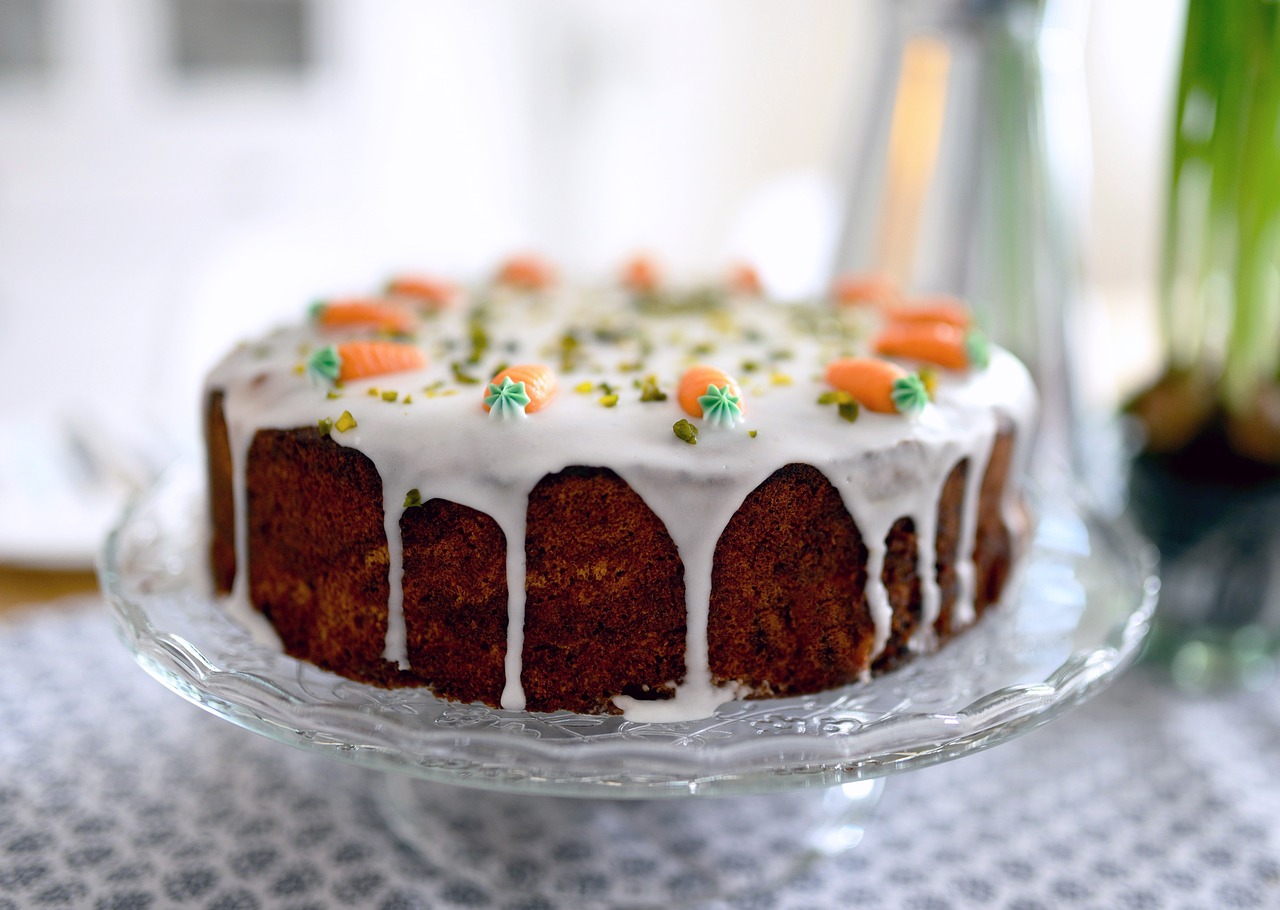
Welcome, budding bakers! Are you ready to dive into the delightful world of baking with a recipe that’s as comforting as a warm hug? Look no further than our incredibly simple and satisfying Fat Cake Recipe. This classic, tender cake is a staple in many homes, known for its rich flavor and wonderfully moist texture. It’s the kind of cake that brings back childhood memories and creates new ones, perfect for sharing with family and friends. If you’re searching for easy baking recipes, you’ve hit the jackpot! We’ve designed this guide specifically with you in mind, breaking down every step so you can bake with confidence. Forget complex techniques; we’re focusing on clear, actionable baking tips for beginners that will set you up for success. By the end of this post, you’ll not only have a delicious cake but also a newfound passion for baking. Let’s get started on your baking adventure!
Ingredients You’ll Need
Gathering all your ingredients before you begin (this is called “mise en place”!) is a fantastic habit for any baker. It helps ensure a smooth and stress-free baking experience. Make sure your butter, eggs, and milk are at room temperature – this makes a huge difference in the texture of your cake!
| Ingredient | Quantity | Unit |
|---|---|---|
| All-Purpose Flour | 2 | cups |
| Granulated Sugar | 1 | cup |
| Baking Powder | 2 | teaspoons |
| Salt | 1/2 | teaspoon |
| Unsalted Butter, softened | 1/2 | cup (1 stick) |
| Large Eggs, room temperature | 2 | |
| Whole Milk, room temperature | 1 | cup |
| Vanilla Extract | 1 | teaspoon |
Step-by-Step Instructions: Bake Your First Fat Cake!
Follow these detailed steps, and you’ll be enjoying a homemade “Fat Cake” in no time. We’ve included beginner-friendly tips along the way to make sure your first baking experience is a triumphant one!
Step 1: Prep Your Workspace & Oven
- Preheat Your Oven: Adjust your oven rack to the middle position and preheat your oven to 350°F (175°C). This ensures an even bake from the start.
- Prepare Your Pan: Grease and flour a 9-inch round baking pan (or an 8×8 inch square pan). To grease, rub butter or spray cooking oil generously all over the inside of the pan. To flour, add a tablespoon or two of flour, shake it around to coat the greased surfaces, then tap out the excess. Beginner Tip: For even easier release, you can line the bottom of your pan with parchment paper after greasing it, then flour over the parchment.
Step 2: Combine Dry Ingredients
- Whisk Dry Ingredients: In a medium-sized bowl, whisk together the all-purpose flour, granulated sugar, baking powder, and salt. Whisking ensures these ingredients are evenly distributed, which is crucial for a consistent rise and flavor. Set this bowl aside.
Step 3: Cream Butter and Sugar
- Cream Butter and Sugar: In a large mixing bowl, using an electric mixer (or a sturdy whisk and some elbow grease!), beat the softened unsalted butter on medium speed for about 1 minute until it’s light and fluffy.
- Next, gradually add the granulated sugar to the butter, beating for another 2-3 minutes until the mixture is pale yellow and very fluffy. This process, called “creaming,” incorporates air into the butter, which gives your cake a light texture. Beginner Tip: Make sure your butter is truly softened (press your finger into it and it should leave an indentation) but not melted, as melted butter won’t cream properly.
Step 4: Add Eggs and Vanilla
- Beat in Eggs: Add the large eggs one at a time, beating well after each addition. Make sure each egg is fully incorporated before adding the next. Scrape down the sides of the bowl with a spatula occasionally to ensure everything is mixed evenly.
- Stir in Vanilla: Mix in the vanilla extract until just combined. Vanilla adds a wonderful aroma and enhances the overall flavor of your cake.
Step 5: Alternate Dry and Wet Ingredients
- Add Dry and Wet Alternately: With the mixer on low speed, add about one-third of the dry ingredients to the butter mixture, mixing just until combined.
- Then, pour in half of the whole milk, mixing until just incorporated.
- Repeat this process: add another third of the dry ingredients, then the remaining milk, and finally, the last third of the dry ingredients. Beginner Tip: Always start and end with dry ingredients. This helps create a stable emulsion and prevents the batter from separating.
- Do Not Overmix: Mix only until the flour streaks disappear. Overmixing once flour is added can develop the gluten too much, leading to a tough, dry cake. A few small lumps are okay!
Step 6: Bake Your Cake
- Pour into Pan: Pour the cake batter into your prepared baking pan, spreading it evenly with your spatula.
- Bake: Bake for 30-35 minutes, or until a wooden skewer or toothpick inserted into the center of the cake comes out clean. Beginner Tip: Avoid opening the oven door during the first 20-25 minutes of baking, as this can cause the cake to sink.
Step 7: Cool and Enjoy!
- Cool in Pan: Once baked, remove the cake from the oven and let it cool in the pan on a wire rack for 10-15 minutes. This allows the cake to set and firm up before moving.
- Invert and Cool Completely: After 10-15 minutes, carefully invert the cake onto the wire rack, remove the pan, and let the cake cool completely. A completely cooled cake is easier to slice and frost (if you choose to frost it!).
- Serve: Slice and serve your delicious Fat Cake plain, with a dusting of powdered sugar, or your favorite frosting!
Tips & Tricks for Baking Success
Baking is a science, but with a few simple tricks, you can master any recipe. Here are some extra tips to help you make the best Fat Cake every time:
- Room Temperature Ingredients are Key: This is a golden rule in baking! Softened butter, room temperature eggs, and milk emulsify better, creating a smoother batter and a finer, more tender crumb. Plan ahead and take them out of the fridge at least an hour before you start baking.
- Measure Flour Correctly: Don’t scoop flour directly from the bag with your measuring cup! This compacts it and you’ll end up with too much. Instead, spoon flour into your measuring cup and then level it off with a straight edge (like the back of a knife). Even better, use a kitchen scale for precise measurements.
- Don’t Overmix: We can’t stress this enough! Once you add flour, mix only until just combined. Overmixing develops gluten, making your cake tough and dry. A light hand is all you need.
- Know Your Oven: Ovens can vary widely in temperature. Consider getting an oven thermometer to ensure your oven is truly heating to the temperature you set. This can prevent over or under-baking.
- Patience with Cooling: Resist the urge to cut into your cake too soon. Cooling allows the internal structure to set fully, preventing it from crumbling and ensuring it retains its moisture.
- Flavor Variations: Feel free to experiment! Add a touch of almond extract for a nutty flavor, or a tablespoon of lemon zest for brightness. You can also fold in chocolate chips or berries for added texture and taste.
Essential Baking Tools
Having the right tools makes baking much more enjoyable and efficient. Here are some basics that will serve you well for this recipe and many more:
- Mixing Bowls (various sizes)
- Whisk (for dry ingredients and smaller tasks)
- Electric Mixer (handheld or stand mixer for creaming)
- 9-inch Round Baking Pan (or 8×8 inch square)
- Measuring Cups and Measuring Spoons
- Rubber Spatula (for scraping bowls)
- Wire Rack (for cooling)
Nutrition Information (Estimated per serving, approx. 1/12th of cake)
Please note that these are approximate values and can vary based on specific ingredients and serving sizes.
| Nutrient | Amount |
|---|---|
| Calories | ~320 kcal |
| Carbohydrates | ~45g |
| Protein | ~4g |
| Fat | ~15g |
| Fiber | ~1g |
| Sugar | ~30g |
Frequently Asked Questions (FAQs)
Q1: Why did my cake sink in the middle?
A: This is a common issue for beginners! It can happen for several reasons: opening the oven door too early (which lets cold air in), the oven temperature being too low, overmixing the batter, or not baking the cake long enough. Ensure your oven is preheated, avoid peeking, and always use the toothpick test to confirm doneness.
Q2: Can I substitute ingredients?
A: For your first attempt, we recommend sticking to the recipe as written. Once you’re comfortable, you can experiment. For example, you can use buttermilk instead of whole milk (it will make the cake slightly tangier and more tender), or a different extract like almond. However, major substitutions like gluten-free flour or dairy-free alternatives often require specific adjustments to other ingredients and techniques, which might be best for an experienced baker.
Q3: How do I know when the cake is done?
A: The best way is the “toothpick test.” Insert a wooden skewer or toothpick into the very center of the cake. If it comes out clean (without any wet batter clinging to it), your cake is done! If it comes out with wet batter, bake for a few more minutes and test again.
Q4: How should I store leftover Fat Cake?
A: Store your cake in an airtight container at room temperature for up to 3-4 days. If your kitchen is very warm, or if you’ve added a perishable frosting, it’s best to store it in the refrigerator. Just remember to bring refrigerated cake to room temperature before serving for the best flavor and texture.
Q5: My cake came out dry. What went wrong?
A: A dry cake is usually a sign of overbaking or overmixing. Make sure you’re using the correct amount of flour (spoon and level!) and mixing only until the ingredients are just combined. Also, check your oven temperature to ensure it’s not running too hot.
Ready to Bake Your Own Delicious Fat Cake?
There you have it! Your complete guide to baking a wonderfully moist and flavorful Fat Cake. We hope this detailed, beginner-friendly recipe has given you the confidence and inspiration to get into your kitchen and start baking. Remember, every baker starts somewhere, and every cake you make is a step forward in your culinary journey.
Don’t be afraid to try! The joy of baking, from the aroma filling your home to the first delicious bite, is an experience like no other. So grab your apron, gather your ingredients, and create some sweet memories. We can’t wait to hear how your Fat Cake turns out. Happy baking!
“`