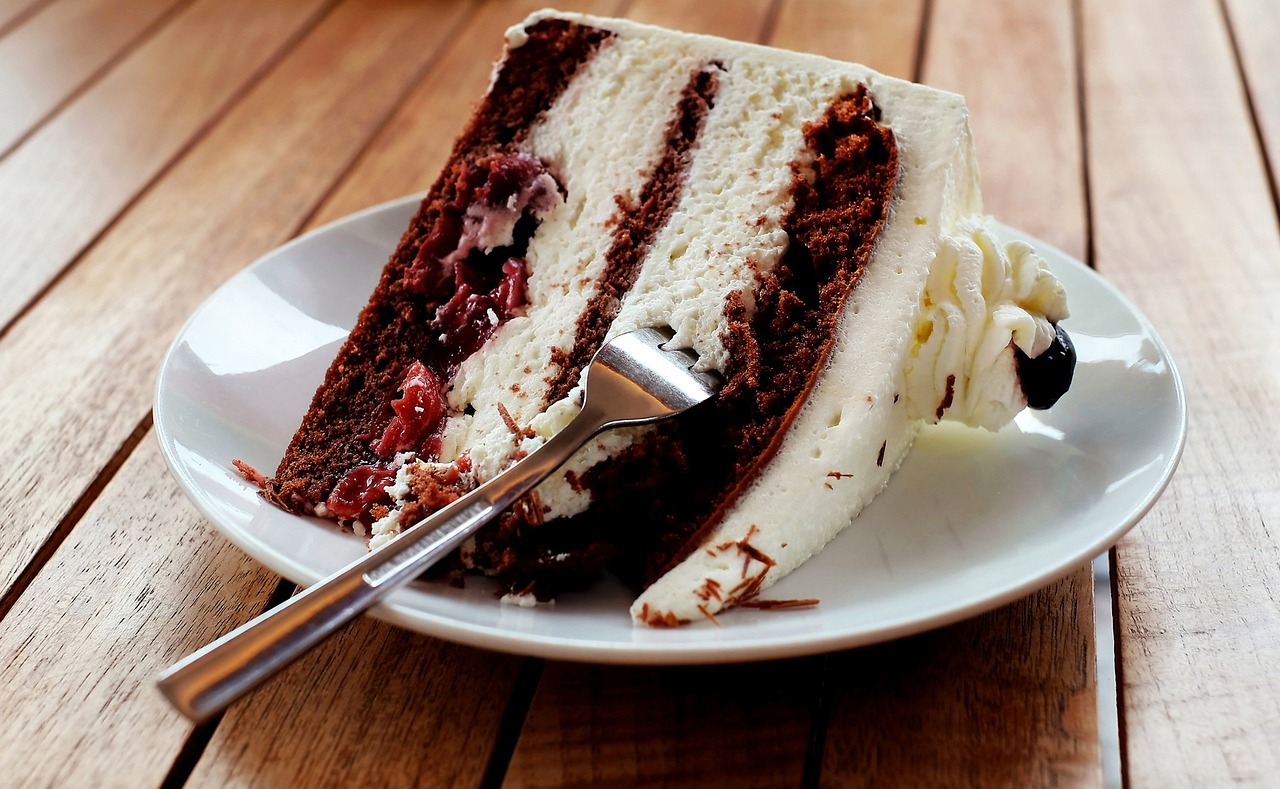
Whether you’re celebrating a birthday, a holiday, or just the sheer joy of a Tuesday, this cake brings a festive spirit to any occasion. We’ll walk you through every step, sharing invaluable baking tips for beginners to ensure your success. Forget complicated techniques; we’re focusing on simple, straightforward methods that yield spectacular results. Get ready to impress yourself and your loved ones with this show-stopping, yet incredibly approachable, homemade cake!
Ingredients You’ll Need
Before we dive into the fun, let’s gather all our ingredients. Remember, for the best results, ensure your butter and eggs are at **room temperature**!
For the Festival Vanilla Cake:
| Ingredient | Quantity |
|---|---|
| All-purpose flour | 2 ½ cups (300g) |
| Granulated sugar | 1 ½ cups (300g) |
| Baking powder | 1 tablespoon |
| Salt | ½ teaspoon |
| Unsalted butter, softened | ½ cup (1 stick or 113g) |
| Large eggs | 3 |
| Whole milk | 1 cup (240ml) |
| Vanilla extract | 2 teaspoons |
For the Vanilla Buttercream Frosting:
| Ingredient | Quantity |
|---|---|
| Unsalted butter, softened | 1 cup (2 sticks or 226g) |
| Powdered sugar (confectioners’ sugar) | 4-5 cups (480-600g), sifted |
| Whole milk or heavy cream | 3-4 tablespoons |
| Vanilla extract | 1 teaspoon |
| Pinch of salt | |
| Optional: Colorful sprinkles | ½ cup or more, for decoration |
Step-by-Step Baking Instructions
Follow these detailed steps carefully, and you’ll have a beautiful, delicious Festival Cake in no time!
Step 1: Prepare Your Baking Environment
- Preheat Oven: Adjust your oven rack to the middle position and preheat your oven to 350°F (175°C). This ensures the oven is consistently hot when the cake goes in.
- Prepare Baking Pan: Grease a 9×13 inch baking pan with butter or non-stick baking spray. For an extra layer of non-stick, dust the greased pan lightly with flour, tapping out any excess. This helps prevent the cake from sticking and ensures easy removal.
Step 2: Combine Dry Ingredients
- In a large bowl, whisk together the 2 ½ cups all-purpose flour, 1 ½ cups granulated sugar, 1 tablespoon baking powder, and ½ teaspoon salt. Whisking ensures that the leavening agent (baking powder) is evenly distributed, which is crucial for an even rise. Set aside.
Step 3: Cream Butter and Eggs
- In a separate, medium-sized bowl (or the bowl of a stand mixer), cream the ½ cup softened unsalted butter using an electric mixer on medium speed. Beat it for about 2-3 minutes until it’s light and fluffy. This step incorporates air, making your cake lighter.
- Add Eggs: Add the 3 large eggs one at a time, beating well after each addition. Scrape down the sides of the bowl as needed to ensure everything is fully incorporated. The mixture might look a little curdled at this stage, which is normal.
- Add Vanilla: Stir in the 2 teaspoons vanilla extract until just combined.
Step 4: Combine Wet and Dry Ingredients
- With the mixer on low speed, gradually add about one-third of the dry ingredient mixture to the wet ingredients. Mix until just combined.
- Pour in half of the 1 cup whole milk and mix until just combined.
- Repeat this process: add another third of the dry ingredients, then the remaining milk, and finally the last of the dry ingredients. A common beginner mistake is overmixing! Mix only until the flour streaks disappear. Overmixing develops the gluten in the flour too much, leading to a tough, dense cake.
Step 5: Bake the Cake
- Pour the cake batter evenly into your prepared 9×13 inch baking pan. Use a spatula to spread it to the corners.
- Bake for 30-35 minutes, or until a wooden skewer or toothpick inserted into the center of the cake comes out clean. The cake should be golden brown and spring back lightly when touched.
- Cooling is Crucial: Remove the cake from the oven and let it cool in the pan on a wire rack for at least 15-20 minutes. This allows the cake to firm up. Attempting to remove it too soon might cause it to break.
- After 15-20 minutes, carefully invert the cake onto the wire rack to cool completely. It’s paramount that the cake is completely cool before frosting, otherwise, your buttercream will melt! This usually takes 1-2 hours.
Step 6: Prepare the Vanilla Buttercream Frosting
- In a large bowl (or stand mixer with paddle attachment), beat the 1 cup softened unsalted butter on medium speed for about 3-4 minutes until it’s very light and fluffy. This creaming process is essential for light, airy frosting.
- Gradually add the 4-5 cups sifted powdered sugar, one cup at a time, mixing on low speed until combined after each addition. If you add it too quickly, you’ll create a sugar cloud!
- Once all the sugar is incorporated, the frosting will be quite thick. Add 1 teaspoon vanilla extract, a pinch of salt, and 2 tablespoons of milk or cream. Beat on medium-high speed for another 2-3 minutes.
- Check the consistency: if the frosting is too thick, add more milk or cream, one teaspoon at a time, until you reach your desired spreadable consistency. If it’s too thin, add a tablespoon or two more sifted powdered sugar.
Step 7: Frost and Decorate!
- Once the cake is completely cool, use an offset spatula or a regular knife to spread the vanilla buttercream evenly over the top of the cake.
- Finally, generously sprinkle with your favorite colorful sprinkles! This is where the “Festival” in Festival Cake truly comes alive.
- Slice, serve, and enjoy your beautifully homemade Festival Cake!
Tips & Tricks for Baking Success
Baking can feel like a science, but with these simple tips, you’ll master this Festival Cake and boost your overall baking confidence:
- Room Temperature is Non-Negotiable: This is perhaps the most important tip! Softened butter and room temperature eggs emulsify much better, meaning they combine smoothly and evenly. This creates a light, airy batter and a tender, uniform cake crumb. If your butter is too cold, it won’t cream properly; if too warm, it can make the batter greasy.
- Measure Accurately: Especially with flour! Too much flour is a common culprit for dry, dense cakes. Use the “spoon and level” method: spoon flour into your measuring cup until it overflows, then level it off with the back of a knife. Don’t pack it down or scoop directly from the bag.
- Don’t Overmix the Batter: Once you add the dry ingredients to the wet, mix only until no streaks of flour remain. Overmixing develops gluten, which can lead to a tough, chewy cake instead of a tender one.
- Trust the Toothpick Test: While baking times are a good guide, ovens vary. Insert a wooden skewer or toothpick into the center of the cake. If it comes out clean (without wet batter), your cake is done! A few moist crumbs are okay, but wet batter means it needs more time.
- Patience with Cooling: Resist the urge to frost a warm cake. Warm cake + frosting = melted, messy frosting. Ensure your cake is completely cool, ideally at room temperature, before applying the buttercream.
- Adjust Frosting Consistency: If your buttercream is too thick, add milk or cream a teaspoon at a time. If it’s too thin, add more sifted powdered sugar a tablespoon at a time until it’s perfect for spreading.
- Get Creative with Sprinkles: This is your chance to shine! Use different shapes, colors, or even edible glitter to match the occasion or your mood.
Essential Baking Tools
Having the right tools makes all the difference, especially when you’re just starting out. Here are a few essentials that will make your Festival Cake baking experience a breeze:
- Mixing Bowl
- Whisk
- Baking Pan (9×13 inch recommended)
- Measuring Cups
- Measuring Spoons
- Rubber Spatula
- Electric Hand Mixer or Stand Mixer (highly recommended for creaming butter and making frosting)
- Wire Cooling Rack
Nutrition Information
(Estimated per serving, based on 12 servings for the whole cake. Please note that these values are approximate and can vary based on specific ingredients and brands used.)
| Nutrient | Amount |
|---|---|
| Calories | ~380 kcal |
| Carbohydrates | ~58g |
| Protein | ~4g |
| Fat | ~16g |
| Fiber | ~1g |
| Sugar | ~42g |
Frequently Asked Questions (FAQs)
1. Can I use cold butter or eggs if I’m short on time?
While technically possible, it’s strongly advised against. Cold butter won’t cream properly, leading to a denser cake texture. Cold eggs won’t emulsify well with the butter, potentially resulting in a curdled batter and a less uniform crumb. For best results, plan ahead and let them come to room temperature for at least 30-60 minutes.
2. My cake came out dry/dense, what went wrong?
A dry or dense cake is usually due to one of two common mistakes: **overmixing the batter** or **too much flour**. Overmixing develops the gluten, making the cake tough. Too much flour (often from packing it into the measuring cup) absorbs too much moisture. Always use the “spoon and level” method for flour and mix only until just combined.
3. How do I know when the cake is perfectly done?
The best way is the **toothpick test**. Insert a wooden skewer or toothpick into the very center of the cake. If it comes out clean (with no wet batter attached), the cake is done. A few moist crumbs are acceptable. If it comes out with wet batter, bake for a few more minutes and test again.
4. Can I make this Festival Cake ahead of time?
Absolutely! You can bake the cake layers up to 2-3 days in advance. Once completely cooled, wrap them tightly in plastic wrap and store at room temperature. You can also prepare the frosting a day or two ahead and store it in an airtight container in the refrigerator. Before frosting, let the buttercream come to room temperature and give it a good whip to restore its fluffy texture.
5. How should I store leftover Festival Cake?
Store frosted cake in an airtight container at room temperature for up to 2-3 days. If your kitchen is very warm, or if your frosting contains perishable ingredients like cream cheese (which this recipe doesn’t), refrigeration might be better, but it can dry out the cake. For longer storage, slices can be individually wrapped and frozen for up to 2-3 months.
6. Can I use a different size baking pan?
Yes, but you’ll need to adjust the baking time. For example, two 8-inch round pans might bake for 25-30 minutes, while a larger 9×13 inch pan (as used here) is typically 30-35 minutes. Always keep an eye on it and perform the toothpick test. Avoid drastically changing the pan size without adjusting the recipe quantity, or your cake might be too thin or too thick.
Time to Bake Your Own Festival Cake!
And there you have it! Your complete guide to baking a show-stopping, yet incredibly simple, Festival Cake Recipe. We hope these detailed instructions and baking tips for beginners empower you to step into the kitchen with confidence and create something truly delicious. There’s immense satisfaction in baking something from scratch, and this cake is a perfect entry point into that wonderful world.
Don’t be afraid to experiment a little, but most importantly, have fun with the process! This cake is a celebration in itself, and we can’t wait to see your creations. Share your Festival Cake masterpieces with us online – happy baking, everyone!