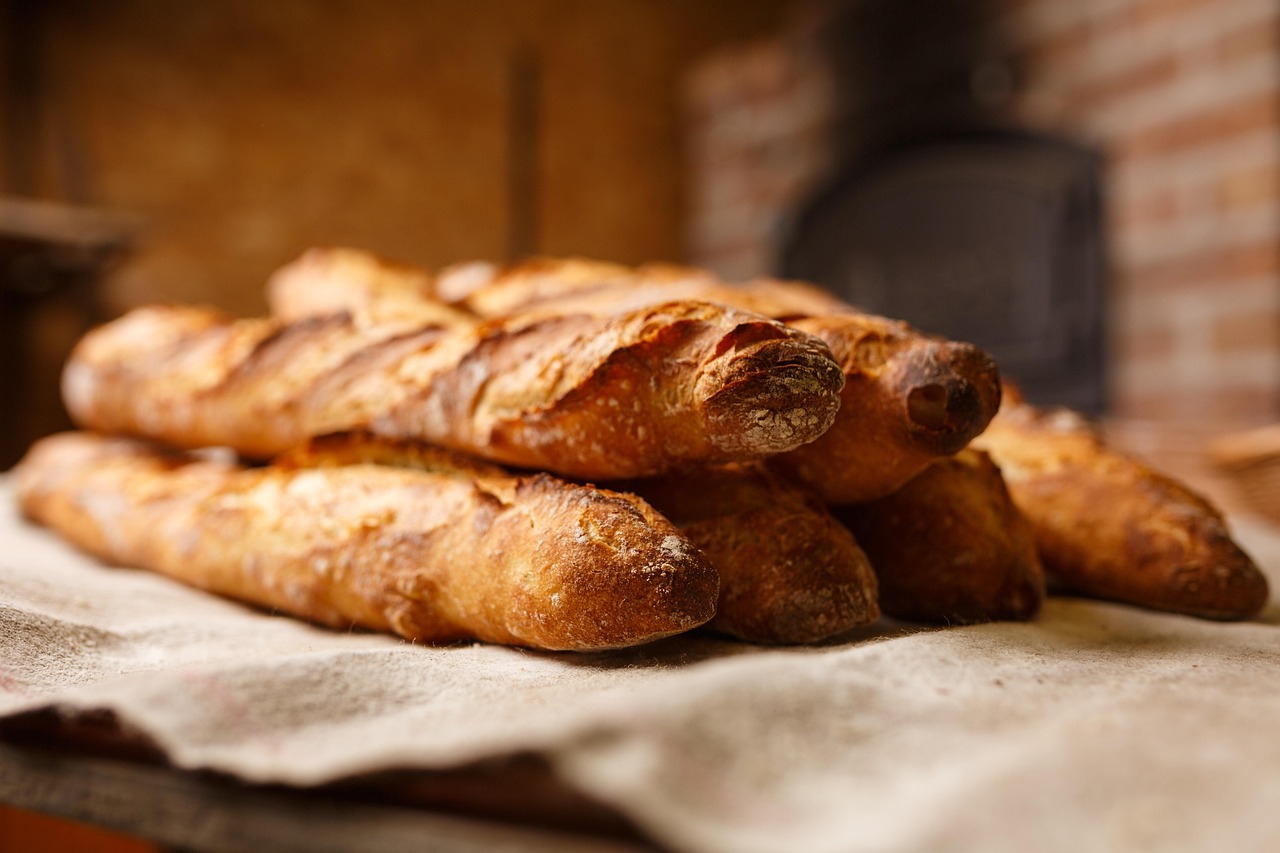
Forget complex kneading or hours of proofing – your bread maker handles most of the hard work. We’ll walk you through every step, ensuring a perfect, crusty exterior and a soft, airy interior every time. Get ready to impress your family and friends with this delightful addition to your easy baking recipes collection. We’ll even share some essential baking tips for beginners to make your journey into homemade bread-making smooth and enjoyable!
Ingredients List
Gather these simple ingredients to start your French bread adventure. Quality ingredients make a difference!
| Ingredient | Quantity | Unit |
|---|---|---|
| Warm Water (105-115°F / 40-46°C) | 1 | cup |
| Bread Flour | 3 | cups |
| Granulated Sugar | 1 | tablespoon |
| Salt | 1.5 | teaspoons |
| Olive Oil (or vegetable oil) | 1 | tablespoon |
| Active Dry Yeast (or Instant Yeast) | 2.25 | teaspoons |
Step-by-Step Instructions for Beginners
Follow these detailed steps carefully for the best French bread results. Remember, baking is a science, so precision helps!
-
Prepare Your Bread Maker Pan
First things first, ensure your bread maker pan is clean and ready. Many bread makers recommend adding liquids first, then dry ingredients, and finally the yeast on top. This order helps prevent the yeast from activating too early with the salt.
Beginner Tip: If your bread maker has a “delay start” function, it’s especially important to keep the yeast separate from the water until the cycle begins. If baking immediately, the order is slightly less critical but still a good habit.
-
Add the Liquids
Pour the **warm water** into the bread maker pan. The water temperature is crucial: too cold, and the yeast won’t activate; too hot, and it will kill the yeast. Aim for 105-115°F (40-46°C), which feels comfortably warm, not hot, to the touch.
Next, add the **olive oil** (or vegetable oil). The oil adds a lovely softness to the crumb and a subtle richness to the flavor.
-
Add the Dry Ingredients (Except Yeast)
Carefully add the **bread flour** to the pan, creating a mound over the liquid. Use the “spoon and level” method for measuring flour: spoon flour into your measuring cup until it overflows, then level it off with a straight edge (like the back of a knife). Do not pack the flour down or scoop directly from the bag, as this can lead to too much flour and a dry, dense loaf.
Add the **granulated sugar** and **salt** to separate corners on top of the flour mound. Ensure the salt doesn’t come into direct contact with the yeast initially, as salt can inhibit yeast activity.
-
Add the Yeast
Finally, make a small indentation or well in the center of the flour mound (without touching the water below) and add the active dry yeast into it. This keeps the yeast dry until the kneading cycle begins.
Common Mistake: Using expired yeast or yeast that has been stored improperly can lead to a loaf that doesn’t rise. Always check the expiration date and store yeast in an airtight container in the refrigerator or freezer.
-
Select Your Bread Maker Settings
Place the bread maker pan back into the machine. Close the lid securely. For French bread, you’ll typically want to use the “French” setting if your bread maker has one. This setting usually has a longer rise time and a darker crust. If you don’t have a “French” setting, the “Basic” or “White Bread” setting will work, but you might want to select a “Dark” crust option for that classic French bread crispness.
Select your desired crust color (medium or dark is usually best for French bread) and loaf size (usually 1.5 lb or 2 lb for this recipe, depending on your machine and pan size).
-
Start the Cycle & Monitor the Dough
Press “Start.” The bread maker will begin its cycle, which typically involves kneading, rising, and baking. During the initial kneading cycle (usually the first 10-15 minutes), keep an eye on the dough through the bread maker’s window (if it has one).
- If the dough looks too dry and crumbly: Add water, 1 teaspoon at a time, until it forms a soft, pliable ball.
- If the dough looks too wet and sticky: Add bread flour, 1 tablespoon at a time, until it pulls away cleanly from the sides of the pan and forms a smooth ball.
The dough should be smooth, elastic, and slightly tacky but not sticky to the touch.
-
The Waiting Game (and Optional Oven Finish)
Let the bread maker do its work! The entire cycle for French bread can take 3-4 hours, depending on your machine. Resist the urge to open the lid during the rise cycles, as this can cause the dough to deflate.
Optional Oven Finish for an Even Crispier Crust: If you want a truly artisanal, extra-crispy crust that’s hard to achieve in a bread maker alone, you can remove the dough after the last rise cycle (before the baking cycle starts). Gently remove the dough from the pan, shape it into a traditional baguette or bâtard shape on a baking sheet, score the top with a sharp knife or lame, and bake in a preheated oven at 400°F (200°C) for 20-25 minutes, or until golden brown. You can also spray the dough with water before baking for an even crispier crust.
-
Cool and Enjoy!
Once the bread maker signals it’s done, carefully remove the bread pan from the machine (it will be hot!). Invert the pan to release the loaf onto a wire cooling rack. If the paddle is stuck in the bread, carefully remove it using a non-scratch utensil. Let the bread cool completely (at least 1-2 hours) before slicing. This allows the internal structure to set and prevents a gummy texture.
Why Cooling Matters: Slicing hot bread can compress the crumb, making it dense and chewy instead of light and airy. Patience is key for the perfect texture!
Tips & Tricks for Perfect French Bread
Elevate your bread-making game with these handy tips:
- Ingredient Quality: Always use fresh, good-quality ingredients. Old flour or expired yeast can significantly impact your results. Bread flour has a higher protein content than all-purpose flour, which helps develop gluten for a chewier, airier crumb, ideal for French bread.
- Water Temperature is Key: As mentioned, 105-115°F (40-46°C) is the sweet spot for activating yeast. Use a kitchen thermometer for accuracy, especially when you’re starting out.
- Don’t Be Afraid to Adjust: Every flour and every environment (humidity!) is different. Don’t be afraid to add a tiny bit more flour or water during the initial kneading if your dough isn’t forming the right consistency. A sticky dough usually needs more flour, and a dry, crumbly dough needs more water.
- Proper Storage: Store cooled French bread at room temperature in a paper bag or a breathable bread bag for up to 2 days for the best crust. Plastic bags can make the crust soft. For longer storage, slice and freeze.
- For Extra Flavor: Consider adding a teaspoon of diastatic malt powder (available online or at specialty baking stores) with your dry ingredients. It helps with crust browning and promotes a richer flavor.
- Score for Aesthetics: If you’re doing an oven finish, scoring the top of the loaf with a sharp knife or a bread lame before baking allows the bread to expand uniformly, preventing uncontrolled cracking and giving it that classic artisanal look.
Essential Baking Tools
These tools will make your bread-making journey even easier:
- Mixing Bowl (handy for measuring flour or if you ever try hand-kneading!)
- Whisk (useful for combining dry ingredients evenly)
- Baking Pan (if you opt for the oven finish)
- Measuring Cups & Measuring Spoons (accuracy is paramount!)
- Spatula (for scraping down dough or cleaning the pan)
Nutrition Info (Estimated per slice, 12 servings per loaf)
Please note: These are estimated values and can vary based on exact ingredient brands and measurements.
| Nutrient | Amount |
|---|---|
| Calories | 160 kcal |
| Carbohydrates | 30g |
| Protein | 6g |
| Fat | 2g |
| Fiber | 1g |
| Sugar | 2g |
Frequently Asked Questions (FAQs)
Q: Can I use all-purpose flour instead of bread flour?
A: While you can technically use all-purpose flour, your French bread might not have the same chewy texture and robust rise. Bread flour has a higher protein content, which develops more gluten, essential for the structure and chewiness of French bread. For best results, stick with bread flour.
Q: My bread didn’t rise. What went wrong?
A: Several factors can cause this: expired or inactive yeast, water that was too hot (killing the yeast) or too cold (not activating it), too much salt coming into direct contact with the yeast, or adding too much flour, which can make the dough too stiff to rise properly. Always check your yeast’s freshness and water temperature.
Q: How do I store leftover French bread?
A: For best results, store cooled French bread in a paper bag or a cloth bread bag at room temperature for up to two days. This helps maintain the crust. Avoid plastic bags, as they trap moisture and can make the crust soggy. For longer storage, you can slice the bread and freeze it in an airtight freezer bag for up to 3 months.
Q: My bread maker paddle got stuck in the loaf. How do I remove it?
A: This is a common occurrence. Once you’ve removed the loaf from the pan, gently use a non-scratch utensil (like a wooden spoon handle or a silicone spatula) to pry out the paddle. Be careful not to tear the bread too much. Some people even prefer to remove the paddle during the final rise if their machine allows, but this can be tricky.
Q: Can I add herbs or garlic to this French bread recipe?
A: Absolutely! While not traditional French bread, you can easily customize it. Add 1-2 teaspoons of dried herbs (like Herbes de Provence, rosemary, or oregano) or 1-2 cloves of minced garlic (or 1 teaspoon garlic powder) with the dry ingredients. This makes a delicious savory loaf perfect for pairing with meals.
Time to Bake Your Own!
You’re now equipped with everything you need to bake a fantastic loaf of French bread using your bread maker. It’s truly one of the most rewarding easy baking recipes you can master, and your kitchen will smell incredible!
Don’t be afraid to experiment a little after your first successful loaf. Remember, every time you bake, you learn something new. So go ahead, gather your ingredients, set up your bread maker, and enjoy the process. We can’t wait to hear about your delicious homemade French bread! Happy baking!