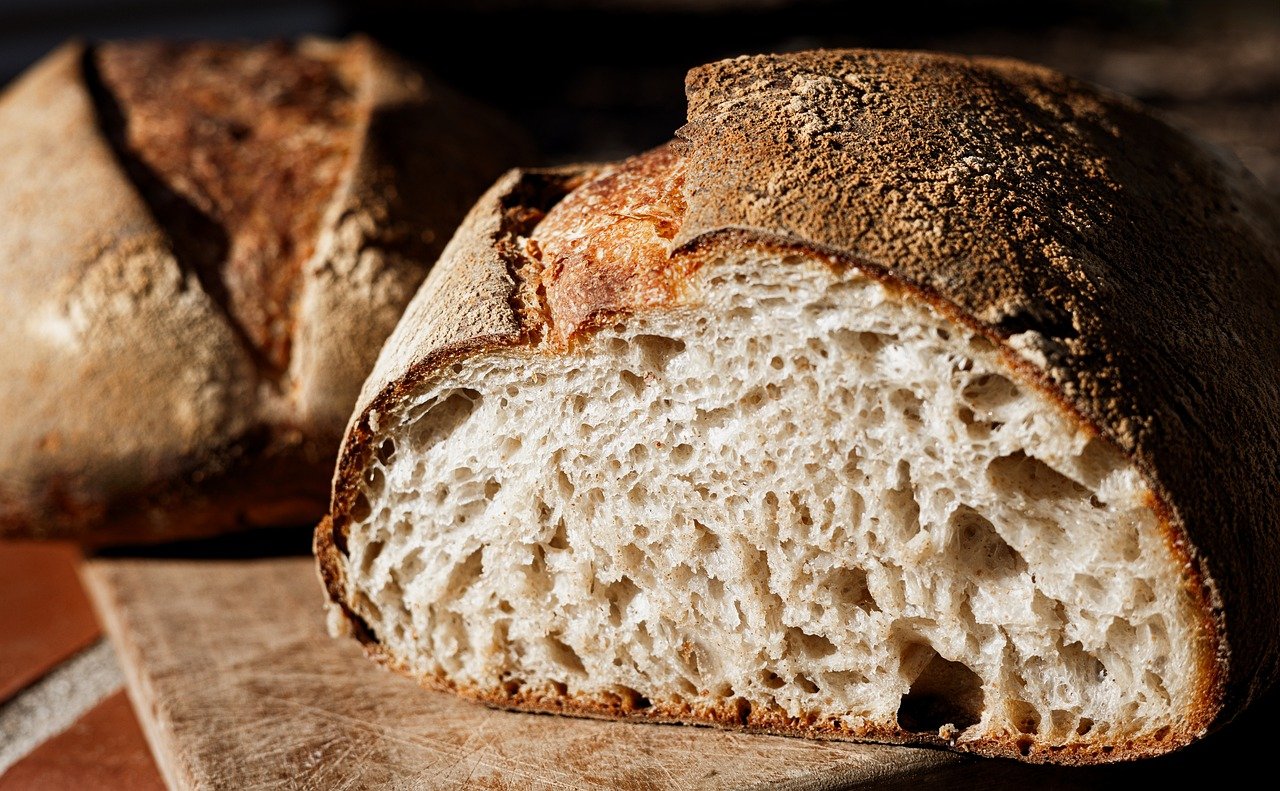
Welcome, fellow food enthusiasts and aspiring home bakers! Are you ready to transform your weekend breakfast or brunch into an extraordinary culinary experience? Today, we’re diving into the wonderful world of a classic comfort food with a delightful twist: our incredible French Toast Recipe With Sourdough Bread.

If you’re looking for easy baking recipes that deliver big on flavor and satisfaction, you’ve come to the right place. This guide is packed with essential baking tips for beginners, ensuring your journey from novice to French toast master is smooth, enjoyable, and delicious. Get ready to create perfectly golden, crispy-on-the-outside, and tender-on-the-inside sourdough French toast that will have everyone asking for seconds!
Ingredients You’ll Need
Gathering your ingredients is the first step to success! Here’s what you’ll need for this delectable sourdough French toast:
| Quantity | Unit | Ingredient |
|---|---|---|
| 8 | slices | Sourdough Bread (thick-cut, day-old is best!) |
| 4 | large | Eggs |
| 1/2 | cup | Whole Milk (or half-and-half for extra richness) |
| 1/4 | cup | Heavy Cream (optional, but highly recommended for a richer texture) |
| 2 | tablespoons | Granulated Sugar |
| 1 | teaspoon | Vanilla Extract (pure vanilla for the best flavor!) |
| 1/2 | teaspoon | Ground Cinnamon |
| 1/4 | teaspoon | Salt (enhances all the flavors!) |
| 2-3 | tablespoons | Unsalted Butter or Neutral Oil (for cooking) |
| Maple Syrup, Fresh Berries, Powdered Sugar (for serving) |
Step-by-Step Instructions for Perfect Sourdough French Toast
Follow these detailed steps, and you’ll be enjoying the best French toast in no time!
Step 1: Prepare Your Sourdough Bread
The foundation of great French toast is great bread. For sourdough, day-old or slightly stale bread is ideal. Why? Because it’s less moist than fresh bread, meaning it will absorb the custard batter without becoming soggy. If your sourdough is very fresh, you can lightly toast it in a toaster or oven for 5-10 minutes at 275°F (135°C) to dry it out slightly before starting. Cut your sourdough into thick slices, about 3/4 to 1 inch thick. This thickness ensures a good balance between the crispy exterior and the custardy interior.
Step 2: Whisk Up the Custard Batter
In a wide, shallow dish (a pie plate or a large casserole dish works perfectly), crack your 4 large eggs. Add the whole milk, heavy cream (if using), granulated sugar, vanilla extract, ground cinnamon, and salt. Now, grab your whisk and whisk vigorously until all the ingredients are well combined and smooth. You want to see a consistent, pale yellow mixture with no streaks of egg white. The sugar should be dissolved as much as possible. Beginner Tip: Don’t just stir; really whisk to incorporate air and fully emulsify the mixture. This creates a lighter, more uniform coating.
Step 3: Soak the Sourdough Slices
This is a crucial step for achieving that perfect custardy center. Carefully place one slice of sourdough bread into the batter, letting it soak for about 20-30 seconds per side. Sourdough is denser and has a chewier crumb than regular sandwich bread, so it needs a bit more time to absorb the liquid. Don’t rush this! Flip it gently with tongs or your fingers and let the other side soak. You’re looking for the bread to feel slightly softened but not completely saturated and falling apart. Common Mistake: Over-soaking can lead to soggy French toast that’s difficult to flip and doesn’t crisp up properly. Under-soaking will leave you with dry spots. Find that sweet spot!
Step 4: Preheat Your Pan and Add Fat
Place a large non-stick skillet, griddle, or cast-iron pan over medium heat. Allow it to heat up for a few minutes. Once hot, add about 1 tablespoon of unsalted butter or neutral oil. The fat is essential for both flavor and preventing sticking. Swirl the butter or oil around to coat the bottom of the pan evenly. You want the butter to melt and slightly foam but not brown too quickly. Beginner Tip: A good way to tell if your pan is ready is to drop a tiny bead of water onto it; if it sizzles and evaporates immediately, it’s hot enough.
Step 5: Cook Your French Toast to Golden Perfection
Carefully lift a soaked sourdough slice from the batter, allowing any excess to drip off. Place it gently into the preheated pan. Do not overcrowd the pan! Cook only as many slices as can comfortably fit without touching each other. Cook for about 3-4 minutes per side, or until each side is beautifully golden brown and cooked through. The exact time will depend on your pan’s heat and the thickness of your bread. Use a spatula to gently lift an edge and peek at the color. Once golden, flip the slice and cook the other side. Alternative: If you’re making a big batch, you can keep cooked French toast warm on a baking sheet in a preheated oven at 200°F (93°C) while you cook the remaining slices.
Step 6: Serve and Enjoy!
Once cooked, transfer your glorious sourdough French toast to plates. Now comes the fun part – toppings! Drizzle generously with warm maple syrup, sprinkle with powdered sugar, and adorn with fresh berries like strawberries, blueberries, or raspberries. A dollop of whipped cream or a dusting of extra cinnamon can also elevate the experience. Serve immediately and savor every bite of this delightful breakfast or brunch treat!
Tips & Tricks for French Toast Mastery
- Stale Bread is Your Best Friend: As mentioned, day-old sourdough is superior. It’s less prone to becoming mushy and holds its shape better after soaking.
- Don’t Skimp on the Fat: Using butter or a combination of butter and oil not only prevents sticking but also adds incredible flavor and helps achieve that beautiful golden crust.
- Maintain Medium Heat: Too high heat will burn the outside before the inside cooks, while too low heat will result in dry, rubbery French toast. Medium heat is perfect for even cooking.
- Avoid Overcrowding: Give your French toast slices room to breathe in the pan. Overcrowding lowers the pan’s temperature and can steam the bread instead of browning it. Cook in batches if necessary.
- Flavor Boosters: A pinch of nutmeg, a splash of orange zest, or a tiny bit of almond extract can add another layer of complexity to your batter. Feel free to experiment!
- Keep Warm: If serving a crowd, place cooked French toast on a wire rack set over a baking sheet in a warm oven (around 200°F / 93°C) while you finish cooking the rest.
- Serving Suggestions: Beyond the classic maple syrup and berries, try a dollop of yogurt, a sprinkle of toasted nuts, a banana-caramel sauce, or even a savory twist with bacon and a fried egg!
Essential Baking Tools
Having the right tools makes all the difference! Here are a few essentials for this recipe:
- Mixing Bowl (for your batter)
- Whisk (to get that batter perfectly smooth)
- Large Non-Stick Skillet or Griddle (for cooking)
- Measuring Cups and Spoons (for accurate ingredient measurement)
- Spatula (for flipping your French toast with ease)
- Wide, Shallow Dish (like a pie plate or casserole dish for soaking)
Nutrition Information (Estimated per serving, 2 slices)
Here’s an estimated nutritional breakdown for one serving of our Sourdough French Toast. Please note that these values can vary based on specific ingredient brands and portion sizes.
| Nutrient | Amount |
|---|---|
| Calories | ~410 kcal |
| Carbohydrates | ~48 g |
| Protein | ~17 g |
| Fat | ~20 g |
| Fiber | ~2.5 g |
| Sugar | ~12 g |
Frequently Asked Questions (FAQs)
Can I use fresh sourdough bread for this recipe?
While day-old or slightly stale sourdough is ideal because it absorbs the custard better without becoming soggy, you can use fresh sourdough. If using fresh, lightly toast the slices in a toaster or oven for 5-10 minutes at 275°F (135°C) to dry them out slightly before soaking. This helps prevent a mushy interior.
How do I prevent my French toast from becoming soggy?
The key to avoiding soggy French toast is using slightly stale bread, not over-soaking the bread in the batter (20-30 seconds per side for sourdough is usually enough), and ensuring your pan is hot enough with sufficient fat to create a good sear and crust.
What are the best toppings for sourdough French toast?
Classic toppings include warm maple syrup, powdered sugar, and fresh berries (strawberries, blueberries, raspberries). Other popular options are sliced bananas, whipped cream, chocolate chips, a sprinkle of toasted nuts (pecans, walnuts), or a drizzle of fruit compote.
Can I prepare the French toast batter ahead of time?
Yes, you can! Whisk the French toast batter together, cover it tightly, and store it in the refrigerator for up to 24 hours. Give it a good whisk again before using, as the ingredients might separate slightly. This is a great time-saver for busy mornings!
How do I know when the French toast is fully cooked?
French toast is typically fully cooked when both sides are golden brown and have a slightly crisp exterior. For thicker slices, you might gently press the center; it should feel set and not squishy. If you’re unsure, you can always cut into a small corner to check the interior.
Conclusion
And there you have it your guide to making the most delicious, satisfying French Toast Recipe With Sourdough Bread! We hope these detailed instructions and baking tips for beginners empower you to create a truly memorable meal. Remember, cooking is all about practice and enjoying the process. Don’t be afraid to experiment with toppings or even a slight variation in your custard. You’ve got this! Happy baking, and we can’t wait to hear how your sourdough French toast turns out. Share your creations and connect with us in the comments below!