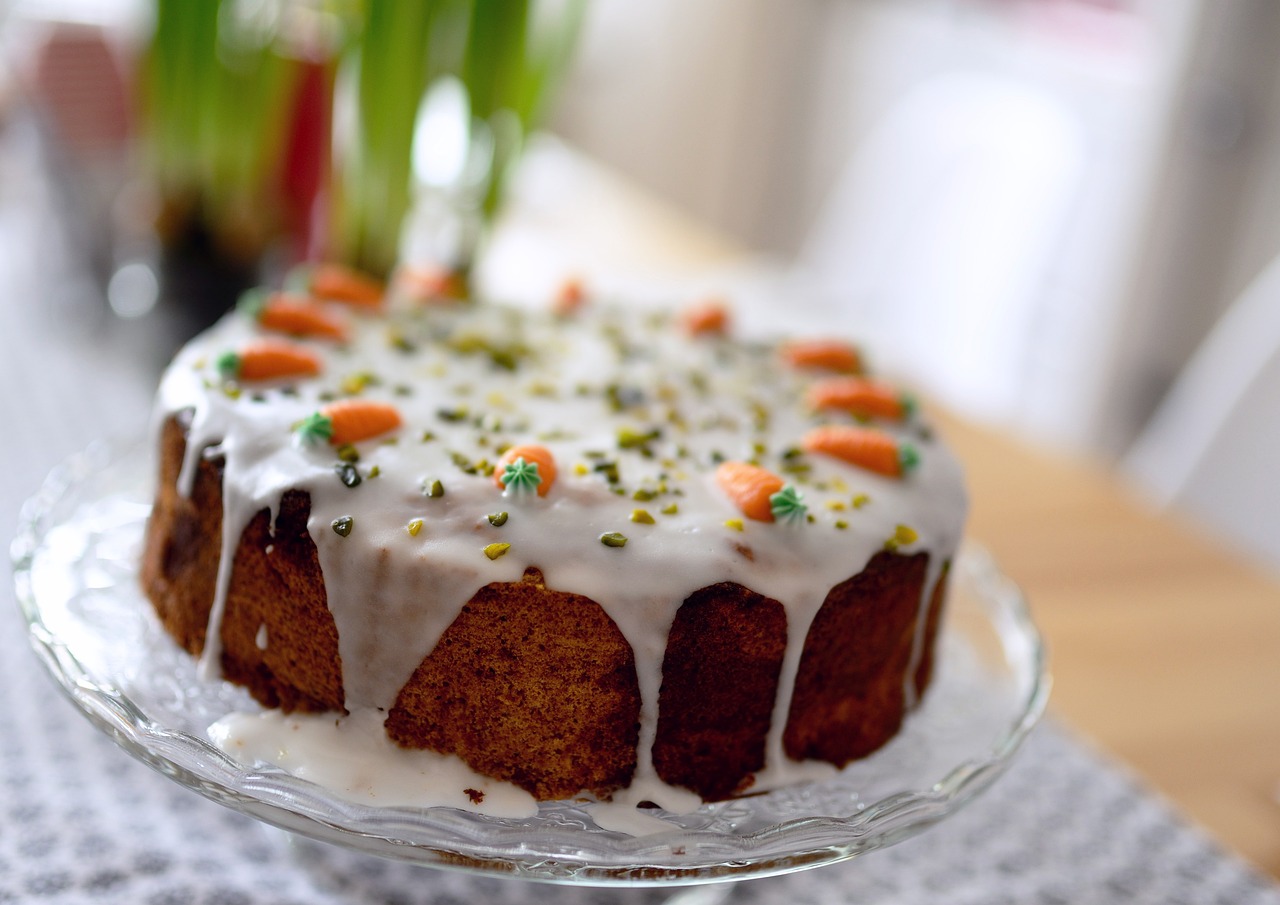
Welcome, fellow baking enthusiasts (and especially if you’re just starting out)! If you’ve ever dreamt of creating that perfect, luscious topping for your homemade pound cake, but felt intimidated by complex recipes, you’ve come to the right place. This isn’t just any frosting recipe; it’s our go-to Frosting Recipe For Pound Cake designed specifically for ease and deliciousness. We believe that everyone deserves to experience the joy of baking, which is why we’ve poured all our best baking tips for beginners into this post,
making it one of the most easy baking recipes you’ll ever try. Get ready to transform your delicious pound cake into an absolute masterpiece with a frosting that’s simple, smooth, and utterly irresistible!
Ingredients List: What You’ll Need
Gathering your ingredients is the first step to baking success. Make sure everything is at room temperature where specified – it makes a huge difference!
| Quantity | Unit | Ingredient |
|---|---|---|
| 1 | stick (1/2 cup) | Unsalted Butter, softened |
| 3-4 | cups | Powdered Sugar (Confectioners’ Sugar), sifted |
| 1/4 | cup | Whole Milk (or heavy cream for richer frosting) |
| 1 | teaspoon | Vanilla Extract (pure extract for best flavor) |
| 1/4 | teaspoon | Salt (enhances sweetness) |
Step-by-Step Instructions: Your Guide to Perfect Frosting
Follow these detailed steps closely, and you’ll be frosting like a pro in no time!
Step 1: Soften the Butter (The Foundation of Great Frosting)
The first and arguably most crucial step for a smooth, lump-free frosting is to ensure your butter is properly softened. Take one stick (1/2 cup) of unsalted butter out of the fridge at least 30-60 minutes before you plan to start. It should be soft enough to indent easily with your finger, but not melted or greasy. If it’s too cold, your frosting will be lumpy; if it’s too warm, it can become soupy. Beginner Tip: If you forget to take it out, you can microwave it for 10-15 seconds at a time, flipping it, until just soft. Be careful not to melt it!
Step 2: Cream the Butter
Place the softened butter into a large mixing bowl. Using an electric mixer (handheld or stand mixer with paddle attachment), beat the butter on medium speed for 2-3 minutes until it becomes light, fluffy, and pale yellow. This process incorporates air into the butter, which is essential for a light and airy frosting texture. Don’t skip this step! Scrape down the sides of the bowl with a spatula occasionally to ensure all butter is evenly creamed.
Step 3: Gradually Add Powdered Sugar
Now it’s time for the powdered sugar. We recommend sifting your 3-4 cups of powdered sugar first to prevent lumps. This is particularly important for beginners! Add the sifted powdered sugar to the creamed butter, one cup at a time, mixing on low speed after each addition until just combined. If you add it all at once, you’ll end up with a sugar cloud in your kitchen! Once all the sugar is incorporated, the mixture will be quite thick and crumbly.
Common Mistake & Fix: If you find lumps after adding the sugar, it’s likely because the butter wasn’t soft enough or the sugar wasn’t sifted. Keep mixing, and the lumps should eventually break down. A rubber spatula can help press lumps against the bowl.
Step 4: Incorporate Liquids and Flavor
With the mixer on low, gradually add the 1/4 cup of whole milk (or heavy cream for a richer, thicker frosting), 1 teaspoon of vanilla extract, and 1/4 teaspoon of salt. Mix until everything is just combined. The mixture will start to come together into a creamy consistency. Alternative: You can swap out vanilla extract for almond extract (1/2 tsp for a subtle flavor) or lemon extract for a brighter taste, especially if your pound cake has a lemon flavor!
Step 5: Beat to Perfection (Achieving the Right Consistency)
Once all ingredients are incorporated, increase the mixer speed to medium-high and beat the frosting for another 3-5 minutes. This final beating step is crucial for achieving a super smooth, fluffy, and spreadable consistency. Scrape down the sides of the bowl frequently. You’ll notice the frosting becoming lighter in color and much more voluminous.
Troubleshooting Consistency:
- Too Thick? If your frosting is too stiff to spread easily, add more milk or cream, 1 teaspoon at a time, beating after each addition until you reach your desired consistency.
- Too Thin? If your frosting is too runny, add more sifted powdered sugar, 1/4 cup at a time, beating well after each addition until it thickens up. This often happens if your butter was too warm or too much liquid was added. Don’t panic, it’s easily fixable!
Step 6: Frost Your Pound Cake!
Once your frosting is perfectly smooth and spreadable, it’s ready to be used! Ensure your pound cake is completely cooled before frosting. Applying frosting to a warm cake will cause it to melt and slide right off – a common beginner mistake! Use a spatula or knife to spread the frosting evenly over your pound cake. Get creative with swirls or smooth finishes. Enjoy your beautifully frosted pound cake!
Tips & Tricks for Frosting Success
Even with an easy recipe, a few extra pointers can elevate your baking experience:
- Room Temperature Matters: We can’t stress this enough! Softened butter (not melted) is the key to a smooth, lump-free frosting. Cold butter will result in a clumpy mess, and melted butter will give you a greasy, runny glaze.
- Sift Your Sugar: Powdered sugar often clumps. Sifting it before adding it to the butter will save you a lot of mixing time and ensure a silky-smooth finish. Don’t skip this step, especially for beginners!
- Taste and Adjust: Always taste your frosting before you’re done! Need more sweetness? Add a tablespoon of powdered sugar. Want a stronger vanilla flavor? Add another splash of extract. A pinch more salt can also brighten the flavors.
- Don’t Overmix (Once Sugar is Added): While you want to beat the butter well, once the powdered sugar is in, overmixing can incorporate too much air, making the frosting too fluffy or even a bit brittle. Beat until just smooth and fluffy, then stop.
- Storage: If you have leftover frosting or need to make it ahead, store it in an airtight container in the refrigerator for up to a week. Let it come to room temperature and re-whip it for a minute or two before using to restore its fluffy texture.
- Flavor Variations: Get creative! Add a teaspoon of lemon zest, a tablespoon of cocoa powder for chocolate frosting, or a touch of coffee extract for a mocha flavor.
Essential Baking Tools
Having the right tools makes all the difference, especially when you’re just starting out. Here are some essentials:
- Mixing Bowl
- Whisk (or an electric mixer for ease)
- Baking Pan (for your pound cake!)
- Measuring Cups
- Spatula
Nutrition Information (Estimated Per Serving)
Please note: These are estimated values and can vary based on specific ingredient brands and exact measurements. This recipe yields approximately 12 servings of frosting.
| Nutrient | Per Serving |
|---|---|
| Calories | 180-220 kcal |
| Carbohydrates | 35-45g |
| Protein | 0-1g |
| Fat | 6-9g |
| Fiber | 0g |
| Sugar | 35-45g |
Frequently Asked Questions (FAQs)
Can I make this frosting ahead of time?
Absolutely! This frosting can be made 2-3 days in advance. Store it in an airtight container in the refrigerator. When you’re ready to use it, let it come to room temperature for about 30-60 minutes, then re-whip it with an electric mixer for a minute or two until it’s light and fluffy again.
My frosting is too thin/runny. How can I fix it?
Don’t worry, this is a common issue! Gradually add more sifted powdered sugar, 1/4 cup at a time, beating well after each addition, until the frosting reaches your desired thick and spreadable consistency. This often happens if the butter was too warm or too much liquid was added.
My frosting is too thick/stiff. What should I do?
If your frosting is too stiff to spread easily, slowly add more milk (or cream), 1 teaspoon at a time, beating after each addition until it loosens up and becomes smooth and spreadable. Be careful not to add too much at once!
Can I use different extracts for different flavors?
Yes, definitely! Vanilla is a classic, but feel free to experiment. Almond extract (use about half the amount of vanilla), lemon extract, orange extract, or even a touch of peppermint extract (for a holiday twist) can completely change the flavor profile. Just start with a small amount and taste as you go.
Why is my frosting lumpy?
Lumpy frosting is usually due to butter that wasn’t properly softened (it was too cold) or powdered sugar that wasn’t sifted. Make sure your butter is at true room temperature. If you have lumps, continue beating the frosting on medium speed, scraping down the sides often. The lumps should eventually break down. A fine-mesh sieve can also be used to push the frosting through if lumps persist, though this is a last resort.
Ready to Frost Your Masterpiece?
There you have it! A truly easy baking recipe for a delightful pound cake frosting that even the most novice baker can master. We hope this detailed guide, packed with baking tips for beginners, empowers you to create something truly special in your kitchen. Remember, baking is all about practice and having fun, so don’t be afraid to experiment and make it your own. Your pound cake is waiting for its crowning glory!