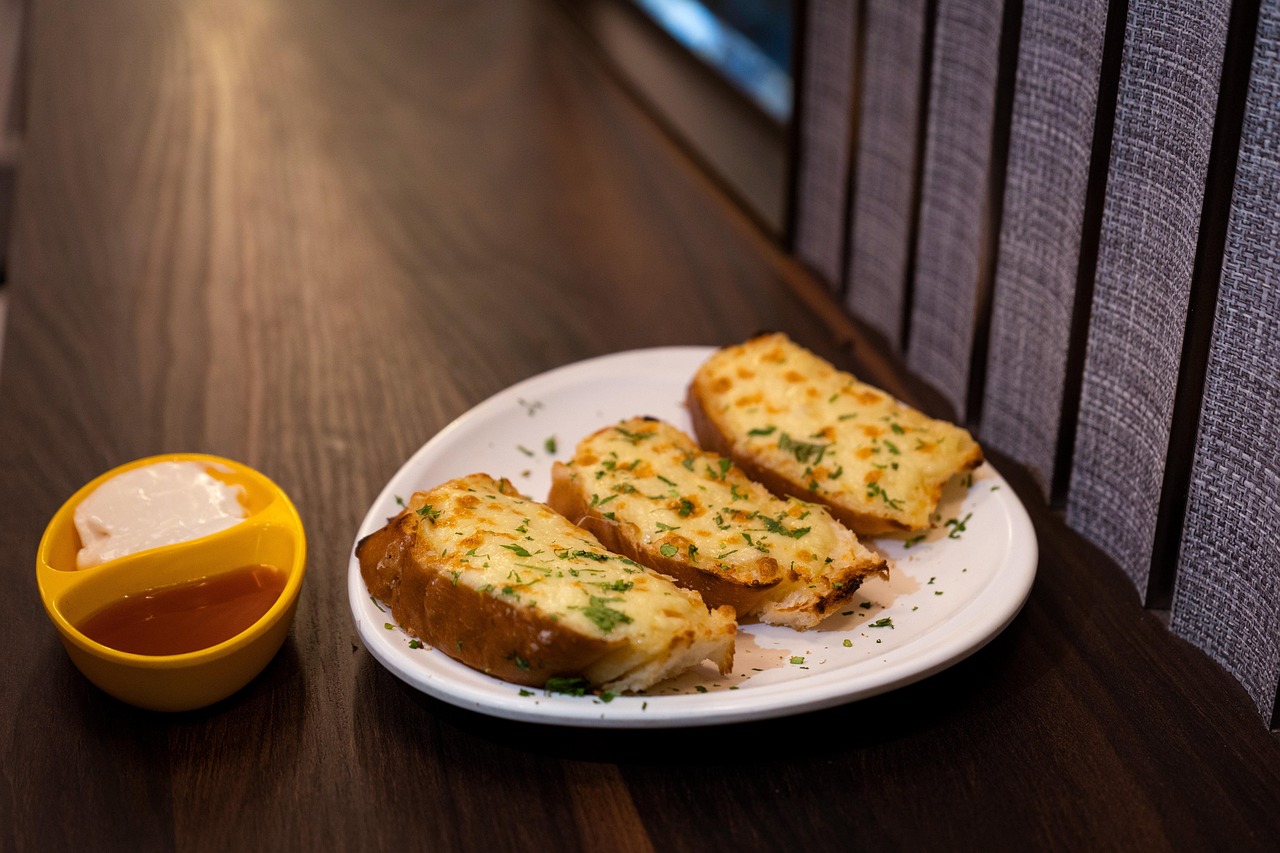
There’s something incredibly satisfying about the smell of fresh bread baking in your own kitchen. If you’ve ever felt intimidated by homemade bread, prepare to have your mind changed! This Garlic Focaccia Bread Recipe is designed specifically with beginners in mind, proving that creating delicious, bakery-quality bread at home is not only possible but wonderfully simple. Forget complicated kneading and endless steps; we’re focusing on minimal effort with maximum flavor.
Focaccia, with its dimpled surface, fluffy interior, and crispy, olive oil-infused crust, is one of the most forgiving and truly delightful easy baking recipes you can tackle. We’ll walk you through every step, providing comprehensive baking tips for beginners to ensure your success. Get ready to impress yourself and your loved ones with this incredible bread!
Ingredients You’ll Need
Gather these simple ingredients to start your focaccia journey. Quality ingredients make a difference, especially good olive oil!
| Ingredient | Quantity | Unit |
|---|---|---|
| All-purpose flour | 3.5 | cups |
| Warm water (105-115°F) | 1.5 | cups |
| Active dry yeast | 2.25 | teaspoons (1 standard packet) |
| Granulated sugar | 1 | teaspoon |
| Fine sea salt (for dough) | 1.5 | teaspoons |
| Extra virgin olive oil | 1/4 cup + 2-3 | tablespoons |
| Fresh garlic, minced | 4-6 | cloves |
| Flaky sea salt (for topping) | 1-2 | teaspoons |
| Fresh rosemary, chopped (optional) | 1 | tablespoon |
Step-by-Step Instructions: Bake Your Perfect Focaccia
Follow these detailed steps carefully, and you’ll be enjoying warm, homemade focaccia in no time!
Step 1: Activate the Yeast (The First Step to Life!)
- In a large mixing bowl, combine the warm water (make sure it’s between 105-115°F – too hot will kill the yeast, too cold won’t activate it), granulated sugar, and active dry yeast.
- Stir gently to combine and let it sit for 5-10 minutes.
- Beginner Tip: You’ll know your yeast is alive and well when it becomes foamy and bubbly on the surface, resembling a thin layer of seafoam. If it doesn’t foam, your yeast might be old, or your water temperature was off. Don’t proceed until your yeast is bubbly!
Step 2: Combine Wet and Dry Ingredients
- Once your yeast is active, add the all-purpose flour and 1.5 teaspoons of fine sea salt to the bowl with the yeast mixture.
- Add 1/4 cup of extra virgin olive oil to the mixture.
- Using a wooden spoon or your hands, mix until a shaggy dough forms and no dry streaks of flour remain. This dough will be quite wet and sticky, which is perfectly normal for focaccia! Do not add more flour at this stage, even if it feels very sticky. A little stickiness is what gives focaccia its signature open, airy crumb.
Step 3: First Rise (Patience is a Virtue)
- Drizzle a little olive oil (about 1 tablespoon) into a clean, large bowl. Transfer your sticky dough into this bowl, turning it once to coat it lightly in oil. This prevents it from sticking to the bowl as it rises.
- Cover the bowl tightly with plastic wrap or a clean kitchen towel.
- Place the bowl in a warm, draft-free spot in your kitchen. This could be near a sunny window, above your refrigerator, or even in a turned-off oven with just the light on (the residual heat and light can create a perfect warm environment).
- Let the dough rise for 1-2 hours, or until it has doubled in size. It should look puffy, expanded, and feel airy. Beginner Tip: The rising time can vary based on your kitchen’s temperature. Don’t rush it! A slow rise often leads to better flavor.
Step 4: Prepare the Baking Pan
- While your dough is on its first rise, prepare your baking pan. A 9×13 inch baking pan works perfectly for this recipe, creating a good thickness.
- Generously coat the bottom and sides of the pan with 2-3 tablespoons of extra virgin olive oil. This step is crucial! It not only prevents sticking but also contributes significantly to that irresistible crispy, golden-brown bottom crust that focaccia is famous for. Don’t be shy with the oil here!
Step 5: Transfer Dough and Dimple
- Once the dough has doubled, gently pour or scrape it into the prepared, heavily oiled baking pan. Try not to punch down all the air that has built up; handle it delicately to preserve the bubbles.
- Using oiled fingertips (this prevents the sticky dough from clinging to your hands), gently stretch and spread the dough to fill the pan as much as possible. It might spring back a bit, which is fine; it will relax during the second rise.
- Now for the fun part: Dimpling! Using your oiled fingertips, gently press deep indentations all over the surface of the dough, trying not to press all the way through to the bottom of the pan. These dimples are characteristic of focaccia and serve a purpose: they hold the delicious olive oil and toppings, and prevent large, uneven air bubbles from forming during baking.
Step 6: Second Rise (Building More Flavor)
- Cover the baking pan loosely with plastic wrap or a clean kitchen towel.
- Let the dough rise again in a warm spot for another 30-45 minutes, or until it looks visibly puffy and slightly expanded again. You’ll notice the dimples might have relaxed a bit.
- Common Mistake: Don’t let it over-proof during this stage, or it might collapse in the oven. It should still have some structure and elasticity.
Step 7: Preheat Oven & Prepare Garlic Topping
- About 15-20 minutes before the end of the second rise, preheat your oven to 400°F (200°C). Ensure your oven is fully preheated for even baking.
- In a small bowl, combine the minced fresh garlic with 1 tablespoon of extra virgin olive oil. This creates a flavorful garlic oil that will infuse into the bread as it bakes. If using, add chopped fresh rosemary to this mixture now.
Step 8: Bake Your Focaccia!
- Drizzle the garlic-infused olive oil mixture evenly over the dimpled surface of the dough. Get into those dimples!
- Sprinkle generously with flaky sea salt. This adds a wonderful crunch and burst of savory flavor that complements the garlic and olive oil perfectly.
- Place the pan in the preheated oven and bake for 20-30 minutes, or until the focaccia is a beautiful golden brown on top and the bottom crust is crispy. Beginner Tip: If your oven bakes unevenly, rotate the pan halfway through baking to ensure uniform browning. The internal temperature should be around 200°F (93°C) if you use a thermometer.
Step 9: Cool and Enjoy
- Once baked, carefully remove the focaccia from the oven.
- Immediately transfer the focaccia from the baking pan to a wire cooling rack. This prevents the bottom from becoming soggy from trapped steam and helps maintain that desirable crispy crust.
- Let it cool for at least 15-20 minutes before slicing and serving. While it’s incredibly tempting to cut into it right away, cooling allows the internal structure to set, resulting in a better texture and preventing it from becoming gummy.
- Serve warm as a side to pasta, soup, or salad, or simply enjoy it on its own with extra olive oil for dipping. Enjoy your delicious homemade bread!
Tips & Tricks for Focaccia Success
Even though this is an easy recipe, a few extra pointers can elevate your focaccia from good to absolutely amazing!
- Quality Olive Oil is Key: Since olive oil is such a prominent flavor in focaccia, investing in a good quality extra virgin olive oil will make a significant difference in the taste and aroma of your final product.
- Don’t Rush the Rise: While you might be tempted to speed things up, patience during the rising stages allows the yeast to work its magic, developing deeper, more complex flavors and a superior airy texture. A warm spot is helpful, but avoid forcing it with high heat.
- Generous Oiling: Don’t skimp on the olive oil in the pan or on top of the dough. It’s crucial for achieving that characteristic crispy bottom, rich flavor, and golden crust. The oil helps conduct heat and creates those desirable fried edges.
- Experiment with Toppings: While garlic and flaky salt are classic, feel free to get creative! Try adding thinly sliced red onion, sun-dried tomatoes, black olives, roasted red peppers, or other fresh herbs like thyme or oregano before baking.
- Listen to Your Dough: Pay attention to how the dough feels. It should be sticky and elastic, not dry and stiff. If it feels too stiff, a tiny bit more water might be needed, but usually, the described stickiness is just right for focaccia.
- Oven Temperature Matters: Ensure your oven is fully preheated to the correct temperature. An inexpensive oven thermometer can be a great investment for accurate baking and consistent results.
- Storage: Leftover focaccia is best stored at room temperature in an airtight container or a large zip-top bag for up to 2-3 days. For the best texture, gently reheat slices in a toaster oven or regular oven at 300°F (150°C) for a few minutes until warmed through and slightly crispy.
Essential Baking Tools
Having the right tools can make your baking experience smoother and more enjoyable. Here are a few essentials you’ll need for this focaccia recipe:
- Large Mixing Bowl
- Whisk (for activating yeast)
- 9×13 Inch Baking Pan
- Measuring Cups & Measuring Spoons
- Spatula or Wooden Spoon (for mixing)
- Wire Cooling Rack
- Kitchen Scale (optional, but highly recommended for accuracy in baking)
- Instant Read Thermometer (useful for water temperature and checking doneness)
Nutrition Information (Estimated per serving)
This information is an estimate based on approximately 12 servings per recipe and can vary depending on exact ingredient brands, quantities, and optional toppings used. It is intended for general guidance.
| Nutrient | Amount per serving |
|---|---|
| Calories | 280 kcal |
| Carbohydrates | 38g |
| Protein | 6g |
| Fat | 12g |
| Fiber | 2g |
| Sugar | 1g |
Frequently Asked Questions (FAQs)
- Q: My yeast didn’t foam. What went wrong?
- A: This usually means your water was either too hot (which kills the yeast) or too cold (which prevents it from activating), or your yeast is old/expired. Always check the water temperature with a thermometer (105-115°F is ideal). If in doubt, use a fresh packet of yeast.
- Q: My focaccia didn’t rise much. What could be the cause?
- A: Similar to the above, inactive yeast is a common culprit. Also, ensure your rising environment is warm and truly draft-free. Cold temperatures will significantly slow down or halt the rising process. Be patient; rise times can vary based on ambient temperature.
- Q: Can I make this recipe ahead of time?
- A: Absolutely! You can prepare the dough up to the end of the first rise (Step 3), then cover it tightly and refrigerate overnight (up to 24 hours). The cold fermentation will actually enhance the flavor! When ready to bake, let it come to room temperature for about 30-60 minutes before proceeding with Step 4.
- Q: I don’t have active dry yeast. Can I use instant yeast?
- A: Yes! If using instant yeast, you can typically add it directly to the dry ingredients (flour and salt) without pre-activating it in water. However, for beginners, activating active dry yeast as described is a great way to confirm it’s alive before committing to the full recipe.
- Q: How do I store leftover focaccia?
- A: Store leftover focaccia at room temperature in an airtight container or a large zip-top bag for up to 2-3 days. For the best texture, gently reheat slices in a toaster oven or a regular oven at 300°F (150°C) for a few minutes until warmed through and slightly crispy.
- Q: Can I add other toppings besides garlic and rosemary?
- A: Definitely! Focaccia is incredibly versatile. Before the second rise or just before baking, you can add thin slices of cherry tomatoes, kalamata olives, caramelized onions, thinly sliced potatoes, or even different cheeses like Parmesan or feta. Get creative and make it your own!
Conclusion
Congratulations, future bread baker! You’ve just unlocked the secret to making truly incredible homemade bread with this Garlic Focaccia Bread Recipe. This journey from simple ingredients to a golden, aromatic loaf is one of the most rewarding experiences in the kitchen, and it’s fantastic for building your confidence with easy baking recipes. Remember, baking is as much an art as it is a science, and every loaf tells a story. Don’t be afraid to experiment, and most importantly, enjoy the process. We hope these baking tips for beginners have equipped you with everything you need to succeed. So go ahead, get baking, and savor every delicious bite of your homemade focaccia! Share your focaccia creations with us in the comments below – we’d love to hear about your baking adventures!