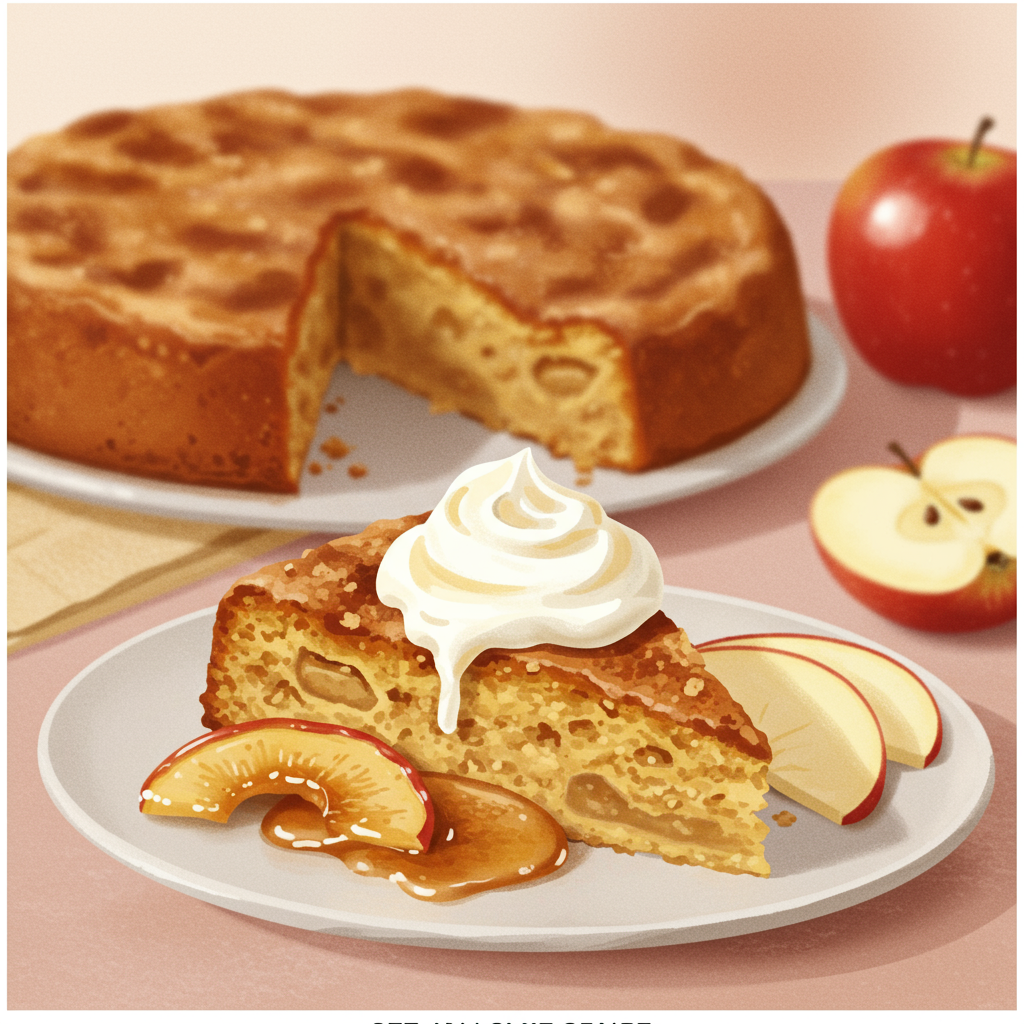
Are you ready to bake something truly comforting, incredibly moist, and utterly delicious? You’ve come to the right place! This German Applesauce Cake Recipe is a timeless classic, beloved for its warm spices, tender crumb, and simple charm. Perfect for cozy evenings, potlucks, or just a delightful everyday dessert, it’s a recipe that tastes like a hug.

Even if you’re just starting your baking journey, this is one of those easy baking recipes that will make you feel like a seasoned pro. We’ll walk through every step together, providing all the baking tips for beginners you need to ensure your cake turns out perfectly every single time. Get ready to fill your kitchen with the irresistible aroma of cinnamon, nutmeg, and apples!
Ingredients List
Gathering all your ingredients before you start is a key step to smooth baking. This is called “mise en place” (everything in its place) and it will make your baking experience much more enjoyable!
| Ingredient | Quantity |
|---|---|
| All-Purpose Flour | 2 ½ cups |
| Granulated Sugar | 1 cup |
| Packed Light Brown Sugar | ½ cup |
| Baking Soda | 1 ½ teaspoons |
| Ground Cinnamon | 2 teaspoons |
| Ground Nutmeg | ½ teaspoon |
| Ground Cloves (optional, but recommended!) | ¼ teaspoon |
| Salt | ½ teaspoon |
| Large Eggs | 2 |
| Vegetable Oil (or other neutral oil like canola) | ½ cup |
| Unsweetened Applesauce | 1 ½ cups |
| Vanilla Extract | 1 teaspoon |
| Chopped Walnuts or Pecans (optional) | ½ cup |
| Raisins (optional) | ½ cup |
Step-by-Step Instructions: Your Guide to Applesauce Cake Success!
Follow these detailed steps, and you’ll be enjoying your homemade German Applesauce Cake in no time. Remember, baking is a science, but it’s also a lot of fun!
1. Preheat Your Oven and Prepare Your Pan

First things first! Preheat your oven to 350°F (175°C). This ensures your oven is at the correct temperature when the cake goes in, which is crucial for even baking. Next, prepare a 9×13 inch baking pan. You can do this by lightly greasing it with butter or cooking spray, then dusting it with a thin layer of flour. Alternatively, line the bottom with parchment paper and then grease the sides. This step prevents your cake from sticking, making removal super easy!
2. Whisk Together Your Dry Ingredients
In a large mixing bowl, combine your all-purpose flour, granulated sugar, brown sugar, baking soda, cinnamon, nutmeg, cloves (if using), and salt. Use a whisk to mix these ingredients thoroughly for about 30 seconds to 1 minute. This ensures that the leavening agents (baking soda) and spices are evenly distributed throughout the flour, so every bite of your cake will be perfectly flavored and rise correctly. Don’t skip this step – it’s more important than it seems!
3. Prepare Your Wet Ingredients
In a separate medium-sized bowl, lightly whisk your two large eggs. Then, add the vegetable oil, unsweetened applesauce, and vanilla extract to the eggs. Whisk everything together until it’s well combined and looks smooth. Using room temperature eggs and applesauce can help them incorporate more easily into the batter, leading to a smoother, more uniform cake.
Beginner Tip: Make sure your applesauce is unsweetened. If you use sweetened, your cake might turn out too sweet! If you only have sweetened, you might want to slightly reduce the granulated sugar in the dry ingredients, but for your first time, stick to unsweetened if possible.
4. Gently Combine Wet and Dry Ingredients
Now, it’s time to bring everything together! Pour the wet ingredients mixture directly into the bowl with your dry ingredients. Using a rubber spatula or a wooden spoon, gently fold the ingredients together. Mix just until no streaks of flour remain. This is a critical step for beginners: do not overmix! Overmixing develops the gluten in the flour too much, which can result in a tough, dense cake. A few small lumps are perfectly fine and will disappear during baking.
5. Fold in Optional Mix-ins (Nuts and Raisins)
If you’re adding chopped walnuts or pecans and raisins, gently fold them into the batter at this stage. Again, use a light hand and mix just until they are evenly distributed. These additions add wonderful texture and extra flavor, but the cake is absolutely delicious without them too!
6. Pour Batter into Prepared Pan
Carefully pour your cake batter into the greased and floured 9×13 inch baking pan. Use your rubber spatula to scrape all the batter out of the bowl – we don’t want to waste any of that deliciousness! Gently spread the batter evenly in the pan so it bakes uniformly.
7. Bake Your Cake to Golden Perfection
Place the baking pan in your preheated oven. Bake for approximately 30-40 minutes. Baking times can vary slightly depending on your oven, so it’s always good to keep an eye on it. The cake is done when a wooden skewer or toothpick inserted into the center comes out clean or with a few moist crumbs attached, but no wet batter. The top should be golden brown and spring back when lightly touched.
Beginner’s Watch Out: Try not to open the oven door too early or too often, especially in the first 20 minutes. This can cause the cake to sink in the middle. Patience is a virtue in baking!
8. Cool Down and Serve!
Once baked, remove the cake from the oven and place it on a wire rack. Let the cake cool in the pan for about 10-15 minutes. This allows the cake to firm up slightly and makes it easier to remove without breaking. After this initial cooling, you can carefully invert the cake onto the wire rack to cool completely. If you prefer to serve it from the pan, simply let it cool in the pan. Once cool, you can dust it with powdered sugar, add a simple vanilla glaze, or just enjoy it plain. Slice, serve, and savor your homemade masterpiece!
Tips & Tricks for a Perfect Applesauce Cake
To ensure your German Applesauce Cake turns out perfectly every time, here are some actionable tips:

- Measure Accurately: Baking is precise! Use proper measuring cups for dry ingredients (levelled off with a straight edge) and liquid measuring cups for wet ingredients (read at eye level). This is the foundation of consistent baking results.
- Room Temperature Ingredients: Eggs and applesauce at room temperature combine more smoothly and create a more uniform batter, leading to a lighter, airier cake texture.
- Don’t Overmix: This is crucial! Mix the batter only until the dry ingredients are just incorporated. Overmixing develops gluten, which can make your cake tough and chewy instead of tender and moist.
- Quality Applesauce: Use a good quality unsweetened applesauce. The flavor of the applesauce will shine through, so a tasty one makes a big difference.
- Patience with Cooling: Resist the urge to cut into the cake immediately after it comes out of the oven. Letting it cool properly allows the internal structure to set, preventing it from crumbling and ensuring a perfect slice.
- Customize Your Spices: Feel free to adjust the spice levels to your preference. Love cinnamon? Add a little more! Not a fan of cloves? You can omit them.
Essential Baking Tools
Having the right tools makes baking much easier and more enjoyable. Here are a few essentials you’ll need for this recipe:
- Mixing Bowl
- Whisk
- Baking Pan (9×13 inch recommended)
- Measuring Cups & Measuring Spoons
- Rubber Spatula
Nutrition Information (Estimated per serving)
Please note: These are estimated values and can vary based on specific ingredients and serving size (calculated for 12 servings).
| Nutrient | Amount |
|---|---|
| Calories | 350 kcal |
| Carbohydrates | 58g |
| Protein | 4g |
| Fat | 12g |
| Fiber | 2g |
| Sugar | 35g |
Frequently Asked Questions (FAQs)
Q1: Can I use sweetened applesauce instead of unsweetened?
A: Yes, you can, but your cake will be significantly sweeter. If you use sweetened applesauce, we recommend reducing the granulated sugar in the recipe by about ¼ to ½ cup, depending on how sweet your applesauce is and your personal preference. For a beginner, it’s often easier to stick to unsweetened for consistent results.
Q2: How do I know when the cake is truly done?
A: The most reliable method is the “toothpick test.” Insert a wooden skewer or toothpick into the center of the cake. If it comes out clean (no wet batter), the cake is done. If there’s still wet batter, bake for another 3-5 minutes and test again. The top should also be golden brown and spring back when gently pressed.
Q3: Can I substitute butter for oil in this recipe?
A: While oil provides a uniquely moist and tender crumb in this cake, you can substitute melted unsalted butter. Use the same quantity (½ cup). Keep in mind that butter will give the cake a slightly different flavor profile and potentially a slightly denser texture, but it will still be delicious!
Q4: How should I store leftover German Applesauce Cake?
A: Store the cake at room temperature in an airtight container for up to 3-4 days. For longer storage, you can refrigerate it for up to a week. If you plan to freeze it, wrap individual slices tightly in plastic wrap and then aluminum foil, and store in a freezer-safe bag for up to 2-3 months. Thaw at room temperature before serving.
Q5: Can I add other mix-ins to the cake?
A: Absolutely! This cake is very forgiving and adaptable. Besides nuts and raisins, you could try adding chocolate chips, dried cranberries, or even finely grated carrot for extra moisture and flavor. Just make sure not to add too much (stick to about ½ to ¾ cup total) so you don’t overwhelm the batter.
Conclusion: Your Delicious Journey Begins Here!
Congratulations, baker! You’ve just mastered the art of making a delightful German Applesauce Cake. This recipe is more than just a dessert; it’s a warm, comforting experience that brings smiles to faces. Whether you’re sharing it with loved ones or enjoying a quiet moment with a slice and a cup of coffee,

you’ve created something truly special. Don’t be afraid to experiment with your newfound skills, and remember, every bake is a step towards becoming a more confident and creative baker. Happy baking, and enjoy every moist, spiced bite!