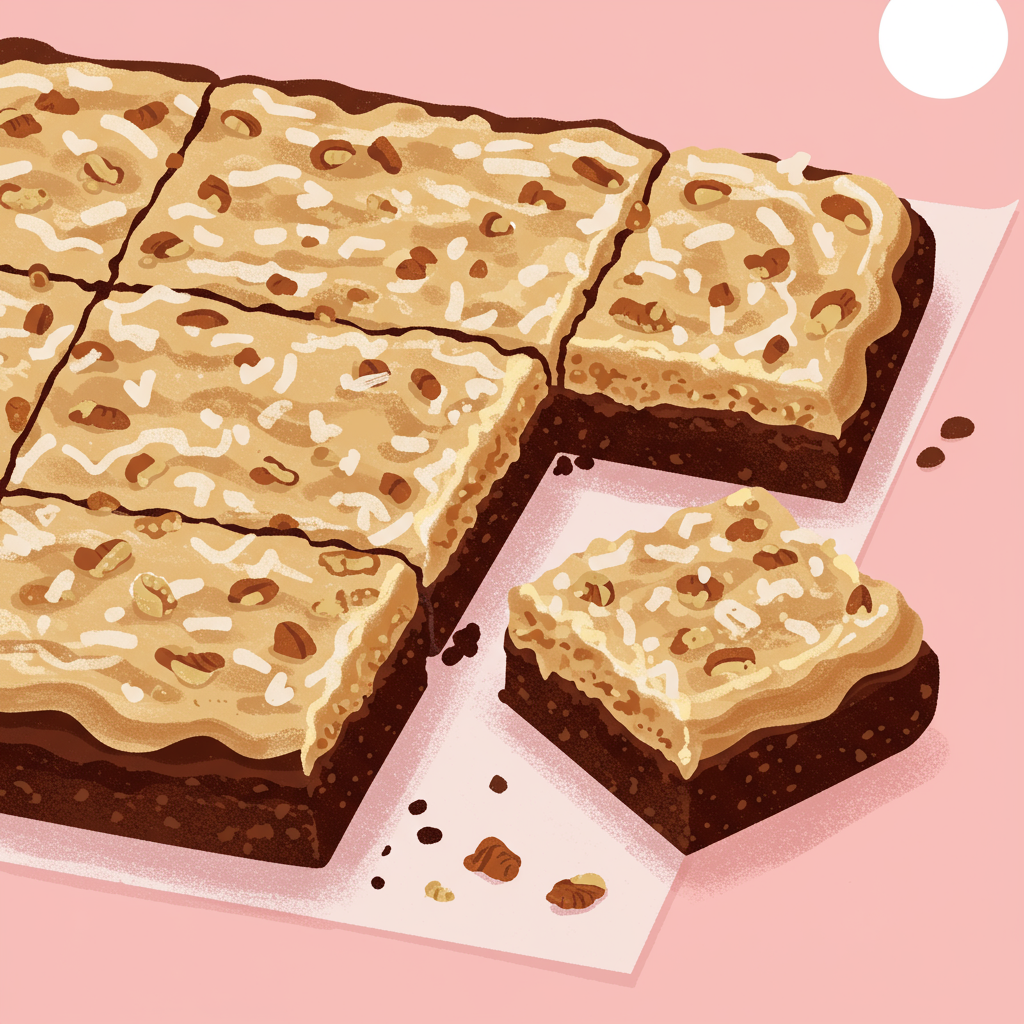
Welcome, baking enthusiasts and kitchen novices alike! Are you ready to dive into the delightful world of baking without the intimidation? You’ve come to the right place! Today, we’re tackling a classic flavor in a fantastically approachable format: our German Chocolate Cake Bars Recipe. Forget complicated layer cakes; these bars deliver all the rich, chocolatey goodness and that iconic coconut-pecan frosting in a simple, sliceable treat. This recipe is specifically designed to be one of the most easy baking recipes you’ll ever try, packed with helpful baking tips for beginners to ensure your success. So grab your apron, preheat your oven, and let’s create some magic together. You’ll be amazed at how simple it is to achieve bakery-quality results right in your own kitchen!
Gather Your Delicious Ingredients
Before we start, make sure all your ingredients are at room temperature, especially butter and eggs. This helps them combine smoothly for a perfect texture. Using accurate measurements is key in baking, so take your time here!
For the Cake Layer:
| Quantity | Unit | Ingredient |
|---|---|---|
| 1 ½ | cups | All-purpose flour |
| ½ | cup | Unsweetened cocoa powder (Dutch-processed for a darker color, if preferred) |
| 1 | teaspoon | Baking soda |
| ½ | teaspoon | Salt |
| ¾ | cup (1 ½ sticks) | Unsalted butter, softened |
| 1 ½ | cups | Granulated sugar |
| 2 | large | Eggs, room temperature |
| 1 | teaspoon | Vanilla extract |
| 1 | cup | Buttermilk (or 1 cup milk + 1 tbsp lemon juice/vinegar, let sit 5 mins) |
For the Coconut-Pecan Frosting:
| Quantity | Unit | Ingredient |
|---|---|---|
| ½ | cup (1 stick) | Unsalted butter, melted |
| ½ | cup | Evaporated milk |
| ¾ | cup | Granulated sugar |
| 2 | large | Egg yolks, lightly beaten |
| 1 | teaspoon | Vanilla extract |
| 1 ½ | cups | Sweetened shredded coconut |
| 1 | cup | Chopped pecans |
Step-by-Step Baking Adventure: German Chocolate Cake Bars
Follow these detailed instructions carefully, and you’ll be enjoying your homemade German Chocolate Cake Bars in no time! Remember, baking is a science, but it’s also a lot of fun!
Part 1: The Rich Chocolate Cake Layer
- Prepare Your Pan: First things first, preheat your oven to 350°F (175°C). This is crucial for even baking! Grease a 9×13 inch baking pan with butter or baking spray, then lightly flour it. This helps prevent sticking. Alternatively, for even easier removal, line the pan with parchment paper, leaving an overhang on the short sides. This “sling” allows you to lift the cooled bars right out of the pan.
- Whisk Dry Ingredients: In a medium bowl, combine the all-purpose flour, unsweetened cocoa powder, baking soda, and salt. Use a whisk to mix them thoroughly for about 30 seconds. This ensures the leavening agents (baking soda) are evenly distributed, so your cake rises uniformly and doesn’t have pockets of unmixed ingredients. Set aside.
- Cream Butter and Sugar: In a large mixing bowl, using an electric mixer (handheld or stand mixer with paddle attachment), beat the softened butter and granulated sugar together on medium speed until the mixture is light, fluffy, and pale in color. This process, called “creaming,” incorporates air into the butter, which makes your cake tender and helps it rise beautifully. It usually takes about 3-5 minutes. Beginner Tip: Softened butter should yield slightly when pressed with a finger, but not be greasy or melted. If it’s too soft, pop it in the fridge for a few minutes.
- Add Eggs and Vanilla: Beat in the eggs one at a time, mixing well after each addition until just combined. Scrape down the sides of the bowl with a rubber spatula to ensure everything is incorporated evenly and no bits of butter or sugar are left unmixed. Then, stir in the vanilla extract.
- Alternate Wet and Dry: With the mixer on low speed (or by hand with a spatula), gradually add the dry ingredients to the wet ingredients in three additions, alternating with the buttermilk in two additions. Always begin and end with the dry ingredients. For example: add 1/3 dry mix, mix lightly; add 1/2 buttermilk, mix lightly; add 1/3 dry mix, mix lightly; add remaining 1/2 buttermilk, mix lightly; add remaining 1/3 dry mix, mix lightly. Mix just until combined after each addition. Common Mistake Alert! Do not overmix! Overmixing develops the gluten in the flour, leading to a tough, dry cake with a chewy texture instead of a tender one. A few streaks of flour are okay; they’ll disappear during baking.
- Pour and Bake: Pour the batter evenly into your prepared 9×13 inch baking pan. Use your spatula to gently spread it to the corners and ensure an even layer across the bottom of the pan. This promotes even baking. Bake for 25-30 minutes, or until a wooden skewer or toothpick inserted into the center comes out with only a few moist crumbs attached (not wet batter). If it comes out clean, it might be slightly overbaked.
- Cool the Cake: Once baked, remove the cake layer from the oven and place the pan on a wire rack to cool completely. This is very important! Do not try to frost a warm cake, or your beautiful frosting will melt and slide right off, creating a messy situation. Let it cool for at least 1-2 hours, or until the pan is no longer warm to the touch.
Part 2: The Iconic Coconut-Pecan Frosting
While your cake layer cools, let’s prepare the star of the show – that irresistible frosting!
- Combine Frosting Base: In a medium saucepan, combine the melted butter, evaporated milk, granulated sugar, and lightly beaten egg yolks. Whisk everything together until well combined and smooth. Make sure the egg yolks are fully incorporated.
- Cook the Frosting: Place the saucepan over medium heat. Cook, stirring constantly with a whisk or rubber spatula, until the mixture thickens slightly and begins to bubble gently around the edges, about 5-7 minutes. Beginner Tip: Stirring constantly prevents the egg yolks from scrambling and the bottom from burning. The mixture should thicken to a custard-like consistency and coat the back of a spoon. If you run your finger across the back of the spoon, the line should hold.
- Remove from Heat and Finish: Remove the saucepan from the heat. Stir in the vanilla extract, sweetened shredded coconut, and chopped pecans. Mix well until everything is evenly distributed and coated in the creamy base.
- Cool Frosting Slightly: Let the frosting cool at room temperature for about 15-20 minutes, stirring occasionally. It will thicken further as it cools. You want it to be warm enough to spread easily but not so hot that it melts the cake (which should be completely cool by now).
- Frost the Cooled Cake: Once your cake layer is completely cool and the frosting has thickened slightly, spread the coconut-pecan frosting evenly over the cake using an offset spatula or the back of a spoon. Work quickly but gently.
- Set and Serve: Allow the bars to set at room temperature for about 30 minutes, or refrigerate for 15-20 minutes, to let the frosting firm up. This makes them much easier to slice into neat squares or rectangles. Once set, cut and serve! For the cleanest cuts, wipe your knife clean between each slice.
Pro Tips & Tricks for Baking Success
Even the most seasoned bakers rely on a few tricks! Here are some actionable **baking tips for beginners** to make your German Chocolate Cake Bars perfect every time:
- Room Temperature Matters: For both butter and eggs, room temperature is critical. Cold ingredients don’t emulsify properly with sugar, leading to a lumpy batter and a less tender, denser cake. Take them out of the fridge at least 30-60 minutes before you start, or use quick methods like placing eggs in warm water for 5 minutes.
- Measure Accurately: Baking is a science! Use proper measuring cups and spoons. For flour, spoon it lightly into your dry measuring cup until overflowing, then level it off with a straight edge (like the back of a knife or a bench scraper) – don’t scoop directly from the bag, as this can compact the flour and lead to too much flour, resulting in a dry cake.
- Don’t Overmix: This is probably the most common beginner mistake. Once you add flour to your wet ingredients, mix only until just combined. Overmixing develops gluten, which makes baked goods tough, dense, and dry. A few streaks of flour are acceptable; they will disappear during baking.
- Preheat Your Oven: Always preheat your oven completely before putting anything in. An oven that isn’t up to temperature can lead to uneven baking, a cake that doesn’t rise properly, and dry results. Invest in an inexpensive oven thermometer to verify if your oven runs hot or cold, as many aren’t perfectly accurate.
- Parchment Paper is Your Friend: Lining your pan with parchment paper (with an overhang on two sides) creates a “sling” that makes removing the bars incredibly easy and ensures no sticking. It’s a lifesaver for clean cuts and easy cleanup!
- Cool Completely: Resist the urge to frost a warm cake. Warm cake + frosting = melted, messy disaster. Patience is a virtue in baking! Allow the cake to cool fully on a wire rack to room temperature before even thinking about the frosting.
- Storage: Store these bars in an airtight container at room temperature for up to 3 days to maintain their moistness. For longer storage, you can refrigerate them for up to a week. If refrigerating, let them come to room temperature for about 30 minutes before serving for the best flavor and texture.
Essential Baking Tools for Your Kitchen
Having the right tools makes all the difference in making your baking experience smooth and successful! Here are some essentials you’ll need for this recipe, and for many other delicious bakes:
- Mixing Bowl Set (various sizes are helpful)
- Whisk (for dry ingredients and frosting)
- 9×13 Inch Baking Pan (the standard size for these bars)
- Measuring Cups and Spoons Set (for accurate ingredient measurement)
- Rubber Spatula (for scraping bowls and folding batter)
- Electric Mixer (handheld or stand mixer with paddle attachment for creaming butter and sugar)
- Medium Saucepan (for making the frosting)
- Wire Cooling Rack (essential for cooling cakes evenly)
- Parchment Paper (for easy removal and clean-up)
- Wooden Skewer or Toothpick (for checking cake doneness)
Nutrition Information (Estimated per serving)
Please note that these values are estimates and can vary based on specific ingredient brands, exact measurements, and serving size. This is based on approximately 18 servings per 9×13 inch pan.
| Nutrient | Amount (per serving) |
|---|---|
| Calories | 380 kcal |
| Carbohydrates | 48g |
| Protein | 4g |
| Fat | 20g |
| Fiber | 2g |
| Sugar | 35g |
Frequently Asked Questions for Beginner Bakers
Q: Can I make these German Chocolate Cake Bars ahead of time?
A: Absolutely! These bars are fantastic for making ahead. You can bake the cake layer a day in advance, let it cool completely, cover it tightly with plastic wrap or foil, and store it at room temperature. Prepare the frosting the day you plan to serve, or even a day ahead (store frosting covered in the fridge and gently reheat/stir to soften before spreading). Assemble and let set before serving.
Q: What if I don’t have buttermilk?
A: No problem! You can easily make a substitute. For 1 cup of buttermilk, simply pour 1 tablespoon of white vinegar or lemon juice into a liquid measuring cup, then fill the rest of the cup with regular milk (any kind works, but whole milk is best for richness). Stir it gently and let it sit for 5-10 minutes until it slightly curdles and thickens. Voila, homemade buttermilk!
Q: My frosting didn’t thicken. What went wrong?
A: The most common reason for thin frosting is not cooking it long enough or not having the heat high enough. Ensure you’re stirring constantly over medium heat until the mixture visibly thickens to a custard-like consistency and coats the back of a spoon. It will also continue to thicken further as it cools. If it’s still too thin after cooling for 15-20 minutes, you can return it to the heat and cook a little longer, stirring continuously.
Q: Can I substitute the pecans?
A: Yes, you can! While pecans are traditional and give that signature flavor, walnuts are a great alternative and will still provide a lovely nutty crunch. If you have nut allergies, you could try toasted sunflower or pumpkin seeds for texture, but be aware that the flavor profile will be different from the classic German chocolate cake.
Q: How should I store leftover German Chocolate Cake Bars?
A: Store the bars in an airtight container to prevent them from drying out. They’ll keep well at room temperature for up to 3 days. If you want them to last longer (up to a week), you can refrigerate them. Just make sure to bring them back to room temperature for about 30 minutes before serving for the best texture and most pronounced flavor.
Q: Why are my cake bars dry?
A: Dry cake bars are usually a result of one of two common beginner mistakes: overmixing the batter (developing too much gluten, which makes cakes tough) or overbaking. Make sure to mix the flour in *just* until combined and keep a close eye on your oven; start checking for doneness at the lower end of the baking time range (e.g., at 25 minutes) with a toothpick.
Your Sweet Success Awaits!
And there you have it – your very own batch of scrumptious German Chocolate Cake Bars! We hope this detailed guide, filled with baking tips for beginners, has shown you just how accessible and rewarding baking can be. From the rich, moist cake to the irresistible gooey coconut-pecan frosting, every bite is a testament to your newfound baking prowess.
Don’t be afraid to experiment and make this recipe your own, perhaps by adding a drizzle of melted chocolate on top! Share your creations with friends and family, or simply enjoy them all to yourself – you deserve it! Happy baking, and we can’t wait to see what deliciousness you whip up next!