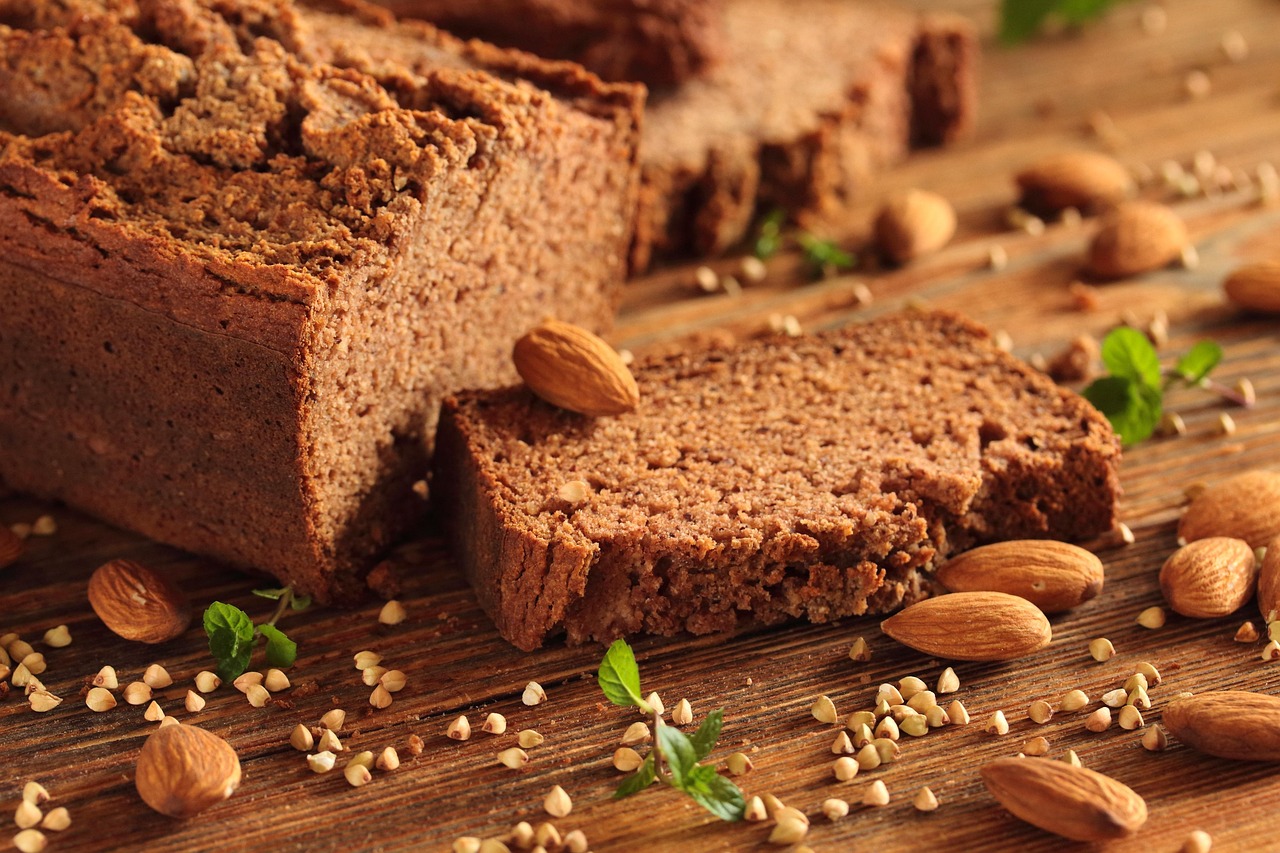
Welcome, aspiring bakers! Are you ready to dive into the wonderful world of homemade bread, even if you’re navigating the delicious journey of gluten-free and vegan eating? You’re in the right place! This Gluten Free Vegan Bread Recipe is designed specifically for you. Forget complicated techniques and intimidating jargon; we’re breaking down every step to make this one of the most easy baking recipes you’ll ever try.
With our comprehensive baking tips for beginners, you’ll soon be pulling a warm, aromatic loaf from your oven, ready to impress yourself and your loved ones. Get ready to transform simple ingredients into a truly satisfying, wholesome bread that’s perfect for sandwiches, toast, or just a delightful snack.
Ingredients You’ll Need
Gather your ingredients! Precision is key in baking, especially with gluten-free recipes, so make sure to measure everything accurately.
| Ingredient | Quantity | Unit |
|---|---|---|
| Warm Water (105-115°F / 40-46°C) | 1 ¾ | cups |
| Granulated Sugar (or maple syrup) | 2 | tablespoons |
| Active Dry Yeast | 2 ¼ | teaspoons (1 packet) |
| Gluten-Free All-Purpose Flour Blend (with xanthan gum, or add 1 tsp separately) | 3 | cups |
| Psyllium Husk Powder | ¼ | cup |
| Salt | 1 ½ | teaspoons |
| Olive Oil (or other neutral oil like avocado oil) | ¼ | cup |
| Apple Cider Vinegar | 1 | tablespoon |
Step-by-Step Instructions: Baking Your Vegan Gluten-Free Loaf
Follow these detailed steps carefully, and you’ll be on your way to a perfectly baked loaf. Don’t rush, and enjoy the process!
Step 1: Activate the Yeast (The “Proofing” Stage)
- In a large mixing bowl, combine the **warm water** (make sure it’s between 105-115°F, you can use a thermometer or test with your finger – it should feel comfortably warm, not hot).
- Stir in the **granulated sugar** until it dissolves. This provides food for the yeast.
- Sprinkle the **active dry yeast** over the sugar water. Give it a gentle stir.
- Let the mixture sit for 5-10 minutes. You should see a foamy layer form on top. This means your yeast is active and ready to work!
- Beginner Tip: If your yeast doesn’t foam, your water might have been too hot (killing the yeast) or too cold (not activating it), or your yeast might be old. It’s best to start over with fresh yeast and properly warmed water. This step is crucial for a good rise!
Step 2: Combine Dry Ingredients
- While your yeast is proofing, in a separate large bowl, whisk together the **gluten-free all-purpose flour blend**, **psyllium husk powder**, and **salt**.
- Why Psyllium Husk? This is a game-changer for gluten-free vegan bread! It acts as a binder, mimicking the elasticity of gluten and helping the bread hold its shape and texture. Don’t skip it!
- Flour Blend Note: Ensure your GF flour blend already contains xanthan gum, or add 1 teaspoon of xanthan gum to your dry ingredients if it doesn’t. Xanthan gum further helps with structure and preventing crumbliness.
Step 3: Mix Wet and Dry Ingredients
- Once your yeast is foamy, add the **olive oil** and **apple cider vinegar** to the yeast mixture. Stir gently.
- Gradually add the dry ingredients from Step 2 into the wet ingredients. You can do this in two or three additions, mixing well after each.
- Using a sturdy spoon or a stand mixer with a paddle attachment, mix thoroughly until a thick, sticky dough forms. Unlike traditional wheat dough, this dough will not be smooth and elastic; it will be quite wet and sticky.
- Common Mistake: Don’t try to knead this dough like wheat bread. Over-mixing isn’t a huge concern with GF vegan dough, but just ensure all ingredients are well combined and there are no dry pockets of flour. The texture will be more like a thick batter than a traditional dough.
Step 4: Prepare for the First Rise (Proofing)
- Grease a standard 9×5-inch loaf pan generously with olive oil or cooking spray. You can also line it with parchment paper for easy removal.
- Transfer the sticky dough into the prepared loaf pan.
- Using a wet spatula or wet hands, gently smooth the top of the dough. This helps create a nice crust later.
- Cover the loaf pan loosely with a clean kitchen towel or plastic wrap.
- Place the pan in a warm, draft-free spot for 60-90 minutes, or until the dough has noticeably risen, usually by about 50%. It won’t double in size like traditional bread, so manage your expectations!
- Beginner Tip: A warm spot could be inside a slightly warmed (but turned off!) oven, near a sunny window, or on top of a warm appliance. If your kitchen is cool, it might take longer.
Step 5: Preheat and Bake
- About 20 minutes before the end of the rising time, preheat your oven to 375°F (190°C).
- Once the dough has risen, carefully place the loaf pan into the preheated oven.
- Bake for 45-55 minutes, or until the crust is golden brown and the internal temperature reaches 200-210°F (93-99°C) when measured with an instant-read thermometer.
- Don’t Peek Too Early! Avoid opening the oven door frequently, especially in the first 30 minutes, as this can cause the bread to deflate.
- Alternative: For an extra crispy crust, you can place a shallow pan of water on the bottom rack of your oven during baking to create steam.
Step 6: Cool Down (Crucial Step!)
- Once baked, remove the loaf pan from the oven.
- Immediately transfer the bread from the pan to a wire cooling rack.
- Allow the bread to cool completely for at least 1-2 hours (or even longer if you can resist!). This is incredibly important for gluten-free bread, as it continues to set its structure and prevents a gummy texture. Cutting into it too soon will result in a crumbly, wet interior.
- Slice and enjoy your magnificent homemade **Gluten Free Vegan Bread Recipe**!
Tips & Tricks for Gluten-Free Vegan Bread Success
Baking gluten-free and vegan can be a bit different, but these tips will set you up for success!
- Measure Accurately: Use a kitchen scale for flour if possible, as cup measurements can vary. If not, spoon flour into your measuring cup and level it off with a straight edge. Never scoop directly from the bag.
- Water Temperature is Key: Invest in a kitchen thermometer if you don’t have one. Yeast is finicky; too hot and it dies, too cold and it won’t activate.
- Don’t Skimp on Psyllium Husk: This ingredient is vital for the texture and structure of gluten-free vegan bread. Do not substitute or omit it.
- Patience During Cooling: This cannot be stressed enough! Gluten-free bread needs time to cool and firm up. Resist the urge to slice it warm, or you’ll end up with a gummy, crumbly mess.
- Storage: Once completely cooled, store your bread in an airtight container at room temperature for 2-3 days, or slice and freeze for up to 3 months. Thaw slices as needed in a toaster or microwave.
- Oven Calibration: Ovens can vary. If your bread seems to be baking too fast or too slow, consider getting an oven thermometer to check your oven’s true temperature.
- Experiment with Toppings: Before baking, sprinkle the top of your loaf with seeds (sesame, poppy, sunflower) or oats for added texture and flavor.
Essential Baking Tools
Having the right tools makes baking a breeze! Here are some essentials you might find helpful:
- Mixing Bowl
- Whisk
- Baking Pan (9×5 inch loaf pan)
- Measuring Cups & Measuring Spoons
- Spatula (a sturdy silicone one is great for sticky dough)
- Kitchen Thermometer (for water and internal bread temperature)
- Wire Cooling Rack
Nutrition Information (Estimated per slice)
(Based on 12 slices per loaf)
| Nutrient | Per Slice |
|---|---|
| Calories | 180-200 |
| Carbohydrates | 30-35g |
| Protein | 3-5g |
| Fat | 4-6g |
| Fiber | 4-6g |
| Sugar | 1-2g |
*Nutritional values are estimates and may vary based on specific brands and ingredient variations.
Frequently Asked Questions (FAQs)
Q1: Can I use a different gluten-free flour blend?
A: Yes, but results may vary. Gluten-free flour blends differ significantly in their composition (rice flour, tapioca starch, potato starch, etc.). It’s best to use a blend that specifically states it’s for “all-purpose” or “bread” baking and ideally contains xanthan gum. If your blend doesn’t contain xanthan gum, add 1 teaspoon to the dry ingredients.
Q2: My bread didn’t rise much. What went wrong?
A: The most common reasons for a poor rise are inactive yeast (water too hot/cold, old yeast), or a cold proofing environment. Make sure your water temperature is perfect (105-115°F), your yeast is fresh, and your dough proofs in a warm, draft-free spot. Also, remember that gluten-free vegan bread won’t rise as dramatically as traditional wheat bread.
Q3: Why is my bread gummy or too moist inside?
A: This is usually due to cutting the bread before it has completely cooled. Gluten-free bread needs a significant amount of time (1-2 hours minimum, sometimes longer) to cool on a wire rack. During this time, the internal structure sets, and moisture continues to evaporate. Patience is key!
Q4: How should I store this bread?
A: Once fully cooled, store the bread in an airtight container or bag at room temperature for 2-3 days. For longer storage, slice the loaf and freeze the slices in a freezer-safe bag for up to 3 months. You can toast individual slices directly from frozen.
Q5: Can I add seeds or nuts to this recipe?
A: Absolutely! Feel free to fold in ¼ to ½ cup of your favorite seeds (like sunflower, pumpkin, or flax seeds) or chopped nuts into the dough during the mixing stage. You can also sprinkle some on top before baking for extra texture and flavor.
Ready to Enjoy Your Homemade Masterpiece?
Congratulations, baker! You’ve just created a delicious, wholesome loaf of Gluten Free Vegan Bread Recipe from scratch. There’s nothing quite like the smell and taste of freshly baked bread, especially when you know exactly what went into it. We hope this guide made the process enjoyable and stress-free. Don’t be afraid to experiment with different seeds or seasonings next time. Keep practicing, keep baking, and most importantly, keep enjoying the journey. Happy baking!