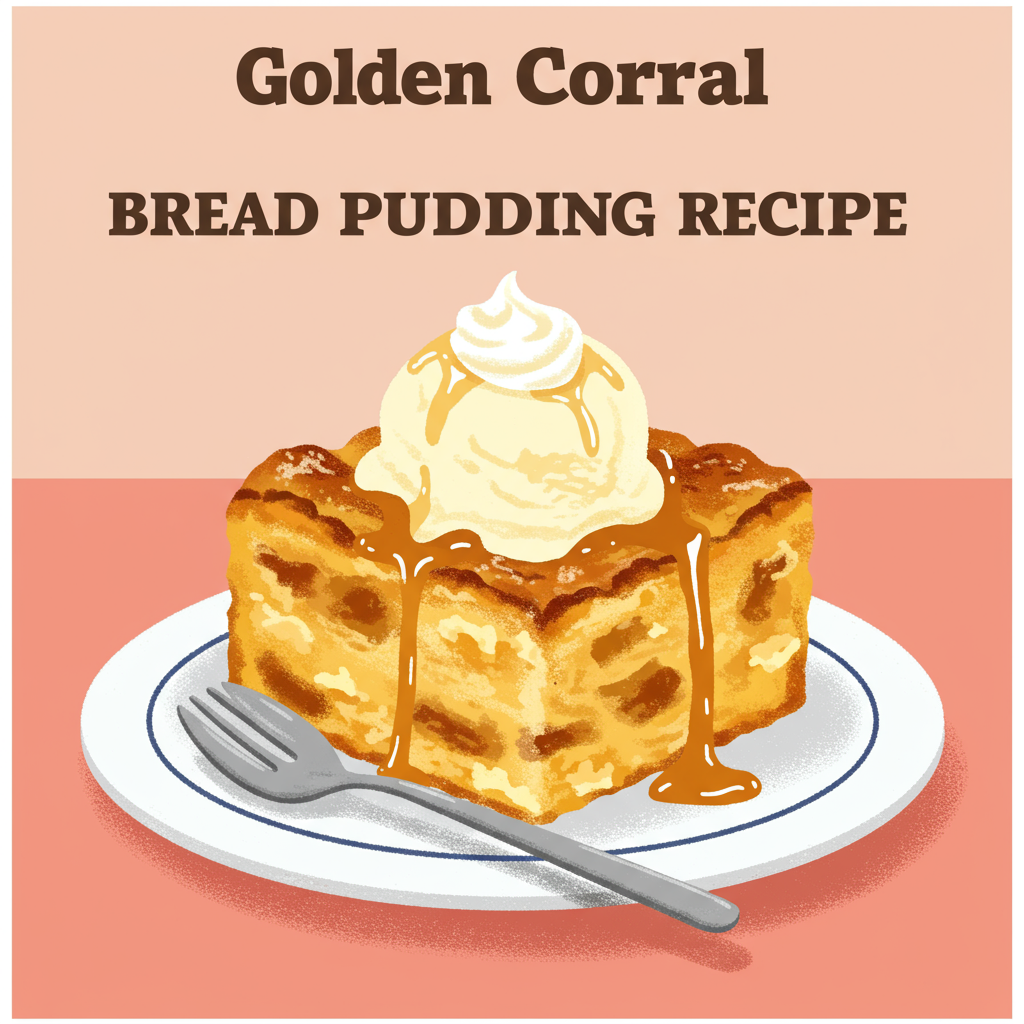
Golden Corral Bread Pudding: Your New Favorite Comfort Dessert!
The Ultimate Comfort: Our Golden Corral Bread Pudding Recipe!
There’s something incredibly comforting about a warm, custardy bread pudding, isn’t there? It’s a dessert that speaks of home, warmth, and delicious indulgence. If you’ve ever craved that classic, melt-in-your-mouth experience reminiscent of your favorite buffet, then you’re in the right place! This **Golden Corral Bread Pudding Recipe** is designed to bring that nostalgic flavor right into your kitchen, and guess what? It’s one of those wonderfully **easy baking recipes** that even absolute novices can master.
Forget complicated techniques or intimidating ingredients. We’re going to walk you through every single step, offering all the essential **baking tips for beginners** you’ll need to create a perfectly golden, delightfully moist bread pudding. Get ready to transform simple pantry staples into a dessert that will have everyone asking for seconds. Let’s tie on those aprons and get baking!
Gather Your Ingredients: What You’ll Need
Before we dive into the deliciousness, let’s make sure you have everything laid out. Using room temperature ingredients (especially eggs and milk) can help create a smoother, more consistent custard, so consider taking them out 30 minutes before you begin!
| Ingredient | Quantity | Unit |
|---|---|---|
| Stale Bread (e.g., challah, brioche, white bread, French bread) | 8 | cups (about 1 lb or 450g), cubed |
| Whole Milk | 3 | cups |
| Heavy Cream (or Half-and-Half) | 1/2 | cup |
| Large Eggs | 4 | |
| Granulated Sugar | 1 | cup |
| Unsalted Butter, melted | 1/4 | cup |
| Vanilla Extract | 2 | teaspoons |
| Ground Cinnamon | 1 | teaspoon |
| Pinch of Salt | 1/4 | teaspoon |
| Raisins (optional) | 1/2 | cup |
| Turbinado Sugar (for topping, optional) | 1 | tablespoon |
Step-by-Step Instructions: Baking Your Perfect Bread Pudding
Follow these detailed steps, and you’ll be enjoying a heavenly bread pudding in no time! Remember, baking is a journey, and every step is important.
Step 1: Prep Your Bread and Pan
- Cube the Bread: If your bread isn’t already cubed, tear or cut it into 1-inch pieces. The more irregular the shapes, the better for soaking up the custard.
- Stale is Key: For the best texture, your bread should be at least a day old, or even two. Stale bread absorbs the custard better without becoming mushy. If your bread is fresh, you can lightly toast the cubes in a 300°F (150°C) oven for 10-15 minutes until slightly dry, then let them cool.
- Grease Your Baking Dish: Lightly butter or spray a 9×9 inch (or 8×8 inch) baking dish. This prevents sticking and makes for easy cleanup.
- Arrange the Bread: Scatter the bread cubes evenly into the prepared baking dish. If using raisins, sprinkle them amongst the bread cubes now.
Step 2: Whisk Up the Custard Mixture
- Combine Wet Ingredients: In a large mixing bowl, whisk together the whole milk, heavy cream, large eggs, granulated sugar, melted butter, vanilla extract, ground cinnamon, and pinch of salt.
- Whisk Thoroughly: Whisk until the mixture is completely smooth and the sugar has dissolved. You shouldn’t see any streaks of egg yolk or undissolved sugar at the bottom. This ensures a uniform custard that sets beautifully.
Step 3: Soak and Rest
- Pour Over Bread: Carefully pour the custard mixture evenly over the bread cubes in the baking dish. Make sure all the bread gets a good soaking!
- Gentle Press: Gently press down on the bread with the back of a spoon or your clean hands to ensure all the pieces are submerged in the custard. This is crucial for a uniformly moist pudding and prevents dry spots.
- Let it Soak: Cover the baking dish with plastic wrap and let it sit at room temperature for at least 30 minutes. For an even richer, more tender pudding, you can refrigerate it for 2-4 hours, or even overnight. The longer it soaks, the better the bread absorbs the flavors.
Step 4: Bake to Golden Perfection
- Preheat Oven: Preheat your oven to 350°F (175°C). If you refrigerated your pudding, take it out about 15-20 minutes before baking to let it come closer to room temperature.
- Optional Topping: If desired, sprinkle a tablespoon of turbinado sugar over the top of the pudding just before baking. This will give it a lovely, slightly crunchy, golden crust.
- Bake: Place the baking dish in the preheated oven and bake for 45-60 minutes.
- Check for Doneness: The pudding is done when the edges are golden brown and puffed, and a knife or toothpick inserted into the center comes out mostly clean (a few moist crumbs are okay, but no raw batter). If the top starts to brown too quickly, you can loosely tent it with aluminum foil.
Step 5: Cool and Serve
- Cool Down: Once baked, remove the bread pudding from the oven and let it cool on a wire rack for at least 15-20 minutes before serving. This allows the custard to fully set and makes for easier scooping.
- Serve Warm: Bread pudding is best served warm! Enjoy it plain, or elevate it with a scoop of vanilla ice cream, a drizzle of caramel sauce, a dollop of whipped cream, or a classic bourbon sauce.
Tips & Tricks for Bread Pudding Success
Achieving the perfect bread pudding is easy with a few insider secrets. These **baking tips for beginners** will ensure your Golden Corral-style dessert turns out perfectly every time:
- Stale Bread is Non-Negotiable: This is the golden rule! Fresh bread will turn mushy. If you only have fresh, cube it and leave it out uncovered for several hours or lightly toast it as mentioned in the instructions.
- Don’t Skimp on Soaking Time: Giving the bread ample time to soak up the custard is key to a moist, tender interior. Rushing this step often leads to dry, unabsorbed spots.
- Room Temperature Ingredients: Eggs and milk at room temperature mix more smoothly and create a more uniform custard, preventing curdling and ensuring even baking.
- Customization is Fun: Feel free to experiment with add-ins! Chocolate chips, chopped nuts (pecans or walnuts), dried cranberries, or even a splash of rum or brandy in the custard can add wonderful variations.
- Prevent a Soggy Bottom: Ensure your bread is thoroughly soaked and that your oven is at the correct temperature. Undercooking is often the culprit for a soggy bottom.
- Serve Warm for Best Experience: While delicious cold, bread pudding truly shines when gently warmed. A quick zap in the microwave or a few minutes in a low oven will bring it back to life.
Essential Baking Tools
Having the right tools makes all the difference in your baking journey. Here are a few essentials for this recipe:
- Mixing Bowl
- Whisk
- Baking Pan (9×9 or 8×8 inch)
- Measuring Cups
- Spatula
Nutrition Information (Estimated Per Serving)
Please note: This is an approximate nutritional breakdown based on the ingredients used in an 8-serving recipe. Actual values may vary based on exact brands and quantities.
| Nutrient | Amount |
|---|---|
| Calories | 380 kcal |
| Total Carbohydrates | 52 g |
| Protein | 9 g |
| Total Fat | 16 g |
| Fiber | 1.5 g |
| Total Sugars | 32 g |
Frequently Asked Questions (FAQs)
Q1: Can I use fresh bread instead of stale bread?
While stale bread is highly recommended for its ability to absorb custard without turning mushy, you can use fresh bread if absolutely necessary. To do so, cube the fresh bread and spread it on a baking sheet. Bake at 300°F (150°C) for 10-15 minutes until it’s lightly toasted and dry, then let it cool completely before using.
Q2: How do I know when my bread pudding is fully cooked?
The bread pudding is done when the edges are set and golden brown, and the center is puffed. A knife inserted into the center should come out mostly clean. A little moistness is fine, but it shouldn’t be liquid. If it jiggles excessively in the middle, it needs more time.
Q3: Can I make this bread pudding ahead of time?
Absolutely! You can assemble the bread pudding (up to the point of baking) and refrigerate it, covered, for up to 24 hours. This allows the flavors to meld even more. Just remember to add about 10-15 minutes to the baking time if baking directly from the fridge.
Q4: My bread pudding turned out soggy. What went wrong?
A soggy bread pudding usually means one of two things: either your bread wasn’t stale enough (and couldn’t absorb the custard properly), or it was undercooked. Ensure your bread is stale, and always check for doneness by inserting a knife into the center.
Q5: What are some good additions or variations for this recipe?
This recipe is very versatile! You can add 1/2 cup of chocolate chips, chopped pecans or walnuts, dried cranberries, or even a tablespoon of orange zest to the bread cubes. For a boozy kick, add 1-2 tablespoons of bourbon or rum to the custard mixture.
Q6: How should I store leftover bread pudding?
Store any leftover bread pudding in an airtight container in the refrigerator for up to 3-4 days. You can reheat individual portions in the microwave or a low oven until warm.
Your Golden Corral Bread Pudding Awaits!
And there you have it! A truly delightful, incredibly easy, and wonderfully comforting **Golden Corral Bread Pudding Recipe** that’s perfect for any occasion. Whether you’re a seasoned baker or just starting your journey into **easy baking recipes**, this dish is a guaranteed crowd-pleaser. With our detailed instructions and helpful **baking tips for beginners**, you’re set up for success.
So go ahead, give it a try! Fill your home with the sweet, inviting aroma of freshly baked bread pudding. We promise, the smiles it brings to your table will be worth every moment. Happy baking, and don’t forget to share your creations with us!
“`