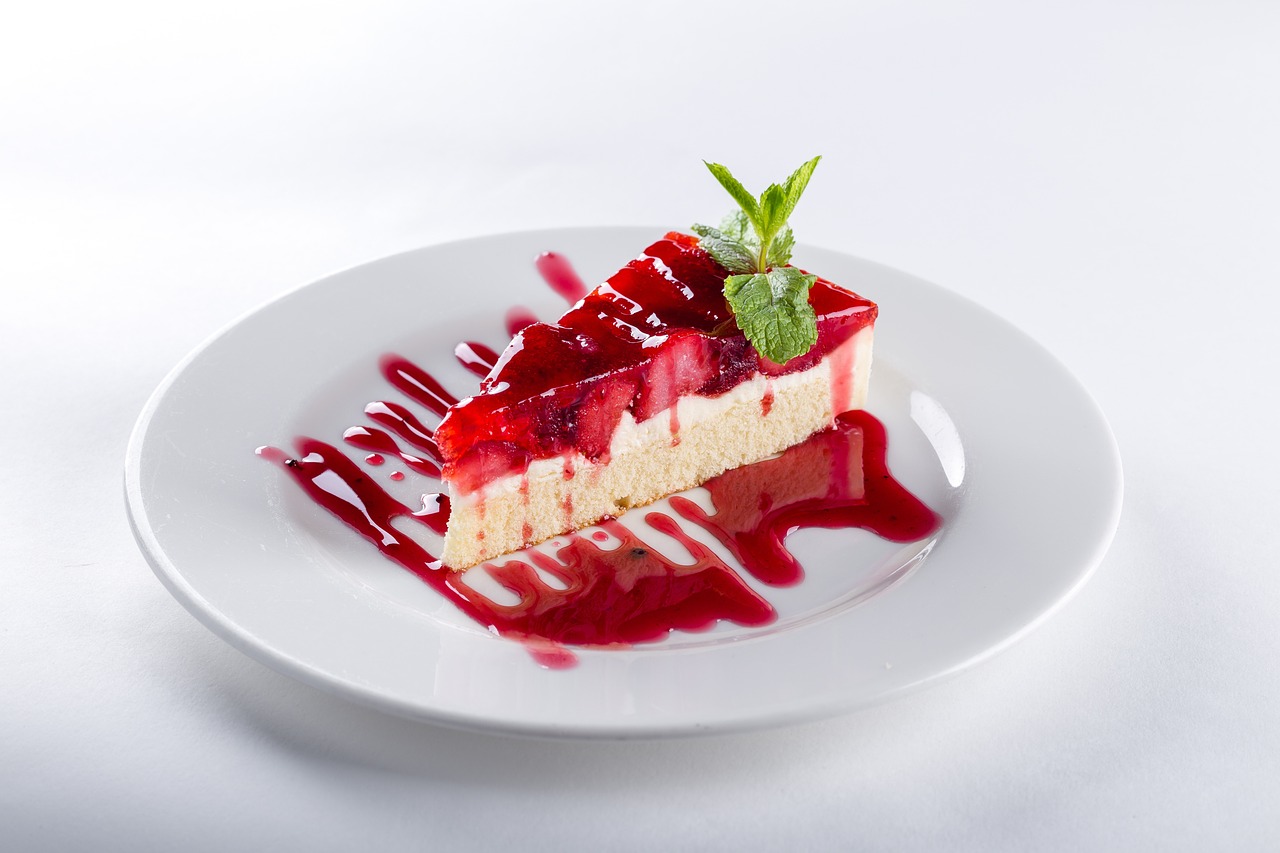
Welcome, aspiring bakers! Are you ready to create a dessert that tastes incredibly sophisticated but is surprisingly simple to master? You’ve come to the right place! This guide to Grand Marnier Cake Recipes is specifically designed for you, the beginner baker, who wants to impress with minimal fuss. Forget intimidation; we’re breaking down every step to ensure your success. This isn’t just another recipe; it’s a journey into the world of easy baking recipes where flavor meets simplicity. We’ll cover everything from precise measurements to crucial baking tips for beginners, ensuring your cake turns out moist, tender, and bursting with delightful orange liqueur notes. Get ready to bake a showstopper!
Ingredients List
Gathering your ingredients before you start is a key baking tip for beginners! Make sure your butter, eggs, and milk are at room temperature for the best results.
| Ingredient | Quantity | Unit |
|---|---|---|
| For the Cake | ||
| All-Purpose Flour | 2 | cups |
| Granulated Sugar | 1 ½ | cups |
| Unsalted Butter (room temperature) | 1 | cup (2 sticks) |
| Large Eggs (room temperature) | 4 | |
| Baking Powder | 2 | teaspoons |
| Salt | ½ | teaspoon |
| Whole Milk (room temperature) | ½ | cup |
| Vanilla Extract | 1 | teaspoon |
| For the Grand Marnier Syrup | ||
| Granulated Sugar | ¼ | cup |
| Water | ¼ | cup |
| Grand Marnier Liqueur | ¼ | cup |
| For the Grand Marnier Glaze | ||
| Powdered Sugar (confectioners’ sugar) | 1 ½ | cups |
| Grand Marnier Liqueur | 3-4 | tablespoons (adjust for consistency) |
| Orange Zest (optional, for extra flavor) | ½ | teaspoon |
Step-by-Step Instructions: Baking Your Grand Marnier Masterpiece
Follow these detailed steps carefully, and you’ll have a beautiful, delicious cake. Don’t rush, especially when you’re just starting out!
Step 1: Prepare Your Oven and Pan
- Preheat your oven: Set your oven to 350°F (175°C). It’s crucial for baking that your oven is at the correct temperature before the cake goes in. Use an oven thermometer if you have one to verify accuracy.
- Prepare your baking pan: Lightly grease an 8 or 9-inch round cake pan (or a 9×5 inch loaf pan for a loaf cake) with butter or baking spray. Then, dust it with a tablespoon of flour, tapping out any excess. For extra insurance against sticking, you can line the bottom with a circle of parchment paper. This simple step ensures your beautiful cake will come out of the pan easily.
Step 2: Combine Dry Ingredients
- In a medium bowl, whisk together the 2 cups of all-purpose flour, 2 teaspoons of baking powder, and ½ teaspoon of salt. Whisking dry ingredients thoroughly helps distribute the leavening agents evenly, preventing dense spots in your cake. Set this bowl aside for now.
Step 3: Cream Butter and Sugar
- In a large mixing bowl, using an electric mixer (stand mixer or hand mixer), beat the 1 cup of softened unsalted butter and 1 ½ cups of granulated sugar together on medium-high speed. Continue mixing until the mixture is light and fluffy, usually about 3-5 minutes. This process, known as “creaming,” incorporates air into the butter and sugar, which contributes to the cake’s light texture.
Step 4: Add Eggs
- Add the 4 large eggs, one at a time, to the butter-sugar mixture. Beat well after each addition, scraping down the sides of the bowl as needed. Adding eggs one at a time allows each egg to fully emulsify into the batter, creating a smoother, more stable mixture.
- Stir in the 1 teaspoon of vanilla extract.
Step 5: Alternate Dry and Wet Ingredients
- With the mixer on low speed, gradually add about one-third of the dry ingredient mixture to the wet ingredients. Mix until just combined.
- Pour in half of the ½ cup whole milk and mix until just combined.
- Repeat this process: add another third of the dry ingredients, then the remaining milk, and finally the last third of the dry ingredients. Mix only until just combined after each addition. The biggest mistake beginners make is overmixing the batter! Overmixing develops the gluten in the flour too much, leading to a tough, dry cake. A few small lumps are perfectly fine.
Step 6: Bake the Cake
- Pour the cake batter evenly into your prepared baking pan.
- Bake for 30-35 minutes (for an 8-inch round) or 35-45 minutes (for a 9-inch round/loaf pan), or until a wooden skewer or toothpick inserted into the center comes out clean. Every oven is different, so start checking at the earlier end of the baking time. If the top browns too quickly, you can loosely tent it with foil.
- Once baked, remove the cake from the oven and let it cool in the pan on a wire rack for 10-15 minutes. This allows the cake to firm up slightly before you attempt to remove it.
- After 10-15 minutes, carefully invert the cake onto the wire rack to cool completely.
Step 7: Prepare and Apply the Grand Marnier Syrup
- While the cake is cooling, prepare the syrup. In a small saucepan, combine ¼ cup granulated sugar and ¼ cup water. Heat over medium heat, stirring until the sugar is fully dissolved. Bring it to a gentle simmer, then remove from heat.
- Allow the sugar syrup to cool for a few minutes, then stir in the ¼ cup Grand Marnier liqueur. It’s important to add the liqueur *after* removing from heat to prevent the alcohol from evaporating too quickly.
- Once the cake has cooled for at least 30 minutes (it doesn’t need to be completely cold, just not piping hot), use a wooden skewer or toothpick to poke small holes all over the top surface of the cake.
- Slowly and evenly brush or pour the Grand Marnier syrup over the top of the cake, allowing it to soak in. This syrup will add incredible moisture and flavor.
Step 8: Make the Grand Marnier Glaze
- In a small bowl, whisk together the 1 ½ cups of powdered sugar and 3 tablespoons of Grand Marnier liqueur.
- Add more Grand Marnier, a teaspoon at a time, until you reach a smooth, pourable but still thick consistency. If you want, stir in ½ teaspoon of orange zest for an extra citrus kick.
Step 9: Glaze and Serve
- Once the cake is completely cool and the syrup has fully absorbed, drizzle or pour the Grand Marnier glaze over the top, letting it drip down the sides.
- Allow the glaze to set for about 15-20 minutes before slicing and serving. Enjoy your homemade **Grand Marnier Cake**!
Tips & Tricks for Baking Success
Here are some essential **baking tips for beginners** to ensure your Grand Marnier Cake (and all future baking endeavors!) turns out perfectly:
- Room Temperature Ingredients are Key: This is a non-negotiable tip! Cold butter, eggs, and milk don’t emulsify properly with other ingredients, leading to a lumpy batter and a denser cake. Room temperature ingredients blend smoothly, trapping more air for a lighter, fluffier texture.
- Measure Accurately: Baking is a science. Use proper measuring cups and spoons. For flour, spoon it into your measuring cup and level it off with a straight edge (like the back of a knife) – never pack it down. Liquids should be measured at eye level.
- Do NOT Overmix: We mentioned it in the instructions, but it’s worth repeating! Once you add flour, mix *just* until the ingredients are combined. Overmixing develops gluten, which makes cakes tough and chewy instead of tender and moist.
- Preheat Your Oven Properly: Always allow your oven to fully preheat. Opening the oven door too early or putting a cake into a cold oven can cause it to sink or bake unevenly. An oven thermometer can be a great investment.
- Patience During Cooling: Don’t rush to remove the cake from the pan or glaze it while it’s hot. Cooling in the pan for a bit allows it to firm up, preventing breakage. Glazing a hot cake will just result in a melted, runny mess.
- Flavor Variations: If you’re not a fan of Grand Marnier, you can substitute it in the syrup and glaze with orange juice for a non-alcoholic version, or another orange-flavored liqueur like Cointreau or Triple Sec.
- Storage: Store your Grand Marnier Cake in an airtight container at room temperature for up to 3 days, or in the refrigerator for up to 5 days.
Essential Baking Tools
Having the right tools makes baking much easier and more enjoyable. Here are a few essentials you’ll need for this recipe:
- Mixing Bowl
- Whisk
- Baking Pan (8 or 9-inch round, or 9×5 inch loaf pan)
- Measuring Cups
- Measuring Spoons
- Spatula (rubber or silicone)
- Electric Mixer (handheld or stand mixer)
- Small Saucepan
- Wire Rack
Nutrition Information (Estimated per slice, 1/12 of cake)
Please note: This is an estimated nutritional breakdown and can vary based on exact ingredients and portion size.
| Nutrient | Amount |
|---|---|
| Calories | ~380 kcal |
| Carbohydrates | ~55 g |
| Protein | ~5 g |
| Fat | ~18 g |
| Fiber | ~1 g |
| Sugar | ~38 g |
Frequently Asked Questions (FAQs)
Q1: Can I make this Grand Marnier Cake ahead of time?
A: Absolutely! This cake actually tastes even better the next day as the flavors have more time to meld. You can bake the cake, apply the syrup, and glaze it, then store it in an airtight container at room temperature for up to 2-3 days before serving.
Q2: What if I don’t have Grand Marnier? Can I substitute it?
A: Yes, you can! For a non-alcoholic version, you can use orange juice (freshly squeezed is best!) or orange extract mixed with a little water. If you want a similar alcoholic flavor, Cointreau or Triple Sec are excellent substitutes, as they are also orange-flavored liqueurs.
Q3: How do I know when my cake is perfectly baked?
A: The best way is the toothpick test! Insert a wooden skewer or toothpick into the very center of the cake. If it comes out clean or with just a few moist crumbs attached (no wet batter), your cake is done. If it comes out wet, bake for a few more minutes and test again.
Q4: Why did my cake sink in the middle?
A: This is a common issue for beginners! It can happen for several reasons: opening the oven door too early (before the cake is set), underbaking, using too much leavening agent (baking powder), or using ingredients that weren’t at room temperature. Ensure your oven temperature is accurate and resist the urge to peek during the first 2/3 of baking time.
Q5: Can I freeze this Grand Marnier Cake?
A: Yes, you can! For best results, freeze the cake *before* applying the glaze. Once the cake is completely cool and the syrup has absorbed, wrap it tightly in plastic wrap, then in aluminum foil. It can be frozen for up to 2-3 months. Thaw in the refrigerator overnight, then apply the glaze before serving.
Conclusion: Your Grand Marnier Cake Awaits!
Congratulations, you’ve reached the end of our Grand Marnier Cake Recipes guide! By following these detailed steps and beginner-friendly tips, you’re now equipped to bake a truly exquisite cake that will impress anyone who tastes it. Remember, baking is a wonderful journey of learning and discovery. Don’t be afraid to try new things, and always remember that even experienced bakers have their off days. The most important ingredient is always your enthusiasm!
So, tie on your apron, gather your ingredients, and get ready to fill your home with the delightful aroma of freshly baked cake. We can’t wait to hear about your baking success. Happy baking!