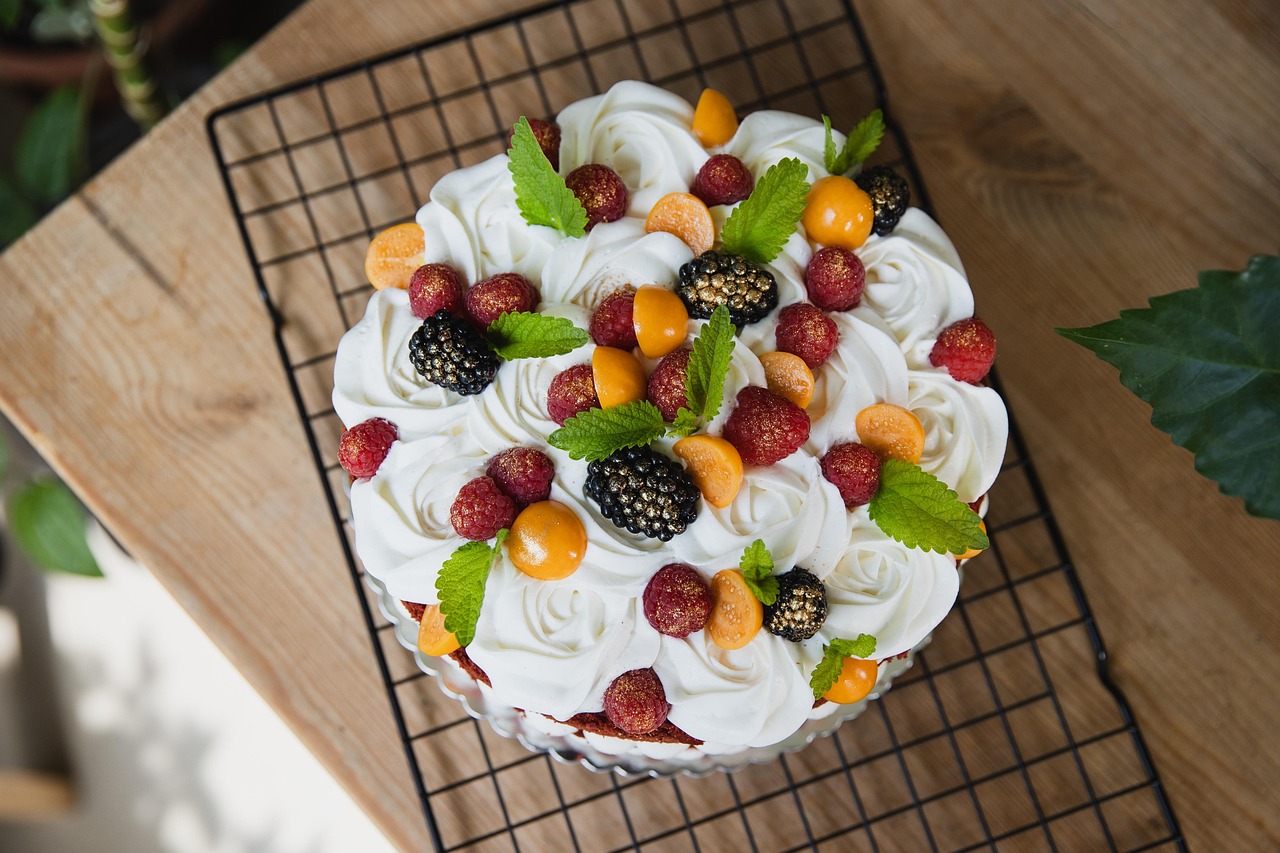
Ever find yourself torn between the rich indulgence of chocolate and the classic comfort of vanilla? We’ve all been there! Good news with this incredible Half Chocolate Half Vanilla Cake Recipe, you don’t have to choose. This recipe is designed specifically for beginners, making it one of the most delightful and easy baking recipes you’ll ever try. Whether you’re baking for a special occasion, a family gathering, or just because you crave a little bit of everything, this cake is a crowd-pleaser that looks as impressive as it tastes.
I know that diving into baking can sometimes feel intimidating, but I promise, this guide is packed with all the baking tips for beginners you’ll need to succeed. We’ll walk through each step together, from gathering your ingredients to that glorious moment when you take the first bite. Get ready to impress yourself and everyone around you with a cake that perfectly balances two beloved flavors!
Ingredients List
Before we begin our baking adventure, let’s gather all our ingredients. Make sure your butter and eggs are at room temperature – this is a small but mighty tip for a smooth batter!
For the Cake:
| Ingredient | Quantity | Unit |
|---|---|---|
| All-purpose flour | 2 ½ | cups |
| Granulated sugar | 1 ¾ | cups |
| Baking powder | 1 | tablespoon |
| Salt | ½ | teaspoon |
| Unsalted butter (room temperature) | 1 | cup (2 sticks) |
| Large eggs (room temperature) | 4 | |
| Vanilla extract | 2 | teaspoons |
| Whole milk (room temperature) | 1 | cup |
| Unsweetened cocoa powder | ½ | cup |
| Hot water or milk (for chocolate batter) | ¼ | cup |
For the Half Chocolate Half Vanilla Buttercream Frosting:
| Ingredient | Quantity | Unit |
|---|---|---|
| Unsalted butter (room temperature) | 1 ½ | cups (3 sticks) |
| Powdered sugar (confectioners’ sugar) | 6 | cups |
| Heavy cream or whole milk | ¼ – ½ | cup |
| Vanilla extract | 2 | teaspoons |
| Unsweetened cocoa powder | ½ | cup |
Step-by-Step Instructions: Your Path to Cake Perfection!
Let’s get baking! Follow these detailed steps for a beautifully balanced cake.
Step 1: Prepare Your Pans & Preheat Oven
- Preheat your oven to 350°F (175°C). This ensures your oven is consistently hot when the cake goes in, which is crucial for even baking.
- Grease and flour two 9-inch round baking pans. You can do this by rubbing a thin layer of butter or shortening all over the inside of the pans, then dusting with flour, tapping out the excess. For extra insurance, you can also line the bottoms with parchment paper circles. This step is vital to prevent your cake from sticking!
Step 2: Whisk Dry Ingredients
- In a medium bowl, whisk together the all-purpose flour, granulated sugar, baking powder, and salt. Whisking ensures all ingredients are evenly distributed and aerated, preventing lumps. Set aside.
Step 3: Cream Butter and Sugar
- In a large mixing bowl (or the bowl of a stand mixer fitted with the paddle attachment), beat the room temperature unsalted butter on medium speed for about 1-2 minutes until it’s light and creamy.
- Gradually add the granulated sugar to the butter, beating on medium-high speed for another 3-5 minutes. You want the mixture to become pale in color, light, and fluffy. This process incorporates air, giving your cake a tender texture. Make sure to scrape down the sides of the bowl occasionally to ensure everything is well combined.
Step 4: Add Eggs and Vanilla
- Add the large eggs, one at a time, beating well after each addition. Don’t rush this! Beat until each egg is fully incorporated before adding the next. This helps create a stable emulsion.
- Stir in the vanilla extract until just combined.
Step 5: Combine Wet and Dry Ingredients
- With the mixer on low speed, alternately add the dry ingredient mixture and the room temperature whole milk to the wet ingredients, beginning and ending with the dry ingredients.
- Start by adding about one-third of the dry ingredients, mix until just combined. Then add half of the milk, mix. Follow with another third of the dry ingredients, mix. Add the remaining milk, mix. Finish with the last third of the dry ingredients, mixing just until no streaks of flour remain. Be careful not to overmix! Overmixing develops gluten, leading to a tough, dry cake.
Step 6: Split the Batter for Half & Half Flavor
- Divide the batter evenly into two separate bowls. Each bowl should contain roughly half of the total batter.
- For the vanilla half: Leave one bowl as is. This is your pure vanilla batter!
- For the chocolate half: To the second bowl, add the ½ cup unsweetened cocoa powder and the ¼ cup hot water or milk. Gently fold these into the batter until just combined and smooth. The hot liquid helps the cocoa powder bloom, intensifying the chocolate flavor and ensuring the chocolate batter has a similar consistency to the vanilla. Again, do not overmix.
Step 7: Fill Pans and Bake
- Pour the vanilla batter into one prepared 9-inch pan and the chocolate batter into the other prepared 9-inch pan.
- Gently tap the pans on the counter a few times to release any large air bubbles.
- Bake for 28-35 minutes, or until a wooden skewer or toothpick inserted into the center of the cakes comes out clean. Baking times can vary, so start checking around 28 minutes.
Step 8: Cool the Cakes
- Once baked, remove the cakes from the oven and let them cool in their pans on a wire rack for about 10-15 minutes. This allows the cakes to firm up slightly before you handle them.
- After 10-15 minutes, carefully invert the cakes onto the wire rack to cool completely. It’s crucial that the cakes are completely cool before frosting, otherwise, your buttercream will melt! This can take 1-2 hours.
Step 9: Prepare the Half Chocolate Half Vanilla Buttercream Frosting
- In a large mixing bowl, beat the room temperature unsalted butter on medium speed for 2-3 minutes until light and fluffy.
- Gradually add the powdered sugar, one cup at a time, beating on low speed until combined, then increasing to medium-high. Scrape down the sides of the bowl as needed.
- Once all the sugar is incorporated, add the vanilla extract and 2 tablespoons of heavy cream or milk. Beat on medium-high speed for another 3-5 minutes, until the frosting is light, fluffy, and spreadable. If it’s too thick, add more cream/milk, one teaspoon at a time, until desired consistency is reached. If it’s too thin, add more powdered sugar.
- Divide the frosting evenly into two separate bowls.
- For the vanilla frosting: Leave one bowl as is.
- For the chocolate frosting: To the second bowl, add the ½ cup unsweetened cocoa powder. Mix on low speed until just combined, then beat on medium-high for 1-2 minutes until smooth and fluffy. If it seems too thick, add a tiny bit more milk (half a teaspoon at a time).
Step 10: Assemble and Frost Your Cake!
- Once your cakes are completely cool, you might want to level them if they have a dome. Use a serrated knife to carefully slice off any domed tops, creating a flat surface. This makes stacking easier and more stable.
- Place one cake layer (vanilla or chocolate, your choice!) on your serving plate or cake stand.
- Spread a layer of your chosen frosting (vanilla or chocolate, or even swirl them!) on top of the first cake layer.
- Carefully place the second cake layer on top.
- Now, for the fun part: frosting the outside! This is where you can get creative with your half-and-half design.
- Option A (Classic Half & Half): Frost one half of the cake (top and sides) with vanilla buttercream and the other half with chocolate buttercream. Use a small offset spatula or knife to create a clean line down the middle.
- Option B (Swirl/Marble): Apply dollops of both frostings to the top and sides, then use your spatula to gently swirl them together for a marbled effect.
- Option C (Separate Layers): Frost the entire cake with one flavor (e.g., vanilla), then pipe a border or design with the chocolate frosting.
- Chill the cake for at least 30 minutes before slicing to allow the frosting to set.
Tips & Tricks for Baking Success
Baking is a science, but it doesn’t have to be daunting! Here are some crucial tips to help you master this **Half Chocolate Half Vanilla Cake Recipe**:
- Room Temperature Ingredients are Key: This is probably the most important tip! Room temperature butter creams smoothly with sugar, incorporating more air for a lighter cake. Room temperature eggs emulsify better into the batter, preventing curdling. Take them out of the fridge at least 30-60 minutes before you start.
- Measure Accurately: Especially with flour, don’t scoop directly from the bag. Instead, spoon flour into your measuring cup and then level it off with a straight edge (like the back of a knife). Too much flour can lead to a dry, dense cake.
- Don’t Overmix: Once you add the dry ingredients to the wet, mix only until just combined. Overmixing develops gluten, which makes cakes tough and chewy instead of tender and moist.
- Grease and Flour Properly: A well-prepped pan ensures your beautiful cake releases easily. Don’t skip this step!
- Cool Cakes Completely: Patience is a virtue here! Frosting a warm cake is a recipe for disaster, as your buttercream will melt and slide right off.
- “Crumb Coat” for Clean Frosting: If you find crumbs getting into your final frosting layer, apply a very thin layer of frosting all over the cooled cake, then chill it for 15-20 minutes. This traps the crumbs, allowing you to apply a clean, final layer of frosting.
- Quality Ingredients Matter: While not always necessary, using good quality butter, vanilla extract, and cocoa powder can significantly enhance the flavor of your cake.
Essential Baking Tools
Having the right tools makes all the difference in your baking journey. Here are a few essentials:
- Mixing Bowl
- Whisk
- Baking Pan (two 9-inch round pans)
- Measuring Cups and Measuring Spoons
- Spatula (rubber spatula and offset spatula for frosting)
- Electric Mixer (handheld or stand mixer)
- Wire Cooling Rack
- Parchment Paper
Nutrition Info (Estimated per serving)
Please note: These are estimated nutritional values per serving for a cake with 12 servings and may vary based on specific ingredients and brands used.
| Nutrient | Amount |
|---|---|
| Calories | 410 kcal |
| Carbohydrates | 62g |
| Protein | 4g |
| Fat | 18g |
| Fiber | 1g |
| Sugar | 45g |
Frequently Asked Questions (FAQs)
- Q: My cake turned out dry. What went wrong?
- A: A dry cake is often a result of overmixing the batter, which develops too much gluten, or overbaking. Make sure to mix only until ingredients are just combined and check for doneness at the earliest recommended time.
- Q: Can I make this cake gluten-free?
- A: While this recipe uses all-purpose flour, you can often substitute it with a 1:1 gluten-free baking flour blend (one that contains xanthan gum). Results may vary slightly, but it’s worth a try!
- Q: How do I get a clean line when frosting the “half and half” design?
- A: Use a long, thin knife or an offset spatula to create a faint line down the middle of the cake first. Then, apply one flavor of frosting to one side, carefully using the line as your guide. Clean your spatula, then apply the second flavor to the other side. You can use parchment paper to create a barrier if you want a super crisp line, removing it before the frosting sets.
- Q: Can I prepare the cake layers ahead of time?
- A: Absolutely! Baked and completely cooled cake layers can be wrapped tightly in plastic wrap and stored at room temperature for up to 2 days, or frozen for up to 2-3 weeks. Thaw frozen layers in the refrigerator overnight before frosting.
- Q: My frosting is too stiff/too runny. How can I fix it?
- A: If your frosting is too stiff, add a tiny bit more milk or cream (half a teaspoon at a time) and beat until smooth. If it’s too runny, add more powdered sugar (a tablespoon at a time) and beat until it reaches the desired consistency. Temperature also plays a role, so ensure your butter was truly at room temperature.
You Did It! Enjoy Your Delicious Creation!
Congratulations, baker! You’ve successfully made a stunning and delicious Half Chocolate Half Vanilla Cake Recipe. This cake is not just a dessert; it’s a testament to your newfound baking skills and a perfect example of how enjoyable easy baking recipes can be. Whether you’re sharing it with loved ones or savoring a slice all to yourself, I hope every bite brings a smile to your face.
Don’t be afraid to experiment with different decorating styles or even try new flavor combinations next time. Baking is a journey of discovery, and with these **baking tips for beginners**, you’re well on your way to becoming a confident home baker. Enjoy your masterpiece, and happy baking!