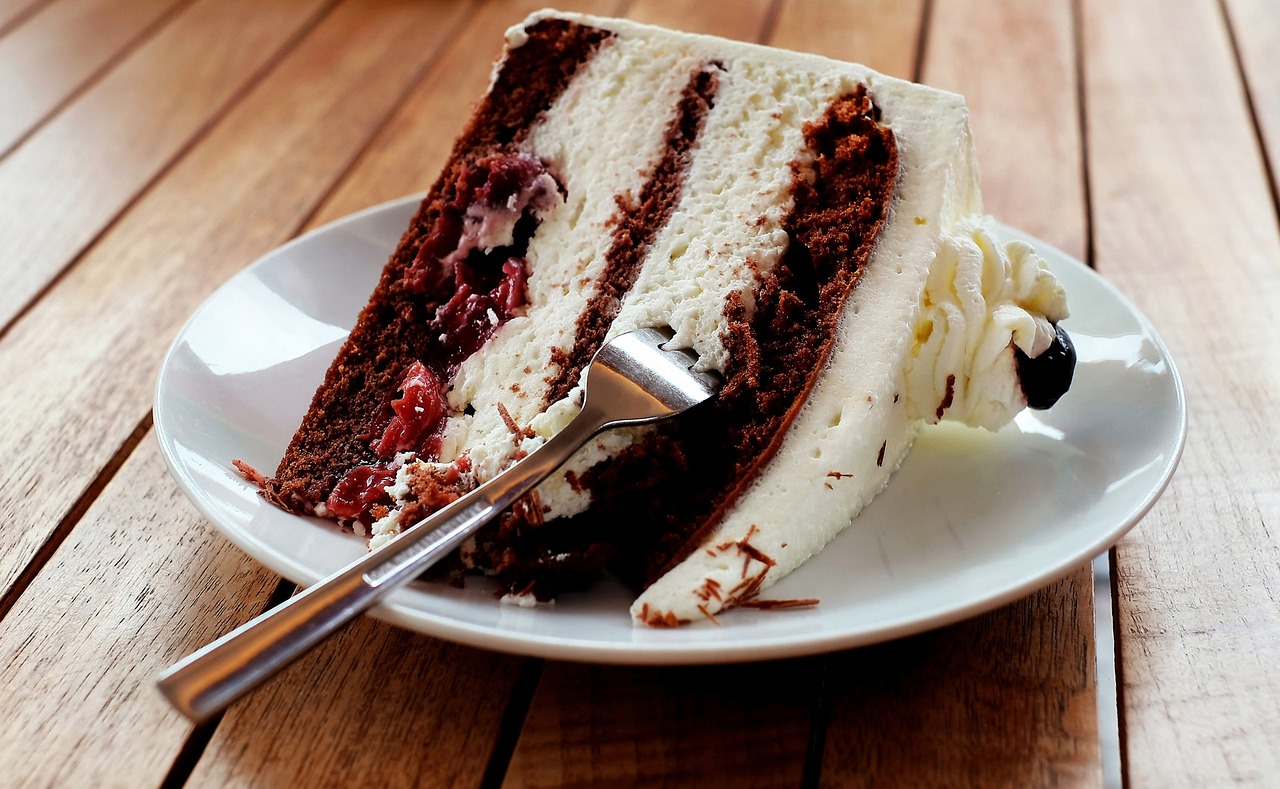
Hello, fellow food adventurers and aspiring bakers! Are you ready to dive into the comforting world of homemade breakfast? Today, we’re bringing a taste of the Philippines right into your kitchen with our incredible Hot Cake Pinoy Recipe. Forget complicated techniques and intimidating ingredients; this recipe is designed to be one of the most easy baking recipes you’ll ever try. Whether you’re a complete novice or just looking for reliable baking tips for beginners, you’ve come to the right place. These Filipino-style hot cakes are delightfully fluffy, subtly sweet, and incredibly versatile, perfect for a cozy weekend breakfast or a special treat any day of the week. Get ready to impress yourself and your loved ones with this simple yet satisfying dish!
Ingredients You’ll Need
Gathering your ingredients is the first step to a successful baking journey. Don’t worry, these are all pantry staples you likely already have!
| Ingredient | Quantity | Unit |
|---|---|---|
| All-Purpose Flour | 1 ½ | cups |
| Granulated Sugar | 2 | tablespoons |
| Baking Powder | 2 | teaspoons |
| Salt | ½ | teaspoon |
| Large Egg | 1 | |
| Whole Milk | 1 | cup |
| Vegetable Oil (or melted butter) | 2 | tablespoons |
| Vanilla Extract | 1 | teaspoon |
| Unsalted Butter (for griddle) | 1-2 | tablespoons |
Step-by-Step Instructions: Mastering Your Hot Cake Pinoy Recipe
Let’s get baking! Follow these detailed steps to ensure perfectly fluffy hot cakes every time. Remember, baking is a science, but it’s also a lot of fun!
Step 1: Prepare Your Workspace and Griddle
- Clear Your Counter: Before you start, make sure your kitchen counter is clean and clear. Having enough space makes the process much smoother.
- Gather Your Tools: Get all your measuring cups, spoons, bowls, and whisk ready. This is called “mise en place” and it’s a baker’s best friend!
- Preheat Your Griddle or Pan: Place a large non-stick griddle or a heavy-bottomed frying pan over medium-low heat. You want it to be consistently warm, not scorching hot. A good test is to sprinkle a few drops of water on the surface; if they sizzle and evaporate within a couple of seconds, it’s ready. If they just sit there, it’s too cold. If they instantly disappear, it’s too hot.
Step 2: Combine Dry Ingredients
- Measure Flour Correctly: In a large mixing bowl, add 1 ½ cups of all-purpose flour. For best results, use the “spoon and level” method: spoon flour into your measuring cup until it’s overflowing, then level it off with the straight edge of a knife. Do not pack the flour or scoop directly from the bag, as this can lead to too much flour and dense hot cakes.
- Add Remaining Dry Ingredients: To the flour, add 2 tablespoons of granulated sugar, 2 teaspoons of baking powder, and ½ teaspoon of salt.
- Whisk Thoroughly: Using a whisk, gently combine all the dry ingredients. Make sure there are no lumps of baking powder or clumps of sugar. This step ensures that the leavening agent (baking powder) is evenly distributed, giving you a consistent rise in every hot cake.
Step 3: Mix Wet Ingredients
- Crack the Egg: In a separate medium-sized bowl, crack one large egg.
- Add Liquids: Pour in 1 cup of whole milk, 2 tablespoons of vegetable oil (or melted butter for a richer flavor), and 1 teaspoon of vanilla extract.
- Whisk Until Combined: Whisk the wet ingredients together until they are well combined and the egg is fully incorporated.
Step 4: Combine Wet and Dry Mixtures (The Key to Fluffy Hot Cakes!)
- Pour Wet into Dry: Make a well in the center of your dry ingredients bowl. Pour the entire wet mixture into this well.
- Gently Mix: Using your whisk or a rubber spatula, gently mix the wet and dry ingredients together. Mix just until the flour is incorporated. It’s perfectly okay, and even desirable, to have a few small lumps in the batter. Do not overmix! Overmixing develops the gluten in the flour, leading to tough, chewy hot cakes instead of light and fluffy ones. A few lumps mean tender hot cakes!
Step 5: Rest the Batter (Don’t Skip This!)
- Let it Rest: Cover the bowl with a clean kitchen towel or plastic wrap and let the batter rest at room temperature for 10-15 minutes. This resting period is crucial! It allows the gluten to relax, the flour to fully absorb the liquid, and the baking powder to start working its magic, resulting in an even fluffier texture.
Step 6: Cook Your Hot Cakes
- Prepare the Griddle: Lightly grease your preheated griddle or pan with a small amount of unsalted butter (about ½ teaspoon per batch). You can use a paper towel to spread it evenly.
- Portion the Batter: Using a ¼ cup measuring cup or a ladle, pour the batter onto the griddle. Leave some space between each hot cake so they don’t stick together and you have room to flip them.
- Watch for Bubbles: Cook for 2-3 minutes on the first side, or until you see bubbles forming on the surface of the hot cakes and the edges look set and slightly dry.
- Flip Carefully: Using a thin spatula, gently slide it under each hot cake and flip it over. Cook for another 1-2 minutes on the second side, or until golden brown and cooked through.
- Repeat: Continue cooking the remaining batter, greasing the griddle lightly between batches if needed.
Step 7: Serve and Enjoy!
- Serve Immediately: Transfer the cooked hot cakes to plates. For an authentic Pinoy experience, spread a little margarine or butter on top and sprinkle with a generous amount of granulated sugar. A drizzle of condensed milk is also a popular choice! Of course, classic maple syrup, fresh fruits, or whipped cream are always delicious options too.
- Keep Warm (Optional): If you’re cooking for a crowd, you can keep finished hot cakes warm by placing them on a wire rack set over a baking sheet in an oven preheated to 200°F (93°C).
Tips & Tricks for Perfect Hot Cakes Every Time
These extra bits of advice will elevate your hot cake game from good to absolutely amazing!
- The Golden Rule: Don’t Overmix! We can’t stress this enough. Lumps are your friends. Overmixing develops gluten, making your hot cakes tough. Mix just until the wet and dry ingredients are combined.
- Embrace the Rest: Allowing the batter to rest for 10-15 minutes is a game-changer. It gives the baking powder time to activate and the flour to fully hydrate, leading to a much fluffier and more tender crumb.
- Consistent Heat is Key: Maintain a consistent medium-low heat on your griddle. Too hot, and the outside will burn before the inside cooks. Too low, and they’ll be pale and dry. Adjust as needed.
- Fresh Baking Powder: Baking powder loses its potency over time. If your hot cakes are consistently flat, check the expiration date on your baking powder or test it by mixing a teaspoon with a bit of hot water – it should vigorously fizz.
- Keep Them Warm: If you’re making a big batch, keep cooked hot cakes warm in a low oven (around 200°F / 93°C) on a wire rack while you finish cooking the rest. This prevents them from getting soggy.
- Flavor Variations: Feel free to experiment! Add a handful of chocolate chips, fresh berries, or a pinch of cinnamon or nutmeg to the batter for extra flavor.
- Authentic Pinoy Toppings: While maple syrup is great, try them the Filipino way: spread with a thin layer of margarine or butter, and then sprinkle with white granulated sugar. Or, for a richer treat, drizzle with condensed milk!
Essential Baking Tools
Having the right tools makes all the difference, especially when you’re starting out. Here are some essentials that will help you whip up these hot cakes and many other delicious treats:
- Mixing Bowl: You’ll need at least two – one for wet, one for dry.
- Whisk: Essential for combining ingredients smoothly.
- Baking Pan: While not strictly for hot cakes, a versatile pan is great for keeping them warm or for future baking projects!
- Measuring Cups: Accurate measurements are crucial in baking.
- Spatula: A good, thin spatula is key for easy flipping.
Nutrition Information (Estimated per serving of 2 hot cakes)
Here’s a general estimate of the nutritional content for two medium-sized hot cakes, without additional toppings. Please note that these values can vary based on exact ingredient brands and portion sizes.
| Nutrient | Amount |
|---|---|
| Calories | 280 kcal |
| Carbohydrates | 45 g |
| Protein | 7 g |
| Fat | 10 g |
| Fiber | 1.5 g |
| Sugar | 8 g |
Frequently Asked Questions (FAQs)
1. Why are my hot cakes flat and not fluffy?
There are a few common culprits! The most frequent reason is overmixing the batter, which develops the gluten and makes the hot cakes tough and flat. Another reason could be old or inactive baking powder. Make sure your baking powder is fresh! Also, not resting the batter can lead to less fluffy results.
2. Can I make the batter ahead of time?
You can, but with a slight caveat. While you can mix the dry and wet ingredients separately and store them in the fridge overnight, it’s best to combine them just before cooking. If you combine them too far in advance, the baking powder’s leavening power can diminish, leading to less fluffy hot cakes. If you must, combine, then cover and refrigerate for no more than 12 hours. Give it a gentle stir (don’t overmix!) before cooking.
3. What can I substitute for whole milk?
You can easily substitute whole milk with other dairy or non-dairy alternatives. Skim milk, almond milk, soy milk, or oat milk will all work. However, whole milk typically yields the richest flavor and most tender texture due to its fat content.
4. How do I know when to flip the hot cakes?
The best indicator is to watch for bubbles! When the surface of the hot cake is covered in small bubbles that start to pop, and the edges appear slightly dry and set, it’s usually time to flip. The underside should be golden brown.
5. What makes these “Pinoy” hot cakes?
While similar to American pancakes, Filipino hot cakes often have a slightly less sweet batter, allowing for toppings like margarine and a generous sprinkle of granulated sugar, or a drizzle of condensed milk, to shine. They are typically soft, airy, and a beloved breakfast or snack item, often enjoyed with coffee.
6. Can I add fruit or chocolate chips to the batter?
Absolutely! Adding mix-ins like blueberries, sliced bananas, or chocolate chips is a fantastic idea. For best results, gently fold them into the batter just before cooking. You can also sprinkle them directly onto the hot cakes once you’ve poured the batter onto the griddle, before flipping.
Ready to Enjoy Your Pinoy Hot Cakes?
And there you have it – your very own batch of delicious, fluffy Hot Cake Pinoy Recipe! We hope this detailed guide, packed with baking tips for beginners, has empowered you to create a truly delightful breakfast. Baking doesn’t have to be intimidating; it’s a journey of discovery and a wonderful way to bring joy to your home. So go ahead, treat yourself and your loved ones to these comforting hot cakes. Don’t forget to share your creations with us! Happy baking!