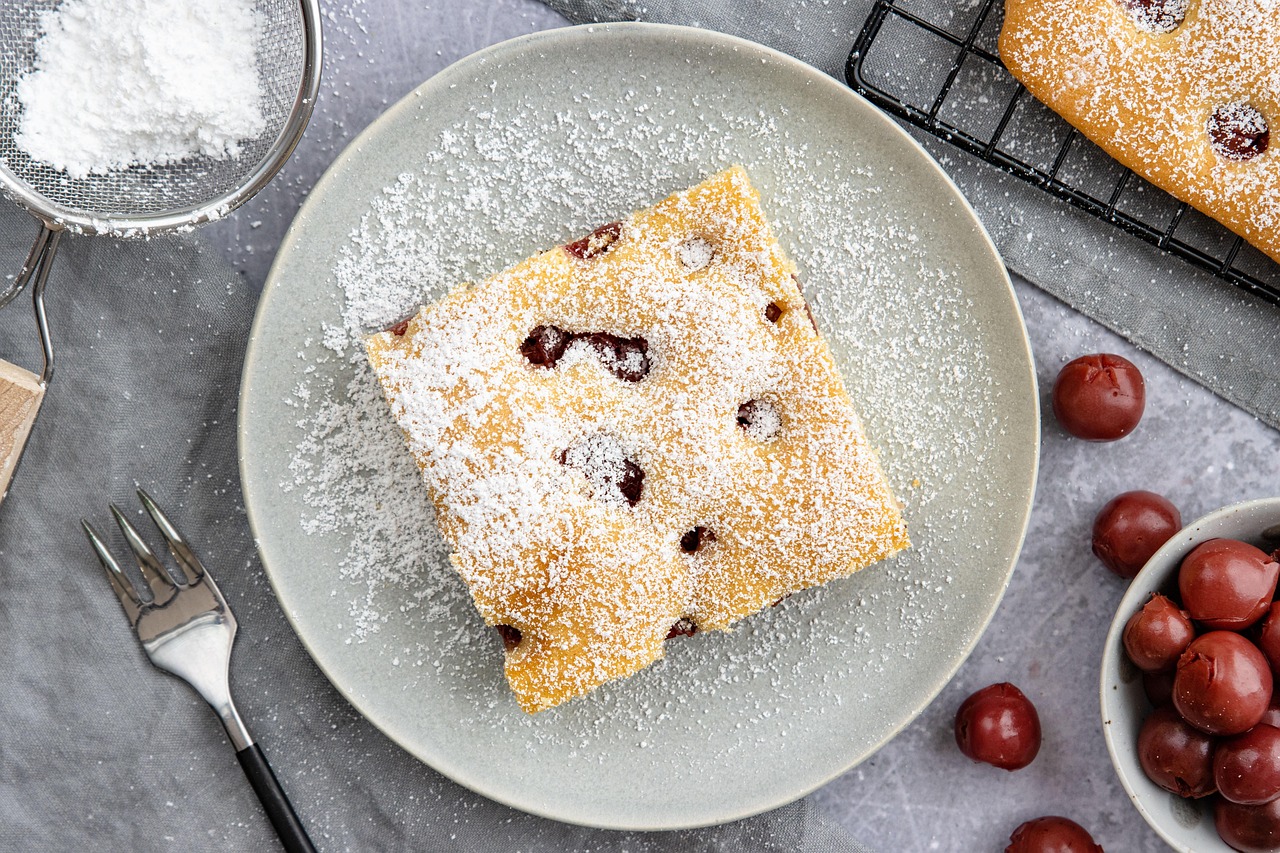
Welcome, aspiring bakers! Are you ready to dive into the delightful world of Filipino breakfast classics? Today, we’re making a beloved staple that’s perfect for any time of day: the Hot Cake Recipe Filipino style Forget complicated techniques; this recipe is designed to be one of the easy baking recipes you’ll ever try, even if you’re completely new to the kitchen. We’ll walk you through every single step, armed with practical baking tips for beginners to ensure your hot cakes turn out perfectly fluffy and golden every time. Get ready to impress yourself and your loved ones with this simple yet incredibly satisfying treat. Let’s get baking!
Gather Your Ingredients: What You’ll Need
Before we begin our culinary adventure, let’s make sure we have all our ingredients measured out and ready to go. This “mise en place” (everything in its place) approach is a fantastic habit for any beginner baker!
| Ingredient | Quantity | Unit |
|---|---|---|
| All-Purpose Flour | 1 ½ | cups |
| Granulated Sugar | 2 | tablespoons |
| Baking Powder | 1 | tablespoon |
| Salt | ½ | teaspoon |
| Large Egg | 1 | |
| Milk (whole or 2%) | 1 | cup |
| Melted Unsalted Butter (or vegetable oil) | 2 | tablespoons |
| Vanilla Extract (optional, but recommended) | ½ | teaspoon |
| Cooking Oil or Butter (for greasing pan) | as needed | |
| Toppings (Margarine/Butter, Sugar, Condensed Milk, Syrup) | as desired |
Your Journey to Fluffy Hot Cakes: Step-by-Step Guide
This is where the magic happens! Follow these detailed instructions carefully, and you’ll be enjoying delicious homemade hot cakes in no time. Don’t rush, and remember that baking is a journey, not a race!
Step 1: Prepare Your Workspace and Dry Ingredients
- Clear and Organize: Start by clearing your counter space. Gather all your ingredients and tools. This makes the process much smoother and less stressful!
- Measure Flour Accurately: In a large mixing bowl, gently spoon your all-purpose flour into your measuring cup, then level it off with the back of a knife. Do not scoop the flour directly with the measuring cup, as this can compact it and lead to using too much flour, resulting in dense hot cakes. This precision is a key baking tip for beginners!
- Add Dry Ingredients: To the flour, add the granulated sugar, baking powder, and salt.
- Whisk to Combine: Use a whisk to thoroughly combine these dry ingredients. Whisk for about 30 seconds to a minute. This step is important because it evenly distributes the baking powder, which is responsible for making your hot cakes rise and become fluffy. If it’s not well distributed, you might end up with flat spots or an uneven texture.
Step 2: Prepare the Wet Ingredients
- Crack the Egg: In a separate, medium-sized bowl, crack your large egg.
- Add Milk: Pour in the milk. For best results, use milk that’s at room temperature if possible, as it mixes more easily with other ingredients and can help create a more tender crumb. If it’s cold, don’t worry too much, but warming it slightly (e.g., 10-15 seconds in the microwave) can help.
- Melt the Butter: Melt your butter in a microwave-safe bowl or a small saucepan. Let it cool slightly for a minute or two before adding to the other wet ingredients. Adding very hot butter can “cook” the egg prematurely, which we want to avoid for a smooth batter. If using vegetable oil, simply measure it out.
- Combine Wet Ingredients: Add the slightly cooled melted butter (or oil) and the optional vanilla extract to the egg and milk mixture.
- Whisk Until Smooth: Whisk these wet ingredients together until they are well combined and the egg is fully incorporated. It should look like a uniform liquid with no visible streaks of egg yolk or white.
Step 3: Combine Wet and Dry Ingredients (The Crucial Step!)
- Create a Well: Make a small “well” or depression in the center of your dry ingredients mixture in the large bowl. This helps to prevent lumps when adding the wet ingredients.
- Pour in Wet Ingredients: Slowly pour the entire wet ingredient mixture into the well of the dry ingredients.
- Gentle Mixing is Key: Using your whisk or a rubber spatula, gently mix the wet and dry ingredients together. Start from the center and gradually incorporate the flour from the sides. Mix until just combined. What does “just combined” mean? It means mixing only until you no longer see streaks of dry flour. A few small lumps are perfectly fine and even desirable!
- DO NOT OVERMIX: This is arguably the most important tip for fluffy hot cakes. Overmixing develops the gluten in the flour, leading to tough, chewy, and flat hot cakes instead of light and airy ones. Stop mixing as soon as the flour is mostly incorporated. Resist the urge to whisk it perfectly smooth!
- Rest the Batter (Optional, but Recommended): For even fluffier hot cakes, let your batter rest for 5-10 minutes at room temperature. This allows the gluten to relax and the baking powder to activate, resulting in a lighter texture. While you wait, you can start preheating your pan!
Step 4: Cook Your Delicious Hot Cakes
- Preheat Your Pan: Place a non-stick frying pan or griddle over medium heat. It’s crucial to get the temperature right. You want it hot enough to cook the hot cake through but not so hot that it burns the outside before the inside is cooked.
- Test the Temperature: A good way to test if your pan is ready is to sprinkle a few drops of water on it. If they sizzle and evaporate quickly within a couple of seconds, it’s ready. If they just sit there, it’s not hot enough. If they immediately disappear with a burst of steam or smoke, it might be too hot – reduce the heat slightly and wait a moment.
- Lightly Grease the Pan: Lightly brush or wipe the pan with a little cooking oil or melted butter. You don’t need much, just enough to prevent sticking. Too much oil can make the hot cakes greasy and result in an uneven brown color.
- Pour the Batter: Using a ¼ cup or ⅓ cup measuring cup or a ladle, pour the batter onto the hot pan. For perfectly round hot cakes, pour the batter from a consistent height. Don’t overcrowd the pan; leave enough space between each hot cake for easy flipping (usually 2-3 hot cakes at a time).
- Watch for Bubbles: Cook for 2-3 minutes on the first side, or until you see bubbles forming on the surface of the hot cake, and the edges look set and slightly dry. The bottom should be golden brown. This is your cue to flip! If you try to flip too early, the hot cake might tear or splash batter.
- Flip and Cook Second Side: Gently slide a wide, thin spatula under the hot cake and quickly but carefully flip it over. Cook for another 1-2 minutes on the second side, or until golden brown and cooked through. You can gently press down on the center of the hot cake with your spatula; if it springs back, it’s likely done.
- Keep Warm: As you cook batches, you can keep the cooked hot cakes warm by placing them on a plate in a warm oven (around 200°F / 90°C) while you finish cooking the rest. This ensures everyone gets to enjoy warm, fresh hot cakes.
Step 5: Serve and Enjoy Your Filipino Hot Cakes!
- Traditional Filipino Toppings: In the Philippines, hot cakes are often served simply with a pat of margarine or butter and a sprinkle of granulated sugar, or a generous drizzle of condensed milk. This simple combination creates a wonderful balance of sweet and savory.
- Classic Toppings: Of course, you can also enjoy them with maple syrup, fresh fruit (like sliced bananas or mangoes!), whipped cream, chocolate sauce, or any of your favorite pancake toppings!
- Serve Immediately: Hot cakes are best enjoyed fresh off the griddle. Gather your family and friends and savor your delicious creation!
Pro Tips for Hot Cake Perfection
Even though this is an easy recipe, a few extra tips can elevate your hot cake game from good to absolutely phenomenal!
- Don’t Overmix, Seriously! We can’t stress this enough. Lumps are your friends when it comes to hot cake batter. Overmixing develops the gluten in the flour, leading to tough, chewy hot cakes. Mix just until the dry ingredients are moistened, even if there are a few small floury spots remaining.
- Batter Rest is Best: If you have 5-10 minutes, let your batter rest. This allows the flour to fully hydrate and the gluten to relax, resulting in a more tender and fluffier hot cake. It also gives the baking powder a head start, contributing to a better rise.
- Consistent Pan Temperature: Maintain a consistent medium heat. Too low, and your hot cakes will be pale and dry; too high, and they’ll burn before cooking through. Adjust as needed between batches, especially if your pan gets too hot or cools down.
- Grease Lightly: A very thin layer of oil or butter is all you need for each batch. Wipe off any excess with a paper towel. Too much grease can lead to hot cakes that absorb too much fat and become soggy, or have an unappealing lacy pattern.
- Use a Ladle or Scoop: For uniform hot cakes, use a measuring cup (like a ¼ or ⅓ cup) or an ice cream scoop to portion your batter. This ensures they cook evenly and look professional, making your breakfast spread picture-perfect.
- Fresh Baking Powder: Baking powder loses its potency over time. If your baking powder is old, your hot cakes won’t rise properly. Test it by adding a teaspoon to a cup of hot water; it should fizz vigorously. If it doesn’t, it’s time for a new can!
- Make it Your Own: Feel free to add chocolate chips, blueberries, sliced bananas, or even a sprinkle of cinnamon to your batter for extra flavor and texture! Add these mix-ins gently during the last few stirs of the batter.
Your Kitchen Arsenal: Essential Tools
Having the right tools makes baking a breeze. Here are some essentials you’ll need for this recipe, with links to help you find them easily:
- Mixing Bowl (at least two: one large for dry, one medium for wet)
- Whisk (a balloon whisk is great for batter)
- Non-Stick Frying Pan or Griddle (essential for easy flipping)
- Measuring Cups (for both dry and liquid ingredients)
- Measuring Spoons (for smaller quantities like baking powder and salt)
- Spatula (a wide, thin, flexible spatula is best for flipping hot cakes)
Nutrition at a Glance (Per Serving – approx. 2 hot cakes)
Please note: These are estimated nutritional values and can vary based on exact ingredients and portion sizes. Toppings are not included in these estimates.
| Nutrient | Amount |
|---|---|
| Calories | 200-250 kcal |
| Carbohydrates | 35-40 g |
| Protein | 6-8 g |
| Fat | 8-10 g |
| Fiber | 1-2 g |
| Sugar | 5-7 g |
Your Hot Cake Questions Answered!
Q1: Can I make the hot cake batter ahead of time?
A: While it’s generally best to cook hot cakes with freshly mixed batter for optimal fluffiness, you can prepare the dry ingredients and wet ingredients separately and store them in airtight containers in the fridge for up to 24 hours. Combine them just before cooking. If you mix the entire batter ahead, the baking powder might lose some of its leavening power, resulting in slightly flatter hot cakes, but they will still be delicious!
Q2: Why are my hot cakes flat and not fluffy?
A: There are a few common culprits! The most likely reason is **overmixing the batter**, which develops the gluten too much. Another reason could be old or inactive baking powder. Ensure your baking powder is fresh by testing it. Also, make sure your pan isn’t too hot, as this can cook the outside too quickly before the inside has a chance to rise.
Q3: What can I use if I don’t have milk?
A: You can substitute milk with various alternatives! Buttermilk (reduce baking powder slightly, or use baking soda instead), almond milk, soy milk, or oat milk all work well. For a richer flavor, you could even use half-and-half or light cream, but you might need to thin it slightly with water if the batter becomes too thick.
Q4: How do I store leftover hot cakes?
A: Leftover hot cakes can be stored in an airtight container in the refrigerator for 2-3 days. To reheat, you can use a toaster (for crispier edges), microwave (for softness), or warm them gently in a pan. They also freeze beautifully! Place them in a single layer on a baking sheet to freeze, then transfer to a freezer-safe bag for up to 1-2 months. Reheat from frozen in a toaster or oven.
Q5: My hot cakes are burning on the outside but raw in the middle. What am I doing wrong?
A: This usually means your pan is **too hot!** Reduce the heat to medium or medium-low. The hot cakes need time to cook through evenly. If the heat is too high, the outside will brown quickly before the interior has a chance to cook completely. A consistent, moderate heat is key for golden-brown, cooked-through hot cakes.
Q6: Can I make this recipe gluten-free?
A: Yes, you can! Simply substitute the all-purpose flour with a 1:1 gluten-free flour blend. Make sure your blend contains xanthan gum, or add about ½ teaspoon per cup of flour to help with texture and binding.
Your Hot Cake Adventure Awaits!
Congratulations, you’ve just mastered the art of making delicious Filipino Hot Cakes! We hope this detailed guide has given you the confidence and skills to whip up this delightful breakfast treat whenever the craving strikes. Remember, practice makes perfect, and every batch you make will get even better. Don’t be afraid to experiment with toppings and make this recipe truly your own.
We’d love to see your hot cake creations! Share your pictures and experiences in the comments below. Happy baking, and enjoy your fluffy, golden hot cakes!