Welcome, aspiring bakers! Are you ready to dive into the comforting world of baking with a recipe that’s as timeless as it is delicious? Today, we’re going to tackle the beloved Indian Head Corn Bread Recipe. Don’t let baking intimidate you; this recipe is designed to be one of the most straightforward and satisfying easy baking recipes you’ll ever try.
Whether you’re a complete novice or just looking for reliable baking tips for beginners, you’ve come to the right place. Get ready to fill your kitchen with the warm, inviting aroma of freshly baked cornbread – a perfect side for chili, stews, or simply enjoyed with a pat of butter and a drizzle of honey. Let’s get baking!
Ingredients List
Gather your ingredients! Having everything measured and ready before you start is a game-changer, especially for beginners. This is often called “mise en place” in culinary terms – everything in its place!
| Quantity | Unit | Ingredient |
|---|---|---|
| 1 | cup | Yellow Cornmeal (fine or medium grind) |
| 1 | cup | All-Purpose Flour |
| 1/4 | cup | Granulated Sugar (adjust to your sweetness preference) |
| 1 | tablespoon | Baking Powder |
| 1/2 | teaspoon | Salt |
| 1 | large | Egg |
| 1 | cup | Whole Milk (or buttermilk for a tangier flavor) |
| 1/4 | cup | Unsalted Butter, melted (plus extra for greasing the pan) |
Step-by-Step Instructions
Follow these detailed steps carefully, and you’ll have a perfect loaf of cornbread in no time. We’ll include plenty of beginner-friendly tips along the way!
Step 1: Preheat and Prepare Your Pan
Before you even think about mixing, let’s get the oven and pan ready. This is crucial for an even bake.
- Preheat your oven to 400°F (200°C). A hot oven helps the cornbread rise quickly and evenly.
- Prepare your baking pan: You can use an 8×8 inch square baking pan, a 9-inch round cake pan, or for a truly authentic touch, a 10-inch cast iron skillet.
- Grease the pan generously: Melt about 1 tablespoon of butter (or use vegetable oil) and coat the bottom and sides of your chosen pan. For a cast iron skillet, you can even place the greased skillet in the preheating oven for 5-10 minutes. A hot pan helps create a wonderfully crispy crust!
Step 2: Combine Dry Ingredients
This is where our foundation begins. Accuracy in measuring dry ingredients is key!
- In a large mixing bowl, combine the yellow cornmeal, all-purpose flour, granulated sugar, baking powder, and salt.
- Beginner Tip: When measuring flour, spoon it lightly into your measuring cup and then level it off with a straight edge (like the back of a knife). Don’t scoop directly from the bag, as this can compact the flour and lead to a dry, dense cornbread.
- Use a whisk to thoroughly combine these dry ingredients. Make sure there are no lumps and everything is evenly distributed. This ensures that the leavening agents (baking powder) are spread throughout, giving your cornbread a consistent rise.
Step 3: Mix Wet Ingredients
Now for the liquid components that bring our cornbread to life!
- In a separate medium-sized bowl, lightly whisk the large egg.
- Add the whole milk (or buttermilk, if you’re using it) and the melted unsalted butter to the egg.
- Whisk these wet ingredients together until they are well combined.
- Beginner Tip: Ensure your melted butter isn’t too hot when you add it to the egg mixture, as it can start to cook the egg! Let it cool for a minute or two after melting. Using room temperature milk and egg can also help ingredients combine more smoothly.
Step 4: Combine Wet and Dry Mixtures
This is a critical step where technique matters to avoid tough cornbread.
- Pour the wet ingredients mixture into the bowl with the dry ingredients.
- Using a spatula or a wooden spoon, gently fold the ingredients together until just combined.
- Crucial Beginner Tip: Do NOT overmix! Overmixing develops the gluten in the flour, which can lead to a tough, rubbery cornbread instead of a tender, crumbly one. It’s okay if there are a few small lumps of flour – these will disappear during baking. Stop mixing as soon as you no longer see streaks of dry flour.
Step 5: Pour and Bake
Almost there! Time to get that delicious batter into the oven.
- Pour the cornbread batter into your prepared, greased baking pan. Spread it evenly with your spatula if needed.
- Carefully transfer the pan to your preheated oven.
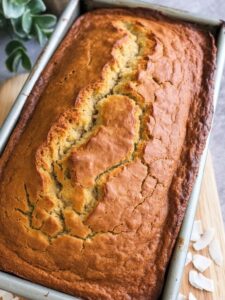
- Bake for 20-25 minutes, or until the top is golden brown and a wooden skewer or toothpick inserted into the center comes out clean.
- Common Mistake & Alternative: If your cornbread looks done on the outside but is still gooey in the middle, it might be due to oven temperature inconsistencies or too much moisture. Try baking for an additional 5-7 minutes, checking frequently. Every oven is different, so baking times are always a guideline.
Step 6: Cool and Serve
Patience is a virtue, especially when it comes to baked goods!
- Once baked, remove the cornbread from the oven.
- Let it cool in the pan on a wire rack for at least 10-15 minutes before slicing and serving. This allows the cornbread to set and prevents it from crumbling.
- Serving Suggestions: Enjoy your warm Indian Head Corn Bread with a slather of butter, a drizzle of honey, or alongside your favorite chili, stew, or barbecue. It’s also delicious with a sprinkle of cheese or finely diced jalapeños added to the batter before baking for a savory kick!
Tips & Tricks for Perfect Corn Bread Every Time
Elevate your cornbread game with these insider tips, perfect for beginners and seasoned bakers alike:
- Don’t Overmix! We’ve said it before, but it bears repeating. Overmixing is the number one culprit for tough cornbread. Mix until just combined.
- Use Room Temperature Ingredients: Eggs and milk at room temperature combine more easily and create a smoother batter, leading to a more tender crumb.
- Hot Skillet for Crispy Edges: If using a cast iron skillet, preheating it in the oven while it warms up creates an incredibly crispy, golden-brown crust on your cornbread – a true delight!
- Check for Doneness: The toothpick test is your best friend. Insert a wooden skewer or toothpick into the center; if it comes out clean (no wet batter), your cornbread is done. A few moist crumbs are acceptable.
- Adjust Sweetness: The 1/4 cup of sugar gives a moderately sweet cornbread. If you prefer it less sweet, reduce to 2 tablespoons, or for a traditional Southern-style, unsweetened version, omit it entirely.
- Storage: Store leftover cornbread at room temperature in an airtight container for up to 2-3 days, or in the refrigerator for up to 5 days. You can also freeze individual slices for up to 3 months; thaw and reheat gently.
- Variations: Feel free to experiment! Add 1/2 cup of shredded cheddar cheese, 1/4 cup of finely diced jalapeños (or canned green chilies), or even a handful of cooked corn kernels to the batter before baking for different flavor profiles.
Essential Baking Tools
Having the right tools makes baking much easier and more enjoyable. Here are a few essentials you’ll want in your kitchen:
- Mixing Bowl
- Whisk
- Baking Pan (8×8 inch square, 9-inch round, or a 10-inch cast iron skillet)
- Measuring Cups
- Spatula
Nutrition Information (Estimated per serving, 8 servings)
Here’s an approximate nutritional breakdown for a single serving of this cornbread. Please note that these are estimates and can vary based on specific ingredients and preparation methods.
| Nutrient | Amount |
|---|---|
| Calories | 280 kcal |
| Carbohydrates | 42g |
| Protein | 6g |
| Fat | 10g |
| Fiber | 2g |
| Sugar | 12g |
Frequently Asked Questions (FAQs)
1. Can I use self-rising cornmeal or self-rising flour?
If you use self-rising cornmeal or self-rising flour, you will need to adjust the baking powder and salt in the recipe. Self-rising varieties already contain leavening agents and salt. To avoid over-leavening or making it too salty, it’s generally best for beginners to stick to plain cornmeal and all-purpose flour as specified, then add the baking powder and salt separately.
2. My cornbread turned out dry. What went wrong?
Dry cornbread is usually a result of overbaking or overmixing. Overbaking removes too much moisture, while overmixing develops gluten, which makes the cornbread tough and dry. Ensure you’re only baking until a toothpick comes out clean, and mix the batter just until the dry ingredients are incorporated.
3. Can I make this Indian Head Corn Bread savory instead of sweet?
Absolutely! To make a savory cornbread, simply reduce or omit the granulated sugar. You can also enhance the savory flavor by adding ingredients like shredded cheddar cheese, diced jalapeños, cooked corn kernels, or even a sprinkle of chopped chives or green onions to the batter before baking.
4. How do I store leftover cornbread?
Leftover cornbread should be stored in an airtight container at room temperature for up to 2-3 days. For longer storage, you can refrigerate it for up to 5 days. For best freshness, warm it slightly in a toaster oven or microwave before serving.
5. What’s the best way to tell if my cornbread is done baking?
The most reliable method is the toothpick test. Insert a wooden skewer or toothpick into the center of the cornbread. If it comes out clean (without any wet batter clinging to it), your cornbread is done. A few moist crumbs are okay. Also, look for a golden-brown top and edges that pull slightly away from the pan.
6. Can I substitute butter with oil?
Yes, you can! If you prefer, you can substitute the melted butter with an equal amount of vegetable oil, canola oil, or another neutral-flavored oil. Butter often adds a richer flavor, but oil will still result in a moist cornbread.
Conclusion
Congratulations, baker! You’ve just created a delicious batch of Indian Head Corn Bread, a true American classic. We hope this detailed guide has made your baking journey enjoyable and successful. Remember, every baking attempt is a step towards mastery, and even experienced bakers have their off days. Don’t be afraid to experiment with flavors or try different serving styles. Share your creations, enjoy the fruits of your labor, and most importantly, have fun in the kitchen!