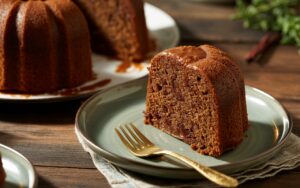
Welcome, aspiring bakers! Are you ready to dive into the delightful world of baking with a recipe that’s as impressive as it is achievable? Our Individual Rum Cake Recipe is designed specifically for you, the beginner baker looking for an easy baking recipe that yields truly spectacular results. Forget complicated techniques; we’re breaking down every step to ensure your success. This post is packed with essential baking tips for beginners, making sure your first foray into rum cake is a resounding triumph. Imagine tender, moist mini cakes, infused with a warm, buttery rum glaze perfect for parties, gifting, or simply treating yourself. Let’s get baking!
Ingredients List
Gather your ingredients! For the best results, ensure your cold ingredients like butter, eggs, and milk are at room temperature before you start. This helps them combine smoothly, creating a more uniform batter and a lighter, fluffier cake texture.
For the Individual Rum Cakes:
| Quantity | Unit | Ingredient |
|---|---|---|
| 1 ½ | cups | All-Purpose Flour |
| 1 ½ | teaspoons | Baking Powder |
| ¼ | teaspoon | Salt |
| ½ | cup | Unsalted Butter, softened |
| 1 | cup | Granulated Sugar |
| 2 | large | Eggs, room temperature |
| ½ | cup | Whole Milk, room temperature |
| 1 | teaspoon | Vanilla Extract |
For the Rum Glaze/Syrup:
| Quantity | Unit | Ingredient |
|---|---|---|
| ½ | cup | Granulated Sugar |
| ¼ | cup | Water |
| ¼ | cup | Dark Rum (e.g., Myers’s, Bacardi Black) |
| 2 | tablespoons | Unsalted Butter |
| ½ | teaspoon | Vanilla Extract (optional, but recommended) |
Step-by-Step Instructions
Follow these detailed steps carefully, and you’ll be enjoying your homemade rum cakes in no time! Remember, baking is all about precision and patience.
Step 1: Prepare Your Workspace and Oven
- Preheat your oven: Set your oven to 350°F (175°C). It’s crucial for the oven to be at the correct temperature before you put your cakes in, as this affects how they rise.
- Prepare your baking pan: Grease and flour a 12-cup muffin tin or mini bundt pan. Use a non-stick cooking spray, then dust with a little flour, tapping out any excess. This ensures your cakes won’t stick and will release easily.Beginner Tip: A common mistake is not greasing and flouring thoroughly, leading to stuck cakes. Don’t skip this step! For mini bundt pans, pay extra attention to all the nooks and crannies.
Step 2: Mix the Dry Ingredients
- In a medium bowl, whisk together the all-purpose flour, baking powder, and salt. Whisking ensures these dry ingredients are evenly distributed, which is important for the cake’s texture and rise. Set aside.
Step 3: Cream the Butter and Sugar
- In a large bowl, using an electric mixer (handheld or stand mixer with paddle attachment), cream together the softened unsalted butter and granulated sugar on medium speed. Beat for about 2-3 minutes until the mixture is light in color and fluffy. This process incorporates air, which is key for a tender cake.Beginner Tip: If your butter isn’t soft enough, it won’t cream properly. You should be able to press a finger into it easily, but it shouldn’t be melted.
Step 4: Add Eggs and Vanilla
- Beat in the eggs one at a time, mixing well after each addition. Make sure each egg is fully incorporated before adding the next. Then, stir in the vanilla extract.Beginner Tip: Adding eggs one at a time prevents the batter from curdling and allows for better emulsification. Scrape down the sides of the bowl with a spatula occasionally to ensure everything is well mixed.
Step 5: Combine Wet and Dry Ingredients
- With the mixer on low speed, gradually add the dry ingredient mixture to the wet ingredients, alternating with the milk. Start and end with the dry ingredients (e.g., 1/3 dry, 1/2 milk, 1/3 dry, 1/2 milk, 1/3 dry). Mix until just combined.Beginner Tip: Do not overmix! Overmixing develops the gluten in the flour, leading to a tough, dry cake. Stop mixing as soon as you no longer see streaks of flour. A few lumps are okay.
Step 6: Fill Pans and Bake
- Divide the batter evenly among the prepared muffin cups or mini bundt molds, filling each about two-thirds full.
- Bake for 20-25 minutes, or until a wooden skewer or toothpick inserted into the center of a cake comes out clean.Beginner Tip: Ovens can vary, so start checking at 20 minutes. If the top looks too brown but the inside isn’t done, you can loosely tent the pan with foil for the remaining baking time.
- Once baked, remove the pan from the oven and let the cakes cool in the pan for 10 minutes before carefully inverting them onto a wire rack to cool completely.
Step 7: Prepare the Rum Glaze/Syrup
- While the cakes are cooling, prepare the glaze. In a small saucepan over medium heat, combine the granulated sugar and water. Stir until the sugar dissolves completely.
- Bring the mixture to a gentle boil, then remove from heat. Stir in the dark rum, unsalted butter, and optional vanilla extract until the butter has melted and everything is well combined. Keep the glaze warm.Alternative: For a non-alcoholic version, replace the rum with an equal amount of rum extract diluted in water, or simply use more vanilla extract and a touch of almond extract for depth.
Step 8: Glaze the Cakes
- Once the cakes are completely cool (this is important for them to absorb the glaze properly without becoming soggy), place them back into the muffin tin or bundt pan (this helps contain the glaze).
- Using a skewer or fork, poke several holes all over the top of each cake. This creates channels for the glaze to seep into.
- Generously spoon or pour the warm rum glaze over each cake, allowing it to soak in. You might need to do this in two stages, allowing the first pour to absorb before adding more.Beginner Tip: Don’t be shy with the glaze! The more you add, the moister and more flavorful your rum cakes will be.
- Let the cakes sit for at least 30 minutes, or even an hour, to fully absorb the glaze before serving.
Tips & Tricks for Baking Success
Baking can seem daunting, but with a few simple tips, you’ll be a pro in no time! Here’s some actionable advice to make your Individual Rum Cake Recipe experience even better:
- Room Temperature Ingredients are Key: This is not just a suggestion! Softened butter, room temperature eggs, and milk combine more easily and uniformly, creating a smooth batter that traps air better, resulting in a lighter, fluffier cake. Plan ahead and take them out of the fridge at least 30-60 minutes before you start.
- Measure Accurately: Baking is a science. Use proper measuring cups and spoons, and for dry ingredients like flour, spoon it into the measuring cup and level it off with a straight edge (like the back of a knife) rather than scooping directly from the bag (which can compact it).
- Don’t Overmix: Overmixing develops gluten, which leads to a tough, dense cake. Mix your batter only until the ingredients are just combined and no streaks of flour remain. A few small lumps are perfectly fine!
- Invest in an Oven Thermometer: Oven temperatures can vary significantly from what the dial says. An inexpensive oven thermometer gives you an accurate reading, helping prevent over or under-baking.
- Taste Test Your Rum: The quality of your rum will directly impact the flavor of your glaze. Use a rum you enjoy drinking! Dark rums offer a richer, more complex flavor profile.
- Patience with Glazing: Don’t rush the glazing process. Let the cakes cool completely and allow the glaze to slowly soak in for maximum moisture and flavor. You can even poke holes and glaze a second time after the first has absorbed.
Essential Baking Tools
Having the right tools makes all the difference in your baking journey. Here are a few essentials you’ll need for this recipe:
- Mixing Bowl
- Whisk
- Muffin Tin or Mini Bundt Pan
- Measuring Cups & Spoons
- Rubber Spatula
- Electric Mixer (Handheld or Stand)
- Small Saucepan
- Wire Cooling Rack
Nutrition Info (Per Serving – Approximate)
Please note that these are approximate values and can vary based on specific ingredient brands and portion sizes. This recipe yields about 12 individual cakes.
| Nutrient | Amount |
|---|---|
| Calories | 380 kcal |
| Carbohydrates | 55 g |
| Protein | 4 g |
| Fat | 18 g |
| Fiber | 0.5 g |
| Sugar | 40 g |
Frequently Asked Questions (FAQs)
Q: Can I make this recipe non-alcoholic?
A: Absolutely! For the glaze, simply replace the dark rum with an equal amount of water or apple juice, and add a teaspoon of rum extract (available in most baking aisles) for flavor. Or, you can omit the rum extract entirely and increase the vanilla extract for a delicious, family-friendly vanilla butter glaze.
Q: What kind of rum is best for rum cake?
A: Dark rum is typically preferred for its rich, caramelized flavor that complements the cake beautifully. Brands like Myers’s, Bacardi Black, or even a spiced rum can work wonderfully. Avoid white rum, as its flavor is too light for this recipe.
Q: How do I know when my individual rum cakes are done baking?
A: The best way to check is to insert a wooden skewer or toothpick into the center of one of the cakes. If it comes out clean or with a few moist crumbs attached (but no wet batter), your cakes are done. The tops should also be golden brown and spring back lightly when gently pressed.
Q: Can I make these rum cakes ahead of time?
A: Yes, rum cakes are fantastic for making ahead! In fact, the flavor often improves after a day or two as the glaze fully soaks in. Store them in an airtight container at room temperature for up to 3-4 days, or in the refrigerator for up to a week. They also freeze well for longer storage.
Q: Why are my cakes dry?
A: There are a few common reasons for dry cakes: overmixing the batter (which develops gluten and makes the cake tough), overbaking (always check for doneness early!), or not adding enough moisture, especially the glaze. Ensure your oven temperature is accurate and don’t skip the generous glazing step!
Conclusion
You did it! You’ve successfully baked a batch of delicious Individual Rum Cakes, and hopefully, discovered just how rewarding and fun baking can be. This easy baking recipe is a testament to the fact that you don’t need years of experience to create something truly special. Each bite of these moist, rum-infused treats is a celebration of your new skills. Keep practicing, keep experimenting, and most importantly, keep enjoying the process. Share your creations, savor the flavors, and don’t hesitate to try more baking tips for beginners from our blog. Happy baking, and we can’t wait to see what you whip up next!
“`