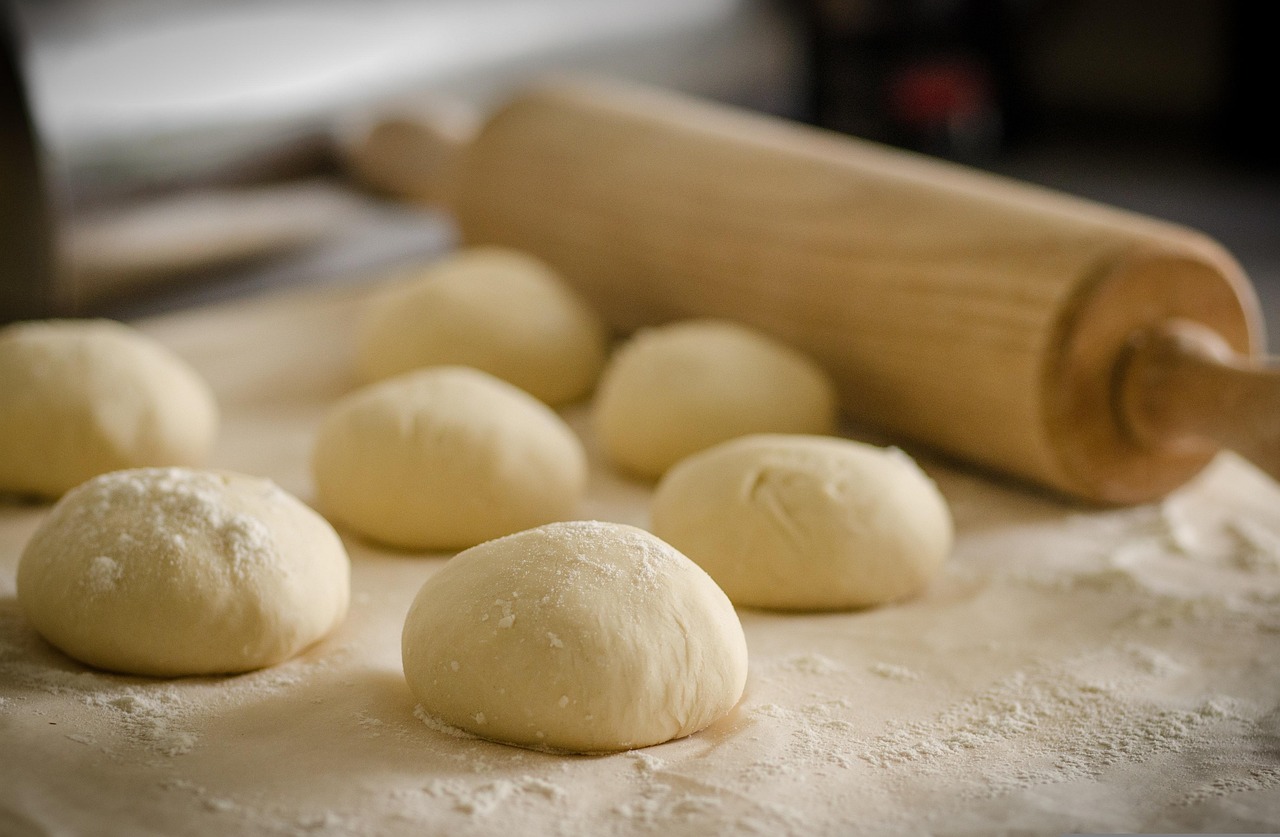
There’s nothing quite like the aroma of freshly baked bread wafting through your home. It’s a scent that promises comfort, warmth, and deliciousness. If you’ve always dreamed of baking your own bread but felt intimidated by complex recipes or the kneading process, you’re in for a treat! This Italian Bread Recipe For Bread Machine is designed to make your bread-making journey incredibly simple and rewarding. Forget the long hours of kneading and waiting; your bread machine does all the hard work, leaving you with a perfect, crusty loaf every time.

This recipe is one of those fantastic easy baking recipes that truly delivers. It’s perfect for beginners and seasoned bakers alike, offering a shortcut to homemade goodness. We’ll walk you through every step, providing essential baking tips for beginners to ensure your first (or fiftieth!) loaf is a resounding success. Get ready to impress your family and friends with a beautiful, bakery-quality Italian bread, fresh from your kitchen!
Ingredients for Your Bread Machine Italian Bread
Gathering your ingredients correctly is the first step to a perfect loaf. Always measure accurately!
| Ingredient | Quantity | Unit |
|---|---|---|
| Warm Water (105-115°F / 40-46°C) | 1 | cup |
| Olive Oil | 2 | tablespoons |
| All-Purpose Flour (or Bread Flour for chewier texture) | 3 | cups |
| Granulated Sugar | 1 | tablespoon |
| Salt | 1.5 | teaspoons |
| Active Dry Yeast (or Instant Yeast) | 2.25 | teaspoons (1 standard packet) |
| Optional: Dried Italian Herbs (Oregano, Basil, Thyme) | 1 | teaspoon |
Step-by-Step Instructions: Baking Italian Bread in Your Bread Machine
Follow these detailed steps for a flawless loaf. The order of ingredients is crucial for bread machines!
-
Prepare Your Bread Machine Pan:
First things first, remove the bread pan from your bread machine. Ensure the kneading paddle is securely in place at the bottom of the pan. A quick check now prevents issues later!
-
Add Liquids First:
Pour the warm water into the bread machine pan. The water temperature is important: too cold and the yeast won’t activate; too hot and it will kill the yeast. Aim for bathwater warm. Next, add the olive oil. These liquids form the base of your dough.
Beginner Tip: If your water is too hot, let it cool slightly. If it’s too cool, you can gently warm it on the stove or microwave for a few seconds. Using a kitchen thermometer is the most accurate way to check!
-
Add Dry Ingredients (Flour Next):
Carefully spoon or scoop the flour over the liquids, making sure to cover them completely. This creates a barrier between the yeast and the salt/sugar initially, which helps the yeast activate properly when it’s time.
Beginner Tip: For best results, use the “spoon and level” method for measuring flour. Spoon flour into your measuring cup until it overflows, then level it off with a straight edge (like the back of a knife). Don’t pack the flour into the cup, as this can result in too much flour and a dry loaf.
-
Add Sugar and Salt:
Place the granulated sugar in one corner of the bread pan on top of the flour. Then, place the salt in the opposite corner. Keep them separate from each other for now. If you’re using dried Italian herbs, sprinkle them over the flour as well.
Common Mistake & Fix: Salt can inhibit yeast activity if it comes into direct contact for too long before mixing. By placing them on opposite sides, you give the yeast a head start.
-
Add the Yeast Last:
Make a small indentation or well in the center of the flour (but not so deep that it reaches the water below). Pour the active dry yeast into this well. This ensures the yeast stays dry until the machine begins kneading, allowing it to activate at the optimal time.
Beginner Tip: Always check the expiration date on your yeast! Old or inactive yeast is a common reason bread doesn’t rise. If you’re unsure, you can “proof” your yeast by mixing it with a little warm water and sugar in a separate bowl and waiting 5-10 minutes for it to become foamy before adding it to your machine (adjusting the total water in the recipe accordingly).
-
Select Your Bread Machine Settings:
Return the bread pan to your bread machine. Close the lid. Select the “Basic,” “White Bread,” or “French Bread” cycle. For the crust setting, “Light” or “Medium” usually works best for Italian bread. Most bread machines default to a 1.5 lb or 2 lb loaf size; select the appropriate setting if your machine has it. Press “Start.”
What to Expect: The machine will typically start with a resting phase, then a kneading phase, followed by a rise, another brief knead (punch down), more rising, and finally, the baking cycle.
-
Monitor the Dough (Optional but Recommended for Beginners):
During the first kneading cycle (usually within the first 5-10 minutes), gently lift the lid and observe the dough. It should form a smooth, somewhat elastic ball.
- If the dough is too dry and crumbly: Add water, 1 teaspoon at a time, until it reaches the right consistency.
- If the dough is too wet and sticky: Add flour, 1 tablespoon at a time, until it forms a ball that pulls away from the sides of the pan cleanly.
This is your best chance to correct the dough consistency, which is vital for a good rise and texture!
-
Let the Machine Do Its Work:
Once you’ve checked the dough, close the lid and resist the urge to open it again during the rising and baking cycles. Opening the lid can cause the bread to deflate due to temperature changes.
-
Remove and Cool:
When the bread machine beeps, indicating the cycle is complete, carefully remove the bread pan (use oven mitts, it will be hot!). Immediately invert the pan onto a wire cooling rack to release the loaf. If the kneading paddle is stuck in the bread, use a non-stick utensil to gently remove it. Be careful not to damage the bread.
Beginner Tip: Cooling the bread completely on a wire rack is crucial! If you slice it too soon, the steam inside will escape, making the bread gummy and dense. Let it cool for at least 1-2 hours before slicing.
-
Slice and Enjoy:
Once cooled, slice your beautiful homemade Italian bread with a serrated knife. It’s perfect with pasta, for sandwiches, dipped in olive oil, or simply enjoyed on its own!
Tips & Tricks for Perfect Bread Machine Italian Bread
Achieving consistently great bread is easy with a few insider tips:
- Ingredient Temperature Matters: Ensure your water is warm (105-115°F) but not hot, and all other ingredients are at room temperature. Cold ingredients can slow down yeast activity, leading to a poor rise.
- Accurate Measuring is Key: Especially for flour and liquids. Use proper measuring cups and spoons, and for flour, always spoon it into the cup and level it off rather than scooping directly from the bag.
- Fresh Yeast: Yeast is a living organism. Always check its expiration date. Storing it in the refrigerator or freezer can extend its shelf life. If your yeast is old, your bread won’t rise.
- Don’t Open the Lid: Once the baking cycle begins, try to avoid opening the bread machine lid. Fluctuations in temperature can cause your bread to collapse or not rise properly.
- Cool Completely: As mentioned, let your bread cool completely on a wire rack before slicing. This allows the internal structure to set and prevents a gummy texture.
- Consider Bread Flour: While all-purpose flour works well, bread flour has a higher protein content, which develops more gluten and can result in a chewier, more authentic Italian bread texture.
- Altitude Adjustments: If you live at a high altitude (above 3,000 feet), you might need to slightly reduce the yeast and/or liquid, or increase the flour. High altitude can cause dough to rise too quickly and collapse.
Essential Baking Tools
While your bread machine does most of the heavy lifting, a few basic kitchen tools will make your baking experience even smoother.
- Mixing Bowl (handy for pre-measuring ingredients)
- Whisk (for combining dry ingredients if doing a custom mix)
- Baking Pan (for serving or additional cooling)
- Measuring Cups & Measuring Spoons (essential for accuracy)
- Spatula (for scraping down ingredients or removing the paddle)
- Wire Cooling Rack (crucial for proper bread cooling)
Nutrition Information (Estimated per serving)
This is an estimated nutritional breakdown for one slice (assuming 12 slices per loaf) of Italian bread made with this recipe. Values can vary based on exact ingredients and brands.
| Nutrient | Amount |
|---|---|
| Calories | 160-180 kcal |
| Carbohydrates | 30-35 g |
| Protein | 5-6 g |
| Fat | 3-4 g |
| Fiber | 1-2 g |
| Sugar | 2-3 g |
Frequently Asked Questions About Bread Machine Italian Bread
1. Why didn’t my bread rise?
The most common culprits are inactive yeast (check the expiration date!), water that was too hot or too cold, or too much salt/sugar that inhibited yeast activity. Ensure your yeast is fresh, your water is the correct temperature, and ingredients are added in the specified order.
2. My dough was too sticky/dry during the first knead. What went wrong?
This often happens due to inaccurate flour or water measurements, or humidity levels. Don’t worry, it’s easily fixable! If too sticky, add flour 1 tablespoon at a time. If too dry, add water 1 teaspoon at a time, until the dough forms a smooth, elastic ball.
3. Can I use whole wheat flour for this recipe?
While you can substitute some whole wheat flour, an all-purpose Italian bread is typically made with white flour. Whole wheat flour absorbs more liquid and can result in a denser loaf. If you want to try, start by replacing 1/2 cup of white flour with whole wheat, and you might need to add a little extra water.
4. How should I store homemade Italian bread?
Once completely cooled, store your bread in an airtight container or a bread bag at room temperature for 2-3 days. For longer storage, slice the bread and freeze it in a freezer-safe bag for up to 2-3 months. Thaw slices as needed or toast directly from frozen.
5. Can I add other flavors to this Italian bread?
Absolutely! Get creative. You can add 1/2 cup of shredded Parmesan cheese, 1/4 cup of chopped sun-dried tomatoes (drained), or even 1-2 cloves of minced garlic during the initial ingredient loading for extra flavor.
Time to Bake Your Own Delicious Italian Bread!
You now have everything you need to bake a fantastic loaf of Italian bread right in your bread machine. It’s a truly satisfying experience, and the taste of homemade bread far surpasses anything you can buy in a store. Don’t be afraid to experiment a little once you get the hang of the basic recipe. This Italian Bread Recipe For Bread Machine is your gateway to a world of delicious, fragrant, and perfectly crusty bread, made with love in your own kitchen.
So, what are you waiting for? Grab your ingredients, set up your bread machine, and get ready to enjoy the incredible aroma and taste of your very own homemade Italian bread. Happy baking!