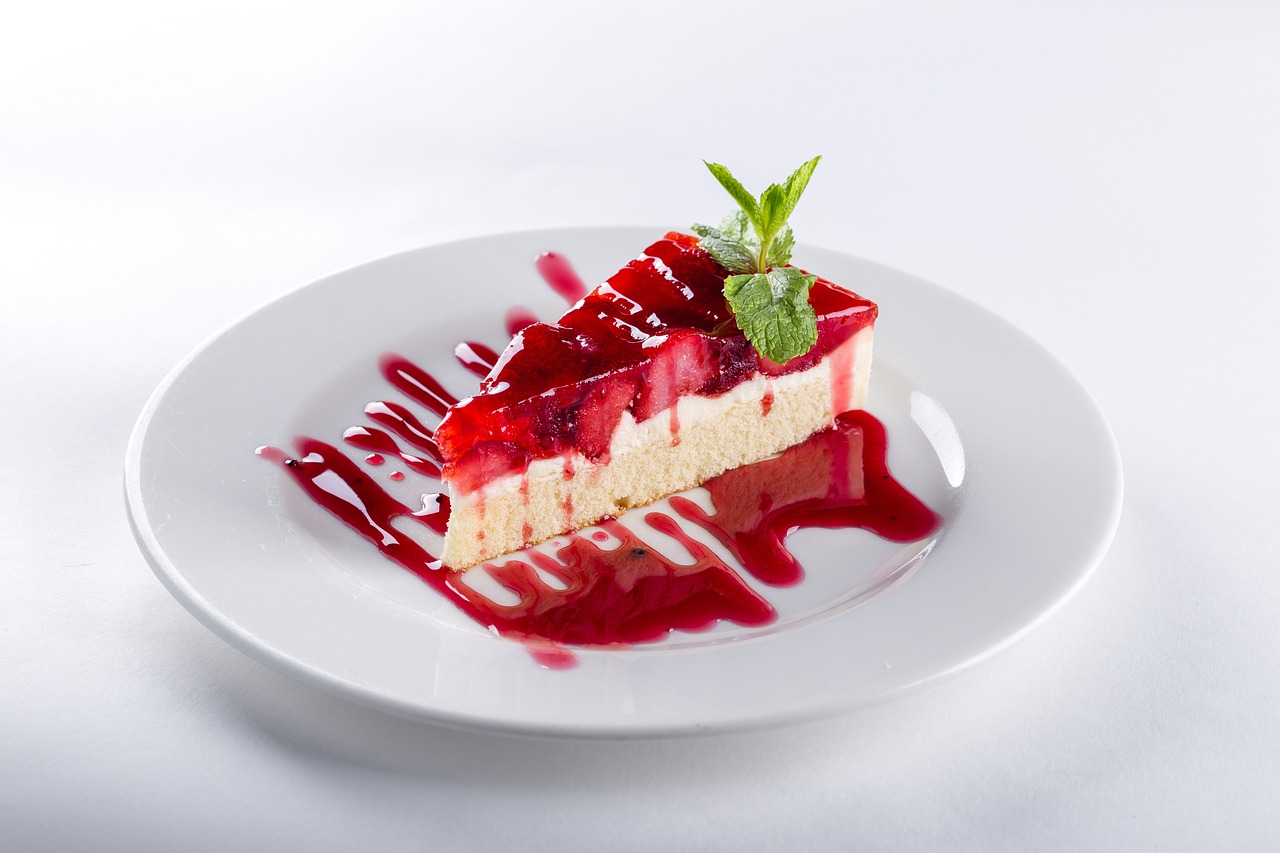
Welcome, aspiring bakers, to a delightful journey into the world of Indian-inspired desserts! If you’ve been searching for an easy baking recipe that delivers incredible flavor with minimal fuss, you’ve landed in the perfect spot. Today, we’re diving into the luscious Khoya Cake Recipe a moist, tender, and incredibly aromatic cake that’s surprisingly simple to master, even if you’re just starting out. Khoya, a traditional Indian milk solid, lends this cake a unique richness and depth that sets it apart from your everyday vanilla or butter cake. Forget intimidating techniques; we’re here to provide comprehensive baking tips for beginners every step of the way, ensuring your first Khoya Cake is nothing short of perfection. Get ready to impress your taste buds and loved ones!
Ingredients List
Gathering your ingredients is the first step to baking success. Accuracy matters, so measure carefully!
| Ingredient | Quantity | Unit |
|---|---|---|
| All-Purpose Flour | 1 ¾ | cups |
| Baking Powder | 2 | teaspoons |
| Baking Soda | ½ | teaspoon |
| Salt | ¼ | teaspoon |
| Unsalted Butter (softened) | ½ | cup (1 stick) |
| Granulated Sugar | 1 | cup |
| Large Eggs (room temperature) | 2 | |
| Khoya / Mawa (grated or crumbled) | ½ | cup |
| Whole Milk (room temperature) | ¾ | cup |
| Vanilla Extract | 1 | teaspoon |
| Cardamom Powder (optional, for extra flavor) | ¼ | teaspoon |
| Almonds or Pistachios (sliced, for garnish) | 2 | tablespoons |
Step-by-Step Instructions: Your Path to a Perfect Khoya Cake
Follow these detailed instructions carefully. Take your time, and don’t be afraid to read ahead! Each step is designed to guide you through the process smoothly.
Step 1: Prepare Your Oven and Pan (The Foundation of Baking)
- Preheat Your Oven: Start by preheating your oven to 350°F (175°C). This is crucial for even baking, as placing your cake batter into a cold oven can lead to an uneven rise and a dense texture. Always allow your oven at least 15-20 minutes to reach and stabilize at the desired temperature.
- Prepare Your Baking Pan: Grease and flour an 8×8 inch square baking pan or a 9-inch round cake pan.
- Greasing: Use a little butter or non-stick cooking spray to coat the inside of the pan thoroughly. Make sure to get into all the corners and sides.
- Flouring: Sprinkle about 1-2 tablespoons of all-purpose flour into the greased pan. Tilt and rotate the pan, tapping gently, until the flour coats all the greased surfaces. Invert the pan and tap out any excess flour. This creates a non-stick layer, ensuring your cake releases easily without sticking.
- Alternatively: You can line the bottom of your pan with parchment paper after greasing, then grease the parchment and flour the sides. This offers extra insurance against sticking.
Step 2: Sift and Combine Dry Ingredients (Avoid Lumps!)
- Sift Together: In a medium bowl, combine the 1 ¾ cups all-purpose flour, 2 teaspoons baking powder, ½ teaspoon baking soda, and ¼ teaspoon salt.
- Why Sift? Sifting not only removes any lumps from your flour but also aerates the dry ingredients, making them lighter and easier to mix evenly into the wet ingredients. This leads to a finer, more tender cake crumb.
- Optional Cardamom: If you’re using it, add the ¼ teaspoon cardamom powder to this dry mixture now. Stir well to combine.
- Whisk Well: Use a whisk to thoroughly combine these dry ingredients. This ensures that the leavening agents (baking powder and soda) and salt are evenly distributed throughout the flour, which is vital for an even rise. Set this bowl aside.
Step 3: Cream Butter and Sugar (The Secret to a Light Cake)
- Cream Butter and Sugar: In a large mixing bowl (or the bowl of a stand mixer fitted with the paddle attachment), add the ½ cup (1 stick) softened unsalted butter and 1 cup granulated sugar.
- Room Temperature Butter: Ensure your butter is truly softened (press your finger into it, and it should leave an indentation without being greasy or melted). Cold butter won’t cream properly, and melted butter will result in a dense cake.
- Beat Until Light and Fluffy: Beat them together on medium speed for 3-5 minutes, scraping down the sides of the bowl occasionally with a spatula. You’re looking for a mixture that is light in color, significantly increased in volume, and fluffy in texture. This process incorporates air into the batter, which is key for a light and tender cake. Don’t rush this step!
Step 4: Add Eggs, Khoya, and Vanilla (Building Flavor)
- Incorporate Eggs: Add the 2 large room temperature eggs, one at a time, to the creamed butter and sugar mixture.
- Add One at a Time: Beat well after each addition until fully incorporated. This helps the eggs emulsify with the butter and sugar, preventing the batter from curdling. If your batter looks slightly curdled, don’t worry too much; it will usually come together once the dry ingredients are added.
- Stir in Khoya and Vanilla: Once the eggs are fully mixed in, add the ½ cup grated or crumbled khoya and 1 teaspoon vanilla extract. Mix on low speed until just combined.
- Khoya Preparation: If your khoya is not already grated or crumbled, make sure to do so before adding. Smaller pieces will distribute more evenly throughout the batter.
Step 5: Alternate Wet and Dry Ingredients (The Gentle Mix)
- Combine Milk and Vanilla: In a separate small bowl or measuring cup, gently warm the ¾ cup whole milk (if it’s not already at room temperature) and add the 1 teaspoon vanilla extract. Stir briefly.
- Alternate Mixing: Now, you’ll add the dry ingredients and the milk mixture to your wet batter in alternating additions, starting and ending with the dry ingredients. This helps prevent overmixing the flour.
- First Addition (Dry): Add about one-third of the dry ingredient mixture to the wet batter. Mix on low speed until just barely combined.
- Second Addition (Wet): Pour in half of the milk mixture. Mix on low speed until just combined.
- Third Addition (Dry): Add another third of the dry ingredients. Mix on low speed.
- Fourth Addition (Wet): Add the remaining milk mixture. Mix on low speed.
- Fifth Addition (Dry): Add the final third of the dry ingredients. Mix on low speed until just combined and no streaks of flour remain.
- Do NOT Overmix: Once you add flour, mixing too much develops the gluten, which can lead to a tough, dense cake. Mix only until the ingredients are incorporated. A few small lumps are okay! Finish with a quick scrape of the bowl with a spatula to ensure everything is evenly mixed.
Step 6: Bake and Cool (Patience is a Virtue!)
- Transfer to Pan: Pour the cake batter evenly into your prepared baking pan. Use your spatula to spread it gently to the corners and level the top.
- Garnish (Optional): Sprinkle the sliced almonds or pistachios evenly over the top of the batter if desired. This adds a lovely crunch and visual appeal.
- Bake: Place the pan in the preheated oven. Bake for 30-40 minutes.
- Check for Doneness: The cake is done when a wooden skewer or toothpick inserted into the center comes out clean or with a few moist crumbs attached (but no wet batter). The top should be golden brown and spring back lightly when gently pressed.
- Oven Variations: Ovens can vary, so start checking at the 30-minute mark. If the top is browning too quickly, you can loosely tent it with aluminum foil for the last 10-15 minutes of baking.
- Cool in Pan: Once baked, remove the cake from the oven and place it on a wire rack to cool in the pan for 10-15 minutes. This allows the cake to firm up slightly, making it easier to handle.
- Invert and Finish Cooling: After 10-15 minutes, carefully invert the cake onto the wire rack. If you used parchment paper, peel it off gently. Let the cake cool completely on the wire rack before slicing and serving.
- Why Cool Completely? Slicing a warm cake can cause it to crumble and lose its structure. Cooling allows the crumb to set and the flavors to fully develop.
Enjoy your homemade, perfectly moist Khoya Cake!
Tips & Tricks for Khoya Cake Success
Even with detailed instructions, a few extra pointers can elevate your baking game and prevent common pitfalls. These actionable **baking tips for beginners** will help you achieve a consistently delicious Khoya Cake every time:
- Room Temperature Ingredients are Key: This is a golden rule in baking! Softened butter, room temperature eggs, and milk emulsify better, creating a smooth, uniform batter that traps air efficiently, leading to a lighter and fluffier cake. Take them out of the fridge at least 30-60 minutes before you start.
- Accurate Measuring: Baking is a science. Use proper measuring cups for dry ingredients (levelled off with a straight edge) and liquid measuring cups for wet ingredients (read at eye level). Don’t pack down flour unless specified.
- Don’t Overmix: Once you add the dry ingredients to the wet, mix only until just combined. Overmixing develops gluten, which can make your cake tough and chewy instead of tender and moist. A few small lumps of flour are better than an overmixed batter.
- Know Your Oven: Ovens can have hot spots or vary in temperature. Consider investing in an oven thermometer to ensure your oven is truly at the temperature you set it to. Rotate your cake halfway through baking if you notice uneven browning.
- Test for Doneness Properly: A clean toothpick inserted into the center is a good indicator. If it comes out with wet batter, it needs more time. If it comes out completely clean, it’s done. Overbaking can lead to a dry cake.
- Cooling is Crucial: Resist the urge to slice into a warm cake immediately! Allowing the cake to cool completely on a wire rack ensures the structure sets, flavors deepen, and it will be much easier to slice neatly without crumbling.
- Quality Khoya: The star ingredient! Use fresh, good-quality khoya for the best flavor. If using store-bought, ensure it’s not too dry. If making your own, make sure it’s cooled before adding to the batter.
Essential Baking Tools
Having the right tools makes baking easier and more enjoyable. Here are some essentials:
- Mixing Bowls (various sizes)
- Whisk
- Baking Pan (8×8 inch square or 9-inch round)
- Measuring Cups & Spoons
- Rubber Spatula
- Electric Mixer (handheld or stand mixer)
- Wire Rack
- Parchment Paper
Nutrition Information (Estimated per serving)
Please note: These are estimated values and can vary based on specific ingredients and serving size.
| Nutrient | Amount |
|---|---|
| Calories | 350-400 kcal |
| Carbohydrates | 45-50 g |
| Protein | 6-8 g |
| Fat | 18-22 g |
| Fiber | 1-2 g |
| Sugar | 25-30 g |
Frequently Asked Questions for Beginner Bakers
What is Khoya / Mawa? Can I make it at home?
Khoya (also known as Mawa) is a traditional Indian dairy product made by slowly simmering full-fat milk until most of the water content evaporates, leaving behind concentrated milk solids. It has a slightly grainy texture and a rich, milky flavor. Yes, you can absolutely make it at home! It involves patiently simmering full-fat milk on low heat, stirring frequently to prevent sticking, until it thickens into a solid mass. Alternatively, you can find it in Indian grocery stores in the refrigerated section.
Can I substitute Khoya if I can’t find it?
While khoya gives this cake its unique and authentic flavor, if you absolutely cannot find it, you have a few options: You can try using milk powder (reconstituted with a little milk to form a thick paste) or ricotta cheese that has been drained very well. However, be aware that the flavor and texture will be different from a traditional Khoya Cake.
My cake turned out dry/dense. What went wrong?
This is a common beginner concern! A dry cake often results from overbaking or too much flour. A dense cake can be due to overmixing the batter (developing gluten) or not creaming the butter and sugar enough (not incorporating enough air). Always measure flour by spooning it into the measuring cup and leveling it off, rather than scooping directly from the bag. Ensure your butter and eggs are at room temperature for optimal creaming.
How should I store Khoya Cake?
Once completely cooled, store your Khoya Cake in an airtight container at room temperature for up to 2-3 days. For longer storage, you can refrigerate it for up to a week. If refrigerating, let it come to room temperature before serving for the best texture and flavor. You can also freeze individual slices, well-wrapped, for up to 1-2 months.
Can I add other flavors or nuts?
Absolutely! This recipe is a great base for experimentation. Besides cardamom, you could add a pinch of saffron strands (soaked in a tablespoon of warm milk) for a more aromatic flavor. For nuts, feel free to mix in finely chopped cashews, walnuts, or pecans into the batter, or sprinkle them on top before baking. A light glaze made with powdered sugar and milk/rose water could also be a delicious addition.
Bake, Share, and Enjoy Your Khoya Cake Journey!
Congratulations, you’ve just baked a beautiful and incredibly flavorful Khoya Cake! We hope this detailed, beginner-friendly guide has demystified the baking process and filled you with confidence. Baking is a wonderful journey of discovery, and every cake you make teaches you something new. Don’t worry if your first attempt isn’t absolutely perfect; the joy is in the process and the delicious reward at the end. Share your creations with friends and family, and relish in the rich, comforting flavors of this unique dessert. Happy baking, and we can’t wait to hear about your Khoya Cake success!