
Are you ready to transform your kitchen into a delightful bakery, filling it with the irresistible aroma of freshly baked bread? If you’ve always dreamed of making your own loaves but felt intimidated by the process, you’re in the perfect place! This comprehensive guide is specifically designed for beginners, showing you just how simple and rewarding it can be to create fantastic bread using your trusty Kitchenaid stand mixer. Say goodbye to store-bought loaves and hello to the incredible satisfaction of baking from scratch.
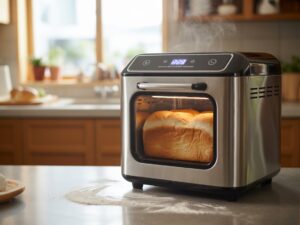
We’ll walk you through every step of one of the easiest and most satisfying Kitchenaid Mixer Bread Recipes out there. You’ll discover that with the right guidance and a few key baking tips for beginners, baking truly delicious bread is not just possible, but incredibly fun. Get ready to dive into the world of yeast, flour, and a little mixer magic – let’s make some bread that will impress everyone (especially yourself)!
Ingredients You’ll Need
Gathering your ingredients is the first exciting step! For this simple, classic sandwich bread, you likely have most of these staples in your pantry already. Using a kitchen scale for flour is always recommended for accuracy, but cup measurements work well for beginners!
| Ingredient | Quantity | Unit |
|---|---|---|
| All-purpose flour (or bread flour) | 3 | cups |
| Warm water (105-115°F / 40-46°C) | 1 ¼ | cups |
| Active dry yeast | 2 ¼ | teaspoons |
| Granulated sugar | 2 | tablespoons |
| Salt | 1 | teaspoon |
| Vegetable oil (or light olive oil) | 2 | tablespoons |
| Extra oil for greasing bowl | 1 | teaspoon |
Step-by-Step: Baking Your First Loaf!
Follow these detailed instructions, and you’ll be pulling a golden-brown loaf from your oven in no time. Remember, baking is an art and a science, so pay attention to the details, but don’t be afraid to trust your instincts!
Step 1: Activate the Yeast (Proofing)
- In the bowl of your Kitchenaid stand mixer (without the dough hook attached yet), pour in the warm water. It’s crucial that the water is between 105-115°F (40-46°C). Use a kitchen thermometer if you have one! Beginner Tip: Water that’s too hot will kill the yeast, preventing your bread from rising. Too cold, and the yeast won’t activate properly.
- Sprinkle the granulated sugar and active dry yeast evenly over the warm water. Give it a gentle stir with a spoon or whisk.
- Let this mixture sit undisturbed for 5-10 minutes. You should observe it becoming visibly foamy and bubbly on the surface. This foam is a clear sign that your yeast is alive and active – congratulations, you’ve passed the first test! If it doesn’t foam, your yeast might be old or the water temperature was off. It’s best to discard and start again with fresh yeast or adjusted water temperature.
Step 2: Combine the Ingredients
- Once your yeast is bubbly and fragrant, add the salt and vegetable oil directly into the yeast mixture in the mixer bowl.
- Gradually add 2 ½ cups of the all-purpose flour to the bowl. Hold back the remaining ½ cup for later, as you might not need it all.
- Attach the dough hook to your Kitchenaid mixer. Start mixing on the lowest speed (usually Speed 2 on most Kitchenaids) until the ingredients are just combined and a shaggy, somewhat sticky dough forms. Scrape down the sides of the bowl with a rubber spatula if needed.
Step 3: Knead the Dough
- Continue mixing on low speed. Begin adding the remaining ½ cup of flour, a small amount at a time (about a tablespoon), until the dough comes together, feels less sticky, and starts to pull away from the sides of the bowl. Important: You might not need all of the flour, or you might need a tiny bit more – the goal is a dough that is still slightly tacky to the touch but no longer sticky and messy.
- Increase the mixer speed to medium-low (Speed 3-4) and let the mixer knead the dough for 7-10 minutes. During this time, the dough should transform into a smooth, elastic, and springy ball. It should mostly clean the sides of the bowl as it kneads.
- Beginner Tip: The Windowpane Test: To check if your dough is kneaded enough, pinch off a small piece of dough (about the size of a golf ball). Gently stretch it with your fingers. If you can stretch it thin enough to see light through it without tearing, it’s ready! If it tears easily, knead for another minute or two and test again. Proper kneading develops the gluten, which gives bread its structure.
Step 4: First Rise (Bulk Fermentation)
- Remove the dough hook. Lightly oil a clean, large bowl (about a teaspoon of vegetable oil will do).
- Scrape the kneaded dough out of the mixer bowl and form it into a neat ball with your hands. Place the dough ball into the oiled bowl, turning it once to coat the entire surface with oil. This prevents the dough from drying out and sticking to the bowl during its rise.
- Cover the bowl tightly with plastic wrap or a clean, damp kitchen towel.
- Place the covered bowl in a warm, draft-free spot. Ideal locations include a slightly warm oven (turned off, with just the light on), near a sunny window, or in a microwave (again, turned off) as it creates a small, enclosed warm space.
- Let the dough rise for 1 to 1.5 hours, or until it has visibly doubled in size. This is a crucial step for developing flavor and creating a light, airy texture. Common Mistake: Don’t rush this process! If your kitchen is cold, it might take a bit longer.
Step 5: Punch Down and Shape the Loaf
- Once the dough has doubled, gently “punch” it down in the center with your fist to release the accumulated air. This step is incredibly satisfying and helps redistribute the yeast for a more even texture in your final loaf.
- Lightly flour a clean work surface (your countertop is perfect). Turn the dough out onto the floured surface.
- Gently flatten the dough into a rough rectangle, roughly the length of your loaf pan.
- Starting from one of the longer sides, tightly roll the dough into a cylinder. As you roll, gently pinch the seam closed at the bottom and tuck in the ends. This careful shaping technique helps create a nice, even crumb and a well-formed loaf.
- Grease a 9×5 inch loaf pan thoroughly with butter, vegetable oil, or cooking spray. Place the shaped dough seam-side down into the prepared loaf pan.
Step 6: Second Rise (Proofing)
- Cover the loaf pan loosely with plastic wrap or a clean kitchen towel.
- Return the pan to your warm, draft-free spot for the second rise.
- Let it rise for another 30-45 minutes, or until the dough has risen about 1 inch above the rim of the pan and looks noticeably puffy. It won’t quite double this time, but it should feel light and airy. This rise gives the bread its final volume before baking.
Step 7: Bake Your Bread!
- About 15 minutes before the end of the second rise, preheat your oven to 375°F (190°C). This ensures the oven is fully heated and stable when the bread goes in.
- Once the oven is preheated and the dough has risen beautifully, carefully place the loaf pan into the center of the preheated oven.
- Bake for 30-35 minutes, or until the crust is a rich, golden brown and the internal temperature of the bread reaches 190-200°F (88-93°C). A meat thermometer works perfectly for this!
- Common Mistake: Undercooking results in a gummy texture and a doughy center. When in doubt, bake a few minutes longer. The loaf should also sound hollow when tapped gently on the bottom.
Step 8: Cool and Enjoy!
- Once baked, immediately remove the bread from the loaf pan and transfer it to a wire cooling rack. This prevents the bottom from getting soggy.
- Let the bread cool completely (at least 1-2 hours) before slicing. This is perhaps the hardest step for impatient bakers, but it’s absolutely crucial! Slicing hot bread can make it gummy, prevents the internal structure from setting properly, and you’ll miss out on the best texture.
- Once cooled, grab your sharpest bread knife, slice, and enjoy your magnificent, homemade bread!
Pro Tips & Tricks for Perfect Bread
Even with the best instructions, a few extra pointers can elevate your baking game and prevent common pitfalls. Keep these baking tips for beginners in mind:
- Precision with a Scale: While cup measurements are provided, using a kitchen scale for flour (1 cup all-purpose flour = approx. 120-125g) will yield more consistent and professional results. It eliminates variability from how you scoop flour.
- Yeast Temperature is Paramount: Always double-check your water temperature for yeast activation. It’s the most common reason for failed rises. Invest in an inexpensive kitchen thermometer!
- Resist Over-Flouring: It’s a beginner’s temptation! A slightly tacky dough is actually ideal for soft, airy bread. If you add too much flour, your bread will be dense and dry. Let the mixer do its work for the full kneading time; the dough will become less sticky as gluten develops.
- Create a Warm Rise Environment: If your kitchen is cool, finding a warm, draft-free spot is key. Besides the oven with the light on, you can also place the covered bowl in a microwave (turned off, of course) or a large cooler with a bowl of hot water next to it.
- The Tap Test & Thermometer: Don’t just rely on visual cues. Tapping the bottom of the loaf for a hollow sound, and especially checking the internal temperature (190-200°F), are the best ways to ensure your bread is perfectly cooked through.
- Patience, Patience, Patience with Cooling: We can’t stress this enough! Cooling allows the internal starches to set and the steam to escape, which is vital for a good texture. Slicing too early can ruin all your hard work.
Essential Baking Tools for Your Kitchen
Having the right tools makes all the difference in making your baking experience smooth and enjoyable. Here are a few must-haves for your bread-making adventures:
- Mixing Bowls (various sizes)
- Whisk
- 9×5 inch Loaf Pan
- Measuring Cups and Spoons
- Rubber Spatula
- KitchenAid Stand Mixer with Dough Hook (of course!)
- Kitchen Thermometer (for water and bread)
- Wire Cooling Rack
- Plastic Wrap or Clean Kitchen Towels
- Sharp Bread Knife (for easy slicing!)
Nutrition Information (Estimated per slice)
This information is an approximation for one slice of bread (assuming 12-16 slices per loaf from this recipe) and can vary based on exact ingredients, brands, and portion size.
| Nutrient | Amount |
|---|---|
| Calories | 80-100 kcal |
| Carbohydrates | 15-20 g |
| Protein | 3-4 g |
| Fat | 1-2 g |
| Fiber | 1 g |
| Sugar | 1-2 g |
Frequently Asked Questions for New Bread Bakers
Q: My dough isn’t rising, what went wrong?
A: The most common culprits are inactive yeast or incorrect water temperature. Ensure your water is between 105-115°F (40-46°C) – too hot kills yeast, too cold won’t activate it. Also, check the expiration date on your yeast. If it doesn’t foam in Step 1, it’s best to discard and start fresh with new yeast or corrected water temperature.
Q: Can I use whole wheat flour instead of all-purpose?
A: Yes, but with some adjustments! Whole wheat flour absorbs more liquid and has more bran, which can inhibit gluten development. You might need to add a little extra water (start with an extra 1-2 tablespoons) and knead for a few minutes longer. The texture will also be denser and heartier than white bread.
Q: How do I store homemade bread?
A: Store completely cooled bread at room temperature in an airtight container, a bread box, or a sealed plastic bag. It will stay fresh for 3-5 days. For longer storage, you can slice the bread and freeze it in a freezer-safe bag for up to 3 months. Toast slices directly from frozen!
Q: What if my bread is too dense or heavy?
A: Density often comes from not enough rise time (first or second rise), not enough kneading, or too much flour. Ensure your yeast is active, give your dough ample time to double in size, knead until it passes the windowpane test, and resist the urge to add excessive flour during kneading.
Q: Do I have to use a Kitchenaid mixer for this recipe?
A: While this recipe is optimized for a Kitchenaid mixer due to its ease with kneading, you can absolutely knead by hand! The kneading time will be longer (typically 15-20 minutes of vigorous kneading) to achieve the same gluten development. It’s a great workout and very therapeutic!
Q: Can I add seeds or herbs to this bread?
A: Absolutely! Get creative once you’ve mastered the basic recipe. You can add up to ½ cup of seeds (like sunflower, poppy, or sesame) or dried herbs (like rosemary or thyme) during the last few minutes of kneading. Just be aware that additions might slightly alter the dough’s texture or rise time, so observe closely.
Your Baking Journey Starts Now!
Congratulations, budding baker! You’ve just completed your first detailed journey into making homemade bread with your Kitchenaid mixer. The aroma filling your kitchen, the warmth of the loaf in your hands, and that first incredible bite are truly unmatched. This recipe is more than just ingredients and steps; it’s an invitation to explore the wonderful world of baking.
Don’t worry if your first loaf isn’t picture-perfect – every baker, even the pros, had a first loaf. What matters is the experience, the learning, and the delicious results. Keep practicing, keep experimenting, and most importantly, keep enjoying the process. Share your creations, try new variations, and let this be the beginning of many delightful baking adventures. Happy baking!