Ingredients List
Before we begin, ensure all your ingredients are at room temperature unless otherwise specified. This helps them combine more smoothly and creates a better texture in your cake.
| Quantity | Unit | Ingredient |
|---|---|---|
| 1 ½ | cups | All-purpose flour |
| 2 | teaspoons | Baking powder |
| ¼ | teaspoon | Salt |
| ½ | cup (1 stick) | Unsalted butter, softened |
| 1 | cup | Granulated sugar |
| 2 | large | Eggs, room temperature |
| 15 | ounces | Whole milk ricotta cheese, drained if very watery |
| ¼ | cup | Limoncello liqueur |
| 2 | tablespoons | Fresh lemon juice |
| 1 | tablespoon | Lemon zest (from 1-2 lemons) |
| Optional Glaze: | ||
| 1 | cup | Powdered sugar |
| 2-3 | tablespoons | Limoncello or fresh lemon juice |
Step-by-Step Instructions
Follow these detailed steps carefully, and you’ll have a beautiful, delicious Limoncello Ricotta Cake ready to enjoy!
Step 1: Prepare Your Oven and Pan
This is crucial for even baking! **Preheat your oven to 350°F (175°C)**. While it’s heating, grab a 9-inch round springform pan. **Grease it thoroughly** with butter or baking spray, then **dust lightly with flour**. Tap out any excess flour. This creates a non-stick barrier, ensuring your cake comes out cleanly. Beginner Tip: Don’t skip greasing and flouring! It’s the secret to an easy release and prevents your cake from sticking, which can be frustrating after all your hard work.
Step 2: Combine Dry Ingredients
In a medium bowl, **whisk together the all-purpose flour, baking powder, and salt**. Whisking isn’t just about mixing; it also aerates the flour and ensures the leavening agents (baking powder) are evenly distributed. This prevents pockets of unmixed ingredients and helps your cake rise beautifully. Set this aside for now.
Step 3: Cream Butter and Sugar
In a large mixing bowl (or the bowl of a stand mixer fitted with the paddle attachment), **cream together the softened unsalted butter and granulated sugar**. Beat on medium speed for about 3-5 minutes, until the mixture is **light, fluffy, and pale yellow**. This process incorporates air into the butter, which is essential for a tender cake texture. Common Mistake: Not creaming long enough! If the mixture isn’t light and fluffy, your cake might be dense. Make sure your butter is truly softened (press your finger into it, it should leave an indentation easily).
Step 4: Add Eggs
With the mixer on low speed, **add the eggs one at a time**, beating well after each addition. Scrape down the sides of the bowl with a spatula after adding each egg to ensure everything is fully incorporated. Adding eggs gradually helps maintain the emulsification (the smooth blend of fats and liquids) of the butter and sugar, leading to a more stable batter.
Step 5: Incorporate Ricotta and Flavorings
Now, **add the ricotta cheese, Limoncello liqueur, fresh lemon juice, and lemon zest** to the butter-sugar-egg mixture. Beat on low speed until just combined. Be careful not to overmix at this stage. The ricotta adds incredible moisture and a delicate texture, while the Limoncello and lemon zest infuse that signature vibrant flavor. Beginner Tip: If your ricotta looks very watery, place it in a fine-mesh sieve lined with cheesecloth and let it drain for 30 minutes to an hour. This prevents your cake from becoming too wet.
Step 6: Gradually Add Dry Ingredients
With the mixer on the lowest speed, **gradually add the dry ingredients** (from Step 2) to the wet ingredients. Mix **just until no streaks of flour remain**. Overmixing at this stage can develop the gluten in the flour, resulting in a tough, chewy cake instead of a tender one. Use a spatula to give it a final gentle fold to catch any unmixed flour at the bottom or sides of the bowl.
Step 7: Transfer and Bake
**Pour the cake batter into your prepared springform pan** and spread it evenly with a spatula. Place the pan in the preheated oven. **Bake for 45-55 minutes**, or until a wooden skewer or toothpick inserted into the center of the cake comes out clean. The top should be golden brown and spring back when lightly touched. Common Mistake: Opening the oven door too early! Resist the urge for the first 30 minutes, as sudden temperature changes can cause the cake to sink.
Step 8: Cool the Cake
Once baked, **remove the cake from the oven and let it cool in the pan on a wire rack for 15-20 minutes**. This allows the cake to set and firm up before you handle it. After this initial cooling, carefully **run a knife around the edge of the pan** (if not using a springform) or release the springform latch. Then, **transfer the cake completely to the wire rack to cool completely**. Trying to glaze or cut a warm cake will result in a messy, crumbling disaster!
Step 9: Prepare and Apply Optional Glaze (If Desired)
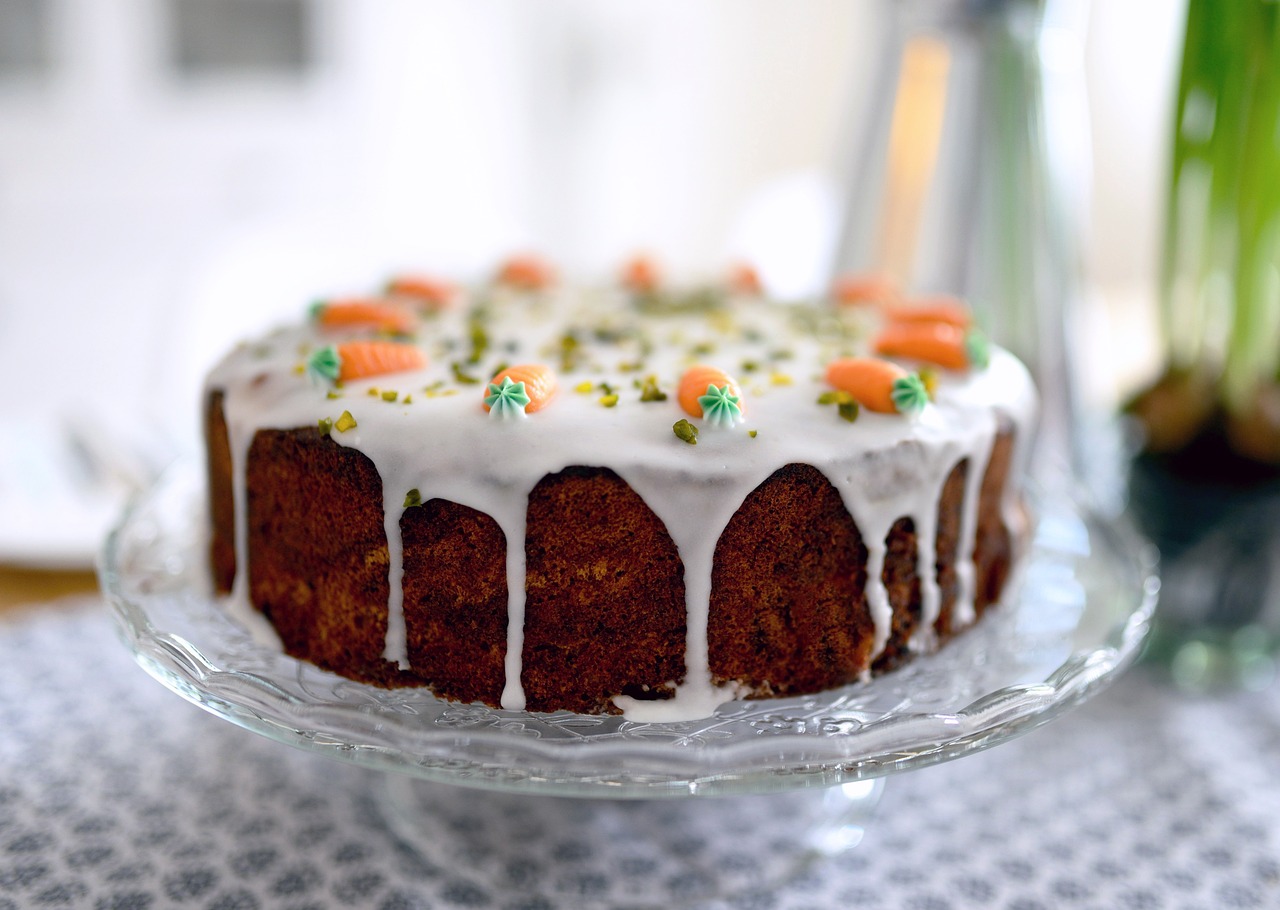
While the cake is cooling, you can make a simple glaze. In a small bowl, **whisk together the powdered sugar and 2 tablespoons of Limoncello or lemon juice**. Add more liquid a teaspoon at a time until you reach a smooth, pourable consistency. Once the cake is completely cool, **drizzle the glaze evenly over the top**. Let the glaze set for a few minutes before slicing and serving. The glaze adds an extra layer of sweetness and a beautiful finish.
Tips & Tricks for Beginner Bakers
Baking is a science, but it doesn’t have to be intimidating! Here are some essential tips to ensure your Limoncello Ricotta Cake (and future bakes) are always a success:
- Measure Accurately: This is perhaps the most important tip. Use proper measuring cups for dry ingredients (levelled off with a straight edge) and liquid measuring cups for liquids. Don’t eyeball it!
- Room Temperature Ingredients: Butter, eggs, and ricotta should be at room temperature. This helps them emulsify properly, creating a smoother, more uniform batter and a better-textured cake. If you forget, place eggs in warm water for 5-10 minutes, and cut butter into small pieces to soften faster.
- Don’t Overmix: Especially when adding flour, mix only until just combined. Overmixing develops gluten, leading to a tough, dry cake. A few small lumps are okay!
- Know Your Oven: Ovens can vary. Consider investing in an oven thermometer to ensure your oven is truly heating to the temperature you set.
- Test for Doneness: The toothpick test is your best friend. Insert a toothpick into the center of the cake; if it comes out clean or with a few moist crumbs (but no wet batter), it’s done.
- Cool Completely: Patience is key. Cooling a cake completely on a wire rack prevents it from becoming soggy and allows it to firm up before slicing or glazing.
- Read the Recipe First: Before you even get your ingredients out, read the entire recipe from start to finish. This helps you understand the process and prepare everything in advance.
Essential Baking Tools
Having the right tools makes all the difference! Here are some basics you’ll need, with convenient links to find them:
- Mixing Bowl
- Whisk
- 9-inch Springform Baking Pan
- Measuring Cups and Spoons
- Rubber Spatula
- Wire Rack
- Electric Mixer (handheld or stand mixer)
Nutrition Info (Estimated per serving, based on 12 servings)
Please note that these values are estimates and can vary based on specific ingredients and portion sizes.
| Nutrient | Amount |
|---|---|
| Calories | 350-400 kcal |
| Carbohydrates | 40-50g |
| Protein | 8-10g |
| Fat | 18-22g |
| Fiber | 1-2g |
| Sugar | 25-30g |
Frequently Asked Questions (FAQs)
Q1: Can I make this cake without Limoncello?
Absolutely! If you prefer an alcohol-free version, simply substitute the Limoncello with an equal amount of fresh lemon juice or even milk. The cake will still have a wonderful lemon flavor, though it might be slightly less intense without the unique complexity of the liqueur.
Q2: My cake sank in the middle, what went wrong?
There are a few common culprits! Overmixing the batter, opening the oven door too early (especially during the first 30 minutes of baking), or an oven that isn’t at the correct temperature can all cause a cake to sink. Ensure your baking powder isn’t expired, as old leavening agents lose their potency.
Q3: How do I know when my ricotta cheese is “drained enough”?
Ricotta often comes with excess liquid. If you see a significant amount of water collected at the top of the container, it’s best to drain it. Place the ricotta in a fine-mesh sieve lined with cheesecloth or a coffee filter set over a bowl. Let it sit for 30-60 minutes in the refrigerator. You don’t need it to be completely dry, just less watery, to ensure your cake isn’t too moist or dense.
Q4: How should I store the Limoncello Ricotta Cake?
Store any leftover cake in an airtight container at room temperature for up to 2-3 days. For longer storage, you can refrigerate it for up to 5 days. If refrigerated, allow it to come to room temperature for about 30 minutes before serving for the best flavor and texture.
Q5: Can I add other fruits or flavors to this cake?
Yes, absolutely! While the lemon and ricotta are a classic pairing, you can certainly experiment. A handful of fresh blueberries or raspberries gently folded into the batter would be delicious. You could also try adding a touch of almond extract for a different flavor profile.
Conclusion
Congratulations, you’ve just created a truly exceptional dessert! This Limoncello Ricotta Cake Recipe is more than just a sweet treat; it’s a testament to how accessible and rewarding baking can be, even for beginners. With its light texture, bright citrus notes, and moist crumb, it’s sure to become a cherished recipe in your collection.
Don’t be afraid to experiment, and most importantly, have fun in the kitchen! Every bake is a learning experience, and every slice is a triumph. We hope this detailed guide has given you the confidence to not only make this cake but to explore many more easy baking recipes. Share your creations with us, and keep that wonderful baking spirit alive!