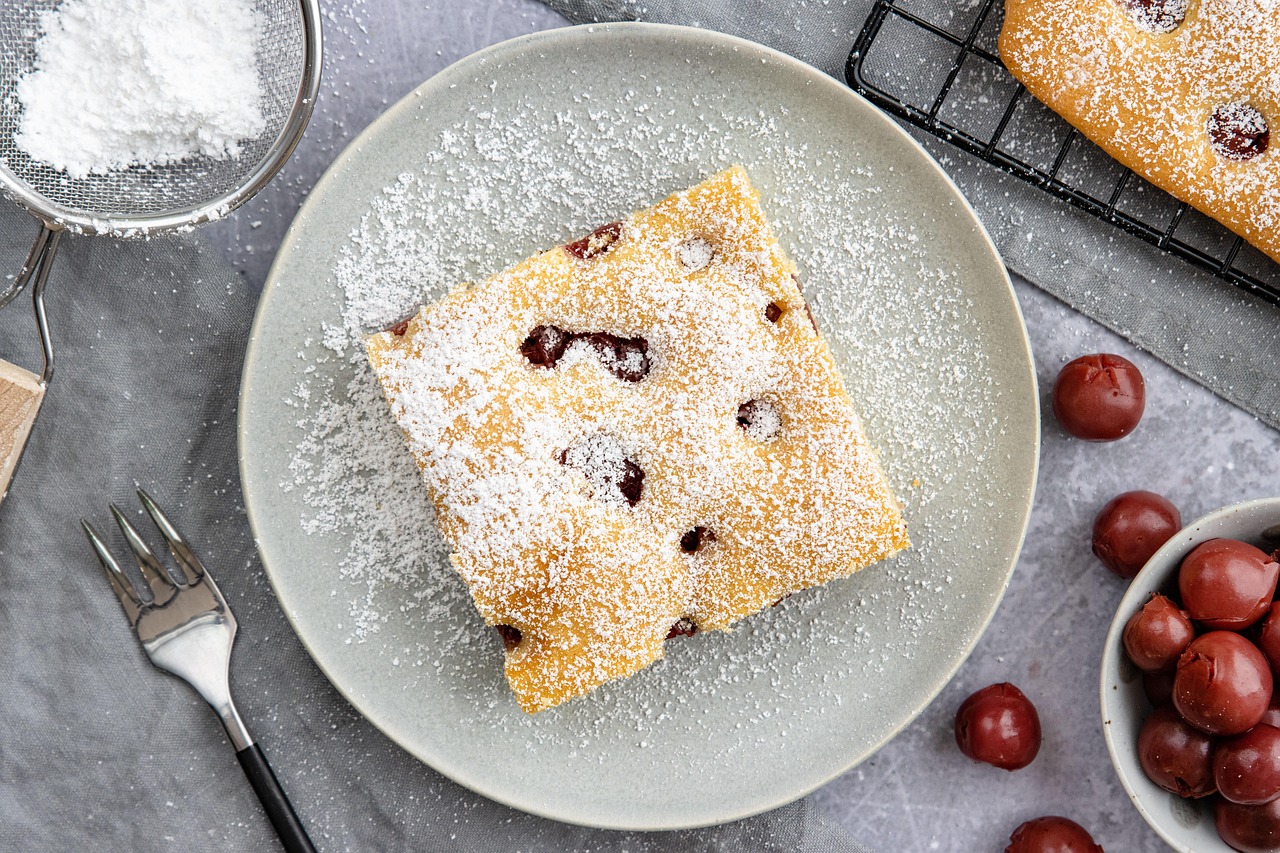
Are you craving a moist, delicious cake but need to keep an eye on your sodium intake? Or perhaps you’re just starting your baking adventure and looking for easy baking recipes that deliver fantastic results without a fuss? You’ve come to the right place! This comprehensive guide will walk you through creating a delightful cake using a Low Sodium Cake Mix Recipe approach. While most cake mixes contain some sodium, our method focuses on minimizing any additional sodium, making it a smarter choice for your diet. Get ready to impress yourself and your loved ones with a homemade treat that’s not only simple to make but also mindful of your health goals. We’ve packed this post with essential baking tips for beginners to ensure your first (or hundredth!) cake is a resounding success!
Ingredients List: What You’ll Need
Gathering your ingredients before you start is one of the best baking tips for beginners. It makes the whole process smoother and more enjoyable. Here’s what you’ll need for this delicious cake:
| Ingredient | Quantity |
|---|---|
| Yellow or White Cake Mix (15.25 oz box) | 1 box |
| Unsalted Milk (any kind, or water) | 1 cup |
| Unsalted Butter, softened | 1/2 cup (1 stick) |
| Large Eggs | 3 |
| Vanilla Extract (optional, for enhanced flavor) | 1 teaspoon |
| Flour or Baking Spray (for pan) | As needed |
Note on Cake Mix Sodium: While we’re making this a low-sodium preparation, please be aware that most boxed cake mixes do contain sodium. This recipe focuses on ensuring no additional sodium is added through the liquids and fats, giving you more control over your overall intake compared to using salted ingredients.
Step-by-Step Instructions: Baking Your Perfect Cake
Let’s get baking! Follow these detailed steps to ensure a moist, fluffy cake every time. Don’t worry if it’s your first time; we’ve broken it down for you.
Step 1: Prepare Your Oven and Pan
- Preheat your oven: Set your oven to 350°F (175°C). It’s crucial to preheat thoroughly so your cake bakes evenly from the moment it enters the oven.
- Prepare your baking pan: Take a 9×13 inch baking pan, two 8-inch round pans, or one bundt pan. Lightly grease the inside of the pan(s) with unsalted butter or baking spray. Then, dust it with a little bit of flour, tapping out any excess. This creates a non-stick barrier and ensures your cake releases easily after baking.Beginner Tip: Don’t skip greasing and flouring! A sticky cake is a sad cake. If using baking spray with flour, you can skip the separate flour dusting.
Step 2: Combine Wet Ingredients
- In a large Mixing Bowl, add your softened unsalted butter, unsalted milk (or water), and eggs. If using, add the vanilla extract now.
- Using an electric mixer (or a Whisk for arm workout!), beat these wet ingredients together on medium speed for about 1-2 minutes until they are well combined and slightly creamy.
- Common Mistake & Fix: Ensure your butter is truly softened (room temperature, not melted!). Cold butter won’t cream properly, leading to lumps in your batter. If your butter isn’t soft, microwave it for 10-15 seconds at a time until just yielding, but not melted.
Step 3: Add the Cake Mix
- Pour the entire contents of the cake mix box into the Mixing Bowl with your wet ingredients.
- Start mixing on low speed to prevent the flour from flying everywhere. Once the dry mix is mostly incorporated, increase the speed to medium.
- Beat for another 2 minutes, ensuring all ingredients are fully combined. Use a Spatula to scrape down the sides of the bowl midway through mixing to catch any unmixed bits.
- Beginner Tip: Do not overmix! Overmixing develops the gluten in the flour too much, resulting in a tough, dense cake instead of a light, fluffy one. Mix just until no streaks of dry mix remain.
Step 4: Pour into Pan and Bake
- Carefully pour the cake batter into your prepared Baking Pan(s). Use your Spatula to scrape out all the delicious batter from the bowl.
- Gently tap the pan(s) on the counter a couple of times to release any large air bubbles. This helps create a more even crumb.
- Place the pan(s) into your preheated oven.
- Baking Time:
- For a 9×13 inch pan: Bake for 30-35 minutes.
- For two 8-inch round pans: Bake for 25-30 minutes.
- For a Bundt pan: Bake for 35-40 minutes.
- Common Mistake & Fix: Opening the oven door too often can cause your cake to sink! Resist the urge until at least 2/3 of the way through the baking time.
Step 5: Check for Doneness and Cool
- To check if your cake is done, insert a clean toothpick into the center of the cake. If it comes out clean or with a few moist crumbs attached (but no wet batter), your cake is ready!
- Once baked, remove the cake from the oven and let it cool in the pan on a wire rack for 10-15 minutes. This allows the cake to set and prevents it from breaking when you remove it.
- After 10-15 minutes, carefully invert the cake onto the wire rack to cool completely. If baking in round pans, you might need to run a knife gently around the edges before inverting.
- Beginner Tip: Cooling completely is crucial before frosting! If you frost a warm cake, the frosting will melt and slide right off.
Tips & Tricks for Cake Baking Success
Elevate your baking game with these tried-and-true tips, especially helpful for beginners:
- Room Temperature Ingredients are Key: This is one of the most important **baking tips for beginners**! Ensure your eggs, butter, and milk are at room temperature. This allows them to emulsify better, creating a smoother, more uniform batter and a lighter, fluffier cake. Take them out of the fridge about 30-60 minutes before you plan to bake.
- Measure Accurately: Baking is a science, and precision matters. Use proper Measuring Cups and spoons. For flour, spoon it into the measuring cup and level it off with a straight edge (like the back of a knife) rather than scooping directly from the bag, which can compact it and lead to too much flour.
- Don’t Overmix: We mentioned it in the steps, but it bears repeating! Overmixing develops gluten, making your cake tough. Mix just until the ingredients are combined and no dry streaks remain.
- Know Your Oven: Ovens can vary. If your cake seems to bake faster or slower than the recipe suggests, consider investing in an oven thermometer to check its accuracy.
- Cool Completely Before Frosting: Patience is a virtue in baking! Frosting a warm cake will result in a messy, melted disaster. Allow your cake to cool entirely on a wire rack.
- Low Sodium Frosting Options: For a truly low-sodium cake, consider making your own frosting. A simple cream cheese frosting (using unsalted cream cheese and butter), or a powdered sugar glaze made with unsalted milk or water and vanilla, are excellent choices.
- Storage: Store your cake at room temperature in an airtight container for up to 3-4 days. If frosted with cream cheese frosting, it should be refrigerated.
Essential Baking Tools
Having the right tools makes baking much easier and more enjoyable. Here are a few essentials:
- Mixing Bowl
- Whisk (or electric mixer)
- Baking Pan (9×13 inch, or two 8-inch rounds)
- Measuring Cups and Spoons
- Spatula (for scraping bowls)
- Wire Rack (for cooling)
Nutrition Information (Estimated per slice, 1/12th of cake)
Please note that these values are estimates and can vary based on the specific brand of cake mix and ingredients used. The sodium content primarily comes from the boxed cake mix itself, as this recipe focuses on minimizing added sodium.
| Nutrient | Amount |
|---|---|
| Calories | ~300 kcal |
| Carbohydrates | ~45g |
| Protein | ~4g |
| Fat | ~12g |
| Fiber | ~0.5g |
| Sugar | ~28g |
| Sodium | ~300-350mg* |
*Sodium content is largely dependent on the boxed cake mix used. This recipe ensures no additional sodium is added through the other ingredients.
Frequently Asked Questions for Beginners
Q1: Can I use oil instead of butter?
A: Yes, you can! For a potentially moister cake, you can substitute the 1/2 cup of unsalted butter with 1/2 cup of unsalted vegetable oil (like canola or sunflower oil). Keep in mind that oil can sometimes result in a slightly different texture than butter, but it’s a perfectly acceptable alternative, especially if you’re looking for a dairy-free option.
Q2: My cake sank in the middle! What went wrong?
A: This is a common issue! It can happen for several reasons:
- Opening the oven door too early: The sudden temperature change can cause the cake to collapse.
- Undercooking: The center wasn’t fully set. Always use the toothpick test!
- Too much leavening: While unlikely with a mix, too much baking powder/soda can make a cake rise too quickly and then fall.
- Old ingredients: Expired cake mix or eggs can affect rise.
- Overmixing: Can lead to a weak structure that collapses.
Don’t worry, even experienced bakers face this sometimes. Just learn from it and try again!
Q3: How do I know if my cake is truly done?
A: The best way is the toothpick test. Insert a clean toothpick or a thin skewer into the very center of the cake. If it comes out clean, or with just a few moist crumbs attached, your cake is done. If you see wet batter, it needs more time. Also, the edges of the cake should start to pull away slightly from the pan, and the top should spring back when lightly touched.
Q4: Can I make this recipe dairy-free?
A: Absolutely! To make this cake dairy-free, use a dairy-free yellow or white cake mix (always check the ingredients list, as some mixes may contain dairy). Replace the unsalted milk with an unsweetened, unsalted plant-based milk like almond milk, soy milk, or oat milk. For the butter, use a dairy-free butter substitute or vegetable oil (as mentioned in Q1). The eggs remain the same.
Q5: What’s a good low sodium frosting to go with this cake?
A: For a low-sodium frosting, avoid pre-made canned frostings, as they are often high in sodium. Here are two great homemade options:
- Simple Powdered Sugar Glaze: Whisk together 1 cup powdered sugar with 2-3 tablespoons of unsalted milk (or water) and 1/2 teaspoon vanilla extract until smooth. Adjust liquid for desired consistency.
- Homemade Unsalted Cream Cheese Frosting: Beat together 1 block (8 oz) unsalted cream cheese (softened), 1/2 cup unsalted butter (softened), 3-4 cups powdered sugar, and 1 teaspoon vanilla extract until light and fluffy.
Conclusion: Enjoy Your Delicious, Health-Conscious Creation!
Congratulations, baker! You’ve successfully navigated the wonderful world of baking and created a delicious cake using our Low Sodium Cake Mix Recipe. We hope these easy baking recipes and baking tips for beginners have empowered you to feel confident in the kitchen. Baking doesn’t have to be intimidating, and with a few simple adjustments, it can fit right into your health-conscious lifestyle. So go ahead, slice into your beautiful cake, and enjoy every mindful bite. Don’t forget to share your baking triumphs in the comments below – we’d love to hear how it turned out!