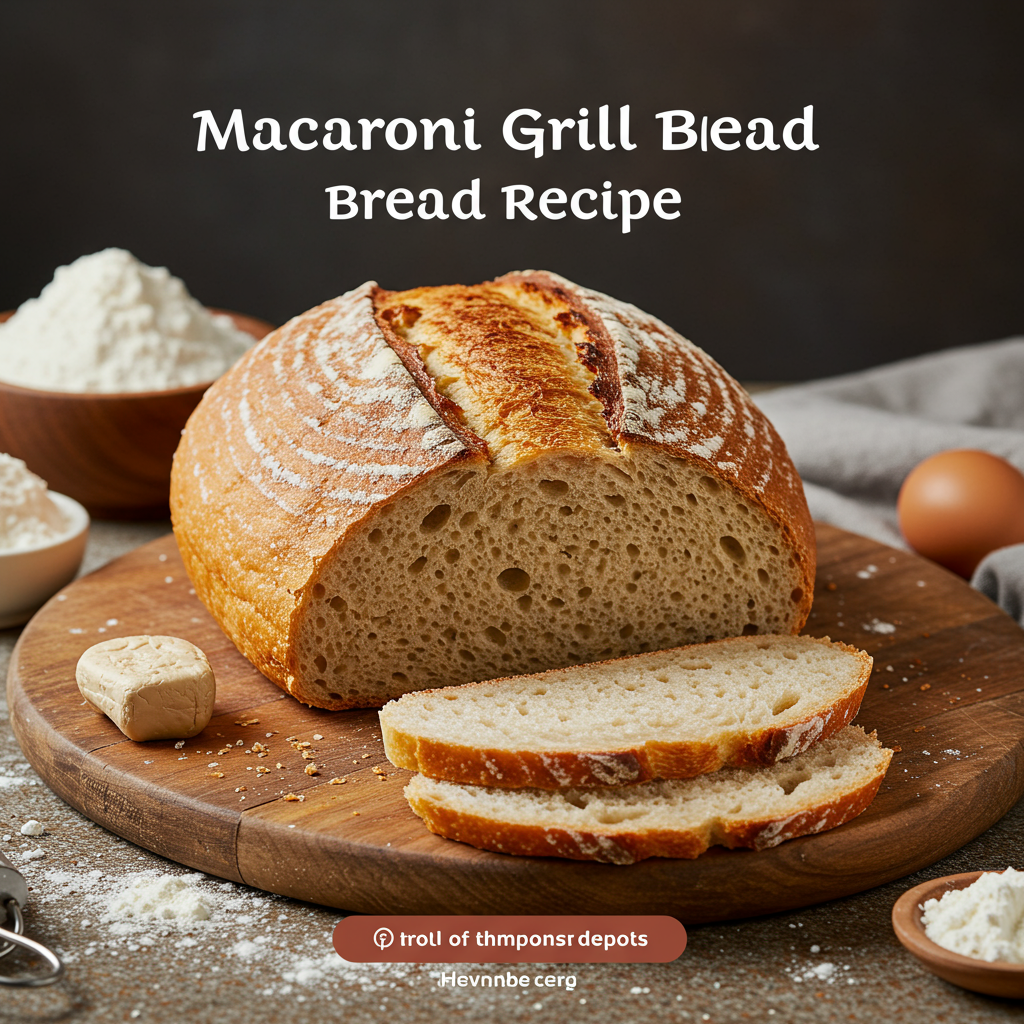
Craving Macaroni Grill Bread? Bake Your Own!
Welcome, aspiring bakers! Have you ever found yourself dreaming about that warm, crusty, perfectly chewy bread served at Macaroni Grill, especially when dipped in their amazing olive oil blend? You’re not alone! It’s a signature start to any meal there, and today, we’re going to demystify the process and show you how to recreate that magic right in your own kitchen. This isn’t just another recipe; it’s your ultimate guide to mastering the **Macaroni Grill Bread Recipe** from scratch. Even if you’ve never baked bread before, consider this your friendly, step-by-step tutorial for one of the most satisfying and **easy baking recipes** you’ll ever try. Get ready to impress yourself and your loved ones with fresh, homemade bread, armed with all the essential **baking tips for beginners** you’ll need!
Ingredients: What You’ll Need
Gathering your ingredients is the first step to baking success. Accuracy is key, especially with bread, so make sure to measure everything precisely. Here’s what you’ll need for this delightful bread:
| Ingredient | Quantity | Unit |
|---|---|---|
| Warm Water (105-115°F / 40-46°C) | 1 ¼ | cups |
| Active Dry Yeast | 2 ¼ | teaspoons |
| Granulated Sugar | 1 | tablespoon |
| All-Purpose Flour | 3 ½ – 4 | cups |
| Salt | 1 | teaspoon |
| Olive Oil (plus extra for brushing) | 2 | tablespoons |
| Optional: Dried Italian Herbs or Garlic Powder | ½ – 1 | teaspoon |
Step-by-Step Instructions: Your Guide to Perfect Bread
Don’t be intimidated! Baking bread is a rewarding process, and we’ll walk you through each step with clear explanations and beginner-friendly tips. Read through all the steps once before you start!
Step 1: Activate the Yeast (The Life of Your Bread)
In a large mixing bowl, combine the **warm water** (make sure it’s not too hot, which can kill the yeast, or too cold, which won’t activate it – a thermometer is your best friend here, aiming for bathwater temperature), **granulated sugar**, and **active dry yeast**. Give it a gentle stir. Let this mixture sit for 5-10 minutes. You’re looking for it to become frothy and foamy on top, like a cappuccino. This foam indicates that your yeast is alive and active – congratulations, you’ve brought your bread to life! If it doesn’t foam, your water might have been too hot or too cold, or your yeast might be old. In that case, start over with fresh yeast and properly tempered water.
Step 2: Mix the Dough (Bringing it All Together)
Once your yeast is bubbly, add **2 tablespoons of olive oil**, the **salt**, and about **2 cups of the all-purpose flour** to the yeast mixture. If you’re adding optional herbs or garlic powder, mix them in now. Stir everything together with a sturdy spoon or a spatula until a shaggy dough forms. Gradually add the remaining flour, about ½ cup at a time, mixing well after each addition. You might not need all 4 cups of flour; the goal is to reach a dough that is still slightly sticky but manageable. Once it becomes too stiff to stir, it’s time to get your hands dirty!
Beginner Tip: Resist the urge to add too much flour too quickly. A slightly stickier dough often leads to a more tender bread. You want the dough to pull away from the sides of the bowl but still feel soft.
Step 3: Knead the Dough (Building Strength)
Lightly flour a clean work surface (like your kitchen counter). Turn the dough out onto the floured surface. Now, it’s time to knead! Kneading develops the gluten, which gives bread its structure and chewiness. Push the dough away from you with the heels of your hands, fold it back over itself, give it a quarter turn, and repeat. Continue kneading for 8-10 minutes. The dough should become smooth, elastic, and less sticky. You’ll know it’s ready when you can stretch a small piece of dough thin enough to see light through it without it tearing (the “windowpane test”).
Common Mistake: Not kneading enough can result in dense, crumbly bread. Kneading too much is rare by hand, but if you’re using a stand mixer, stop once it passes the windowpane test to avoid tough bread.
Alternative: Stand Mixer Method: If you have a stand mixer with a dough hook, attach it and knead on low-medium speed for 6-8 minutes after combining ingredients. It will do all the hard work for you!
Step 4: First Rise (Bulk Fermentation)
Lightly grease a clean large bowl with a little olive oil. Place your kneaded dough into the bowl, turning it once to coat the top with oil (this prevents it from drying out). Cover the bowl tightly with plastic wrap or a clean kitchen towel. Find a warm, draft-free spot in your kitchen for the dough to rise. This could be a slightly warm oven (turned off!), near a sunny window, or just on your countertop if your kitchen is warm enough. Let it rise for 1 to 1 ½ hours, or until it has roughly doubled in size. This is where flavor develops!
What to Look For: The dough should look visibly larger, puffier, and feel light when you gently poke it. If it doesn’t double, your yeast might have been sluggish, or the environment wasn’t warm enough. Give it more time, or move it to a warmer spot.
Step 5: Punch Down and Shape (Getting Ready for the Oven)
Once doubled, gently “punch down” the dough to release the air. Don’t be too aggressive; just a gentle deflate. Turn the dough out onto a lightly floured surface. You can shape it into one large oval loaf, similar to Macaroni Grill’s, or divide it into 8-12 smaller rolls. For an oval loaf, gently flatten the dough into a rectangle, then roll it up tightly from one long side, pinching the seam closed. Place it seam-side down on a baking sheet lined with parchment paper.
Tip for Shaping: Try to handle the dough as little as possible during shaping to keep as much of the trapped air as you can. For rolls, divide the dough, then gently cup each piece with your hand on the counter and roll in a circular motion to form a smooth ball.
Step 6: Second Rise (Proofing)
Cover your shaped loaf or rolls loosely with plastic wrap or a clean kitchen towel. Let them rise again in a warm, draft-free place for another 30-45 minutes, or until they look noticeably puffy and almost doubled in size again. This second rise, called proofing, ensures a light and airy texture. While they are rising, preheat your oven to **375°F (190°C)**.
Common Mistake: Over-proofing: If the dough rises too long in the second rise, it can collapse in the oven or have a coarse texture. Gently poke the dough; if the indentation springs back slowly, it’s ready. If it springs back immediately, it needs more time. If it collapses, it’s over-proofed.
Step 7: Bake to Golden Perfection
Once your oven is preheated and your bread has finished its second rise, place the baking sheet in the preheated oven. Bake for 20-25 minutes for a large loaf, or 15-20 minutes for smaller rolls, or until the crust is golden brown and the bread sounds hollow when tapped on the bottom. For extra assurance, an instant-read thermometer inserted into the center of the loaf should register between 200-210°F (93-99°C).
Golden Touch: For that signature Macaroni Grill finish, immediately after taking the hot bread out of the oven, lightly brush the top with a little extra olive oil. This adds shine, flavor, and helps keep the crust soft. If desired, sprinkle with a pinch of sea salt or dried Italian herbs.
Step 8: Cool and Enjoy!
Transfer the baked bread to a wire rack to cool for at least 15-20 minutes before slicing. While it’s tempting to cut into it right away, cooling allows the internal structure to set and prevents a gummy texture. Serve warm with your favorite olive oil and balsamic vinegar dip, just like at Macaroni Grill!
Tips & Tricks for Beginner Bread Bakers
Baking bread is an art and a science, but these tips will set you up for success:
- Measure Accurately: Especially flour. Too much flour can lead to dense, dry bread. Use the “spoon and level” method: spoon flour into your measuring cup, then level off the top with a straight edge, rather than scooping directly from the bag.
- Water Temperature is Crucial: Yeast is sensitive! Use a thermometer to ensure your water is between 105-115°F (40-46°C). Too cold, and it won’t activate; too hot, and it will die.
- Don’t Rush the Rise: Patience is a virtue in bread baking. The rising process is essential for flavor development and texture. If your kitchen is cool, try placing the dough in a turned-off oven with just the light on, or in a microwave with a cup of hot water next to it (after heating the water in the microwave).
- Oven Temperature Matters: An oven thermometer can be a game-changer. Ovens can fluctuate, and an accurate temperature ensures even baking.
- Humidity’s Role: On humid days, you might need slightly more flour; on dry days, slightly less. Pay attention to the dough’s feel rather than just sticking to the exact flour measurement.
- Storage: Store leftover bread at room temperature in an airtight container or bread bag for 2-3 days. For longer storage, slice and freeze for up to 3 months, then toast as needed.
- Experiment with Flavor: Once you’ve mastered the basic recipe, try adding garlic powder, onion powder, dried rosemary, or even a little grated Parmesan cheese to the dough for an extra flavor boost!
Essential Baking Tools
Having the right tools makes baking easier and more enjoyable. Here are a few essentials you’ll want to have on hand:
- Mixing Bowl: A large, sturdy bowl is indispensable for mixing and rising dough.
- Whisk: Great for combining dry ingredients and activating yeast.
- Baking Pan: A reliable baking sheet or loaf pan for shaping and baking your bread.
- Measuring Cups & Measuring Spoons: Accuracy is key in baking, so good quality sets are a must.
- Spatula: For scraping bowls and handling dough.
- Kitchen Scale: (Optional but highly recommended for accuracy, especially with flour)
- Instant-Read Thermometer: (For water temperature and checking bread doneness)
Nutrition Information (Estimated per serving)
Here’s an estimated nutritional breakdown for one serving (approximately 1/12th of a loaf, or one small slice). Please note these are estimates and can vary based on exact ingredients and portion sizes.
| Nutrient | Amount |
|---|---|
| Calories | 140-160 kcal |
| Carbohydrates | 28-32g |
| Protein | 4-5g |
| Fat | 2-3g |
| Fiber | 1-2g |
| Sugar | 1-2g |
Frequently Asked Questions (FAQs)
Q1: My yeast didn’t foam. What went wrong?
A: The most common reasons are incorrect water temperature (too hot kills the yeast, too cold doesn’t activate it) or expired/inactive yeast. Always check the expiration date on your yeast and ensure your water is between 105-115°F (40-46°C). If it doesn’t foam, discard and start again with fresh yeast and properly tempered water.
Q2: My dough isn’t rising. What should I do?
A: Patience! Ensure your dough is in a warm, draft-free environment. If your kitchen is cool, try placing it in a turned-off oven with the light on (the light generates enough warmth), or in a microwave with a cup of hot water next to it. If it still doesn’t rise after a long time (2+ hours), your yeast might have been inactive (refer to Q1), and you might need to start over.
Q3: How do I know if my bread is fully baked?
A: The crust should be golden brown, and when you tap the bottom of the loaf, it should sound hollow. For the most accurate reading, an instant-read thermometer inserted into the center of the loaf should register between 200-210°F (93-99°C).
Q4: Can I use whole wheat flour for this recipe?
A: Yes, you can substitute some of the all-purpose flour with whole wheat flour, but it will change the texture and density. Whole wheat flour absorbs more liquid, so you might need to add a little extra water. For a beginner, we recommend starting with all-purpose flour for the best results, or substituting no more than 1 cup of whole wheat flour initially.
Q5: Can I prepare the dough ahead of time?
A: Absolutely! After the first rise (Step 4), you can punch down the dough, place it in a lightly oiled bowl, cover it tightly with plastic wrap, and refrigerate it for up to 24 hours. When you’re ready to bake, take the dough out, let it come to room temperature for about 30-60 minutes, and then proceed with shaping (Step 5) and the second rise (Step 6).
Q6: How should I store leftover Macaroni Grill bread?
A: Store the cooled bread in an airtight container or a bread bag at room temperature for up to 2-3 days. For longer storage, slice the bread and freeze it in a freezer-safe bag for up to 3 months. You can then toast individual slices directly from frozen.
Conclusion: Your Homemade Bread Awaits!
Congratulations, you’ve made it! By following these detailed steps, you now have the knowledge and confidence to bake your very own, incredibly delicious Macaroni Grill-style bread. There’s truly nothing quite like the smell of fresh bread baking in your kitchen, or the taste of a warm, crusty slice pulled straight from the oven. This recipe is more than just ingredients and instructions; it’s an invitation to experience the joy and satisfaction of creating something wonderful with your own hands. Don’t be afraid to experiment, and remember that every bake is a learning experience. So go ahead, grab that olive oil, and enjoy the fruits of your labor. Happy baking!
“`