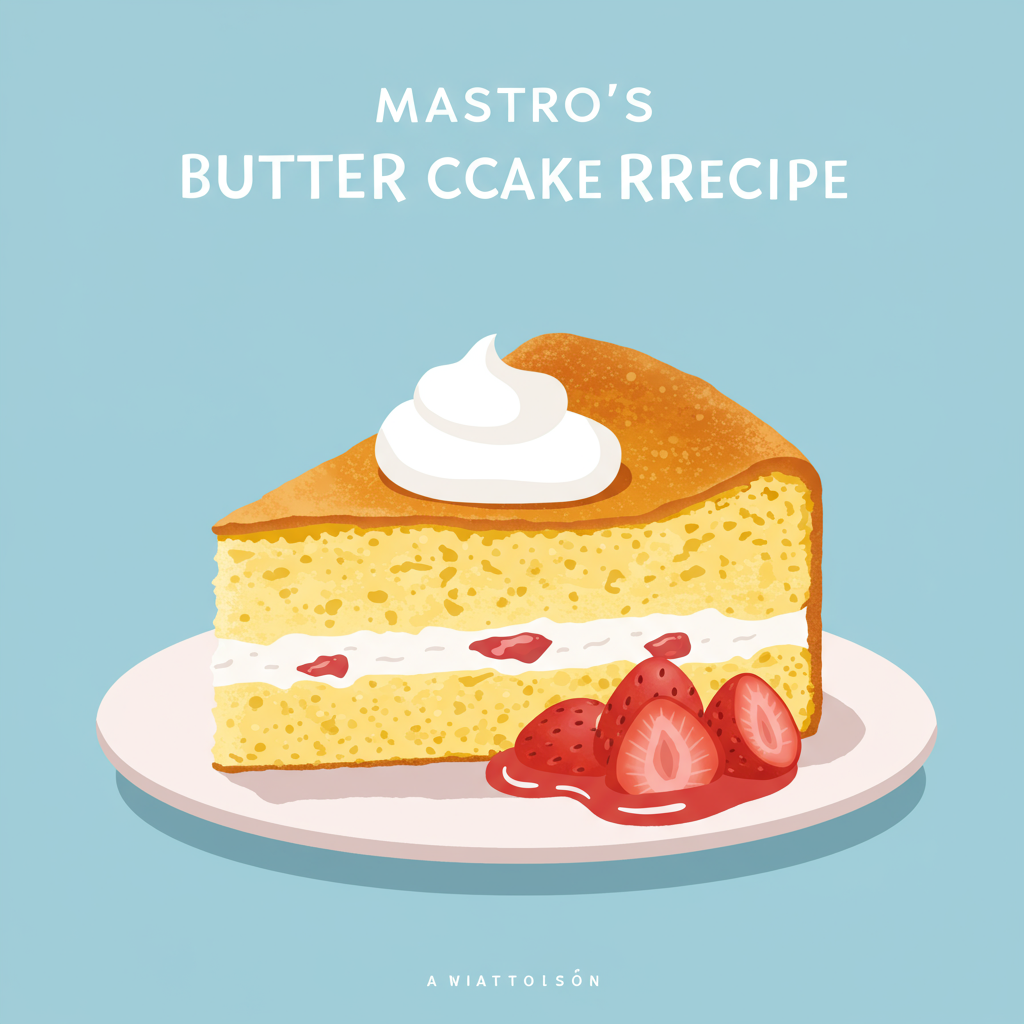
Welcome, fellow dessert lovers and aspiring bakers! Get ready to embark on a delicious journey to create a legendary dessert right in your own kitchen. If you’ve ever had the pleasure of tasting the iconic butter cake from Mastro’s Steakhouse, you know it’s a warm, gooey, utterly irresistible dream. While their exact recipe is a closely guarded secret, we’ve crafted a delightful, beginner-friendly Mastro’S Butter Cake Recipe that captures all the rich, buttery essence you crave, made accessible for home bakers of all skill levels.
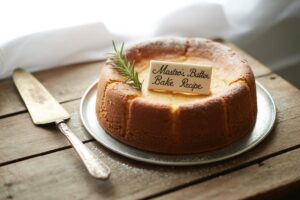
Forget intimidating techniques; this recipe is designed to be one of the easiest baking recipes you’ll ever try. We’ll walk you through every single step with detailed baking tips for beginners, ensuring your first (or hundredth!) butter cake turns out perfectly moist, golden, and absolutely heavenly. Prepare to impress yourself and everyone lucky enough to get a slice of this pure indulgence!
Ingredients List
Gather your ingredients! For the best results, ensure your butter and eggs are at room temperature – this is key for a smooth, emulsified batter.
| Ingredient | Quantity | Unit |
|---|---|---|
| Unsalted Butter (room temperature) | 1.5 | sticks (12 tbsp / 170g) |
| Granulated Sugar | 1.5 | cups |
| Large Eggs (room temperature) | 2 | |
| All-Purpose Flour | 1.5 | cups |
| Baking Powder | 1.5 | teaspoons |
| Salt | 0.5 | teaspoon |
| Whole Milk (room temperature) | 0.75 | cup |
| Vanilla Extract | 1 | teaspoon |
| For Serving (Optional) | ||
| Powdered Sugar | for dusting | |
| Fresh Berries | ||
| Vanilla Bean Ice Cream or Whipped Cream | ||
Step-by-Step Instructions: Baking Your Perfect Butter Cake
Follow these detailed steps carefully, and you’ll be enjoying a warm, golden butter cake in no time! Remember, baking is a science, but it’s also a lot of fun.
-
Preheat Your Oven and Prepare Your Pan:
Before you even start mixing, preheat your oven to 350°F (175°C). This ensures your oven is at the correct temperature when the cake goes in, which is crucial for even baking. Next, take an 8×8 inch (or 9×9 inch) square baking pan. Generously grease the bottom and sides with butter or baking spray. For extra insurance against sticking, you can also line the bottom with parchment paper, leaving an overhang on two sides to easily lift the cake out later. This small step can save you a lot of headache!
-
Whisk Together Dry Ingredients:
In a medium bowl, combine your all-purpose flour, baking powder, and salt. Use a whisk to thoroughly mix these ingredients for about 30 seconds. Why do we do this? Whisking ensures that the baking powder and salt are evenly distributed throughout the flour, which leads to a consistent rise and flavor in your cake. If they’re clumped, parts of your cake might not rise properly, or some bites might be too salty.
-
Cream Butter and Sugar:
In a large mixing bowl (or the bowl of a stand mixer fitted with the paddle attachment), add your room temperature unsalted butter and granulated sugar. Beat them together on medium speed for 3-5 minutes, or until the mixture is light in color and fluffy in texture. This process, called “creaming,” incorporates air into the butter and sugar, which is essential for a tender and light cake. Beginner Tip: If your butter isn’t quite room temperature, cut it into small pieces and let it sit for 10-15 minutes, or gently microwave for 5-10 seconds (be careful not to melt it!).
-
Add Eggs, One at a Time:
With the mixer still on medium speed, add the large eggs, one at a time. Beat well after each addition, scraping down the sides of the bowl with a rubber spatula as needed. This ensures everything is fully incorporated. The mixture might look a little curdled after the first egg, but it will come together as you add the others and continue to beat. The eggs add moisture, richness, and structure to the cake.
-
Alternate Dry and Wet Ingredients:
Now it’s time to combine your dry and wet mixtures. Reduce your mixer speed to low. Add about one-third of the dry ingredient mixture to the butter-sugar-egg mixture, and mix until just combined. Then, pour in half of the room temperature whole milk and mix until just combined. Repeat this process: add another third of the dry ingredients, mix, then add the remaining milk, mix, and finally add the last third of the dry ingredients. Mix until just combined – meaning no streaks of flour remain, but do not overmix!
Common Mistake & Tip: Overmixing develops the gluten in the flour, which can lead to a tough, dense cake. We want a tender cake, so mix only until the ingredients are incorporated. Scrape down the sides and bottom of the bowl one last time with your spatula to catch any unmixed bits.
-
Stir in Vanilla Extract:
Add the vanilla extract to the batter and mix on low speed for just a few seconds until incorporated. Vanilla adds a wonderful depth of flavor to the butter cake.
-
Pour into Prepared Pan:
Pour the cake batter evenly into your greased (and possibly parchment-lined) 8×8 inch baking pan. Use your spatula to spread it evenly to the edges.
-
Bake to Golden Perfection:
Transfer the pan to your preheated oven. Bake for 35-45 minutes, or until a wooden skewer or toothpick inserted into the center comes out with moist crumbs attached, but not wet batter. The cake should be golden brown on top and feel springy to the touch. Beginner Tip: Avoid opening the oven door too early or too often, especially during the first 20 minutes, as this can cause your cake to sink. Every oven is different, so start checking around the 35-minute mark.
-
Cool and Serve:
Once baked, remove the cake from the oven and let it cool in the pan on a wire rack for at least 15-20 minutes. This allows the cake to set and firm up before you attempt to move it. If you used parchment paper, you can then gently lift the cake out of the pan and transfer it to the wire rack to cool completely. For a warm, gooey Mastro’s experience, serve it slightly warm! Dust with powdered sugar, and pair with fresh berries, a scoop of vanilla bean ice cream, or a dollop of fresh whipped cream.
Tips & Tricks for Butter Cake Success
Baking is an art, but with these foundational tips, you’ll be a master in no time!
- Room Temperature Ingredients are Non-Negotiable: This is arguably the most crucial tip! Room temperature butter creams smoothly with sugar, incorporating air for a light texture. Room temperature eggs and milk emulsify better with the butter mixture, preventing a curdled batter and resulting in a smoother, more uniform cake crumb. Plan ahead and take them out of the fridge at least 30-60 minutes before baking.
- Measure Accurately: Baking is a science. Use proper measuring cups and spoons. For flour, spoon it into your measuring cup and then level it off with the back of a knife – don’t scoop directly from the bag, as this compacts the flour and you’ll end up with too much.
- Don’t Overmix: Once you add the flour, mix only until just combined. Overmixing develops gluten, which can make your cake tough and dense instead of tender and moist.
- Know Your Oven: Ovens can vary significantly in temperature. Consider getting an inexpensive oven thermometer to ensure your oven is truly at the temperature you set it to. This helps prevent under or overbaking.
- Scrape the Bowl: Regularly scrape down the sides and bottom of your mixing bowl with a rubber spatula, especially when creaming butter and sugar and after adding eggs. This ensures all ingredients are fully incorporated and prevents unmixed pockets of batter.
- Don’t Rush Cooling: Letting the cake cool in the pan for the recommended time allows it to firm up and prevents it from breaking when you try to remove it. Patience is a virtue in baking!
Essential Baking Tools
Having the right tools makes all the difference for a smooth baking experience!
- Mixing Bowls (various sizes)
- Whisk
- 8×8 or 9×9 inch Square Baking Pan
- Measuring Cups and Measuring Spoons
- Rubber Spatula
- Electric Mixer (handheld or stand mixer)
- Wire Cooling Rack
Estimated Nutrition Information (per serving)
(Based on 12 servings)
| Nutrient | Amount |
|---|---|
| Calories | 320 kcal |
| Carbohydrates | 40g |
| Protein | 4g |
| Fat | 16g |
| Fiber | 1g |
| Sugar | 28g |
Frequently Asked Questions (FAQs)
Got questions? We’ve got answers to help you bake with confidence!
- Why do my ingredients need to be at room temperature?Room temperature butter creams better with sugar, creating air pockets for a lighter cake. Room temperature eggs and milk incorporate more smoothly into the batter, preventing a curdled mixture and resulting in a more uniform and tender crumb. Cold ingredients can make your batter lumpy and dense.
- How do I know if my butter cake is done baking?The cake is done when the top is golden brown, the edges are slightly pulled away from the pan, and the center springs back when lightly touched. The most reliable test is inserting a wooden skewer or toothpick into the center; it should come out with moist crumbs attached, but no wet batter.
- My cake sank in the middle, what went wrong?Several factors can cause a cake to sink: opening the oven door too early (especially in the first 20 minutes), oven temperature being too low (or fluctuating), using too much leavening (baking powder), or underbaking the cake, which means its structure hasn’t fully set.
- Can I make this butter cake ahead of time?Absolutely! This butter cake can be baked a day in advance. Store it covered at room temperature. For that signature warm, gooey experience, gently reheat individual slices in the microwave for 15-30 seconds before serving.
- Can I use a different size baking pan?Yes, but you may need to adjust the baking time. For example, if using a 9-inch round pan, the baking time might be similar. If you use a larger pan (like a 9×13 inch), the cake will be thinner and bake faster (around 25-35 minutes). Always use the toothpick test for doneness.
Conclusion: Your Delicious Butter Cake Awaits!
And there you have it! A simple, straightforward, and incredibly rewarding recipe for a butter cake that rivals the best. This Mastro’S Butter Cake Recipe isn’t just about baking a dessert; it’s about building confidence in the kitchen and discovering the joy of creating something truly special with your own hands. Whether you’re serving it warm with a scoop of ice cream, a dusting of powdered sugar, or fresh berries, this rich, moist cake is sure to become a beloved staple in your recipe collection.
Don’t be afraid to experiment, and most importantly, have fun with it! We’d love to see your creations. Share your butter cake triumphs in the comments below!