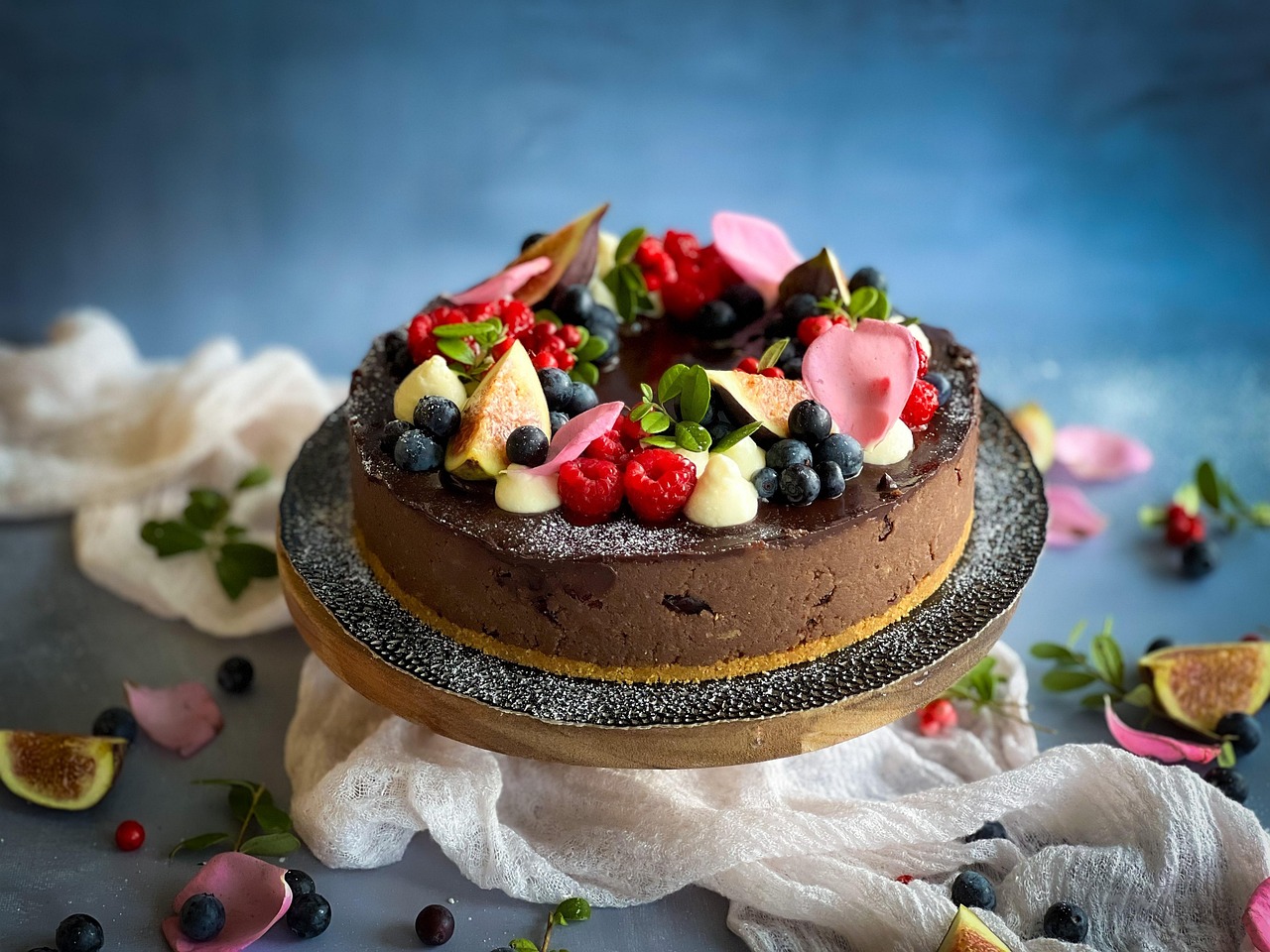
Craving a delightful treat that’s both elegant and incredibly easy to make? Our Mini Rum Cake Recipe is your perfect introduction to the joyful world of baking! Forget intimidating techniques; this recipe is designed with baking tips for beginners in mind, ensuring a successful and delicious outcome every time. You’ll be amazed at how simple it is to whip up these moist, boozy, and utterly irresistible individual cakes. Get ready to impress yourself and your loved ones with one of the best easy baking recipes out there! These mini cakes are perfect for parties, gifts, or just a delightful treat for yourself. Let’s get baking!
Ingredients for Mini Rum Cakes
Gather your ingredients! For the best results, make sure your butter and eggs are at room temperature.
| Ingredient | Quantity | Unit |
|---|---|---|
| For the Mini Cakes: | ||
| All-purpose flour | 1 ½ | cups |
| Baking powder | 1 ½ | teaspoons |
| Salt | ¼ | teaspoon |
| Unsalted butter (room temp) | ½ | cup (1 stick) |
| Granulated sugar | 1 | cup |
| Large eggs (room temp) | 2 | |
| Vanilla extract | 1 | teaspoon |
| Milk | ½ | cup |
| For the Rum Glaze: | ||
| Unsalted butter | ½ | cup (1 stick) |
| Granulated sugar | ¼ | cup |
| Water | ¼ | cup |
| Dark rum | ½ | cup |
| Vanilla extract | ½ | teaspoon |
Step-by-Step Instructions: Baking Your Mini Rum Cakes
Follow these detailed steps carefully for the best mini rum cakes. Don’t worry, we’ll guide you through every part!
1. Prepare Your Baking Station
- Preheat Oven: Start by preheating your oven to 325°F (160°C). Getting the oven to the correct temperature *before* you put the cakes in is crucial for even baking.
- Prepare Pans: Generously grease and flour your mini bundt cake pans (usually a 6-cavity or 12-cavity pan). If you don’t have mini bundt pans, a standard muffin tin can work, but the shape will be different. For muffin tins, use cupcake liners or just grease and flour the cavities. Beginner Tip: A non-stick baking spray with flour (like Baker’s Joy) works wonders here and saves time! Make sure every nook and cranny is coated to prevent sticking.
2. Mix the Dry Ingredients
- Whisk Dry Ingredients: In a medium bowl, whisk together the 1 ½ cups of all-purpose flour, 1 ½ teaspoons of baking powder, and ¼ teaspoon of salt. Whisking ensures these ingredients are evenly distributed, which helps the cake rise properly. Set aside.
3. Cream the Wet Ingredients
- Cream Butter and Sugar: In a large mixing bowl (using either a stand mixer with a paddle attachment or a hand mixer), cream together the ½ cup (1 stick) of room temperature unsalted butter and 1 cup of granulated sugar. Beat on medium speed for 2-3 minutes until the mixture is light, fluffy, and pale yellow. Beginner Tip: Room temperature butter is key! It incorporates air much better, resulting in a lighter cake texture.
- Add Eggs: Add the 2 large room temperature eggs, one at a time, beating well after each addition. Scrape down the sides of the bowl to ensure everything is incorporated.
- Add Vanilla: Stir in 1 teaspoon of vanilla extract.
4. Combine Wet and Dry Mixtures
- Alternate Adding Dry and Wet: With the mixer on low speed, gradually add the dry ingredients to the wet ingredients, alternating with the ½ cup of milk. Begin and end with the dry ingredients. For example: add ⅓ of the flour mixture, mix until just combined, then add ½ of the milk, mix, then another ⅓ of the flour, mix, the remaining milk, mix, and finally the last ⅓ of the flour mixture.
- Do Not Overmix: Mix until *just* combined and no streaks of flour remain. Crucial Beginner Tip: Overmixing develops the gluten in the flour, leading to a tough, dry cake. Mix until barely combined!
5. Bake the Mini Cakes
- Fill Pans: Divide the cake batter evenly among your prepared mini bundt cavities or muffin tin. Fill each cavity about ⅔ full.
- Bake: Bake for 20-25 minutes, or until a wooden skewer or toothpick inserted into the center of a cake comes out clean. Baking times can vary by oven, so keep an eye on them after 20 minutes.
- Cool in Pan: Once baked, remove the pans from the oven and let the cakes cool in the pans for about 10 minutes. This allows them to firm up slightly, making them easier to remove.
- Invert and Cool Completely: After 10 minutes, carefully invert the cakes onto a wire rack to cool completely. If they stick, gently loosen the edges with a knife. Allow them to cool fully before glazing.
6. Make the Rum Glaze
- Melt Ingredients: While the cakes are cooling, prepare the glaze. In a small saucepan over medium heat, combine ½ cup (1 stick) of unsalted butter, ¼ cup of granulated sugar, and ¼ cup of water. Stir constantly until the butter is melted and the sugar is completely dissolved. Bring the mixture to a gentle boil.
- Boil Briefly: Let it boil for 1-2 minutes, stirring occasionally.
- Remove from Heat and Add Rum/Vanilla: Remove the saucepan from the heat. Carefully stir in ½ cup of dark rum and ½ teaspoon of vanilla extract. Be careful as the steam will be boozy!
7. Soak and Serve!
- Soak Cakes: Once the cakes are completely cool, place them back on the wire rack. You can place a baking sheet or foil underneath the rack to catch any drips from the glaze.
- Drizzle or Brush: Slowly and generously drizzle or brush the warm rum glaze over each mini cake. Allow the glaze to soak in for a few minutes, then apply a second layer for maximum rum flavor and moisture. Beginner Tip: You can also gently poke holes in the cakes with a toothpick before glazing to help the glaze penetrate deeper.
- Let Set: Let the cakes sit for at least 30 minutes to an hour for the glaze to fully absorb and set.
- Serve: Serve your delicious Mini Rum Cakes and enjoy the fruits of your labor!
Tips & Tricks for Beginner Bakers
Baking is a science, but it doesn’t have to be intimidating! Here are some extra pointers to ensure your Mini Rum Cakes turn out perfectly every time:
- Room Temperature Ingredients are Key: This isn’t just a suggestion! Room temperature butter and eggs emulsify better with sugar, creating a smoother batter that traps air more efficiently, resulting in a lighter, fluffier cake.
- Measure Accurately: Baking relies on precise measurements. Use proper measuring cups for dry ingredients (levelled off with a straight edge) and liquid measuring cups for liquids. Don’t eyeball it!
- Don’t Overmix: We mentioned it in the instructions, but it bears repeating. Overmixing develops gluten, which makes cakes tough. Mix only until ingredients are just combined.
- Oven Calibration: Oven temperatures can vary. If your cakes are browning too quickly or taking too long, consider investing in an oven thermometer to ensure accuracy.
- Cooling is Crucial: Don’t rush the cooling process! Removing cakes too early can cause them to break. Letting them cool completely before glazing also prevents the glaze from melting off.
- Non-Alcoholic Alternative: If you prefer a non-alcoholic version, you can substitute the rum in the glaze with rum extract (use 1-2 teaspoons, adjusting to taste) and increase the water or use apple juice for the remaining liquid.
- Storage: Store rum cakes at room temperature in an airtight container for up to 3-4 days. The rum acts as a natural preservative!
Essential Baking Tools for Your Kitchen
Having the right tools makes baking much easier and more enjoyable. Here are some essentials for this recipe and beyond:
- Mixing Bowl Set
- Whisk
- Mini Bundt Baking Pan (or Muffin Tin)
- Measuring Cups & Spoons
- Rubber Spatula
- Wire Cooling Rack
Nutrition Information (Estimated per Mini Cake)
Please note: These are estimated values and can vary based on exact ingredients and portion sizes.
| Nutrient | Amount |
|---|---|
| Calories | 380 kcal |
| Carbohydrates | 45g |
| Protein | 3g |
| Fat | 20g |
| Fiber | 0.5g |
| Sugar | 30g |
Frequently Asked Questions (FAQs)
Can I make these Mini Rum Cakes ahead of time?
Absolutely! Rum cakes actually taste better the next day as the rum glaze has more time to fully soak into the cake, making them incredibly moist and flavorful. Store them in an airtight container at room temperature for up to 3-4 days.
What kind of rum should I use for the glaze?
Dark rum is traditional and provides a richer, deeper flavor. However, you can also use light rum or spiced rum if that’s what you have on hand. The flavor profile will change slightly, but it will still be delicious!
My cakes stuck to the pan! What did I do wrong?
This is a common issue! The most likely culprit is insufficient greasing and flouring of your pans. Ensure you generously coat every crevice, especially with intricate mini bundt pans. Using a non-stick baking spray with flour is highly recommended. Also, make sure to let the cakes cool in the pan for the recommended 10 minutes before inverting; this allows them to firm up.
Can I omit the rum entirely?
Yes, you can! For a non-alcoholic version, substitute the rum in the glaze with an equal amount of apple juice or orange juice, and add 1-2 teaspoons of rum extract (adjust to taste) for that characteristic flavor without the alcohol. You’ll still get a wonderfully moist and flavorful cake.
Why did my cakes sink in the middle?
Several factors can cause cakes to sink: opening the oven door too early (before they’re set), overmixing the batter, using old or expired leavening agents (baking powder), or an oven that’s too cool. Always check your baking powder’s expiration date and resist the urge to peek at your cakes until close to the end of the baking time!
Conclusion
And there you have it – your very own batch of irresistible Mini Rum Cakes! We hope this detailed, beginner-friendly guide made your baking experience a joy. These little bundles of boozy sweetness are perfect for any occasion, and you’ll be proud to say you made them yourself. Don’t be afraid to experiment and make this recipe your own. Happy baking, and we can’t wait to hear about your delicious creations!