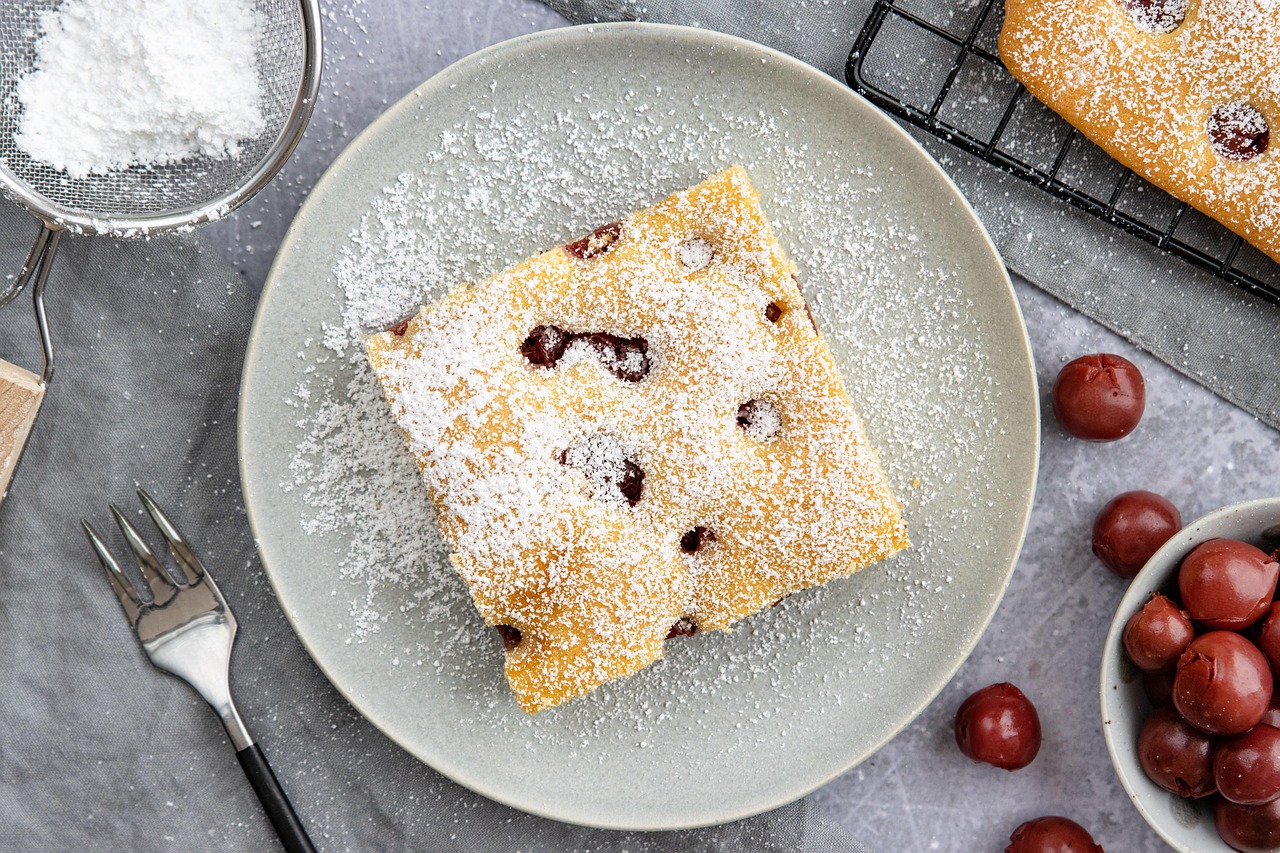
Are you new to the wonderful world of baking? Or perhaps you’ve tried a few recipes, but haven’t quite mastered that consistently soft and tender crumb? You’ve come to the right place! Today, we’re diving into one of the most rewarding and forgiving bakes: a truly Moist Loaf Cake Recipes. This isn’t just any recipe; it’s designed to be one of the most easy baking recipes you’ll ever try, packed with comprehensive baking tips for beginners to ensure your success. Forget dry, crumbly cakes prepare to impress yourself and everyone else with a loaf cake that’s bursting with flavor and boasts an irresistibly moist texture. Get ready to transform simple ingredients into a delicious masterpiece!
Why a Loaf Cake is Perfect for Beginners

Loaf cakes are incredibly versatile and forgiving. They don’t require fancy decorating skills or intricate layering. Their rustic charm is part of their appeal, and the simplicity of the process makes them an ideal starting point for anyone looking to build confidence in the kitchen. Plus, who can resist a slice of homemade cake with their morning coffee or afternoon tea?
Essential Ingredients for Your Moist Loaf Cake
Great baking starts with great ingredients. For the best results, ensure your butter and eggs are at room temperature – this is a small but mighty secret for a truly moist cake!
| Ingredient | Quantity | Unit |
|---|---|---|
| All-Purpose Flour | 1 ¾ | cups |
| Granulated Sugar | 1 ½ | cups |
| Baking Powder | 2 | teaspoons |
| Salt | ½ | teaspoon |
| Unsalted Butter (softened) | ½ | cup (1 stick) |
| Large Eggs (room temperature) | 2 | large |
| Whole Milk (room temperature) | ¾ | cup |
| Vanilla Extract | 1 | teaspoon |
Step-by-Step Instructions: Baking Your Perfect Loaf Cake
Follow these detailed steps closely, and you’ll be enjoying a slice of homemade heaven in no time. Remember, baking is a science, but it’s also a journey of discovery!
Step 1: Prepare Your Oven and Pan
- Preheat Your Oven: Adjust your oven rack to the middle position. Preheat your oven to 350°F (175°C). An accurately preheated oven is crucial for even baking. If your oven tends to run hot or cold, consider using an oven thermometer.
- Prepare Your Loaf Pan: Grease a 9×5-inch (23×13 cm) loaf pan thoroughly with butter or non-stick cooking spray. For extra security against sticking, you can also line the bottom and two long sides with parchment paper, leaving an overhang to easily lift the cake out later. This is a fantastic trick for beginners!
Step 2: Combine Dry Ingredients
- Whisk Dry Ingredients: In a medium-sized bowl, whisk together the all-purpose flour, granulated sugar, baking powder, and salt. Whisking ensures that the leavening agent (baking powder) is evenly distributed, which helps the cake rise uniformly. Set this bowl aside.
Step 3: Cream Butter and Sugar
- Cream Butter and Sugar: In a large mixing bowl (or the bowl of a stand mixer with the paddle attachment), beat the softened unsalted butter on medium speed for about 1 minute until creamy.
- Add Sugar Gradually: Gradually add the granulated sugar to the butter, beating on medium-high speed for 2-3 minutes until the mixture is light in color and fluffy. This process is called “creaming,” and it incorporates air into the butter, which contributes to the cake’s light texture. Scrape down the sides of the bowl as needed to ensure everything is well combined.
Step 4: Incorporate Eggs and Vanilla
- Add Eggs One at a Time: Crack the large eggs into a separate small bowl first (this helps catch any shell pieces!). Add them to the creamed butter and sugar mixture one at a time, beating well after each addition until just combined. Don’t overmix here; you just want them incorporated.
- Stir in Vanilla: Add the vanilla extract and mix until just combined. Vanilla adds a wonderful aroma and flavor that complements the sweetness of the cake.
Step 5: Alternate Wet and Dry Ingredients
This step is crucial for developing the right texture without overmixing.
- Add Dry Ingredients: With the mixer on low speed, add about one-third of the dry ingredient mixture to the wet ingredients. Mix until just combined – you should still see some streaks of flour.
- Add Milk: Pour in half of the whole milk. Mix until just combined.
- Repeat: Add another third of the dry ingredients, mix, then add the remaining milk, mix.
- Finish with Dry: Add the final third of the dry ingredients. Mix on low speed just until no dry streaks of flour remain. This is where many beginners make a mistake! Do not overmix! Overmixing develops gluten too much, which can lead to a tough, dense cake. A few small lumps are better than a tough cake.
Step 6: Bake Your Loaf Cake
- Pour into Pan: Pour the batter evenly into your prepared loaf pan. Use a spatula to gently smooth the top.
- Bake: Bake for 50-65 minutes, or until a wooden skewer or toothpick inserted into the center of the cake comes out clean or with a few moist crumbs attached, but no wet batter.
- Check for Doneness: If the top of the cake starts to brown too quickly, you can loosely tent it with aluminum foil for the last 15-20 minutes of baking.
Step 7: Cool and Serve
- Cool in Pan: Once baked, remove the loaf pan from the oven and let it cool in the pan on a wire rack for 10-15 minutes. This allows the cake to set and prevents it from breaking when you remove it.
- Transfer to Rack: After 10-15 minutes, carefully run a knife around the edges of the pan (if you didn’t use parchment paper) and then invert the cake onto the wire rack to cool completely. If you used parchment paper, simply lift it out.
- Enjoy! Slice and serve your delicious, moist loaf cake once it has cooled. It’s fantastic on its own, with a dusting of powdered sugar, or a simple glaze.
Tips & Tricks for Loaf Cake Perfection
Becoming a great baker means understanding the ‘why’ behind the ‘how.’ Here are some essential **baking tips for beginners** to elevate your loaf cake game:
- Room Temperature is Key: Ensure your butter, eggs, and milk are all at room temperature. This allows them to emulsify (blend smoothly) together, creating a uniform batter that traps air better, resulting in a lighter, moister cake. Cold ingredients can cause the batter to curdle and affect the texture.
- Measure Accurately: Baking is a precise science. Use proper measuring cups and spoons, and for dry ingredients like flour, spoon it into your measuring cup and then level it off with the back of a knife. Don’t scoop directly from the bag, as this compacts the flour and can add too much, leading to a dry cake.
- Don’t Overmix the Batter: Once you add the flour, mix only until just combined. Overmixing develops the gluten in the flour, making your cake tough and chewy instead of tender and moist. A few lumps are perfectly fine!
- Use an Oven Thermometer: Oven temperatures can vary widely. An inexpensive oven thermometer will tell you the true temperature of your oven, helping you avoid under or over-baking.
- Patience with Cooling: Resist the urge to slice your cake while it’s still hot! Cooling completely on a wire rack allows the cake’s internal structure to set, preventing it from crumbling and ensuring it retains its moisture.
- Flavor Variations: Get creative! Add 1 cup of chocolate chips, blueberries (toss them in a tablespoon of flour first to prevent sinking), or the zest of one lemon or orange to the batter for a delicious twist.
- Storage: Once completely cool, store your loaf cake in an airtight container at room temperature for up to 3-4 days to maintain its moisture.
Essential Baking Tools
Having the right tools makes all the difference, especially when you’re just starting out. These are the basics you’ll need for this (and many other!) delicious recipes:
- Mixing Bowl (a set of various sizes is great!)
- Whisk (both balloon and flat whisks are handy)
- 9×5 inch Loaf Pan (metal is generally preferred for even baking)
- Measuring Cups & Spoons (for accurate dry and liquid measurements)
- Rubber Spatula (essential for scraping bowls clean and folding)
- Electric Mixer (handheld or stand mixer)
- Parchment Paper (optional, but highly recommended for easy removal)
- Wire Cooling Rack
Nutrition Information (Estimated per slice, 12 servings)
Please note that these values are estimates and can vary based on exact ingredients and portion sizes.
| Nutrient | Amount |
|---|---|
| Calories | 320 kcal |
| Carbohydrates | 48 g |
| Protein | 4 g |
| Fat | 14 g |
| Fiber | 1 g |
| Sugar | 30 g |
Frequently Asked Questions (FAQs) for Beginner Bakers
1. Why is my loaf cake dry?
A dry cake is usually a sign of overbaking or using too much flour. Ensure you’re measuring your flour correctly (spoon into the cup, then level off) and use an oven thermometer to verify your oven’s temperature. Always check for doneness with a toothpick and remove the cake as soon as it comes out clean.
2. Can I substitute oil for butter?
While you can, it will change the texture. Butter provides a richer flavor and helps with structure and browning. Oil often results in a slightly denser, more uniform crumb. If substituting, use a neutral-flavored oil like vegetable or canola oil in the same quantity, but be aware of the texture difference.
3. How do I know when my loaf cake is perfectly baked?
The best way is the “toothpick test.” Insert a wooden skewer or toothpick into the center of the cake. If it comes out clean or with a few moist crumbs attached (no wet batter), your cake is done. If it’s still wet, bake for a few more minutes and test again.
4. My cake sank in the middle! What went wrong?
Several factors can cause a cake to sink. Common culprits include opening the oven door too early (before the cake’s structure is set, usually the first 30-40 minutes), too much leavening agent (baking powder), or the cake being underbaked in the center. Ensure your oven temperature is accurate and resist peeking!
5. Can I add fruit or chocolate chips to this recipe?
Absolutely! For fruit like blueberries or chopped apples, toss them lightly in a tablespoon of flour before adding them to the batter. This helps prevent them from sinking to the bottom of the pan during baking. For chocolate chips or nuts, simply fold them into the batter at the very end.
6. How long will this loaf cake stay fresh?
Once completely cooled, store your loaf cake in an airtight container at room temperature. It will stay wonderfully moist and fresh for 3-4 days. You can also freeze slices individually wrapped in plastic wrap and then foil for up to 2-3 months.
Your Baking Journey Starts Now!
Congratulations, future master baker! You’ve just walked through the steps to creating a truly delightful and Moist Loaf Cake Recipes. Remember, every bake is a learning experience, and even experienced bakers have their off days. The most important ingredient you can bring to the kitchen is a sense of fun and a willingness to try. Don’t be afraid to experiment with flavors once you’ve mastered this basic recipe.
We hope these easy baking recipes and baking tips for beginners empower you to bake with confidence. Enjoy the process, savor the aroma, and delight in the delicious results. Happy baking, and we can’t wait to hear about your loaf cake triumphs!