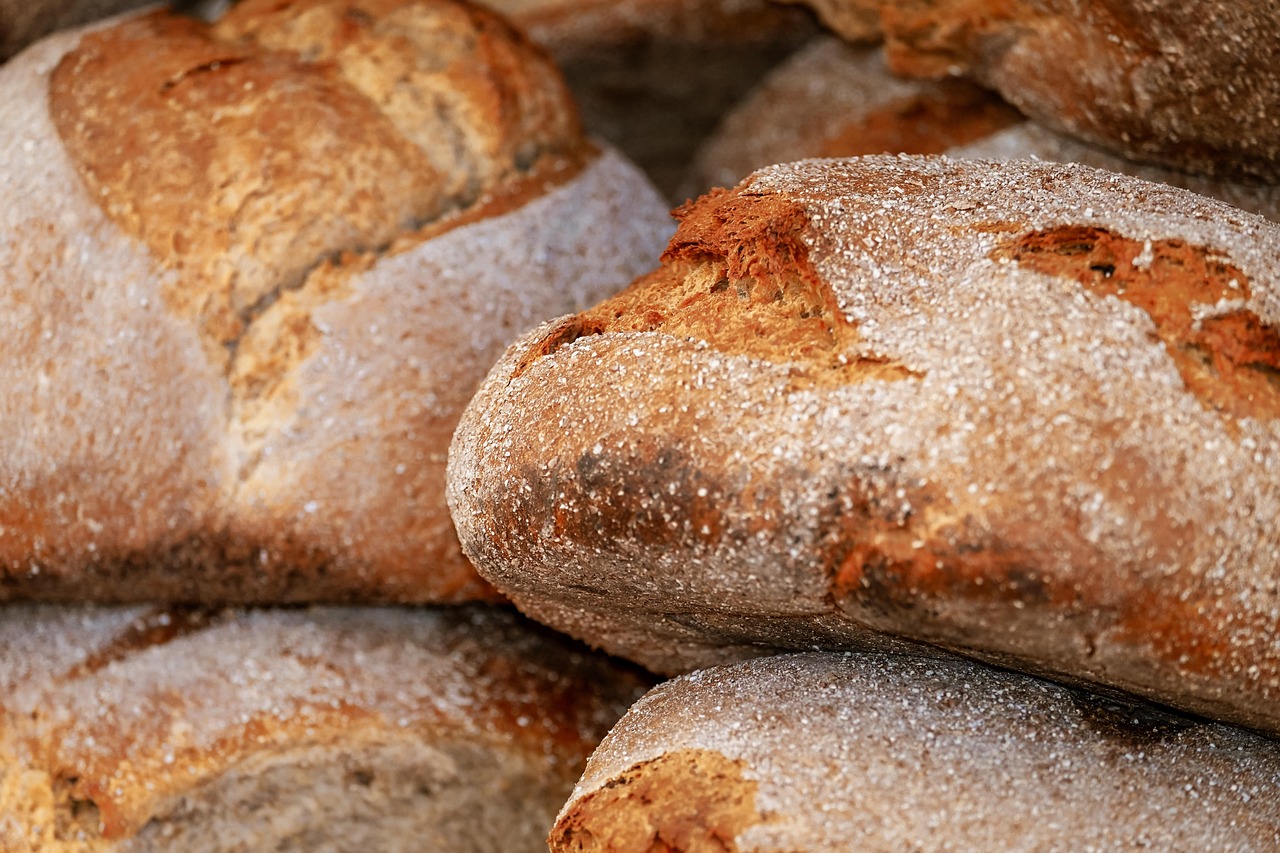
We’ll walk you through every step, sharing invaluable baking tips for beginners to ensure your first loaf (and every loaf after!) is a resounding success. Get ready to enjoy a delicious, nutritious, and incredibly satisfying homemade multigrain bread with minimal effort. Let’s get baking!
Gather Your Grains: The Ingredients You’ll Need
Using precise measurements is crucial for bread making, especially with a bread machine. Make sure to level off your dry ingredients!
| Ingredient | Quantity | Unit |
|---|---|---|
| Warm Water (105-115°F / 40-46°C) | 1 ¼ | cups |
| Vegetable Oil or Olive Oil | 2 | tablespoons |
| Honey or Maple Syrup | 2 | tablespoons |
| Salt | 1 ½ | teaspoons |
| Bread Flour | 2 | cups |
| Whole Wheat Flour | 1 | cup |
| Rolled Oats | ¼ | cup |
| Mixed Grains (flax seeds, sunflower seeds, sesame seeds, etc.) | ¼ | cup |
| Active Dry Yeast or Instant Yeast | 2 ¼ | teaspoons |
Bake Your Way to Perfection: Step-by-Step Multigrain Bread Machine Guide
This section is your detailed roadmap to a perfect loaf. Read through all the steps before you begin, and don’t hesitate to refer back as you go. Remember, bread making is a journey, and every loaf teaches you something new!
Before You Begin:
- Read Your Bread Machine Manual: Every bread machine is slightly different. Familiarize yourself with its specific loading order (liquids first, then dry, then yeast, or vice-versa) and recommended settings for whole wheat or multigrain bread.
- Check Yeast Activity: If using active dry yeast and you’re unsure if it’s fresh, you can “proof” it. Mix 1 teaspoon of honey with ¼ cup of your warm water (from the recipe) and sprinkle the yeast on top. Let it sit for 5-10 minutes. If it gets foamy, your yeast is active! If not, get new yeast.
- Measure Accurately: Use proper measuring cups and spoons, leveling off dry ingredients with a straight edge. This is crucial for bread success.
-
Add Liquids to Your Bread Machine Pan:
Carefully pour the warm water (ensure it’s not too hot, which can kill the yeast, or too cold, which won’t activate it), vegetable oil (or olive oil), and honey (or maple syrup) into the bread machine pan. Most bread machines recommend liquids first. This creates a good base for the dry ingredients.
Beginner Tip: A good temperature for warm water is like a baby’s bath – warm but not hot to the touch. Use a kitchen thermometer for precision if you’re unsure. -
Add Dry Ingredients (Except Yeast):
Next, add the salt, followed by the bread flour, then the whole wheat flour. Gently spoon them in to form a mound over the liquids. Try to keep the salt away from where the yeast will go. Salt can inhibit yeast activity if they come into direct contact too early.
Why the Order Matters: Many bread machines recommend layering ingredients this way to prevent the yeast from prematurely activating or coming into direct contact with salt or sugar, which can impact its performance. -
Incorporate Grains and Seeds:
Sprinkle the rolled oats and your chosen mixed grains (flax seeds, sunflower seeds, sesame seeds) on top of the flour mixture. You can experiment with different grain combinations here – just ensure the total amount remains ¼ cup to maintain the recipe’s balance.
Alternative Grains: Feel free to swap out the mixed grains for quinoa flakes, millet, or even more oats! Just ensure they are small enough not to interfere with the bread machine’s kneading paddle. -
Add the Yeast Last:
Create a small indentation (a “well”) in the center of the flour mixture, but not so deep that it reaches the liquids below. Carefully add the active dry yeast or instant yeast into this well. This keeps the yeast separate from the liquids until the mixing cycle begins.
Yeast Type: If using instant yeast, it can often be mixed directly with the dry ingredients. However, placing it last in a well is a universally safe practice for both active dry and instant yeast in a bread machine. -
Select Your Bread Machine Setting:
Place the bread pan securely into your bread machine. Close the lid. Select the “Whole Wheat” or “Basic” cycle for a 2-pound loaf (if your machine has size options). Some machines also have a specific “Multigrain” setting, which would be ideal. Choose your desired crust color (light, medium, dark).
Crust Color: For your first time, a “medium” crust is a good starting point. You can adjust it in future loaves based on your preference. -
Start the Machine and Monitor Dough:
Press the “Start” button. During the first kneading cycle (usually within the first 5-10 minutes), briefly lift the lid and observe the dough. It should form a smooth, somewhat elastic ball. It shouldn’t be too sticky (like thick batter) or too dry and crumbly.
Troubleshooting Dough Consistency:
- Too Dry/Crumbly: Add water, 1 teaspoon at a time, until the dough comes together.
- Too Wet/Sticky: Add bread flour, 1 tablespoon at a time, until it forms a cohesive ball.
This initial adjustment is crucial for the final texture of your bread. Close the lid quickly after checking.
-
Let the Machine Do Its Work:
Once you’ve made any necessary adjustments, simply let your bread machine complete its cycle. It will go through kneading, rising (proofing), and baking stages automatically. This entire process typically takes 3-4 hours, depending on your machine and selected cycle.
-
Remove and Cool the Bread:
Once the bread machine beeps to signal completion, carefully remove the bread pan (it will be very hot!). Invert the pan onto a wire cooling rack and gently shake the bread out. If the kneading paddle is stuck in the loaf, carefully remove it using a utensil once the bread has cooled slightly.
The Cooling Rack is Key: Cooling bread on a wire rack allows air to circulate around all sides, preventing the bottom crust from becoming soggy due to trapped steam. -
Slice and Enjoy:
Allow the bread to cool completely (or at least for 1-2 hours) before slicing. Slicing hot bread can lead to a gummy texture. Once cooled, slice with a serrated bread knife and savor your delicious, homemade multigrain bread!
Patience is a Virtue: It’s tempting to cut into a warm loaf immediately, but resist! Cooling time is essential for the bread’s internal structure to set, resulting in a much better texture.
Mastering Your Loaf: Expert Tips & Tricks
Even with a bread machine, a few extra tips can elevate your baking game and ensure consistent, delicious results every time. These actionable pieces of advice are perfect for beginners looking to refine their skills.
- Ingredient Temperature is Key: Ensure your water is warm (105-115°F) to activate the yeast properly. Cold water will slow down the rise, while hot water can kill the yeast entirely. Room temperature ingredients (especially flour) are also best for consistent results.
- Don’t Skimp on Quality Ingredients: Fresh yeast and good quality flours make a noticeable difference in the taste and texture of your bread. Check the expiration dates on your yeast!
- Store Your Bread Properly: Once completely cooled, store your multigrain bread in an airtight container or a bread bag at room temperature for up to 3-4 days. For longer storage, slice the bread and freeze it in a freezer-safe bag for up to 3 months. Thaw slices as needed.
- Experiment with Grains: Don’t be afraid to try different combinations of seeds and grains. Chia seeds, quinoa, or even a tablespoon of wheat germ can add extra nutrition and texture. Just keep the total “extra” grain amount consistent with the recipe’s ¼ cup to avoid altering the dough’s hydration too much.
- Clean Your Bread Machine: After each use, wipe down the bread machine pan and paddle. If the paddle gets stuck, a quick soak in warm, soapy water usually helps dislodge it. Keeping your machine clean ensures longevity and hygienic baking.
- Altitude Adjustments: If you live at a high altitude (above 3,000 feet), you might need to adjust your liquid or flour amounts slightly. High altitudes can cause dough to rise too quickly. Start by reducing yeast by ¼ teaspoon or adding a tablespoon more liquid.
Your Baking Arsenal: Essential Tools
While your bread machine does most of the work, having a few basic kitchen tools makes the process even smoother. These are great additions to any beginner baker’s kitchen!
- Mixing Bowl (for pre-mixing grains or general kitchen use)
- Whisk (useful for blending dry ingredients if you’re making adjustments)
- Baking Pan (while not for the bread machine itself, a good quality baking pan is essential for other baking adventures!)
- Measuring Cups
- Measuring Spoons (essential for precision)
- Kitchen Scale (highly recommended for ultimate precision in baking, especially for flour)
- Spatula (for scraping down ingredients or removing bread from the pan)
Nourishment in Every Slice: Nutritional Information
Here’s an estimated nutritional breakdown for a single slice of this multigrain bread, based on approximately 12-16 slices per loaf. Please note that these are estimates and can vary based on exact ingredient brands and portion sizes.
| Nutrient | Amount (per slice, estimated) |
|---|---|
| Calories | 120-150 kcal |
| Carbohydrates | 20-25 g |
| Protein | 4-6 g |
| Fat | 3-5 g |
| Fiber | 2-4 g |
| Sugar | 2-4 g |
Common Questions Answered: Your Multigrain Bread FAQs
Q1: Why is my bread dense and heavy?
A dense loaf is often a sign of insufficient yeast activity or too much flour/not enough liquid. Ensure your yeast is fresh and the water temperature is correct (105-115°F). During the initial kneading, check the dough consistency; it should be soft and slightly sticky, not overly stiff. Adding an extra tablespoon or two of water might help if your flour is particularly dry.
Q2: Can I use different types of flour?
Absolutely! This recipe uses a blend of bread flour and whole wheat flour for a balance of texture and nutrition. You can experiment by replacing a small portion (e.g., ¼ cup) of the bread flour with rye flour, spelt flour, or even more whole wheat flour. Just be aware that different flours absorb liquid differently, so you might need to adjust the water slightly during the initial dough check.
Q3: My bread didn’t rise properly. What went wrong?
The most common culprits for poor rise are inactive yeast (check freshness and water temperature), too much salt (which inhibits yeast), or not enough liquid (making the dough too stiff to rise). Make sure your ingredients are added in the correct order as per your bread machine’s instructions, and that the yeast doesn’t directly contact the salt or very hot water.
Q4: How do I get a softer crust?
To achieve a softer crust, try selecting a “light” crust setting on your bread machine. You can also lightly brush the top of the baked loaf with melted butter or milk immediately after it comes out of the machine. Covering the hot loaf with a clean kitchen towel while it cools can also help trap steam and soften the crust.
Q5: Is this recipe genuinely healthy?
Yes, this multigrain bread recipe is a much healthier option than many store-bought white breads! It incorporates whole wheat flour, which provides fiber and nutrients, and a variety of healthy seeds. The sugar content is minimal, coming from natural sweeteners. You have full control over the ingredients, avoiding preservatives and artificial additives.
Q6: Can I add nuts or dried fruits?
You can! Most bread machines have a “fruit and nut” dispenser that will add these ingredients at the appropriate time during the kneading cycle. If yours doesn’t, wait for the second kneading cycle (usually signaled by a beep) and add up to ½ cup of chopped nuts or dried fruits. Avoid adding them at the very beginning, as they can interfere with the initial dough formation.
Enjoy Your Homemade Masterpiece!
Congratulations, baker! You’ve just created a delicious, wholesome loaf of **Multigrain Bread** right in your own kitchen with the help of your trusty **bread machine**. This **easy baking recipe** is a fantastic step into the world of homemade bread, proving that healthy and tasty don’t have to mean complicated.
There’s immense satisfaction in slicing into a loaf you’ve made yourself, knowing exactly what’s in it. Share it with family, enjoy it for sandwiches, toast, or simply with a smear of butter. Keep practicing, keep experimenting, and most importantly, keep enjoying the process. Happy baking!