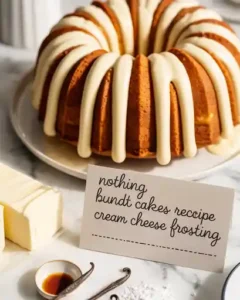
Oh, the joy of a perfectly frosted cake! There’s something truly magical about the sweet, tangy, and incredibly smooth cream cheese frosting that graces the famous Nothing Bundt Cakes. Have you ever wondered if you could recreate that magic at home? Good news! You absolutely can! This comprehensive guide will walk you through making an unbelievably delicious and authentic-tasting Nothing Bundt Cakes Recipe Cream Cheese Frosting right in your own kitchen.
Whether you’re a seasoned baker or just dipping your toes into the wonderful world of easy baking recipes, this frosting is a fantastic place to start. We’ll cover everything from getting your ingredients just right to mastering the perfect consistency, offering plenty of baking tips for beginners along the way. Get ready to elevate your bundt cakes, cupcakes, or even just a spoonful of pure delight with this heavenly cream cheese frosting!
Yields: Approximately 2 cups (enough for one 8-10 inch bundt cake or 12-18 cupcakes)
Prep time: 10 minutes
Ingredients You’ll Need
Gathering your ingredients before you start is one of the best baking tips for beginners. It makes the process smooth and stress-free!
| Ingredient | Quantity | Unit |
|---|---|---|
| Cream Cheese, full-fat, brick style | 8 | ounces |
| Unsalted Butter | 1/2 (1 stick) | cup |
| Powdered Sugar (Confectioners’ Sugar) | 3-4 | cups |
| Vanilla Extract, pure | 1-2 | teaspoons |
| Milk or Heavy Cream (optional, for thinning) | 1-2 | tablespoons |
| Pinch of Salt (optional, but recommended) | 1/8 | teaspoon |
Step-by-Step Instructions for Perfect Cream Cheese Frosting
Follow these detailed steps carefully, and you’ll be on your way to a bakery-quality frosting that tastes just like the original!
Step 1: Bring Ingredients to Room Temperature (Crucial for Success!)
- Take your 8 ounces of full-fat cream cheese (brick style, not spreadable tub cream cheese!) and 1/2 cup (1 stick) of unsalted butter out of the refrigerator at least 30-60 minutes before you plan to start mixing.
- Why this is important for beginners: Cold cream cheese and butter will result in a lumpy, inconsistent frosting that’s hard to spread. Room temperature ingredients cream together smoothly, creating that silky texture we’re after. If you’re short on time, you can cut the butter into smaller pieces to speed up softening, but avoid melting it entirely! For cream cheese, you can unwrap it and let it sit.
Step 2: Cream the Butter and Cream Cheese
- In a large mixing bowl, combine the softened cream cheese and unsalted butter.
- Using an electric mixer (either a stand mixer with a paddle attachment or a hand mixer), beat them together on medium speed.
- Mix until the mixture is light, fluffy, and completely smooth, with no lumps of cream cheese or butter visible. This usually takes about 2-3 minutes. Scrape down the sides of the bowl with a spatula occasionally to ensure everything is incorporated.
- Common mistake for beginners: Not mixing enough at this stage. You want it perfectly smooth before adding sugar.
Step 3: Gradually Add Powdered Sugar
- Now it’s time for the sweetness! Start by adding 2 cups of powdered sugar to the creamed mixture.
- Begin mixing on low speed to avoid a “sugar cloud” explosion in your kitchen. Once the sugar is mostly incorporated, increase the speed to medium.
- Beat until the sugar is fully combined and the frosting is creamy.
- Add the remaining 1-2 cups of powdered sugar, one cup at a time, mixing well after each addition. You’ll use 3-4 cups total, depending on your desired sweetness and consistency.
- Pro-tip for beginners: If your powdered sugar has been sitting for a while, it might have lumps. Sifting it before adding can help ensure a super smooth frosting. Use a fine-mesh sieve!
Step 4: Incorporate Vanilla and Salt
- Once all the powdered sugar is incorporated, add the 1-2 teaspoons of pure vanilla extract. Start with 1 teaspoon and add more to taste if desired.
- If using, add the 1/8 teaspoon of salt. A pinch of salt might seem odd in a sweet frosting, but it really helps to balance the sweetness and enhance the other flavors, preventing the frosting from tasting overly sugary.
- Beat on medium-high speed for another 1-2 minutes until the frosting is light, fluffy, and well combined.
- Avoid overmixing at this stage! Overmixing cream cheese frosting can make it too soft and runny because it incorporates too much air, which can then collapse. Mix just until combined and fluffy.
Step 5: Adjust Consistency (If Needed)
- At this point, your frosting should be thick, creamy, and spreadable. However, if it’s too thick for your liking, you can add 1 tablespoon of milk or heavy cream at a time, mixing after each addition, until you reach your desired consistency.
- If your frosting seems too thin (this can happen if your butter was too warm, or if you overmixed), you can try adding a little more powdered sugar (1/4 cup at a time) until it thickens up. Pop it in the fridge for 15-20 minutes, stirring occasionally, can also help it firm up slightly.
Step 6: Frost Your Bundt Cake or Cupcakes!
- Your perfect Nothing Bundt Cakes-style cream cheese frosting is now ready to be slathered onto your cooled bundt cake, cupcakes, or any other baked good you desire!
- For that signature Nothing Bundt Cakes drizzle look, you can pipe it in lines across the top of your cake using a piping bag with a round tip, or simply use a spoon to drizzle generously.
- Storage: Because it contains cream cheese, this frosting should be stored in an airtight container in the refrigerator. It will firm up when chilled; let it sit at room temperature for 15-30 minutes and give it a quick stir before using again.
Tips & Tricks for Frosting Mastery
Here are some additional insights to help you achieve frosting perfection every time, especially for those new to baking:
- Quality Ingredients Matter: Always opt for full-fat, block-style cream cheese. The reduced-fat or whipped varieties often contain more water, which can lead to a runnier, less stable frosting. Good quality butter and pure vanilla extract also make a noticeable difference in flavor.
- Don’t Rush Room Temperature: This cannot be stressed enough! Patience here pays off. If your ingredients are still cold, your frosting will be lumpy, no matter how long you beat it.
- Sift Your Powdered Sugar: To guarantee an incredibly smooth, lump-free frosting, take the extra minute to sift your powdered sugar before adding it to the mixture. This is a game-changer for texture.
- Scrape Down the Bowl: Regularly stop your mixer and scrape down the sides and bottom of the bowl with a rubber spatula. This ensures all ingredients are evenly incorporated and prevents pockets of unmixed butter or sugar.
- Consistency is Key: If your frosting feels too thick, add milk or cream one teaspoon at a time. If it’s too thin, add more powdered sugar, a quarter cup at a time. Always mix well after each addition and check the consistency.
- Chill if Too Soft: If your kitchen is warm or your frosting gets too soft while you’re working, pop the bowl into the refrigerator for 10-15 minutes. A quick chill can help it firm up, making it easier to spread or pipe.
- Taste and Adjust: Don’t be afraid to taste your frosting as you go! Adjust the sweetness, vanilla, or even add a touch more salt if you feel it needs it.
Essential Baking Tools for This Recipe
Having the right tools makes baking a breeze! Here are some essentials you might need:
- Mixing Bowl (a large one for easy mixing)
- Whisk (or an electric hand mixer/stand mixer for best results)
- Baking Pan (if you’re making a cake to go with the frosting!)
- Measuring Cups
- Spatula (for scraping down the bowl)
- Measuring Spoons
- Fine-mesh Sieve (optional, for sifting powdered sugar)
Nutrition Information (Estimated Per Serving)
Please note: This is an approximate nutritional estimate for a 2-tablespoon serving of frosting and can vary based on exact ingredients and quantities used.
| Nutrient | Amount (Estimated) |
|---|---|
| Calories | 180-200 |
| Carbohydrates | 25-30g |
| Protein | 1-2g |
| Fat | 9-11g |
| Fiber | 0g |
| Sugar | 24-28g |
Frequently Asked Questions (FAQs)
Q1: Why is my cream cheese frosting lumpy?
A: The most common reason for lumpy frosting is cold cream cheese and/or butter. Make sure both are at room temperature and fully softened before you start creaming them together. Beat them thoroughly until completely smooth before adding any powdered sugar.
Q2: My frosting is too runny, what did I do wrong?
A: Runny frosting can be caused by a few things: your butter or cream cheese might have been too warm (even slightly melted), you might have overmixed it (which incorporates too much air that then collapses), or you might have added too much liquid (like milk or cream). To fix it, try adding more powdered sugar, a quarter cup at a time, until it thickens. You can also refrigerate the frosting for 15-20 minutes to help it firm up.
Q3: Can I make this cream cheese frosting ahead of time?
A: Absolutely! This frosting can be made 2-3 days in advance. Store it in an airtight container in the refrigerator. When you’re ready to use it, let it sit at room temperature for about 30 minutes to soften, then give it a good whip with your mixer to restore its creamy consistency.
Q4: How long does homemade cream cheese frosting last?
A: Because it contains dairy, homemade cream cheese frosting should be stored in an airtight container in the refrigerator and is best consumed within 3-5 days.
Q5: Can I use light cream cheese for this recipe?
A: While technically possible, it’s not recommended for the best results. Light or whipped cream cheese often contains more water and less fat, which can lead to a thinner, less stable, and less rich-tasting frosting. For that authentic Nothing Bundt Cakes experience, full-fat brick-style cream cheese is key!
Q6: What if I don’t have an electric mixer?
A: While an electric mixer (handheld or stand mixer) makes the job much easier and yields the fluffiest results, you can technically make this frosting with a sturdy whisk and some elbow grease! Just be prepared for a bit of a workout, especially when creaming the butter and cream cheese, and ensure you beat well to incorporate everything smoothly.
Conclusion: Your Homemade Frosting Journey Begins!
And there you have it – the ultimate guide to making your very own Nothing Bundt Cakes Recipe Cream Cheese Frosting! We hope these detailed instructions and beginner-friendly tips empower you to whip up a batch of this luscious frosting with confidence. Imagine drizzling this creamy, tangy delight over your next homemade bundt cake, cupcakes, or even brownies. The possibilities are endless!
Baking, especially for beginners, is all about practice and enjoying the process. Don’t be afraid to experiment a little, and most importantly, have fun in the kitchen. We’re confident that with this recipe, you’ll impress yourself and everyone lucky enough to taste your creations. Happy frosting!