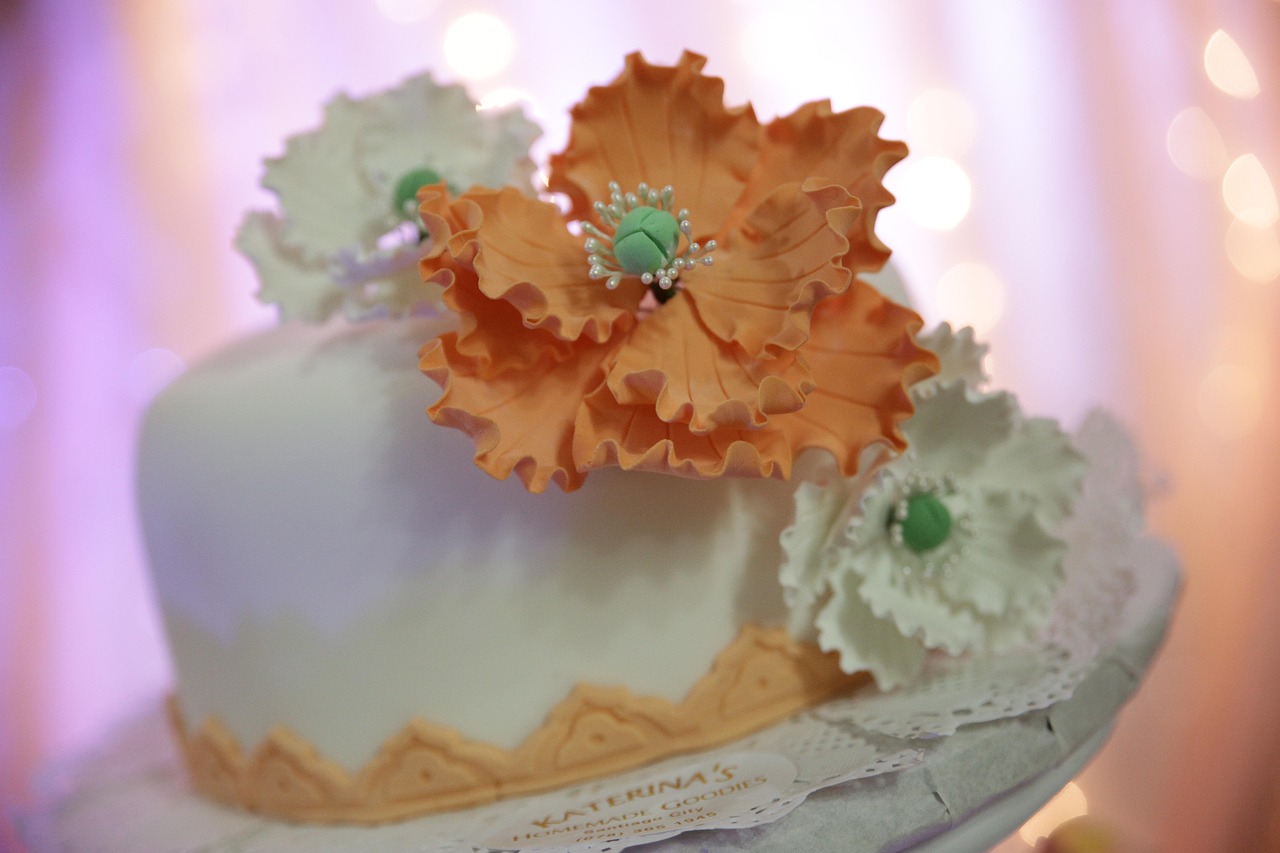

This guide is designed to be one of the most easy baking recipes you’ll ever try. We’ll walk you through every step, providing essential baking tips for beginners to ensure your first (or fiftieth!) peach cake turns out perfectly. Get ready to impress yourself and your loved ones with this timeless classic!
Ingredients List
Gathering your ingredients is the first step to baking success. Make sure everything is measured accurately and, for some items, at room temperature (we’ll explain why later!).
| Ingredient | Quantity | Unit |
|---|---|---|
| All-Purpose Flour | 1 ½ | cups |
| Granulated Sugar | 1 | cup |
| Unsalted Butter (softened) | ½ (1 stick) | cup |
| Large Eggs | 2 | |
| Whole Milk | ½ | cup |
| Baking Powder | 2 | teaspoons |
| Salt | ½ | teaspoon |
| Vanilla Extract | 1 | teaspoon |
| Fresh Peaches (medium, ripe) | 2-3 | |
| For Topping | ||
| Granulated Sugar | 2 | tablespoons |
| Ground Cinnamon | ½ | teaspoon |
Step-by-Step Instructions: Bake Your Perfect Peach Cake!
Follow these detailed steps closely, and you’ll be enjoying a slice of homemade peach cake in no time. We’ve included plenty of **baking tips for beginners** to guide you!
Step 1: Prepare Your Oven and Pan
- Preheat your oven to 350°F (175°C). It’s crucial for your oven to be at the correct temperature before the cake goes in, ensuring even baking and proper rise.
- Grease and flour a 9-inch round baking pan. To do this, lightly coat the inside of the pan with butter or a non-stick cooking spray, then sprinkle a tablespoon or two of all-purpose flour into the pan. Tilt and tap the pan to spread the flour evenly, coating all greased surfaces. Tap out any excess flour. This creates a non-stick barrier, making sure your beautiful cake releases easily from the pan.
- Beginner Tip: If you’re worried about sticking, you can also line the bottom of the pan with a circle of parchment paper after greasing, then flour the sides.
Step 2: Whisk the Dry Ingredients
- In a medium-sized bowl, combine the 1 ½ cups all-purpose flour, 2 teaspoons baking powder, and ½ teaspoon salt.
- Use a whisk to gently mix these dry ingredients together for about 30 seconds. This step is important because it evenly distributes the baking powder and salt throughout the flour, ensuring your cake rises uniformly and has a consistent flavor.
- Set this bowl aside for now.
Step 3: Cream the Butter and Sugar
- In a large mixing bowl, using an electric mixer (or a whisk and a strong arm!), cream together the **½ cup softened unsalted butter** and **1 cup granulated sugar** on medium speed for about 2-3 minutes.
- You’re looking for a mixture that is **light, fluffy, and pale yellow**. This process, called ‘creaming,’ incorporates air into your batter, which is essential for a light and tender cake texture.
- Beginner Tip: Make sure your butter is truly softened – it should yield easily to a gentle press but not be melted or greasy. Cold butter won’t cream properly, and melted butter will result in a dense cake. Your eggs should also be at room temperature; this helps them incorporate better into the batter, creating a smoother emulsion.
Step 4: Add Eggs and Vanilla
- Add the 2 large eggs to the creamed butter and sugar, one at a time. Beat well after each addition, scraping down the sides of the bowl with a spatula as needed. This ensures everything is fully incorporated.
- Once both eggs are mixed in, stir in the 1 teaspoon vanilla extract. The mixture might look a little curdled at this stage, but don’t worry, it will come together as you add the dry ingredients.
Step 5: Alternate Dry and Wet Ingredients
- Now, we’ll add the dry ingredients and milk to the wet mixture in alternating additions. This technique helps to build the cake’s structure evenly and prevents overmixing.
- Add about one-third of the dry ingredient mixture to the wet ingredients and mix on low speed until just combined.
- Next, pour in half of the ½ cup whole milk and mix until just incorporated.
- Repeat this process: add another third of the dry ingredients, then the remaining milk, and finally the last third of the dry ingredients.
- Crucial Beginner Tip: Mix only until the flour streaks disappear. **Do NOT overmix!** Overmixing develops the gluten in the flour too much, which can lead to a tough, chewy, or dense cake instead of a light and tender one. A few small lumps are better than an overmixed batter.
Step 6: Prepare the Peaches
- Wash and dry your 2-3 fresh peaches. You can peel them if you prefer a smoother texture, but leaving the skin on adds a nice rustic touch and extra fiber.
- Carefully slice the peaches into thin wedges, about ¼-inch thick.
- Alternative: If using canned peaches, drain them very well and pat them dry with paper towels to remove excess moisture. Too much moisture can make your cake soggy.
Step 7: Assemble the Cake
- Pour the cake batter into your prepared 9-inch baking pan and spread it evenly with a spatula.
- Arrange the sliced peach wedges on top of the batter in a decorative pattern, such as concentric circles, or simply scatter them evenly. Gently press them down slightly into the batter.
Step 8: Add the Cinnamon Sugar Topping
- In a small bowl, combine the 2 tablespoons granulated sugar and ½ teaspoon ground cinnamon. Mix them together well.
- Evenly sprinkle this cinnamon-sugar mixture over the peaches and the exposed cake batter. This topping will caramelize beautifully and add a wonderful flavor and texture to the cake.
Step 9: Bake!
- Place the baking pan in the preheated oven.
- Bake for 40-50 minutes, or until a wooden skewer or toothpick inserted into the center of the cake comes out clean (without wet batter attached).
- Beginner Tip: Avoid opening the oven door frequently, especially in the first 30 minutes, as this can cause the cake to sink in the middle. If the top starts to brown too quickly, you can loosely tent it with aluminum foil.
Step 10: Cool and Serve
- Once baked, remove the cake from the oven and let it cool in the pan on a wire rack for about 15-20 minutes. This allows the cake to set and prevents it from breaking when you try to remove it.
- After partial cooling, carefully invert the cake onto the wire rack to remove it from the pan, then flip it right-side up to finish cooling completely (or at least until warm).
- Serve warm with a scoop of vanilla ice cream, a dollop of whipped cream, or simply enjoy on its own with a cup of coffee or tea. Enjoy your delicious **Old Fashioned Peach Cake Recipe**!
Tips & Tricks for a Flawless Peach Cake
Mastering a few simple techniques can elevate your baking from good to extraordinary. Here are some extra **baking tips for beginners** to make sure your peach cake is perfect every time:
- Room Temperature Ingredients are Key: This is arguably the most important tip! Ensure your butter and eggs are at room temperature. Softened butter creams better with sugar, incorporating more air, which leads to a lighter cake. Room temperature eggs emulsify more easily into the batter, creating a smoother texture and preventing curdling.
- Measure Flour Correctly: Don’t scoop flour directly from the bag with your measuring cup. This compacts the flour, leading to too much being used and a dry, dense cake. Instead, **spoon the flour into your measuring cup** until it’s overflowing, then **level it off** with the back of a straight knife or offset spatula.
- Don’t Overmix the Batter: As mentioned in the steps, mixing flour too much develops gluten, resulting in a tough cake. Mix only until the ingredients are just combined and no dry streaks of flour remain. A few small lumps are perfectly fine!
- Choose Ripe Peaches: Ripe peaches are naturally sweet and juicy, adding the best flavor to your cake. If using fresh, look for peaches that yield slightly to gentle pressure and smell fragrant. If using canned, opt for peaches packed in juice rather than heavy syrup, and drain them very well.
- Oven Temperature Matters: Ovens can vary, so consider getting an inexpensive oven thermometer to ensure your oven is truly heating to the temperature you set. An inaccurate oven temperature can lead to underbaked or overbaked cakes.
- Cooling Patience: Resist the urge to slice into your cake immediately after it comes out of the oven. Letting it cool in the pan for 15-20 minutes allows the cake’s structure to set, preventing it from crumbling when removed and sliced.
- Storage: Store your peach cake in an airtight container at room temperature for up to 2-3 days, or in the refrigerator for up to 5 days, especially if your kitchen is warm or humid.
Essential Baking Tools
Having the right tools makes baking a joy. Here are some basics you’ll need, with convenient links to find them:
- Mixing Bowl
- Whisk (or electric mixer)
- 9-inch Round Baking Pan
- Measuring Cups and Spoons
- Rubber Spatula
- Wire Rack
- Oven Mitts
Nutrition Info (per serving)
Here’s an approximate nutritional breakdown for a slice of this delicious **Old Fashioned Peach Cake Recipe**. Please note that these are estimated values and can vary based on specific ingredient brands and portion sizes.
| Nutrient | Amount |
|---|---|
| Calories | 380 kcal |
| Carbohydrates | 55 g |
| Protein | 4 g |
| Fat | 17 g |
| Fiber | 2 g |
| Sugar | 35 g |
Frequently Asked Questions (FAQs)
New to baking? Here are some common questions you might have about this **easy baking recipe**:
-
Can I use frozen peaches instead of fresh?
- Absolutely! If using frozen peaches, make sure to thaw them completely and pat them very dry with paper towels to remove excess moisture. This prevents the cake from becoming watery or soggy.
-
How do I know when the cake is perfectly baked?
- The best way is the toothpick test! Insert a wooden skewer or toothpick into the center of the cake. If it comes out clean (without any wet batter clinging to it), your cake is done. If it has wet batter, continue baking for a few more minutes and test again.
-
Why did my cake turn out dense or dry?
- A dense cake is often due to overmixing the batter, which develops too much gluten. A dry cake can be caused by overbaking (baking for too long or at too high a temperature) or by using too much flour (often from improper measuring). Always follow the “mix until just combined” rule and use the toothpick test for doneness.
-
Can I add other fruits to this recipe?
- Yes, this cake is quite adaptable! Berries (like blueberries or raspberries), sliced apples, or even cherries would work beautifully. Just ensure any fruit you add is not overly watery.
-
What if I don’t have an electric mixer?
- No problem! You can still make this cake. Use a whisk to cream the butter and sugar (it will take a bit more arm power and time) and to incorporate the eggs. For adding the dry and wet ingredients, use a sturdy wooden spoon or rubber spatula, mixing gently by hand until just combined.
Time to Enjoy Your Masterpiece!
Congratulations, baker! You’ve just created a truly delightful Old Fashioned Peach Cake Recipe. Whether you’re a seasoned pro or just starting your journey into easy baking recipes, this cake is a testament to the simple joys of homemade treats. Don’t be afraid to experiment with your own twists next time, but for now, take pride in this delicious accomplishment.
Share your results with friends and family, and bask in the compliments. Happy baking, and we hope this Old Fashioned Peach Cake Recipe becomes a cherished go-to in your kitchen!