
Welcome, aspiring bakers! Are you ready to dive into the delightful world of baking with a recipe that’s as charming as it is delicious? Today, we’re whipping up an Old Fashioned Poppy Seed Cake Recipe a true classic that brings back memories of simpler times.
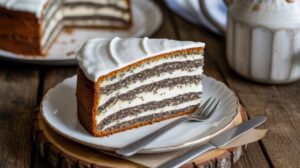
This cake is renowned for its moist, tender crumb, subtle nutty flavor from the poppy seeds, and often a bright, zesty glaze that perfectly complements its richness. If you’ve been searching for easy baking recipes to build your confidence in the kitchen, you’ve come to the right place. We’ll walk through every step, providing essential baking tips for beginners to ensure your first (or fiftieth!) poppy seed cake is a resounding success. Get ready to fill your home with an irresistible aroma and enjoy a slice of pure comfort!
Ingredients You’ll Need
Before we begin, gather all your ingredients. Having everything measured and ready (a technique called “mise en place”) makes the baking process much smoother, especially for beginners.
| Ingredient | Quantity |
|---|---|
| All-Purpose Flour | 2 ½ cups |
| Granulated Sugar | 1 ¾ cups |
| Baking Powder | 2 teaspoons |
| Salt | ½ teaspoon |
| Unsalted Butter, softened | ½ cup (1 stick) |
| Large Eggs, room temperature | 3 |
| Whole Milk, room temperature | 1 cup |
| Vanilla Extract | 1 teaspoon |
| Poppy Seeds | ½ cup |
| For the Lemon Glaze: | |
| Powdered Sugar (Confectioners’ Sugar) | 1 ½ cups |
| Fresh Lemon Juice | 3-4 tablespoons |
| Melted Unsalted Butter (optional, for richness) | 1 tablespoon |
Step-by-Step Instructions for Your Perfect Poppy Seed Cake
Follow these detailed steps carefully, and you’ll be amazed at what you can create!
-
Prepare Your Pan & Preheat Oven:
Preheat your oven to 350°F (175°C). This is crucial for even baking. For a beautiful “old-fashioned” look, we recommend using a 10-12 cup Bundt pan. Prepare your pan thoroughly: grease it generously with butter or baking spray, then dust it with flour. Make sure to get into all the nooks and crannies of the Bundt pan. This prevents the cake from sticking – a common beginner’s fear!
-
Combine Dry Ingredients:
In a large mixing bowl, whisk together the all-purpose flour, granulated sugar, baking powder, and salt. Whisking ensures these ingredients are evenly distributed, so you don’t get pockets of baking powder or salt in your final cake. Set aside.
-
Cream Butter and Sugar (If using a stand mixer or hand mixer):
In a separate, medium-sized bowl (or in the bowl of your stand mixer), cream together the softened unsalted butter and sugar until light and fluffy. This process, called creaming, incorporates air into the butter and sugar mixture, which contributes to the cake’s light texture. It should take about 3-5 minutes with an electric mixer. If using a whisk by hand, it will take longer and require more arm strength, but it’s definitely doable!
-
Add Eggs One at a Time:
Beat in the large eggs, one at a time, mixing well after each addition. Adding eggs one by one ensures they are fully incorporated into the butter mixture, creating a stable emulsion. Room temperature eggs are key here! They emulsify better, meaning they blend more smoothly with the butter, preventing a curdled-looking batter and resulting in a finer crumb.
-
Incorporate Wet and Dry Ingredients Alternately:
Now, we’ll alternately add the dry ingredients and the milk to the butter-egg mixture. This technique helps maintain the batter’s structure. Begin and end with the dry ingredients.
- Add about one-third of the dry ingredient mixture to the wet ingredients and mix on low speed (or by hand with a spatula) until just combined.
- Pour in half of the whole milk and mix until just combined.
- Repeat with another third of the dry ingredients, then the remaining milk.
- Finish with the last third of the dry ingredients.
Important beginner tip: Mix until *just* combined after each addition. Overmixing develops the gluten in the flour too much, which can lead to a tough, dry cake. We want a tender cake!
-
Stir in Vanilla and Poppy Seeds:
Gently fold in the vanilla extract and poppy seeds using a spatula. Stir just until they are evenly distributed throughout the batter. The poppy seeds add that signature texture and nutty flavor.
-
Bake the Cake:
Pour the batter evenly into your prepared Bundt pan. Gently tap the pan on the counter a couple of times to release any large air bubbles. Bake for 45-55 minutes, or until a wooden skewer or toothpick inserted into the center of the cake comes out clean. Baking times can vary depending on your oven, so keep an eye on it!
-
Cooling Process:
Once baked, let the cake cool in the Bundt pan on a wire rack for 10-15 minutes. This crucial step allows the cake to set and firm up, making it easier to remove without breaking. After 10-15 minutes, carefully invert the cake onto the wire rack and lift the pan. Let the cake cool completely before glazing.
-
Prepare the Lemon Glaze:
While the cake cools, prepare your glaze. In a small bowl, whisk together the powdered sugar, 3 tablespoons of fresh lemon juice, and the optional melted butter. Add more lemon juice, a teaspoon at a time, until you reach your desired consistency – it should be thick but pourable. If it’s too thick, add a tiny bit more lemon juice; if too thin, add a little more powdered sugar.
-
Glaze the Cake:
Once the cake is completely cool, drizzle the lemon glaze over the top. You can use a spoon or a whisk to drizzle. The glaze will set as it cools, creating a beautiful finish and adding a burst of tangy flavor. Slice and enjoy your homemade masterpiece!
Tips & Tricks for Beginner Bakers
Baking is a science, but with a few pointers, you’ll feel like a pro in no time!
- Room Temperature Ingredients are Your Best Friend: This is a game-changer! Softened butter and room temperature eggs and milk emulsify better, creating a smoother, more uniform batter and a lighter, fluffier cake. Plan ahead and take them out of the fridge at least 30-60 minutes before you start.
- Measure Accurately: Baking is precise. Use proper measuring cups and spoons. For flour, spoon it into your measuring cup and then level it off with a straight edge (like the back of a knife). Don’t scoop directly from the bag, as this can compact the flour and lead to using too much.
- Don’t Overmix: Once you add the flour, mix only until the ingredients are just combined. Overmixing develops the gluten in the flour, making your cake tough and chewy instead of tender and moist.
- Know Your Oven: Ovens can vary. If your cake seems to be baking too fast or too slow, consider investing in an oven thermometer to ensure your oven is truly at the temperature you set it to.
- Patience with Cooling: Resist the urge to unmold or glaze a warm cake. A warm cake is fragile and prone to breaking. Letting it cool completely ensures it sets properly and the glaze doesn’t just melt off.
- Grease and Flour Your Pan Thoroughly: Especially with a Bundt pan, take your time to grease and flour every crevice. This is your best defense against a stuck cake.
Essential Baking Tools
Having the right tools makes all the difference! Here are some basics to get you started:
- Mixing Bowl
- Whisk
- Bundt Pan (10-12 cup)
- Measuring Cups
- Measuring Spoons
- Rubber Spatula
- Electric Hand Mixer or Stand Mixer (optional, but helpful)
- Wire Cooling Rack
Nutrition Information (Estimated per serving)
Please note that these are approximate values and can vary based on specific brands and ingredient measurements used. This estimate is for one slice (assuming 12 servings per cake).
| Nutrient | Amount |
|---|---|
| Calories | 380-420 kcal |
| Carbohydrates | 60-65 g |
| Protein | 5-7 g |
| Fat | 15-20 g |
| Fiber | 1-2 g |
| Sugar | 35-40 g |
Frequently Asked Questions (FAQs)
Q1: My cake sunk in the middle. What went wrong?
A1: This is a common issue for beginners! It usually happens if the cake is underbaked, if the oven door was opened too early during baking (especially in the first 2/3 of the baking time), or if there was too much leavening (baking powder/soda). Ensure your oven temperature is accurate and resist opening the door too soon!
Q2: Can I substitute sour cream or buttermilk for whole milk?
A2: Absolutely! Sour cream or buttermilk will add a lovely tang and extra moisture to the cake. If using buttermilk, you might want to slightly reduce the baking powder by about ¼ teaspoon as buttermilk reacts with leavening agents. If using sour cream, thin it slightly with a touch of milk to match the consistency of the original recipe’s milk.
Q3: How should I store the Old Fashioned Poppy Seed Cake?
A3: Store the cake at room temperature, covered tightly, for up to 3-4 days. If your kitchen is very warm, or if you prefer, you can store it in the refrigerator for up to a week. Bring it to room temperature before serving for the best texture and flavor.
Q4: My cake stuck to the Bundt pan! How can I prevent this next time?
A4: The key is thorough greasing and flouring. Use solid shortening or butter to grease every crevice, then dust with flour, tapping out the excess. For extra insurance, you can also use a baking spray specifically designed for baking, which often contains flour. Make sure the cake cools for the recommended 10-15 minutes in the pan before inverting.
Q5: Can I reduce the amount of sugar in the recipe?
A5: While you can slightly reduce sugar, remember that sugar plays a role in moisture and tenderness, not just sweetness. For this recipe, you could try reducing the sugar by ¼ cup without significantly impacting the texture, but the flavor might be less sweet. For the glaze, you can always make it less sweet by adding more lemon juice or less powdered sugar.
Conclusion
Congratulations, you’ve just baked a beautiful Old Fashioned Poppy Seed Cake! We hope this detailed guide has made the baking process enjoyable and straightforward. There’s nothing quite like the satisfaction of pulling a homemade cake out of the oven, especially one that carries so much nostalgic charm. Don’t be afraid to experiment with your own twists next time perhaps a cream cheese frosting instead of a glaze, or a touch of almond extract for a different flavor profile. Baking is a journey, and every cake is a new adventure. Share your creations with loved ones, savor each tender bite, and most importantly, enjoy the process. Happy baking!