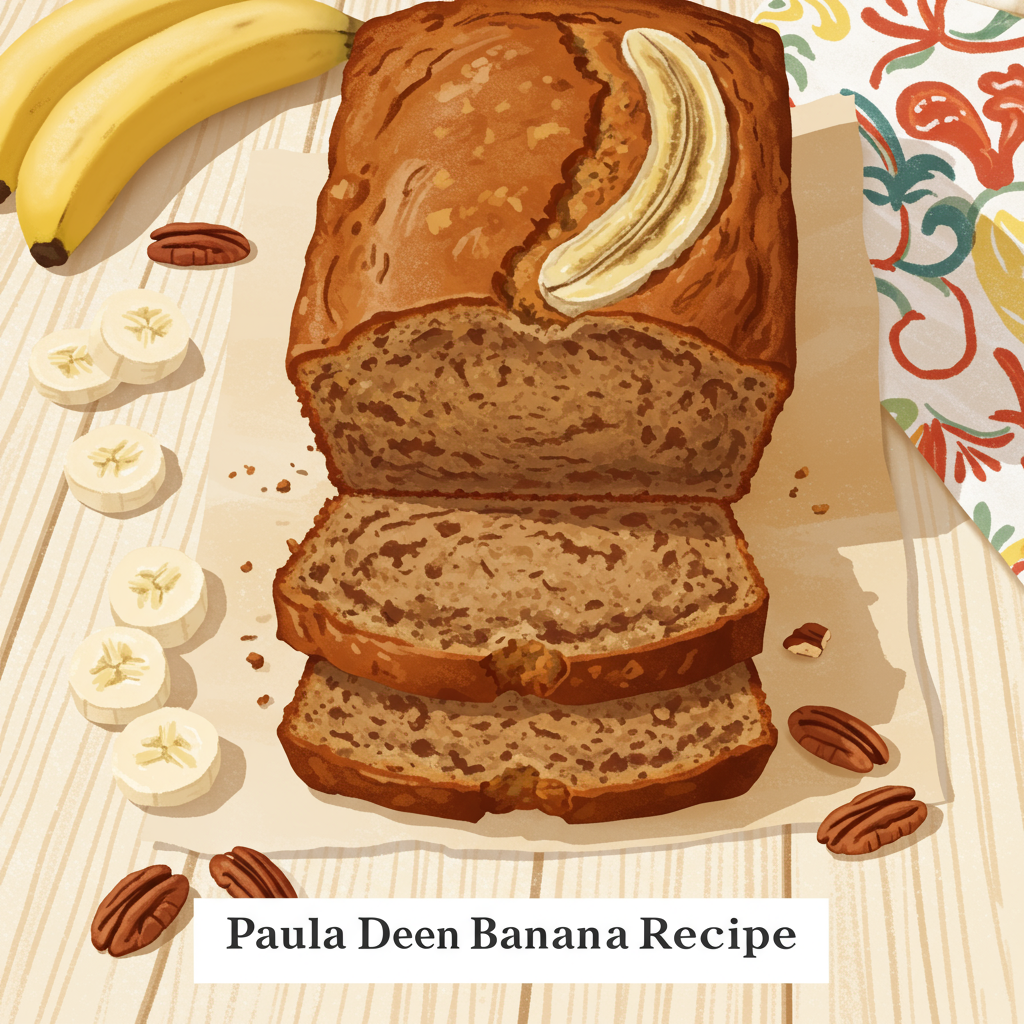
Welcome, fellow baking enthusiasts (and future enthusiasts)! If you’re looking to dive into the wonderful world of home baking, there’s no better place to start than with a comforting, familiar classic. Today, we’re bringing you a recipe inspired by the queen of Southern comfort food herself: the Paula Deen Banana Bread Recipe. This isn’t just any banana bread; it’s a moist, flavorful, and incredibly easy-to-follow recipe perfect for anyone, especially those new to the kitchen. Forget complicated techniques – we’re all about easy baking recipes that deliver delicious results every single time.

Learning to bake can seem daunting, but with the right guidance and a little patience, you’ll be a pro in no time. This post is packed with baking tips for beginners, designed to make your first (or fiftieth!) loaf of banana bread a resounding success. Get ready to fill your home with the irresistible aroma of freshly baked banana bread, just like Mama Deen would make!
Why This Paula Deen Banana Bread Recipe is Perfect for You
This recipe shines because of its simplicity and the use of common pantry staples. Paula Deen’s approach to cooking is all about flavor and comfort, and this banana bread is no exception. It’s wonderfully moist, thanks to a secret ingredient (or two!) that ensures every slice is tender and delightful. Plus, it’s incredibly forgiving, making it an ideal project for beginners who might worry about making a mistake. We’ll walk you through every step, ensuring your banana bread comes out perfectly golden and delicious.
Ingredients You’ll Need
Gathering your ingredients before you start is one of the best baking tips for beginners. It ensures a smooth baking process and prevents you from scrambling mid-recipe. Here’s what you’ll need for this delightful banana bread:
| Ingredient | Quantity | Unit |
|---|---|---|
| All-Purpose Flour | 2 | cups |
| Granulated Sugar | 1 | cup |
| Baking Soda | 1 | teaspoon |
| Salt | ½ | teaspoon |
| Unsalted Butter, softened | ½ | cup (1 stick) |
| Large Eggs | 2 | |
| Vanilla Extract | 1 | teaspoon |
| Very Ripe Bananas, mashed | 3-4 | medium |
| Sour Cream or Buttermilk | ½ | cup |
| Optional: Chopped Pecans or Walnuts | ½ | cup |
| Optional: Chocolate Chips | ½ | cup |
Step-by-Step Baking Instructions
Follow these detailed steps carefully, and you’ll be enjoying warm, homemade banana bread in no time! Remember, baking is a science, but it’s also a lot of fun. Don’t be afraid to get a little messy!
Step 1: Preheat Your Oven and Prepare Your Pan
First things first, let’s get that oven ready! Preheat your oven to 350°F (175°C). While it’s heating up, prepare a 9×5-inch loaf pan. This usually means lightly greasing the inside of the pan with butter or cooking spray. For an extra non-stick measure, you can dust it with a little flour after greasing, or line it with parchment paper, leaving an overhang on the sides – this creates “handles” to easily lift the bread out later. Properly preparing your pan prevents your beautiful loaf from sticking!
Step 2: Combine the Dry Ingredients
In a medium-sized mixing bowl, whisk together the all-purpose flour, granulated sugar, baking soda, and salt. Whisking isn’t just for mixing; it also helps to aerate the flour, making your bread lighter, and ensures that the baking soda and salt are evenly distributed. This is crucial for an even rise and consistent flavor throughout your loaf. Set this bowl aside for now.
Step 3: Cream the Wet Ingredients (Part 1)
In a large mixing bowl (or the bowl of a stand mixer), add the softened unsalted butter. Softened butter is key here – it should be pliable enough to easily indent with your finger, but not melted. If it’s too cold, it won’t cream properly; if it’s melted, it will make your bread greasy. Beat the softened butter with an electric mixer (or a sturdy whisk and some elbow grease) until it’s light and creamy, about 1-2 minutes. This incorporates air, which contributes to the bread’s texture. Then, add the granulated sugar to the butter and continue beating until the mixture is light, fluffy, and pale yellow, typically 2-3 minutes. This process is called “creaming” and it’s vital for a tender crumb.
Step 4: Add Eggs and Vanilla
Crack the two large eggs into the creamed butter and sugar mixture, one at a time, beating well after each addition. Make sure each egg is fully incorporated before adding the next. This helps to create an emulsion, preventing your batter from separating. Once the eggs are mixed in, stir in the vanilla extract. Vanilla adds a wonderful aromatic depth to the banana bread.
Step 5: Incorporate the Bananas and Sour Cream
Now for the star of the show! Add your mashed ripe bananas to the wet mixture. The riper your bananas, the sweeter and more flavorful your bread will be – look for bananas with lots of brown spots. Gently fold them in until just combined. Next, add the sour cream or buttermilk. This is one of Paula Deen’s secrets for incredibly moist banana bread! It adds richness and a slight tang that balances the sweetness. Mix until just incorporated; don’t overmix here.
Step 6: Combine Wet and Dry Ingredients
Gradually add the dry ingredients (from Step 2) to the wet ingredients (from Step 5). Do this in about three additions, mixing on low speed (or by hand with a spatula) just until the flour streaks disappear. This is a critical step for beginners: DO NOT OVERMIX! Overmixing develops the gluten in the flour too much, which can lead to a tough, dense, and chewy banana bread instead of a tender, moist one. A few lumps of flour are perfectly fine and often preferred over overmixing.
If you’re adding optional chopped nuts or chocolate chips, gently fold them in now, just until evenly distributed. Again, minimize mixing.
Step 7: Bake Your Banana Bread
Pour the batter evenly into your prepared 9×5-inch loaf pan. You can smooth the top with a spatula if desired. Place the pan in the preheated oven. Bake for 55-70 minutes. Baking times can vary depending on your oven, so it’s always good to keep an eye on it.
Beginner Tip: How to check for doneness? Insert a wooden skewer or a toothpick into the center of the loaf. If it comes out clean or with just a few moist crumbs attached, your bread is done! If it comes out with wet batter, continue baking for another 5-10 minutes and test again. If the top starts to brown too quickly before the inside is cooked, you can loosely tent the loaf with aluminum foil for the remaining baking time.
Step 8: Cool and Enjoy!
Once your banana bread is perfectly baked, remove it from the oven. Let it cool in the pan on a wire rack for about 10-15 minutes. This crucial cooling period allows the bread to set and prevents it from crumbling when you remove it. After 10-15 minutes, carefully invert the bread onto the wire rack to cool completely. Slicing warm banana bread is tempting, but a fully cooled loaf will slice much cleaner and have a better texture. Once cool, slice, serve, and savor your delicious homemade Paula Deen Banana Bread!
Tips & Tricks for Perfect Banana Bread Every Time
Achieving the perfect banana bread is easy with a few simple tricks up your sleeve. These tips are especially helpful for baking tips for beginners to ensure consistent success:
- Use Very Ripe Bananas: This is non-negotiable! The browner and spottier your bananas, the sweeter and more flavorful your bread will be. They also mash more easily and contribute to a moister crumb. If your bananas aren’t ripe enough, you can speed up the process by baking them on a baking sheet at 300°F (150°C) for 15-30 minutes until the peels are black.
- Don’t Overmix the Batter: We can’t stress this enough! Overmixing develops gluten, leading to a tough, dense loaf. Mix only until the dry ingredients are just incorporated into the wet, and a few streaks of flour are perfectly acceptable.
- Room Temperature Ingredients: Ensure your butter and eggs are at room temperature. Softened butter creams better, incorporating more air, and room temperature eggs emulsify more easily into the batter, preventing curdling and creating a smoother, more uniform texture.
- Grease and Flour Your Pan Properly: For easy removal, thoroughly grease your loaf pan with butter or cooking spray, then dust with a light coating of flour. Tap out any excess. For extra insurance, line the bottom and two long sides with parchment paper, leaving an overhang.
- Customize with Mix-Ins: Feel free to add up to 1 cup of your favorite mix-ins like chocolate chips, chopped nuts (pecans or walnuts are classic!), shredded coconut, or even a sprinkle of cinnamon. Toss them lightly in a tablespoon of flour before adding to the batter to prevent them from sinking to the bottom.
- Storage: Store your banana bread in an airtight container at room temperature for up to 3-4 days. For longer storage, you can wrap it tightly in plastic wrap and then foil, and freeze for up to 3 months. Thaw at room temperature.
Essential Baking Tools
Having the right tools makes baking much easier and more enjoyable. Here are some essential items for making this (and many other!) delicious treats, with convenient links to find them:
- Mixing Bowl Set
- Whisk
- 9×5 Inch Loaf Baking Pan
- Measuring Cups and Spoons Set
- Rubber Spatula
- Electric Hand Mixer (Optional, but highly recommended for creaming butter and sugar!)
Nutrition Information (Estimated)
Here’s an estimated nutritional breakdown per slice, assuming the loaf yields 12 slices. Please note that these are approximate values and can vary based on specific ingredients and portion sizes.
| Nutrient | Amount (per slice) |
|---|---|
| Calories | 320-350 kcal |
| Carbohydrates | 45-50 g |
| Protein | 4-6 g |
| Fat | 15-18 g |
| Fiber | 1-2 g |
| Sugar | 28-32 g |
Frequently Asked Questions (FAQs)
For our beginner bakers, here are some common questions you might have:
Q1: How do I know if my bananas are ripe enough for banana bread?
A: The best bananas for banana bread are very ripe, with peels that are heavily speckled with brown or even mostly black. They should be soft to the touch and easy to mash. Under-ripe bananas won’t provide the same sweetness or moisture.
Q2: Can I use frozen bananas?
A: Absolutely! Frozen ripe bananas are excellent for banana bread. Thaw them completely (you might want to do this in a bowl as they release a lot of liquid), then drain any excess liquid before mashing and adding to the batter. The liquid can make your bread too wet.
Q3: Why is my banana bread dry or dense?
A: A dry loaf is often a sign of overbaking. Make sure to use the toothpick test and remove the bread from the oven as soon as it’s done. A dense loaf is usually caused by overmixing the batter. Remember to mix only until the flour streaks disappear.
Q4: Can I add other ingredients like chocolate chips or nuts?
A: Yes, please do! This recipe is very adaptable. You can add up to 1 cup of chocolate chips, chopped pecans, walnuts, or even shredded coconut. For best results, toss your add-ins with a tablespoon of flour before incorporating them into the batter; this helps prevent them from sinking to the bottom of the loaf.
Q5: How should I store leftover banana bread?
A: Once completely cooled, store your banana bread in an airtight container at room temperature for up to 3-4 days. For longer storage, wrap individual slices or the whole loaf tightly in plastic wrap, then aluminum foil, and freeze for up to 3 months. Thaw at room temperature or gently warm in the microwave.
Q6: Can I make muffins instead of a loaf?
A: Yes! This batter works wonderfully for muffins. Simply line a muffin tin with paper liners or grease it well. Fill each cup about two-thirds full. Bake at 375°F (190°C) for 18-22 minutes, or until a toothpick inserted into the center of a muffin comes out clean. Adjust baking time as needed.
Conclusion
And there you have it – your very own homemade Paula Deen Banana Bread Recipe! We hope this detailed, beginner-friendly guide has given you the confidence to tie on an apron and start baking. There’s nothing quite like the satisfaction of pulling a warm, golden loaf of banana bread from your own oven, especially when it fills your home with such a comforting aroma.
Remember, every baker starts somewhere, and every loaf is a learning experience. Don’t be afraid to experiment, make it your own, and most importantly, enjoy the process! Share your creations with friends and family, or simply savor a slice (or two!) with your morning coffee. Happy baking, y’all!