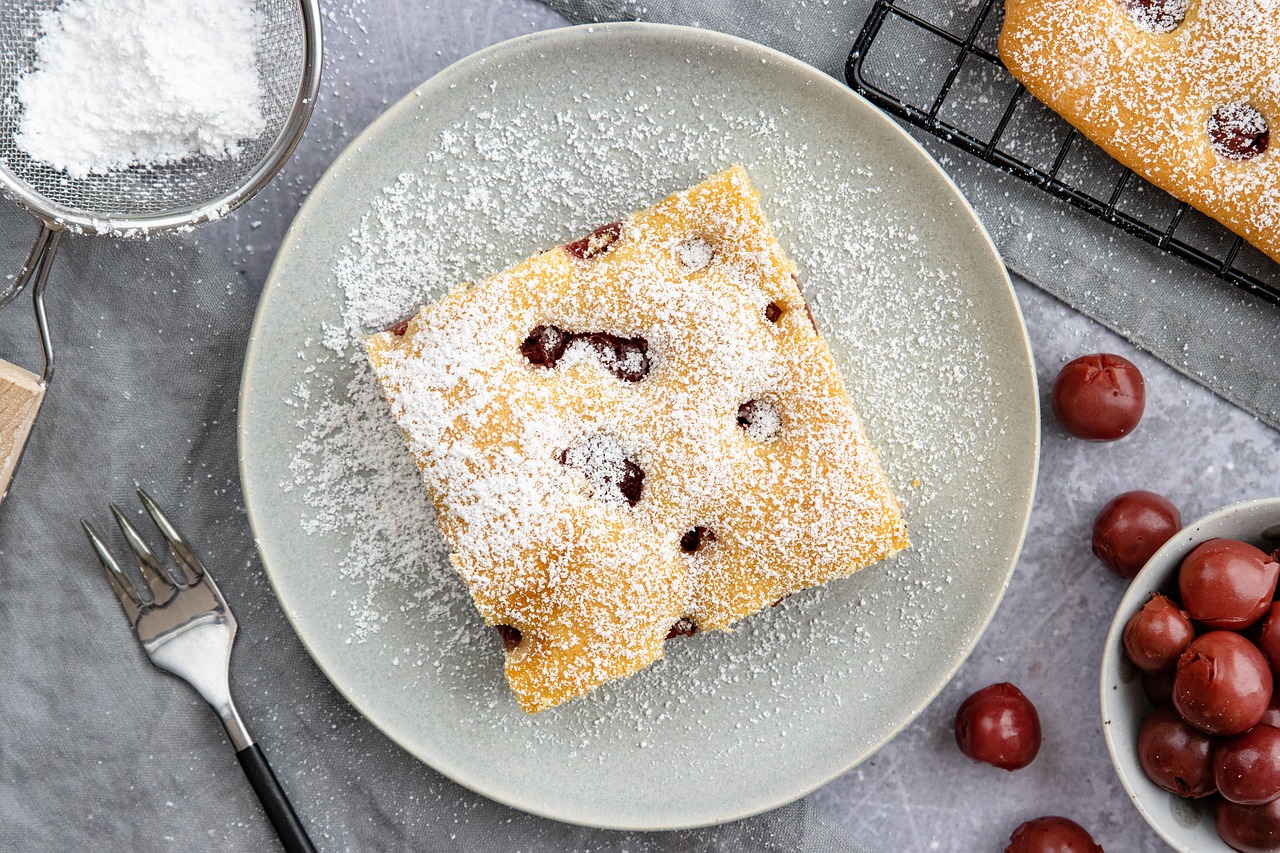
Welcome, fellow baking enthusiasts and kitchen adventurers! If you’re looking for a dessert that delivers warmth, comfort, and an irresistible flavor combination, you’ve landed in the right place. Today, we’re diving into the delightful world of our Pecan Butterscotch Cake Recipe. This isn’t just any cake; it’s a moist, tender crumb infused with nutty pecans,
generously slathered with a luscious homemade butterscotch frosting, and finished with a sprinkle of toasted pecans for that perfect crunch. We know baking can sometimes feel intimidating, especially for newcomers, but fear not! This guide is packed with easy baking recipes principles and crucial baking tips for beginners to ensure your success. Get ready to impress yourself and your loved ones with a dessert that tastes like a hug in cake form. Let’s preheat those ovens and get baking!
Ingredients You’ll Need
Gathering your ingredients before you start is a key step to smooth sailing in the kitchen. Make sure everything is measured out and ready to go!
For the Pecan Cake:
| Quantity | Unit | Ingredient |
|---|---|---|
| 2 ½ | cups | All-purpose flour |
| 1 ½ | teaspoons | Baking powder |
| ½ | teaspoon | Baking soda |
| ½ | teaspoon | Salt |
| 1 | cup | Unsalted butter, softened |
| 1 ¾ | cups | Granulated sugar |
| 3 | large | Eggs, room temperature |
| 1 | teaspoon | Vanilla extract |
| 1 | cup | Buttermilk, room temperature |
| 1 | cup | Finely chopped pecans |
For the Homemade Butterscotch Frosting:
| Quantity | Unit | Ingredient |
|---|---|---|
| ½ | cup | Unsalted butter |
| 1 | cup | Packed light brown sugar |
| ½ | cup | Heavy cream |
| 1 | teaspoon | Vanilla extract |
| 4 | cups | Powdered sugar (confectioners’ sugar), sifted |
| ¼ – ½ | cup | Milk or additional heavy cream (as needed) |
For the Pecan Topping (Optional):
| Quantity | Unit | Ingredient |
|---|---|---|
| ½ | cup | Chopped pecans, lightly toasted |
Step-by-Step Instructions: Baking Your Pecan Butterscotch Masterpiece
Follow these detailed steps carefully, and you’ll be enjoying a slice of heaven in no time!
1. Prepare Your Oven and Pan (The Foundation of Success!)
- Preheat your oven: Set your oven to 350°F (175°C). This is crucial for even baking. Don’t put your cake in a cold oven!
- Prepare your baking pan: Lightly grease and flour a 9×13 inch baking pan. To do this, rub a thin layer of butter or shortening all over the inside of the pan, making sure to get into the corners. Then, sprinkle a tablespoon or two of flour into the pan, tilting and tapping it to coat all the greased surfaces. Dump out any excess flour. This prevents your cake from sticking – a common beginner mishap!
2. Combine Dry Ingredients (The Flavor Base)
- In a medium bowl, whisk together the all-purpose flour, baking powder, baking soda, and salt. Whisking ensures all the leavening agents (baking powder and soda) are evenly distributed, which helps your cake rise beautifully. Set this aside.
3. Cream Butter and Sugar (Creating Lightness)
- In a large mixing bowl (using either a stand mixer with a paddle attachment or a hand mixer), beat the softened unsalted butter and granulated sugar together on medium speed. Beat for about 3-5 minutes, until the mixture is light, fluffy, and pale yellow. This process, called “creaming,” incorporates air into the butter, which contributes to the cake’s tender texture.
- Beginner Tip: Ensure your butter is truly softened (room temperature) – it should yield easily when pressed, but not be melted. Cold butter won’t cream properly, and melted butter will result in a dense cake.
4. Add Eggs and Vanilla (Enriching the Batter)
- Add the eggs one at a time, beating well after each addition. Scrape down the sides of the bowl with a rubber spatula after each egg to ensure everything is fully incorporated.
- Stir in the vanilla extract. Vanilla adds a wonderful depth of flavor!
5. Alternate Dry and Wet Ingredients (The Art of Mixing)
- With the mixer on low speed, add about one-third of the dry ingredients to the butter mixture, mixing just until combined.
- Next, pour in half of the buttermilk, mixing until just incorporated.
- Repeat this process: add another third of the dry ingredients, then the remaining buttermilk, and finally the last third of the dry ingredients.
- Important Beginner Tip: Mix only until just combined! Overmixing develops the gluten in the flour, leading to a tough, dry cake. A few small lumps are perfectly fine.
- Alternative: If you don’t have buttermilk, you can make a quick substitute: add 1 tablespoon of lemon juice or white vinegar to a 1-cup measuring cup, then fill the rest with regular milk. Let it sit for 5 minutes before using.
6. Fold in Pecans (The Star Ingredient!)
- Gently fold in the finely chopped pecans using your spatula. Be careful not to overmix.
7. Bake the Cake (The Magic Happens)
- Pour the batter into your prepared 9×13 inch baking pan and spread it evenly.
- Bake for 30-35 minutes, or until a wooden skewer or toothpick inserted into the center of the cake comes out clean. If it comes out with wet batter, bake for a few more minutes and check again.
- Common Mistake & Tip: Ovens can vary! Start checking at 30 minutes. If the top browns too quickly, you can loosely tent it with aluminum foil.
8. Cool the Cake (Patience is a Virtue!)
- Once baked, remove the cake from the oven and let it cool in the pan on a wire rack for about 15-20 minutes.
- Then, carefully invert the cake onto the wire rack to cool completely. This can take 1-2 hours. Do NOT try to frost a warm cake, as the frosting will melt and slide right off – another common beginner mistake!
9. Prepare the Homemade Butterscotch Frosting (The Sweet Crown)
- In a medium saucepan over medium heat, melt the ½ cup unsalted butter.
- Add the 1 cup packed light brown sugar and cook, stirring constantly, until the sugar has dissolved and the mixture is bubbling gently. This takes about 2-3 minutes.
- Pour in the ½ cup heavy cream and bring the mixture to a boil. Reduce the heat to low and simmer for 2 minutes, stirring occasionally. Be careful, as the mixture will be hot and bubbly!
- Remove the saucepan from the heat and stir in the 1 teaspoon vanilla extract. Let this butterscotch mixture cool completely. This is very important for the frosting consistency! You can speed this up by placing the saucepan in an ice bath, stirring occasionally.
- Once the butterscotch mixture is completely cool (it should be thick and syrupy), transfer it to a large mixing bowl.
- Gradually add the 4 cups sifted powdered sugar, beating on low speed with a stand mixer or hand mixer until smooth.
- If the frosting is too thick, add milk or additional heavy cream, 1 tablespoon at a time, until it reaches a smooth, spreadable consistency. If it’s too thin, add a little more sifted powdered sugar.
10. Frost and Garnish (The Grand Finale!)
- Once the cake is completely cooled, spread the butterscotch frosting evenly over the top.
- If desired, sprinkle the lightly toasted chopped pecans over the frosting for an extra layer of flavor and texture.
- Slice, serve, and enjoy your incredible homemade Pecan Butterscotch Cake!
Tips & Tricks for Baking Success
Even with detailed instructions, a few extra pointers can make all the difference, especially for beginners!
- Room Temperature Ingredients are Key: This is not just a suggestion! Softened butter and room temperature eggs and buttermilk emulsify better, creating a smoother, more uniform batter that traps air efficiently, resulting in a lighter, fluffier cake. Plan ahead by taking them out of the fridge at least 30-60 minutes before you start.
- Measure Accurately: Baking is a science. Use proper measuring cups for dry ingredients (levelled off with a straight edge) and liquid measuring cups for wet ingredients (read at eye level). For precision, especially with flour, consider using a kitchen scale.
- Don’t Overmix: As mentioned in the steps, overmixing is the enemy of a tender cake. Mix only until ingredients are just combined. A few lumps in the batter are perfectly normal and preferred over a tough cake.
- Check Your Oven Temperature: Ovens can be notoriously inaccurate. An inexpensive oven thermometer can be a game-changer, helping you ensure your oven is truly at the temperature you set, preventing under or over-baked goods.
- Cool Completely: Patience is paramount! Frosting a warm cake is a recipe for disaster. Ensure your cake is absolutely cold to the touch before applying frosting to avoid a melted, messy situation.
- Toasting Pecans: For the topping, toasting pecans brings out their flavor significantly. You can do this in a dry skillet over medium-low heat for 3-5 minutes, stirring frequently, or spread on a baking sheet in a 350°F (175°C) oven for 5-7 minutes. Watch them closely as they can burn quickly!
Essential Baking Tools
Having the right tools makes baking much easier and more enjoyable. Here are some essentials:
- Mixing Bowl
- Whisk
- Baking Pan (9×13 inch is ideal for this recipe)
- Measuring Cups & Measuring Spoons
- Spatula (rubber spatula and offset spatula for frosting)
- Hand Mixer or Stand Mixer
- Wire Rack (for cooling)
- Saucepan (for butterscotch frosting)
Nutrition Information (Estimated Per Serving)
This information is an estimate and can vary based on exact ingredients and portion sizes. This recipe yields approximately 12-16 servings.
| Nutrient | Amount |
|---|---|
| Calories | 450-550 kcal |
| Carbohydrates | 60-75 g |
| Protein | 4-6 g |
| Fat | 20-30 g |
| Fiber | 1-2 g |
| Sugar | 45-60 g |
Frequently Asked Questions (FAQs)
Q1: Can I make this cake in advance?
Absolutely! The cake itself can be baked one day ahead. Let it cool completely, then wrap it tightly in plastic wrap and store at room temperature. The frosting can also be made a day in advance and stored in an airtight container in the refrigerator; bring to room temperature and re-whip briefly before frosting the cake.
Q2: My cake turned out dry. What went wrong?
A dry cake is usually due to one of two things: overmixing the batter (which develops gluten and makes the cake tough) or overbaking. Make sure to mix only until just combined and check for doneness at the earliest recommended time using the toothpick test. An inaccurate oven temperature can also contribute, so an oven thermometer is highly recommended!
Q3: What if I don’t have buttermilk?
No problem! You can easily make a substitute. For 1 cup of buttermilk, add 1 tablespoon of lemon juice or white vinegar to a liquid measuring cup, then fill the rest of the way to 1 cup with regular milk. Stir gently and let it sit for 5-10 minutes until it slightly curdles. Then it’s ready to use!
Q4: My butterscotch frosting is too thin/thick. How can I fix it?
If your frosting is too thin, try adding a tablespoon or two more of sifted powdered sugar and beat until it reaches the desired consistency. If it’s too thick, add a tablespoon or two of milk or heavy cream until it loosens up to a spreadable texture. Remember to add in small increments!
Q5: Can I use a different size baking pan?
This recipe is designed for a 9×13 inch pan. If you use a different size, you’ll need to adjust the baking time. For example, if using two 8 or 9-inch round cake pans, the baking time might be slightly shorter (around 25-30 minutes), and you’ll have a layer cake. Always use the toothpick test for doneness.
Conclusion: Your Delicious Journey Begins Here!
And there you have it! A comprehensive, beginner-friendly guide to creating a truly spectacular Pecan Butterscotch Cake Recipe. We hope this detailed post, complete with all our baking tips for beginners, empowers you to step into your kitchen with confidence and joy. There’s nothing quite like the aroma of a homemade cake baking, and the satisfaction of sharing a slice of your delicious creation with loved ones. Don’t be afraid to experiment, learn from any mishaps, and most importantly, have fun with the process. Happy baking, and we can’t wait to hear about your Pecan Butterscotch Cake adventures!