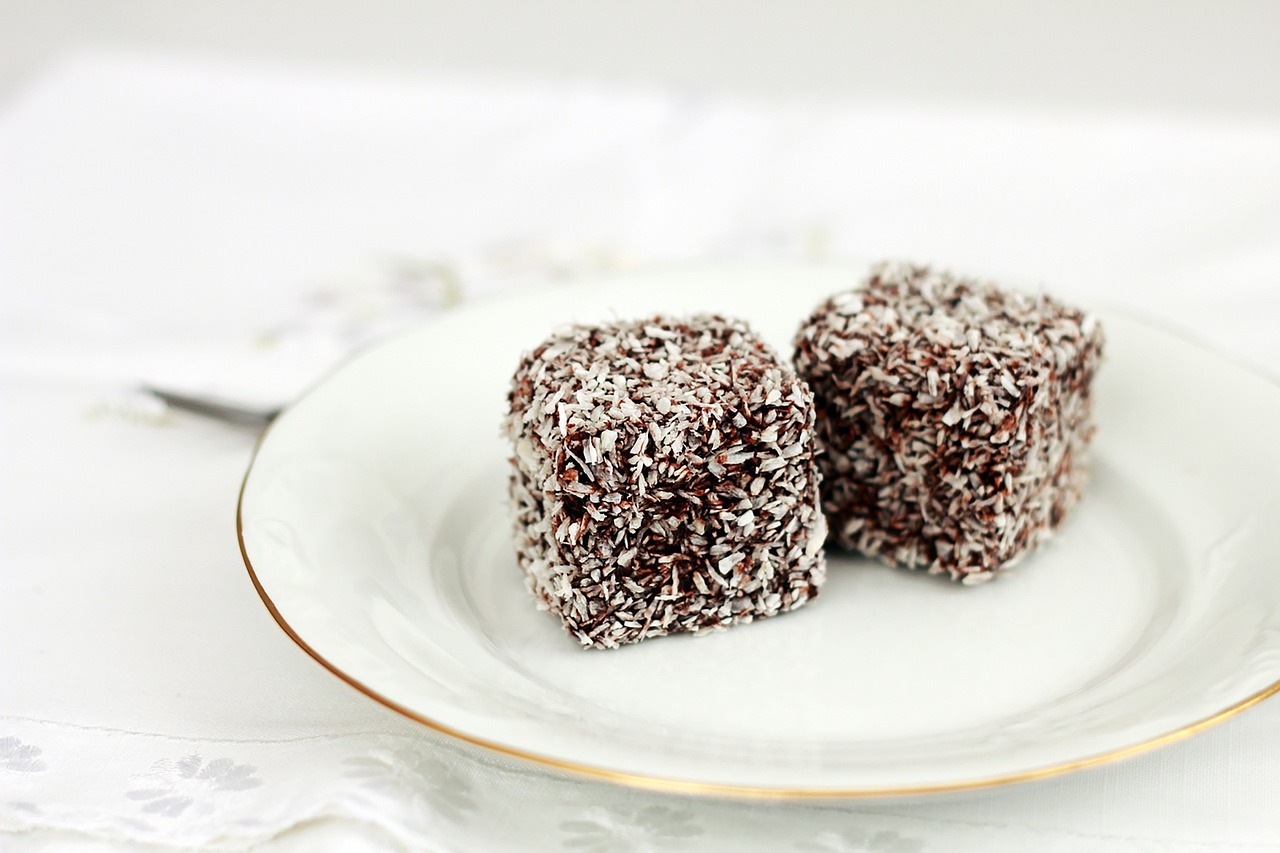
Welcome, fellow dessert enthusiasts and aspiring bakers! Today, we’re diving into the legendary world of the Peninsula Grill Coconut Cake Recipe. Hailing from Charleston, South Carolina, this cake is renowned for its towering layers, moist crumb, and exquisite coconut flavor. It’s often described as a slice of heaven, and while its reputation might seem intimidating, I’m here to tell you that recreating this masterpiece at home is absolutely within your reach, even if you’re a complete novice.
Forget complex techniques and daunting instructions. We’re breaking down this incredible dessert into easy, manageable steps, making it one of the most easy baking recipes you’ll ever conquer. This post is packed with essential baking tips for beginners to ensure your first (or fiftieth!) attempt is a resounding success. Get ready to impress your friends and family with a cake that tastes like it came straight from a gourmet kitchen!
Ingredients List
Precision is key in baking, so gather your ingredients and measure them carefully. Make sure your butter, eggs, and cream cheese are at room temperature for the best results!
For the Coconut Cake Layers:
| Quantity | Unit | Ingredient |
|---|---|---|
| 2 ½ | cups | All-purpose flour, sifted |
| 1 | tablespoon | Baking powder |
| ½ | teaspoon | Salt |
| 1 | cup (2 sticks) | Unsalted butter, softened to room temperature |
| 2 | cups | Granulated sugar |
| 5 | large | Eggs, at room temperature |
| 1 | teaspoon | Vanilla extract |
| 1 | cup | Buttermilk, at room temperature |
| 1 | cup | Sweetened shredded coconut |
For the Coconut Cream Filling:
| Quantity | Unit | Ingredient |
|---|---|---|
| 1 (13.5 oz) | can | Full-fat coconut milk |
| ½ | cup | Granulated sugar |
| 2 | tablespoons | Cornstarch |
| ¼ | teaspoon | Salt |
| 2 | large | Egg yolks |
| 1 | tablespoon | Unsalted butter |
| 1 | teaspoon | Vanilla extract |
| 1 ½ | cups | Sweetened shredded coconut |
For the Cream Cheese Frosting:
| Quantity | Unit | Ingredient |
|---|---|---|
| 1 (8 oz) | package | Cream cheese, softened to room temperature |
| ½ | cup (1 stick) | Unsalted butter, softened to room temperature |
| 4 | cups | Powdered sugar (confectioners’ sugar), sifted |
| 1 | teaspoon | Vanilla extract |
| 2-3 | tablespoons | Heavy cream or milk (as needed) |
| 3-4 | cups | Sweetened shredded coconut, for decorating |
Step-by-Step Instructions: Creating Your Coconut Masterpiece
Patience and attention to detail are your best friends here. Take your time, read each step thoroughly, and enjoy the process!
H3: Part 1: Prepare the Cake Layers
- Preheat and Prep: Preheat your oven to 350°F (175°C). Grease and flour three 8-inch round baking pans. For an extra non-stick measure, you can line the bottoms with parchment paper. This step is crucial to prevent your cakes from sticking!
- Combine Dry Ingredients: In a medium bowl, whisk together the sifted all-purpose flour, baking powder, and salt. Sifting the flour helps to aerate it and prevent lumps, leading to a lighter cake. Set aside.
- Cream Butter and Sugar: In a large mixing bowl (or the bowl of a stand mixer with the paddle attachment), beat the softened butter and granulated sugar together on medium speed until the mixture is light and fluffy. This usually takes about 3-5 minutes. Don’t rush this step; creaming properly incorporates air, which is vital for a tender cake.
- Add Eggs Gradually: Add the eggs one at a time, beating well after each addition. Make sure each egg is fully incorporated before adding the next. Scrape down the sides of the bowl as needed.
- Incorporate Vanilla: Stir in the vanilla extract.
- Alternate Wet and Dry: With the mixer on low speed, gradually add the dry ingredients to the wet ingredients, alternating with the buttermilk. Begin and end with the dry ingredients (e.g., ⅓ dry, ½ buttermilk, ⅓ dry, ½ buttermilk, ⅓ dry). Mix just until combined. Overmixing develops the gluten in the flour, which can lead to a tough, dry cake.
- Fold in Coconut: Gently fold in the 1 cup of sweetened shredded coconut using a spatula.
- Divide and Bake: Divide the batter evenly among your three prepared baking pans. Bake for 25-30 minutes, or until a wooden skewer or toothpick inserted into the center of a cake comes out clean.
- Cooling Process: Let the cake layers cool in their pans on a wire rack for 10-15 minutes. Then, carefully invert them onto the wire rack to cool completely. This is critical! Attempting to frost warm cakes will result in a melted, messy disaster.
H3: Part 2: Prepare the Coconut Cream Filling
- Whisk Ingredients: In a medium saucepan, whisk together the full-fat coconut milk, granulated sugar, cornstarch, and salt.
- Temper Egg Yolks: In a small bowl, lightly whisk the egg yolks. Slowly pour about ½ cup of the warm coconut milk mixture into the egg yolks, whisking constantly. This “tempers” the egg yolks, preventing them from scrambling when added to the hot mixture.
- Combine and Thicken: Pour the tempered egg yolk mixture back into the saucepan with the remaining coconut milk mixture. Cook over medium heat, whisking constantly, until the mixture thickens to a pudding-like consistency. This usually takes 5-7 minutes. It should be thick enough to coat the back of a spoon.
- Finish the Filling: Remove from heat and stir in the butter and vanilla extract until melted and smooth. Then, stir in the 1 ½ cups of sweetened shredded coconut.
- Cool the Filling: Transfer the coconut filling to a clean bowl. Cover the surface directly with plastic wrap (to prevent a “skin” from forming) and refrigerate for at least 2-3 hours, or until completely chilled and firm.
H3: Part 3: Prepare the Cream Cheese Frosting
- Cream Cheese and Butter: In a large mixing bowl, beat the softened cream cheese and softened butter together on medium speed until smooth and creamy, about 2-3 minutes. Ensure there are no lumps of cream cheese.
- Add Powdered Sugar: Gradually add the sifted powdered sugar, one cup at a time, beating on low speed until fully incorporated. Once all the sugar is added, increase the speed to medium-high and beat until light and fluffy.
- Finish with Vanilla: Beat in the vanilla extract.
- Adjust Consistency: If the frosting is too thick, add heavy cream or milk one tablespoon at a time until you reach your desired spreading consistency. If it’s too thin, you can add a little more sifted powdered sugar.
H3: Part 4: Assemble Your Peninsula Grill Coconut Cake
- Level the Cakes (Optional but Recommended): If your cake layers have domed tops, use a serrated knife to carefully level them. This will help your cake stack neatly and look professional.
- First Layer: Place one cooled cake layer on your serving plate or cake stand. Spread about one-third of the chilled coconut cream filling evenly over the top, leaving a small border.
- Second Layer: Carefully place the second cake layer on top of the filling. Spread another one-third of the coconut cream filling evenly over this layer.
- Third Layer: Place the final cake layer on top. Use the remaining coconut cream filling to create a thin “crumb coat” around the entire cake, if desired, to help seal in any loose crumbs before the final frosting.
- Frost the Cake: Use an offset spatula or knife to spread the cream cheese frosting evenly over the top and sides of the entire cake. Be generous!
- Decorate with Coconut: Gently press the additional sweetened shredded coconut onto the top and sides of the cake. You can use your hands, or if you prefer a cleaner method, cup handfuls of coconut and press them against the sides of the cake, letting the excess fall onto a tray beneath.
- Chill for Stability: For best results and to allow the flavors to meld, refrigerate the finished cake for at least 1 hour before slicing and serving. This also helps the frosting set and makes for cleaner slices.
- Serve and Enjoy: Bring the cake to room temperature for about 30 minutes before serving for the best flavor and texture. Slice with a sharp, warm knife.
Tips & Tricks for Beginner Bakers
Baking is a science, but it doesn’t have to be intimidating. Here are some pro-tips to help you succeed with this stunning coconut cake:
- Measure Accurately: For dry ingredients like flour, spoon it into your measuring cup and then level it off with a straight edge (like the back of a knife). Don’t scoop directly from the bag, as this compacts the flour and you’ll end up with too much.
- Room Temperature Ingredients are Non-Negotiable: Softened butter, cream cheese, and eggs at room temperature emulsify better, creating a smoother batter and frosting without lumps. Plan ahead and take them out of the fridge at least an hour before you start.
- Don’t Overmix: Once you add the dry ingredients to the wet, mix *just* until everything is combined. Overmixing develops gluten, which leads to a tough, dense cake. A few small lumps of flour are better than an overmixed batter.
- Parchment Paper is Your Friend: Lining the bottom of your cake pans with parchment paper (even after greasing and flouring) guarantees your cakes will release perfectly.
- Cool Completely: I cannot stress this enough! Frosting a warm cake will cause the frosting to melt and slide right off. Be patient and let those layers cool fully on a wire rack.
- Chill Your Filling and Cake: Chilling the coconut cream filling makes it thick and easier to spread. Chilling the assembled cake allows the frosting to set, making it much easier to slice neatly.
- Sift Powdered Sugar: Always sift powdered sugar for frosting to avoid lumps and ensure a silky-smooth texture.
- Toast Your Coconut (Optional): For extra flavor and a beautiful golden color, you can lightly toast some of the shredded coconut in a dry pan over medium-low heat until fragrant and slightly browned before using it for decoration.
Essential Baking Tools
Having the right tools makes all the difference! Here are some basics you’ll want on hand:
- Mixing Bowl
- Whisk
- Baking Pan (8-inch round)
- Measuring Cups
- Spatula (rubber and offset)
- Electric Mixer (handheld or stand mixer)
- Parchment Paper
- Wire Cooling Rack
- Serrated Knife (for leveling cakes)
Nutrition Info (Estimated per serving)
Please note: This is an estimated nutritional breakdown for one slice of a rich coconut cake. Actual values may vary based on exact ingredients and serving size.
| Nutrient | Amount |
|---|---|
| Calories | ~550-650 kcal |
| Carbohydrates | ~70-90 g |
| Protein | ~6-10 g |
| Fat | ~35-45 g |
| Fiber | ~2-4 g |
| Sugar | ~50-70 g |
Frequently Asked Questions (FAQs)
Q1: Can I make this cake ahead of time?
Absolutely! The cake layers can be baked a day in advance, wrapped tightly in plastic wrap, and stored at room temperature. The coconut cream filling and cream cheese frosting can also be made a day ahead and stored in the refrigerator. Just bring the frosting to room temperature and re-whip briefly before assembling. The assembled cake is best enjoyed within 2-3 days.
Q2: How should I store the leftover cake?
Due to the cream cheese frosting and coconut cream filling, this cake should always be stored in an airtight container in the refrigerator. It will stay fresh for up to 3-4 days. For optimal flavor and texture, let it come to room temperature for about 30 minutes before serving.
Q3: My frosting is too thin/thick. What should I do?
If your cream cheese frosting is too thin, add more sifted powdered sugar, one tablespoon at a time, until it reaches your desired consistency. If it’s too thick, add a tiny bit of heavy cream or milk, half a teaspoon at a time, until it’s spreadable. Remember, small adjustments are key!
Q4: Can I use unsweetened shredded coconut instead?
Yes, you can! If you prefer a less sweet cake, unsweetened shredded coconut can be used in both the cake batter, filling, and for decoration. Just be aware that the overall sweetness of the cake will be reduced, which some people prefer.
Q5: Why did my cake sink in the middle?
There are a few common reasons for a cake sinking: opening the oven door too early (before the cake is set), overmixing the batter, using too much leavening agent (baking powder), or the oven temperature being too low. Ensure your oven temperature is accurate (an oven thermometer can help!), and resist the urge to peek during the first ⅔ of the baking time.
Q6: What if I don’t have buttermilk?
No problem! You can easily make a substitute for buttermilk at home. For 1 cup of buttermilk, simply measure out 1 cup of regular milk (dairy or non-dairy) and stir in 1 tablespoon of lemon juice or white vinegar. Let it sit for 5-10 minutes until it slightly curdles. Then, use it as directed in the recipe.
Conclusion
Congratulations, you’ve made it! By following these detailed steps and beginner-friendly tips, you are now equipped to bake your very own Peninsula Grill Coconut Cake. This isn’t just a dessert; it’s an experience, a taste of luxury that you’ve crafted with your own hands. Don’t be afraid to get a little messy, and remember that every bake is a learning opportunity. The joy of creating something so delicious is incredibly rewarding.
So go ahead, preheat that oven, gather your ingredients, and embark on this delightful baking adventure. Your kitchen is about to be filled with the most intoxicating aroma of coconut, and your taste buds are in for an unforgettable treat. Happy baking, and enjoy every single incredible bite!