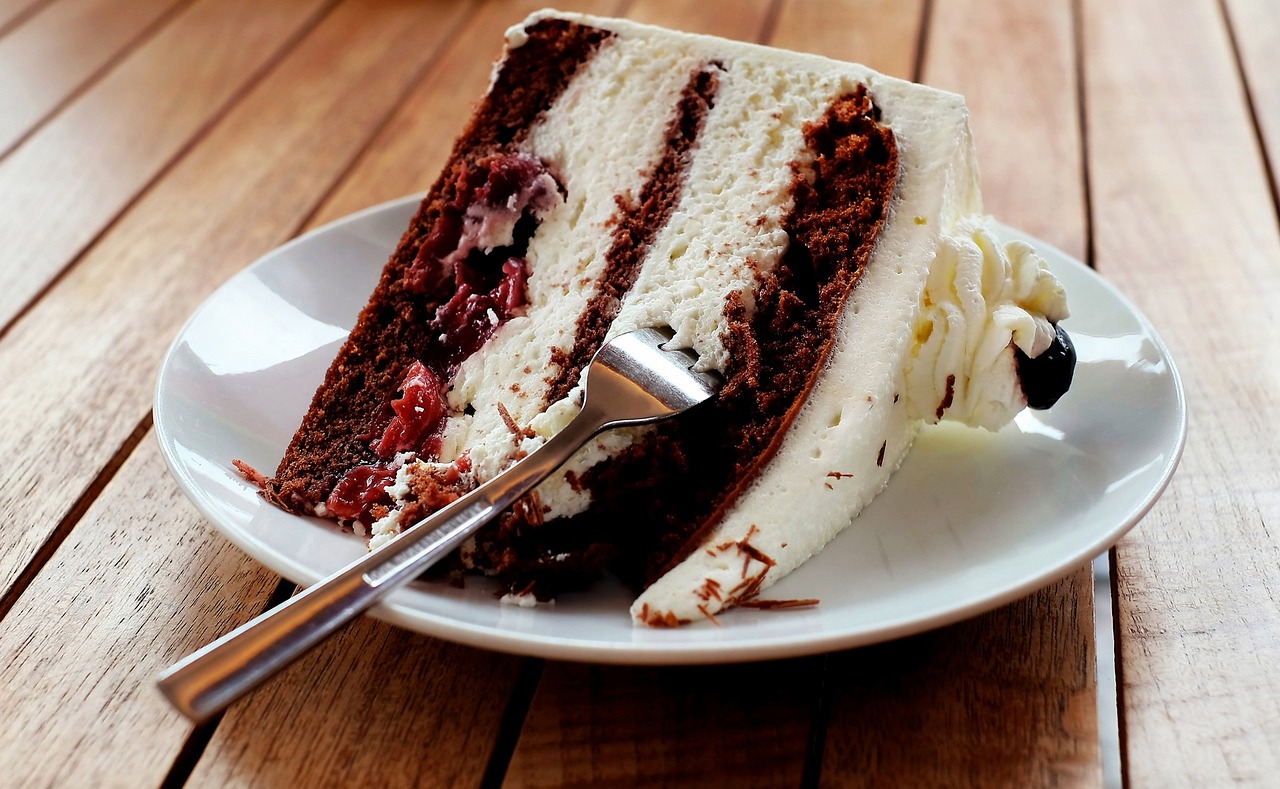
The tropical taste of pineapple combined with a luscious, tangy cream cheese frosting is a match made in dessert heaven! If you’re new to the world of baking or simply looking for an easy baking recipes that yields impressive results, you’ve come to the right place. This Pineapple Cake Cream Cheese Frosting Recipe is designed specifically with you in mind, offering clear, step-by-step guidance to ensure your success. Forget any intimidation; with our comprehensive baking tips for beginners, you’ll soon be pulling a moist, flavorful cake out of your oven that will have everyone asking for seconds. Get ready to embark on a delightful baking journey and create a truly unforgettable dessert that’s perfect for potlucks, family gatherings, or just a sweet treat for yourself!
This recipe breaks down every single step, making it super approachable. We’ll cover everything from getting your ingredients ready to the final, delicious swirl of frosting. So grab your apron, preheat your oven, and let’s bake something truly special together!
Ingredients List
Having all your ingredients measured and ready before you start is a game-changer, especially for beginners. This is called “mise en place” and it makes the whole process smoother!
For the Pineapple Cake
| Ingredient | Quantity |
|---|---|
| All-purpose flour | 2 ½ cups |
| Granulated sugar | 1 ¾ cups |
| Baking soda | 1 ½ teaspoons |
| Salt | 1 teaspoon |
| Large eggs | 2 (at room temperature) |
| Vegetable oil | ½ cup |
| Buttermilk | 1 cup (at room temperature) |
| Vanilla extract | 1 teaspoon |
| Crushed pineapple, undrained | 1 (20-ounce) can |
For the Cream Cheese Frosting
| Ingredient | Quantity |
|---|---|
| Cream cheese, full-fat | 8 ounces (softened, at room temperature) |
| Unsalted butter | ½ cup (1 stick, softened, at room temperature) |
| Powdered sugar (confectioners’ sugar) | 3-4 cups (sifted) |
| Vanilla extract | 1 teaspoon |
| Pinch of salt | ¼ teaspoon |
Step-by-Step Instructions: Baking Your Perfect Pineapple Cake
Follow these detailed steps carefully, and you’ll be amazed at what you can create!
Part 1: Preparing the Pineapple Cake
- Preheat Your Oven and Prepare Your Pan:Preheat your oven to 350°F (175°C). Grease and flour a 9×13 inch baking pan, or line the bottom with parchment paper and grease the sides. This step is crucial to prevent your cake from sticking, a common frustration for beginners!
Beginner Tip: To grease and flour, first spread a thin layer of butter or cooking spray evenly over the inside of the pan. Then, sprinkle a tablespoon or two of flour into the pan and shake it around until the entire greased surface is coated. Tap out any excess flour.
- Combine Dry Ingredients:In a large mixing bowl, whisk together the flour, granulated sugar, baking soda, and salt. Use a whisk to ensure everything is evenly distributed and there are no lumps. This is important for a consistent cake texture.
- Combine Wet Ingredients (Except Pineapple):In a separate medium bowl, whisk together the room temperature eggs, vegetable oil, room temperature buttermilk, and vanilla extract until well combined. Using room temperature ingredients helps them emulsify better, leading to a smoother batter and a more tender cake.
Beginner Tip: If your eggs or buttermilk are cold, you can quickly bring eggs to room temperature by placing them in a bowl of warm (not hot) water for 5-10 minutes. For buttermilk, microwave it for about 10-15 seconds, just until it’s not cold to the touch.
- Combine Wet and Dry Ingredients:Pour the wet ingredient mixture into the dry ingredient mixture. Mix on low speed with an electric mixer, or by hand with a whisk or spatula, until just combined. Do NOT overmix! Overmixing develops the gluten in the flour too much, which can lead to a tough, dry cake.
Beginner Tip: Mix only until you no longer see streaks of dry flour. A few small lumps are perfectly fine; they will disappear during baking.
- Add the Crushed Pineapple:Gently fold in the undrained crushed pineapple with a spatula. Yes, you read that right – undrained! The juice from the pineapple adds incredible moisture and flavor to the cake. Stir until just incorporated.
- Pour into Pan and Bake:Pour the cake batter evenly into your prepared 9×13 inch baking pan. Place it in the preheated oven and bake for 30-35 minutes, or until a wooden skewer or toothpick inserted into the center comes out clean. The top should be golden brown and spring back when lightly touched.
Important Note for Beginners: Avoid opening the oven door frequently while baking, especially in the first 20 minutes. This can cause the cake to sink in the middle.
- Cool the Cake:Once baked, remove the cake from the oven and let it cool in the pan on a wire rack for at least 30 minutes. After that, you can carefully invert it onto the wire rack to cool completely. It’s absolutely essential that the cake is completely cool before you apply the frosting. If it’s warm, the frosting will melt and slide right off!
Part 2: Making the Cream Cheese Frosting
This frosting is a classic for a reason – it’s irresistibly creamy and tangy!
- Cream Together Butter and Cream Cheese:In a large mixing bowl, using an electric mixer (handheld or stand mixer with paddle attachment), beat the softened cream cheese and softened unsalted butter together on medium speed until smooth and creamy, about 2-3 minutes. Scrape down the sides of the bowl occasionally. Both ingredients *must* be at room temperature for a lump-free, smooth frosting.
Beginner Tip: To quickly soften butter, cut it into small pieces and let it sit at room temperature for 15-30 minutes. You can also gently microwave it for 10-15 seconds, being careful not to melt it. Cream cheese softens faster.
- Gradually Add Powdered Sugar:With the mixer on low speed, gradually add the sifted powdered sugar, one cup at a time, mixing until just incorporated after each addition. Sifting the powdered sugar beforehand prevents lumps in your frosting, which is a common issue for new bakers.
Important Note: Start with 3 cups of powdered sugar and add more if you want a thicker or sweeter frosting. If your frosting seems too thick, you can add a tablespoon of milk or cream at a time until it reaches your desired consistency. If it’s too thin, add more sifted powdered sugar.
- Add Flavoring and Salt:Once all the powdered sugar is incorporated, add the vanilla extract and a pinch of salt. The salt helps to balance the sweetness and enhance the flavors.
- Whip Until Fluffy:Increase the mixer speed to medium-high and beat the frosting for another 2-3 minutes until it’s light, fluffy, and spreadable. This adds air and makes the frosting incredibly smooth and delightful.
Part 3: Assembling Your Pineapple Cake
The final, delicious step!
- Frost the Cooled Cake:Once your cake is completely cool, use an offset spatula or a butter knife to evenly spread the cream cheese frosting over the top of the cake. You can create decorative swirls or keep it smooth – it’s your masterpiece!
- Serve and Enjoy:Slice your beautiful Pineapple Cake and serve! This cake is best enjoyed at room temperature, but should be stored in the refrigerator due to the cream cheese frosting.
Tips & Tricks for Beginner Bakers
Baking is a science, but it doesn’t have to be intimidating! These tips will help you achieve consistent, delicious results every time.
- Room Temperature Ingredients are Key: For cakes and frostings, having butter, eggs, and dairy at room temperature allows them to emulsify properly, creating a smoother batter and a more even texture in your final product.
- Measure Accurately: Baking is precise. Use proper measuring cups for dry ingredients (level with a straight edge) and liquid measuring cups for wet ingredients (read at eye level). Don’t pack flour unless specified!
- Don’t Overmix: This is one of the most common beginner mistakes. Once you add flour to wet ingredients, mix only until just combined. Overmixing develops gluten, leading to a tough, dry cake.
- Sift Powdered Sugar: For the smoothest, lump-free frosting, always sift your powdered sugar before adding it to the butter and cream cheese mixture. It makes a huge difference!
- Cool Your Cake Completely: Patience is a virtue in baking! Frosting a warm cake will result in a melted, runny mess. Ensure your cake is absolutely cold to the touch before even thinking about frosting.
- Know Your Oven: Ovens can vary. If you find your cakes bake faster or slower than recipe times, consider getting an oven thermometer.
- Read the Entire Recipe First: Before you even start, read through all the instructions. This helps you understand the process and catch any necessary steps or ingredients you might have missed.
Essential Baking Tools
Having the right tools makes baking much easier and more enjoyable. Here are some basics you’ll want to have on hand:
- Mixing Bowl (various sizes)
- Whisk (for dry ingredients and lighter mixing)
- Baking Pan (9×13 inch for this recipe, but good to have other sizes)
- Measuring Cups (both dry and liquid sets)
- Measuring Spoons
- Spatula (rubber or silicone for scraping bowls)
- Electric Mixer (handheld or stand mixer for creaming butter/sugar and making frosting)
- Wire Cooling Rack
- Parchment Paper
Nutrition Info (Approximate per serving)
This information is an estimate based on approximately 12 servings for the entire cake. Actual values may vary based on specific ingredients and portion sizes.
| Nutrient | Per Serving (approx.) |
|---|---|
| Calories | 480-550 kcal |
| Carbohydrates | 70-80 g |
| Protein | 5-7 g |
| Fat | 20-25 g |
| Fiber | 1-2 g |
| Sugar | 50-60 g |
Frequently Asked Questions (FAQs)
1. Can I use fresh pineapple instead of canned crushed pineapple?
While you *can* use fresh pineapple, canned crushed pineapple is highly recommended for this recipe. The canning process breaks down the enzymes in fresh pineapple that can sometimes prevent cake batter from setting properly. Canned pineapple also provides a consistent moisture level that is factored into the recipe.
2. How should I store the Pineapple Cake with Cream Cheese Frosting?
Because of the cream cheese frosting, this cake must be stored in the refrigerator. Cover it tightly with plastic wrap or in an airtight container. It will stay fresh for 3-4 days. For best flavor and texture, let it sit at room temperature for about 30 minutes before serving.
3. My cream cheese frosting is too runny/too thick. What should I do?
If your frosting is too runny, it’s likely due to warm butter/cream cheese or not enough powdered sugar. Try adding more sifted powdered sugar, 1/4 cup at a time, until it thickens. You can also chill the frosting in the refrigerator for 15-30 minutes, then re-whip it. If it’s too thick, add a tablespoon of milk or heavy cream at a time, mixing until it reaches your desired consistency.
4. How do I know when the cake is truly done baking?
The best way to check for doneness is the toothpick test. Insert a wooden skewer or toothpick into the very center of the cake. If it comes out clean (without wet batter attached), your cake is done. If there’s still wet batter, bake for another 2-5 minutes and re-test. The top should also be golden brown and spring back when lightly touched.
5. Can I make this cake into cupcakes?
Yes, absolutely! This recipe works wonderfully for cupcakes. Line a cupcake pan with paper liners and fill each about two-thirds full. Bake at 350°F (175°C) for approximately 20-25 minutes, or until a toothpick inserted into the center comes out clean. This recipe should yield about 24-30 cupcakes.
6. What if I don’t have buttermilk?
No problem! You can easily make a buttermilk substitute at home. For 1 cup of buttermilk, pour 1 tablespoon of white vinegar or lemon juice into a liquid measuring cup, then fill the rest of the way with regular milk (any fat percentage). Stir gently and let it sit for 5-10 minutes until it slightly curdles. Then use it as directed in the recipe.
Conclusion: Your Delicious Baking Journey Starts Now!
Congratulations, baker! You’ve just mastered the art of making a truly delightful Pineapple Cake with Cream Cheese Frosting. This recipe is not just about baking a cake; it’s about building confidence in the kitchen and discovering the joy that comes from creating something delicious with your own hands. Don’t be afraid to experiment, and remember that every baker, no matter how experienced, started somewhere.
We hope these detailed instructions and beginner-friendly tips have made your baking experience smooth and successful. Share your beautiful creation with friends and family, and bask in the compliments. We’d love to hear how your cake turned out – feel free to leave a comment below with your thoughts or any questions you might have. Happy baking!