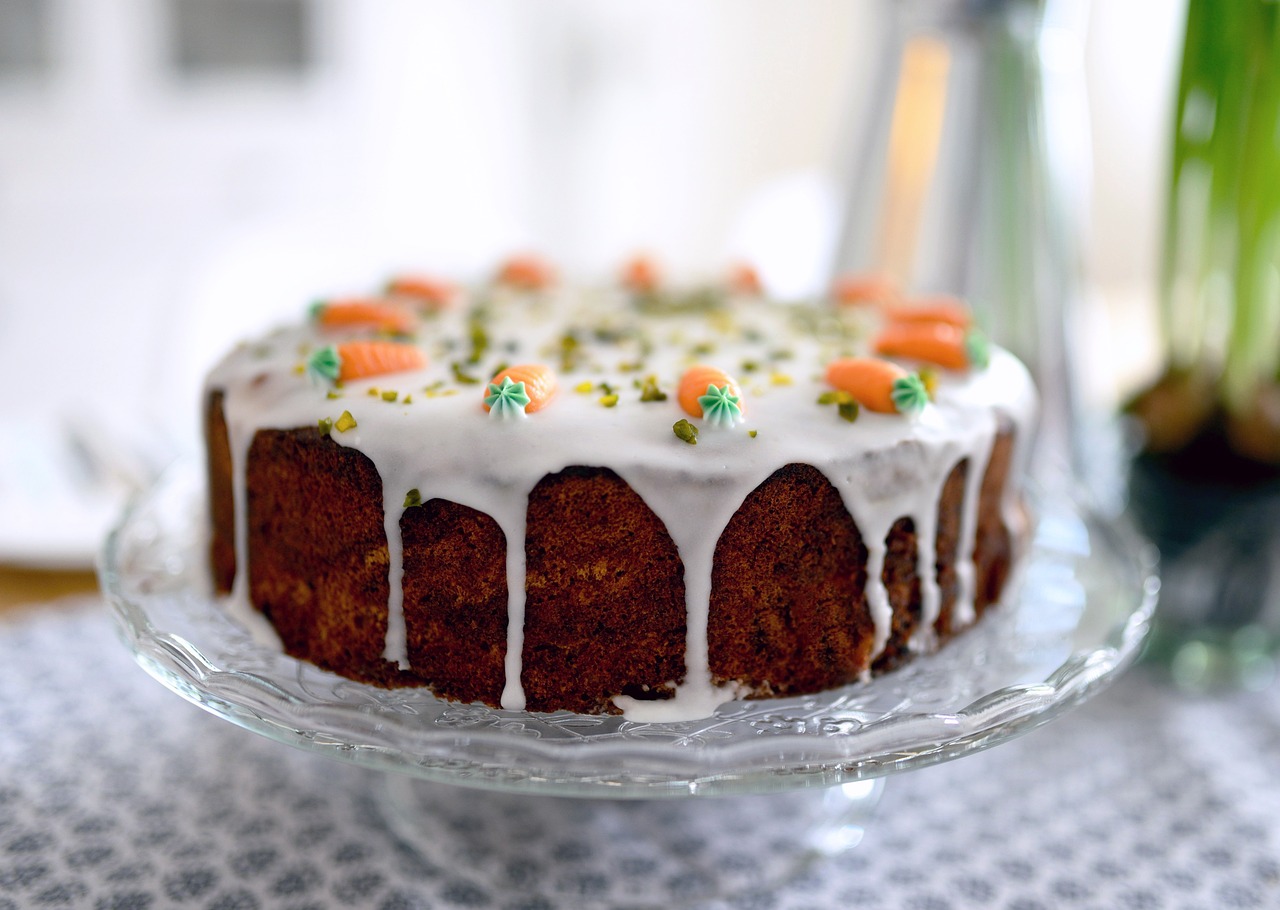
Welcome, fellow dessert lovers and aspiring bakers! Are you ready to elevate your cake game with a burst of tropical sunshine? This Pineapple Filling Recipe For Cake is not just any recipe; it’s your new secret weapon for creating truly unforgettable desserts.
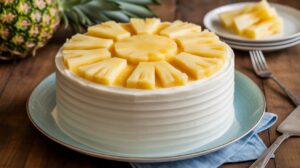
Imagine biting into a moist cake, only to be greeted by the bright, tangy sweetness of homemade pineapple filling pure bliss! Many beginner bakers might feel intimidated by making fillings from scratch, but I promise you, this is one of those easy baking recipes that will build your confidence and impress everyone. We’ll walk you through every single step, offering valuable baking tips for beginners along the way, so you can achieve a perfectly thick, deliciously vibrant filling every single time. Get ready to transform your cakes from good to absolutely glorious!
Ingredients List
Gathering your ingredients is the first step to baking success. Make sure everything is measured accurately before you begin!
| Ingredient | Quantity | Unit |
|---|---|---|
| Canned Crushed Pineapple (undrained) | 20 | ounces |
| Granulated Sugar | ½ | cup |
| Cornstarch | 3 | tablespoons |
| Cold Water | ¼ | cup |
| Unsalted Butter | 1 | tablespoon |
| Lemon Juice (freshly squeezed) | 1 | teaspoon |
| Pinch of Salt | ¼ | teaspoon |
Step-by-Step Instructions: Crafting Your Perfect Pineapple Filling
Follow these detailed steps carefully, and you’ll have a luscious pineapple filling ready for your cake in no time. Remember, patience is a baker’s best friend!
Step 1: Prepare the Pineapple
- Open your 20-ounce can of crushed pineapple. For this recipe, we’re going to use the pineapple along with its juice, so **do not drain it**. The juice is essential for flavor and moisture, and helps with the thickening process.
- Pour the entire contents of the can (pineapple and juice) into a medium-sized, heavy-bottomed saucepan. A heavy-bottomed pan is important because it distributes heat more evenly, which helps prevent scorching the bottom of your filling – a common beginner mistake!
Step 2: Add Sugar and Salt
- To the saucepan with the pineapple, add ½ cup of granulated sugar and a ¼ teaspoon of salt. The sugar, of course, adds sweetness, but the pinch of salt is a secret weapon! It helps to balance the flavors, enhancing the natural sweetness of the pineapple and preventing the filling from tasting flat.
- Stir everything together with a whisk or a heat-resistant spatula until the sugar is well combined with the pineapple.
Step 3: Create the Cornstarch Slurry
- In a small separate bowl, combine 3 tablespoons of cornstarch with ¼ cup of cold water. It’s crucial that the water is **cold**! If you use warm or hot water, the cornstarch will clump immediately, and you’ll end up with a lumpy filling.
- Whisk the cornstarch and cold water together thoroughly until there are no lumps and you have a smooth, milky liquid. This mixture is called a “slurry,” and it’s what will thicken our pineapple filling.
Step 4: Cook the Pineapple Mixture
- Place the saucepan with the pineapple mixture over medium heat on your stovetop.
- Bring the mixture to a gentle simmer, stirring frequently. As it heats up, you’ll see small bubbles forming around the edges. This stirring is important to prevent the pineapple from sticking to the bottom of the pan and burning.
- Once it’s simmering, reduce the heat slightly to medium-low.
Step 5: Thicken the Filling
- Give your cornstarch slurry one final quick stir right before adding it, as cornstarch can settle at the bottom.
- Slowly pour the cornstarch slurry into the simmering pineapple mixture in a thin, steady stream while continuously whisking or stirring. This continuous stirring is key to preventing lumps and ensuring even thickening.
- Continue to cook and stir the mixture for about 2-3 minutes. You will notice the filling beginning to thicken quite significantly. It should become glossy and coat the back of your spoon. **Don’t rush this step!** If it doesn’t seem thick enough after a couple of minutes, give it another minute or so, continuing to stir. It will thicken further as it cools.
- Once it has reached your desired thickness (think a thick jam or jelly consistency), remove the saucepan from the heat.
Step 6: Add Butter and Lemon Juice for Flavor
- While the filling is still hot, add 1 tablespoon of unsalted butter and 1 teaspoon of freshly squeezed lemon juice.
- Stir until the butter has completely melted and is incorporated into the filling. The butter adds a wonderful richness and a silky smooth texture, while the lemon juice brightens the pineapple flavor, giving it that extra “zing” without making it overly tart.
Step 7: Cool Completely
- Transfer the hot pineapple filling to a heat-proof bowl.
- Cover the surface of the filling directly with plastic wrap. This step is important to prevent a “skin” from forming on top as it cools.
- Allow the filling to cool completely to room temperature, then transfer it to the refrigerator to chill for at least 2-3 hours, or even better, overnight. The filling will continue to thicken as it cools. **It is absolutely crucial that the filling is completely cold before using it in your cake.** Using warm or even slightly cool filling can melt your frosting and cause your cake layers to slide, leading to a disastrous outcome for your beautiful creation!
Tips & Tricks for a Perfect Pineapple Filling
Even with a simple recipe, a few expert tips can make all the difference, especially for beginners!
- Consistency is Key: For cake filling, you want a consistency that’s thick enough to stay in place between layers without oozing out, but still spreadable. If your filling seems too thin after cooling, you can gently reheat it over low heat and add a tiny bit more cornstarch slurry (mixed with cold water) until it thickens. If it’s too thick, you can stir in a tablespoon or two of pineapple juice or water until it reaches the desired consistency.
- Fresh vs. Canned Pineapple: While this recipe uses canned crushed pineapple for convenience and consistent texture, you can use fresh pineapple. If using fresh, make sure to finely dice or crush it and add about ¼ to ½ cup of water or pineapple juice to the pan, as fresh pineapple might not release enough liquid to cook down properly.
- Preventing Lumps: The two main keys to lump-free filling are using **cold water for your cornstarch slurry** and **whisking continuously** when adding the slurry to the hot pineapple mixture. Don’t dump it all in at once!
- Flavor Boosters: For an extra layer of flavor, consider adding a pinch of ground cinnamon or nutmeg along with the sugar. A teaspoon of rum extract can also complement the pineapple beautifully for an adult-friendly cake.
- Storage: Once completely cooled, store your pineapple filling in an airtight container in the refrigerator for up to 5-7 days. It’s perfect for making ahead!
- Double the Recipe: If you’re baking a larger cake (e.g., a 3-layer 9-inch cake or a sheet cake), you might want to double this recipe to ensure you have plenty of filling.
Essential Baking Tools
Having the right tools makes baking easier and more enjoyable. Here are a few essentials for this recipe:
- Mixing Bowl
- Whisk
- Baking Pan (Not directly for the filling, but for the cake!)
- Measuring Cups
- Spatula
Nutrition Info (Approximate per Serving)
This information is an estimate based on the ingredients used and assumes 12 servings per recipe.
| Nutrient | Amount |
|---|---|
| Calories | 95-110 kcal |
| Carbohydrates | 24-28 g |
| Protein | 0.5 g |
| Fat | 1.5-2 g |
| Fiber | 1 g |
| Sugar | 18-22 g |
FAQs (Frequently Asked Questions)
Here are some common questions beginners often ask about making this pineapple filling:
- Q: Can I use fresh pineapple instead of canned?
- A: Yes, you absolutely can! If using fresh, finely dice or crush about 2 cups of fresh pineapple. You may need to add an extra ¼ to ½ cup of water or pineapple juice to the pan, as fresh pineapple doesn’t come with as much liquid as canned. Cook it down until tender before adding the cornstarch slurry.
- Q: My filling is lumpy. What did I do wrong?
- A: Lumps usually occur if the cornstarch slurry wasn’t mixed smoothly with cold water, or if it was added too quickly to the hot pineapple mixture without constant whisking. For a quick fix, you can pass the cooled filling through a fine-mesh sieve to remove any lumps, or use an immersion blender to smooth it out.
- Q: How long does this pineapple filling last in the refrigerator?
- A: When stored in an airtight container, your homemade pineapple filling will last for 5-7 days in the refrigerator. This makes it a great component to prepare ahead of time for your baking projects!
- Q: What if my filling is too thin after chilling?
- A: If your filling is still too thin after it has completely chilled, you can gently reheat it in a saucepan over low heat. In a small separate bowl, whisk together 1 teaspoon of cornstarch with 2 tablespoons of cold water. Slowly whisk this new slurry into the warm filling and continue to cook and stir until it thickens to your desired consistency. Then, cool it down again completely before using.
- Q: Can I freeze this pineapple filling?
- A: Yes, you can! Once completely cooled, transfer the filling to a freezer-safe, airtight container or a heavy-duty freezer bag. It can be frozen for up to 2-3 months. Thaw it in the refrigerator overnight before using. Give it a good stir after thawing, and if it seems a bit watery, you can re-thicken it slightly as described above.
- Q: Can I make this filling less sweet?
- A: Absolutely! The amount of sugar can be adjusted to your preference. Start with ¼ cup of sugar and taste the mixture after it’s cooked and cooled slightly. You can always stir in a little more sugar if needed (though it won’t dissolve as easily once cooled). The sweetness of your pineapple will also play a role, so adjust accordingly.
Conclusion: Your Pineapple Filling Masterpiece Awaits!
Congratulations, you’ve just mastered the art of making a delectable homemade pineapple filling! This recipe is a fantastic stepping stone for anyone diving into the world of baking, proving that delicious results don’t always require complex techniques. Whether you’re filling a classic vanilla cake, a fluffy coconut cake, or even using it as a topping for pancakes or cheesecake, this vibrant, tangy-sweet filling will be a showstopper. Don’t be afraid to experiment and make it your own. We hope this detailed guide, packed with baking tips for beginners, empowers you to bake with confidence and joy. Happy baking, and get ready to enjoy the sweet rewards of your kitchen efforts!
“`