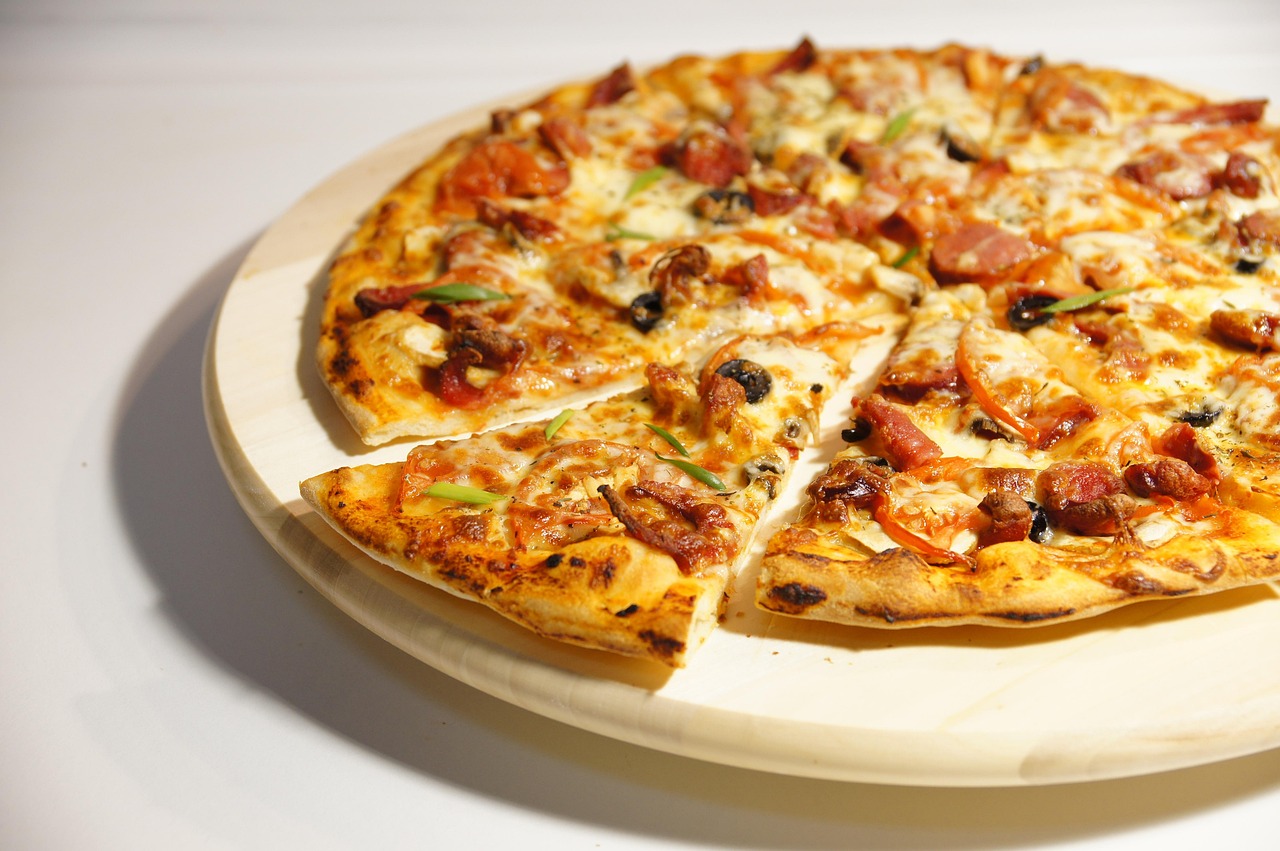

Forget sticky counters and tired arms – this method is a game-changer for anyone looking for practical baking tips for beginners. Get ready to impress yourself and your loved ones with the freshest, most flavorful pizza crust you’ve ever made!
Gather Your Ingredients: Simple & Essential
Making delicious pizza dough doesn’t require a long list of exotic ingredients. In fact, you likely have most of these staples in your pantry already! The key is using fresh, quality ingredients for the best results.
| Ingredient | Quantity | Unit |
|---|---|---|
| Warm Water (105-115°F / 40-46°C) | 1 ¼ | cups |
| Olive Oil | 2 | tablespoons |
| All-Purpose Flour (or Bread Flour) | 3 ½ | cups |
| Granulated Sugar | 1 | tablespoon |
| Salt | 1 ½ | teaspoons |
| Active Dry Yeast (or Instant Yeast) | 2 ¼ | teaspoons (1 standard packet) |
A quick note on water temperature: This is crucial for activating your yeast. Too cold, and the yeast won’t wake up; too hot, and you’ll kill it. Aim for a comfortable bathwater temperature – you should be able to hold your finger in it for a few seconds without discomfort.
Step-by-Step Instructions: Your Path to Perfect Pizza Dough
Follow these detailed steps, and your bread machine will do most of the hard work for you!
Step 1: Prepare Your Bread Machine Pan
Start by removing the bread pan from your bread machine. Most machines have a kneading paddle that sits at the bottom of the pan. Make sure it’s securely in place before adding any ingredients. A quick wipe-down with a damp cloth can ensure it’s clean and ready.
Step 2: Add Wet Ingredients First
This is a common rule of thumb for most bread machines. Pour the **warm water** (remember that ideal temperature!) into the bread pan first, followed by the **olive oil**. The oil helps to tenderize the dough and adds a lovely flavor to your crust.
Beginner Tip: Always double-check your measurements, especially for liquids. Too much or too little can significantly alter your dough’s consistency.
Step 3: Layer in the Dry Ingredients
Next, carefully add the **all-purpose flour** (or bread flour, if you prefer a chewier crust) over the wet ingredients. Try to create a mound of flour in the center of the pan. Then, add the **granulated sugar** and **salt** to separate corners of the flour mound, keeping them away from where the yeast will go initially.
Why separate? Salt can inhibit yeast activity if they come into direct contact too early, so creating these little “mountains” helps keep them apart until the machine starts mixing.
Step 4: Add the Yeast Last
Finally, make a small indentation or “well” in the center of your flour mound and carefully pour the **active dry yeast** into it. This ensures the yeast doesn’t get wet too soon and also keeps it separated from the salt.
Common Mistake & Fix: If your yeast doesn’t foam or activate, it might be old, or your water was too hot/cold. Always check the expiration date on your yeast! If your dough doesn’t rise later, inactive yeast is usually the culprit.
Step 5: Select the “Dough” Cycle
Return the bread pan to your bread machine and close the lid securely. Select the “Dough” or “Pizza Dough” cycle on your machine. This cycle typically includes a kneading phase, a rise phase (first proofing), and sometimes a punch-down before signaling it’s done. It usually takes between 1 hour 20 minutes to 1 hour 50 minutes, depending on your machine.
What to Expect: During the kneading phase, the dough will come together into a ball. It should be slightly sticky but shouldn’t stick excessively to the sides of the pan. If it looks too dry and crumbly, add a teaspoon of water at a time. If it’s too wet and soupy, add a tablespoon of flour at a time. Do this *slowly* and wait a minute or two for the machine to incorporate it before adding more.
Step 6: Remove and Punch Down the Dough
Once the “Dough” cycle is complete, your machine will beep. Carefully remove the bread pan. The dough should have risen significantly, looking light and airy. Lightly flour your hands and gently take the dough out of the pan. If the kneading paddle is stuck in the dough, carefully remove it (it can be hot!).
Place the dough on a lightly floured surface (your kitchen counter or a large cutting board works well). Gently “punch down” the dough to release the trapped air. This doesn’t mean hitting it hard; a gentle pat or fold is all it needs. This step redistributes the yeast and prepares the dough for its final shaping.
Step 7: Rest and Shape Your Dough
After punching down, you can immediately begin shaping your pizza! Divide the dough into two equal portions for two medium pizzas, or use the whole batch for one large, thick-crust pizza. Lightly flour your hands and rolling pin (if using).
- For a Round Pizza: Start by gently pressing the dough from the center outwards, maintaining a slightly thicker edge for the crust. Then, you can use a rolling pin or even stretch it by hand, letting gravity help.
- For a Rectangular Pizza (Sheet Pan Pizza): Simply press and stretch the dough to fit your baking sheet.
Beginner Shaping Tip: Don’t overwork the dough with too much flour or aggressive rolling, as this can make it tough. If the dough springs back too much, let it rest for 5-10 minutes (covered with a clean kitchen towel) and try again. This allows the gluten to relax.
Step 8: Top and Bake!
Transfer your shaped pizza dough to a lightly oiled or parchment-lined pizza pan or baking sheet. Add your favorite pizza sauce, cheese, and toppings. Bake in a preheated oven at 425-450°F (220-230°C) for 12-18 minutes, or until the crust is golden brown and the cheese is bubbly and melted.
Pro-Tip for Crispier Crust: For an extra crispy bottom, consider pre-baking your crust for 5-7 minutes before adding sauce and toppings. This is especially good for wetter toppings.
Tips & Tricks for Pizza Dough Mastery
Becoming a pizza pro takes practice, but these tips will give you a head start:
- Don’t Rush the Rise: The “Dough” cycle in your bread machine is designed to give the dough its first, crucial rise. Don’t be tempted to cut it short! This rise develops flavor and texture.
- Flour Wisely: When shaping, use just enough flour to prevent sticking. Too much extra flour can make your dough tough and dry. Keep a small bowl of flour nearby for dusting your hands and surface as needed.
- Chill for Later: If you’re not making pizza right away, you can place the punched-down dough in an oiled bowl, cover it tightly with plastic wrap, and refrigerate it for up to 2-3 days. Bring it to room temperature for about 30-60 minutes before shaping.
- Freeze for Future Feasts: This dough freezes beautifully! After punching it down, divide it into portions, lightly oil each ball, wrap tightly in plastic wrap, and then place in a freezer-safe bag. Freeze for up to 3 months. Thaw overnight in the fridge, then bring to room temperature before shaping.
- Pre-Bake Your Crust: For a super crispy crust that stands up to heavy toppings, bake your naked crust (without sauce or toppings) for 5-7 minutes at 450°F (230°C) before adding anything else. This prevents a soggy bottom.
- Experiment with Flavors: Add a teaspoon of dried Italian herbs or garlic powder to your dry ingredients for an extra flavorful crust!
- Adjust for Humidity: On humid days, you might need slightly more flour; on dry days, a touch more water. Pay attention to how the dough feels during kneading.
Essential Baking Tools for Your Pizza Adventure
Having the right tools makes all the difference, especially for beginners. Here are a few essentials:
- Bread Machine (of course!)
- Large Mixing Bowl (for resting dough if refrigerating)
- Whisk (for combining dry ingredients if making by hand)
- Pizza Pan or Baking Sheet
- Measuring Cups
- Measuring Spoons
- Rubber Spatula (for scraping dough if needed)
- Rolling Pin (optional, but helpful for even shaping)
- Kitchen Scale (for precise flour measurement, highly recommended for baking accuracy!)
Nutrition Information (Per 1/8th of recipe, dough only)
This is an approximate nutritional breakdown for the dough itself, not including toppings. Values can vary based on exact ingredients and brands used.
| Nutrient | Amount |
|---|---|
| Calories | 210 kcal |
| Carbohydrates | 42g |
| Protein | 7g |
| Fat | 2.5g |
| Fiber | 1.5g |
| Sugar | 1g |
Frequently Asked Questions (FAQs)
Q1: Can I make this pizza dough by hand if I don’t have a bread machine?
A: Absolutely! While the bread machine simplifies things, you can certainly make this by hand. Combine warm water, sugar, and yeast; let bloom for 5-10 minutes. Then add oil, flour, and salt. Mix until a shaggy dough forms, then knead on a lightly floured surface for 8-10 minutes until smooth and elastic. Place in an oiled bowl, cover, and let rise in a warm place for 1-1.5 hours until doubled in size, then proceed with shaping.
Q2: My dough didn’t rise, what went wrong?
A: The most common culprits are inactive yeast (check the expiration date!), water that was too hot (killed the yeast) or too cold (didn’t activate it), or forgetting the sugar (yeast needs sugar to feed on). Ensure your ingredients are fresh and water temperature is correct.
Q3: How long can I store the pizza dough in the refrigerator?
A: After the bread machine cycle, you can place the punched-down dough in an oiled, airtight container or bowl covered with plastic wrap and refrigerate it for up to 2-3 days. Bring it to room temperature for about 30-60 minutes before you plan to shape and bake it.
Q4: Can I freeze this pizza dough?
A: Yes! This dough freezes beautifully. After the bread machine cycle and punching down, divide the dough into desired portions. Lightly oil each ball, wrap tightly in plastic wrap, then place in a freezer-safe bag or container. It can be frozen for up to 3 months. To use, thaw overnight in the refrigerator, then bring to room temperature before shaping.
Q5: Can I use whole wheat flour instead of all-purpose?
A: You can, but it will result in a denser, chewier crust. Whole wheat flour absorbs more liquid, so you might need to add an extra tablespoon or two of water. Start with a 50/50 blend of whole wheat and all-purpose flour if you’re new to using whole wheat in pizza dough.
Ready to Bake Your Best Pizza Yet?
Congratulations, you’re now equipped with everything you need to make fantastic homemade pizza dough using your bread machine! This recipe isn’t just about making pizza; it’s about building confidence in the kitchen and discovering the joy of baking from scratch. Each time you make it, you’ll gain more experience and learn to trust your instincts.
So, don’t wait! Pull out your bread machine, gather your ingredients, and embark on your delicious pizza-making journey. We can’t wait to hear about your culinary creations. Share your pizza masterpieces with us in the comments below!