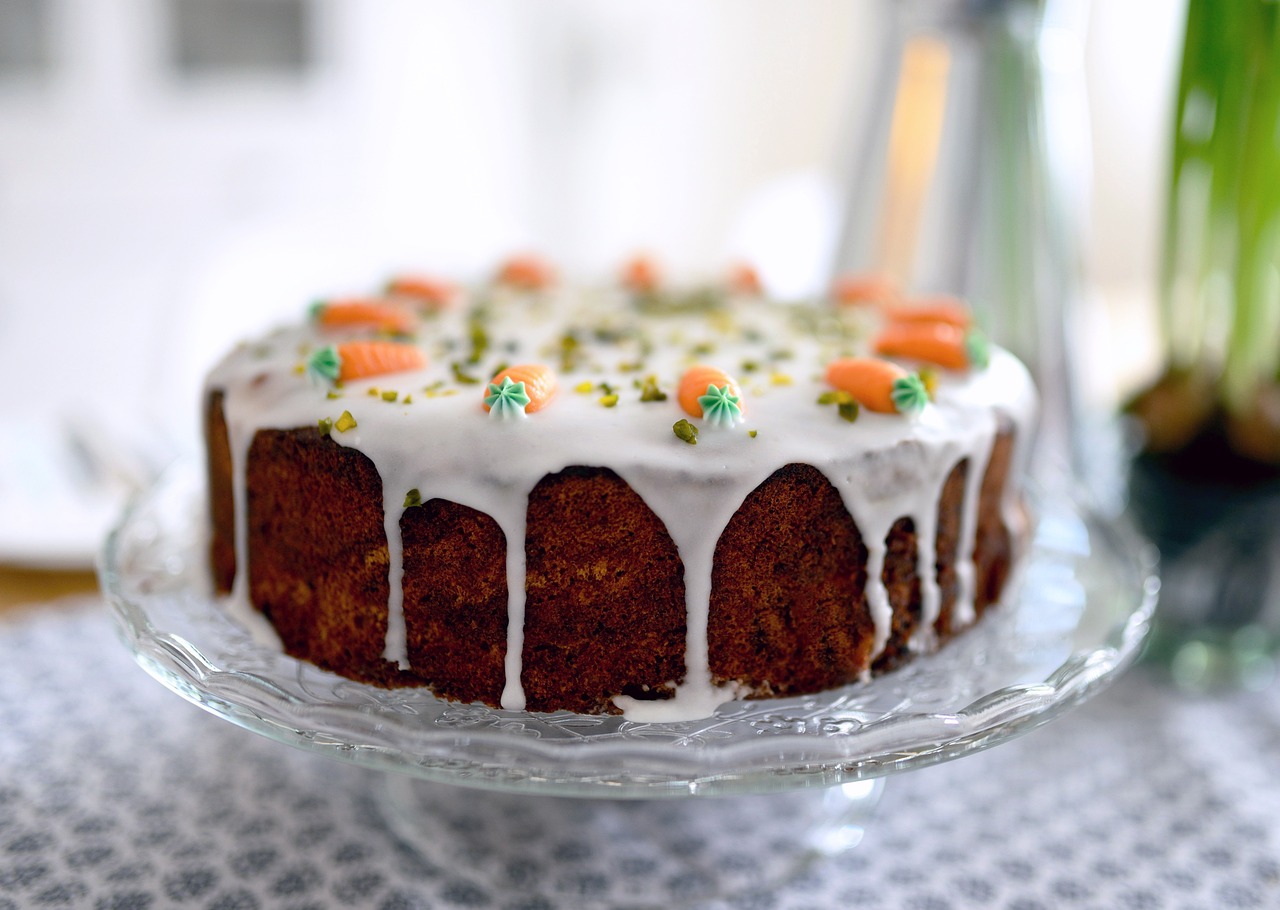
Are you ready to embark on a delicious baking adventure? Today, we’re bringing a piece of Polish culinary tradition right into your kitchen with one of the most beloved and comforting Poland Cake Recipes: the classic Szarlotka, or Polish Apple Cake! Forget intimidating techniques; this recipe is designed to be one of the most easy baking recipes you’ll ever try. It’s a humble yet incredibly flavorful dessert featuring a buttery, crumbly pastry crust embracing a warm, spiced apple filling. Perfect for beginners, we’ll walk you through every step, providing essential baking tips for beginners to ensure your first Polish apple cake is a resounding success. Get ready to fill your home with the inviting aroma of baked apples and cinnamon!
Ingredients List: What You’ll Need
Gather your ingredients! We’ve broken them down into two main sections: one for the delectable shortcrust pastry and another for the fragrant apple filling. Using room temperature butter for the pastry is crucial for a smooth dough!
For the Shortcrust Pastry:
| Quantity | Unit | Ingredient |
|---|---|---|
| 2 ½ | cups | All-purpose flour |
| ½ | cup | Granulated sugar |
| 1 | teaspoon | Baking powder |
| ½ | teaspoon | Salt |
| 1 | cup (2 sticks) | Unsalted butter, very cold and cut into cubes |
| 2 | large | Egg yolks (reserve whites for another recipe or discard) |
| 2-3 | tablespoons | Ice water (if needed) |
For the Apple Filling:
| Quantity | Unit | Ingredient |
|---|---|---|
| 6-8 | medium | Baking apples (Granny Smith, Honeycrisp, or a mix work well) |
| ½ | cup | Granulated sugar (adjust to apple sweetness) |
| 1 | tablespoon | Lemon juice |
| 1 | teaspoon | Ground cinnamon |
| ¼ | teaspoon | Ground nutmeg (optional) |
| 2 | tablespoons | All-purpose flour or cornstarch (to thicken) |
| 1 | tablespoon | Unsalted butter (for sautéing apples, optional but recommended) |
For Finishing:
| Quantity | Unit | Ingredient |
|---|---|---|
| Powdered sugar, for dusting |
Step-by-Step Instructions: Your Path to Polish Apple Cake Perfection
Follow these detailed steps, and you’ll be enjoying a homemade Polish Apple Cake in no time! Remember, baking is a science, but it’s also about enjoying the process.
Step 1: Prepare Your Pastry Dough (The Foundation!)
- Combine Dry Ingredients: In a large mixing bowl, whisk together the 2 ½ cups all-purpose flour, ½ cup granulated sugar, 1 teaspoon baking powder, and ½ teaspoon salt. Make sure everything is evenly distributed.
- Incorporate the Butter: Add the 1 cup (2 sticks) of very cold, cubed unsalted butter to the dry ingredients.
- Beginner Tip: Working with cold butter is key for a flaky pastry! You can use a pastry blender, two knives, or even your fingertips. Cut the butter into the flour mixture until it resembles coarse crumbs with some pea-sized pieces of butter still visible. Avoid overworking it with your hands, as the warmth from your hands can melt the butter too quickly.
- Add Egg Yolks: Add the 2 large egg yolks to the mixture. Mix until just combined. The dough will still look crumbly.
- Add Ice Water (If Needed): If the dough is too dry to come together, add 1 tablespoon of ice water at a time, mixing gently until the dough just barely forms a cohesive ball. Be careful not to add too much water, as this can make the pastry tough.
- Common Mistake & Fix: If your dough feels too sticky, add a tiny bit more flour. If it’s too dry and won’t hold together, add a few more drops of ice water.
- Chill the Dough: Divide the dough into two unequal portions: one slightly larger (about 60%) for the bottom crust and one smaller (about 40%) for the top. Flatten each portion into a disc, wrap tightly in plastic wrap, and refrigerate for at least 30-60 minutes. Chilling allows the butter to firm up, prevents shrinkage, and makes the dough easier to handle.
Step 2: Prepare the Apple Filling (The Heart of the Cake!)
- Peel and Core Apples: Wash, peel, core, and slice your 6-8 medium baking apples. Aim for slices about ¼-inch thick.
- Apple Choice Tip: A mix of tart (like Granny Smith) and sweet (like Honeycrisp or Fuji) apples gives the best flavor balance.
- Sauté (Optional but Recommended): In a large skillet over medium heat, melt 1 tablespoon of unsalted butter. Add the sliced apples, ½ cup granulated sugar (adjust based on apple sweetness), 1 tablespoon lemon juice, 1 teaspoon ground cinnamon, and ¼ teaspoon ground nutmeg (if using). Cook for 5-10 minutes, stirring occasionally, until the apples soften slightly but still hold their shape. This step helps to cook out some of the excess moisture and concentrate the flavors.
- Thicken the Filling: Stir in 2 tablespoons of all-purpose flour or cornstarch. This will help absorb any remaining apple juices and prevent the bottom crust from becoming soggy. Remove from heat and let cool slightly while you prepare the crust.
Step 3: Assemble and Bake Your Szarlotka
- Preheat Oven & Prepare Pan: Preheat your oven to 375°F (190°C). Grease and flour a 9×13 inch baking pan or a 9-inch round springform pan.
- Roll Out Bottom Crust: Take the larger dough disc from the refrigerator. On a lightly floured surface, roll it out into a rectangle or circle slightly larger than your baking pan.
- Rolling Tip: If the dough cracks, gently press it back together with your fingers. Don’t be afraid to patch it up!
- Place Dough in Pan: Carefully transfer the rolled dough into your prepared baking pan. Press it gently into the bottom and up the sides to form a crust. Trim any excess dough if necessary.
- Add Apple Filling: Pour the cooled apple filling evenly over the bottom crust.
- Prepare Top Crust: Take the smaller dough disc. You have two options for the top:
- Option A (Lattice or Solid Top): Roll it out and cut into strips for a lattice top, or simply place it as a solid top crust (make sure to cut a few slits for steam to escape).
- Option B (Crumbly Top – Traditional): Grate the cold dough directly over the apple filling using a coarse grater. This creates a beautiful, crumbly texture. This is often the more traditional approach for Szarlotka.
- Bake: Place the pan in the preheated oven. Bake for 50-65 minutes, or until the crust is golden brown and the apple filling is bubbling.
- Doneness Cue: If the crust starts browning too quickly, you can loosely tent the cake with aluminum foil. The apples should be tender when pierced with a knife.
- Cool: Once baked, remove the cake from the oven and let it cool completely on a wire rack before slicing and serving. This is crucial for the filling to set properly and prevent the cake from falling apart.
Step 4: Serve and Enjoy!
Once cooled, dust generously with powdered sugar. Serve your beautiful Polish Apple Cake on its own, with a dollop of whipped cream, or a scoop of vanilla ice cream. Smacznego!
Tips & Tricks for Beginner Bakers
Baking can seem daunting, but these tips will make your journey smoother:
- Measure Accurately: Baking is precise! Use proper measuring cups for dry ingredients (level off with a straight edge) and liquid measuring cups for liquids (read at eye level). Don’t scoop flour directly from the bag; spoon it into your measuring cup and then level it.
- Room Temperature Ingredients: Unless specified (like cold butter here!), eggs and other dairy products often need to be at room temperature. This helps them emulsify better and creates a smoother, more uniform batter.
- Don’t Overmix: For pastry dough, overmixing develops gluten, leading to a tough crust. Mix just until the ingredients are combined.
- Oven Calibration: Ovens can vary! If your bakes consistently come out too dark or too light, consider getting an oven thermometer to check your oven’s accuracy.
- Patience is a Virtue: Resist the urge to open the oven door too often, especially during the first two-thirds of baking. Also, allow your cake to cool completely before slicing – it’s tough, but essential for structure and flavor.
- Read the Entire Recipe: Before you even start, read the recipe from beginning to end. This helps you understand the process, anticipate steps, and ensure you have all ingredients and tools ready. This is one of the most important **baking tips for beginners**!
Essential Baking Tools
Having the right tools makes all the difference! Here are some basics you’ll want in your kitchen:
- Mixing Bowl (various sizes are helpful!)
- Whisk (for dry ingredients and egg yolks)
- Baking Pan (a 9×13 inch rectangular or 9-inch round springform pan)
- Measuring Cups (for dry and liquid ingredients)
- Measuring Spoons (for smaller quantities)
- Spatula (rubber spatula for scraping bowls, metal spatula for serving)
- Pastry Blender (or two knives, for cutting in butter)
- Rolling Pin (for rolling out dough)
- Parchment Paper (makes cleanup easier and prevents sticking)
- Wire Rack (for cooling baked goods)
Nutrition Information (Estimated per serving)
This is an estimated nutritional breakdown for one slice (assuming 12 servings from a 9×13 inch cake). Please note that actual values may vary based on specific ingredients and portion sizes.
| Nutrient | Amount |
|---|---|
| Calories | 350-400 kcal |
| Carbohydrates | 50-60g |
| Protein | 4-5g |
| Fat | 18-22g |
| Fiber | 3-4g |
| Sugar | 30-35g |
Frequently Asked Questions (FAQs)
Q1: Can I use different types of fruit for this cake?
A: Absolutely! While apples are traditional for Szarlotka, you can experiment. Pears, plums, or even berries (mixed with a little more flour or cornstarch to absorb moisture) can be delicious. Adjust sugar levels based on the sweetness of your chosen fruit.
Q2: My pastry dough is too crumbly and hard to roll. What went wrong?
A: This usually means the dough is too dry. You might need to add a little more ice water, one teaspoon at a time, until it just comes together. Avoid over-flouring your surface when rolling, as this can also dry out the dough.
Q3: How do I store leftover Polish Apple Cake?
A: Store leftover Szarlotka at room temperature for up to 2-3 days, covered loosely with foil or plastic wrap. For longer storage, you can refrigerate it for up to 5 days. It can also be frozen for up to 2-3 months; wrap individual slices tightly in plastic wrap and then foil.
Q4: My apple filling is too watery after baking. How can I fix this next time?
A: A watery filling usually means the apples released too much liquid, and there wasn’t enough thickener. Next time, make sure to either sauté the apples longer to cook off more moisture, or increase the amount of flour or cornstarch in the filling by an extra tablespoon.
Q5: Can I make this cake without a food processor?
A: Yes, absolutely! Many traditional recipes are made without one. You can cut the cold butter into the flour mixture using a pastry blender, two knives, or even your fingertips (working quickly to prevent the butter from melting). It just takes a little more elbow grease!
Q6: Why did my crust shrink during baking?
A: Crust shrinkage is often due to the dough not being chilled enough, or being overworked. Chilling the dough allows the gluten to relax and the butter to firm up, preventing it from shrinking back in the oven. Also, avoid stretching the dough too much when placing it in the pan.
Conclusion: Your Delicious Polish Journey Begins!
Congratulations, budding baker! You’ve just created a beautiful and delicious Polish Apple Cake (Szarlotka) from scratch. We hope this detailed, beginner-friendly guide has given you the confidence and skills to tackle more easy baking recipes and explore the wonderful world of Poland Cake Recipes. Don’t worry if it’s not absolutely perfect the first time – every bake is a learning experience. What matters most is the joy of creating something homemade and sharing it with loved ones. We’d love to hear about your baking success in the comments below! Happy baking.