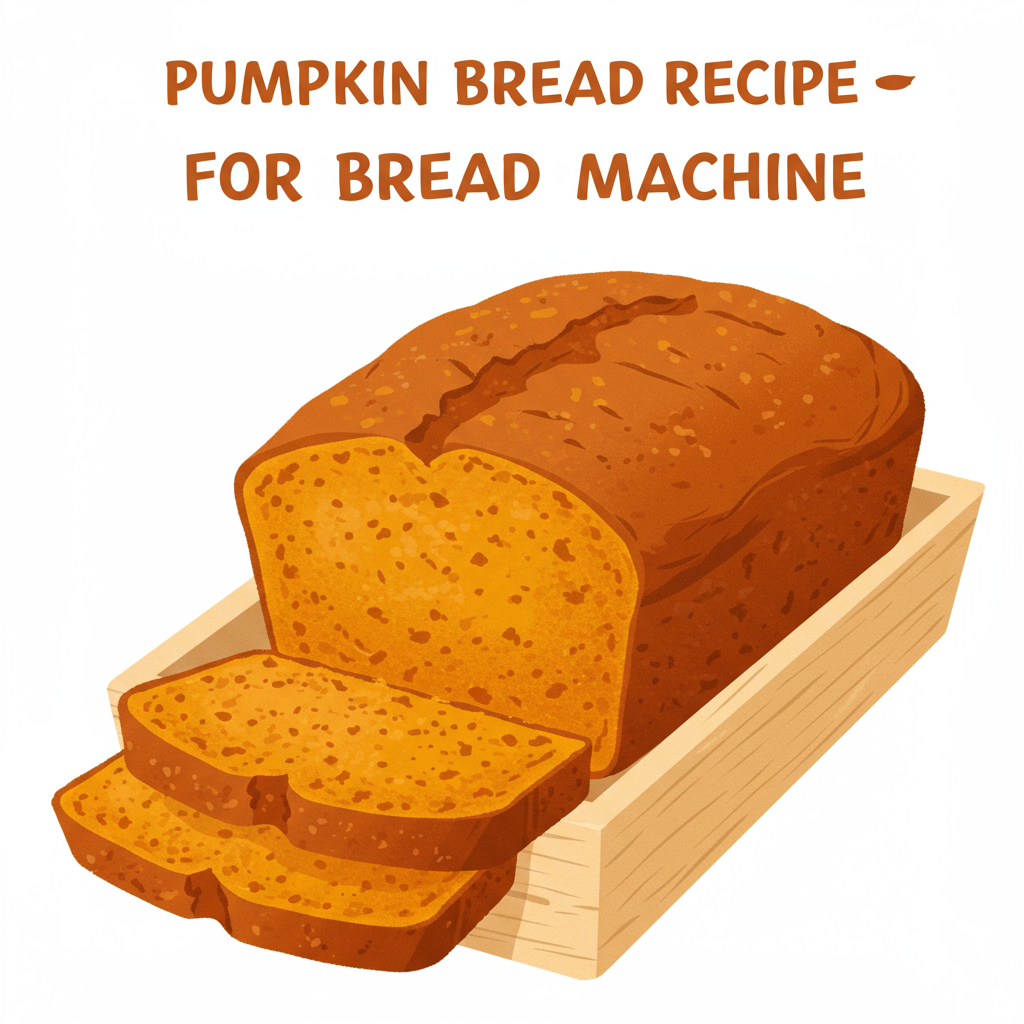
Pumpkin Bread Recipe For Bread Machine: Your Easiest Fall Treat!
Welcome to Your New Favorite Fall Baking Tradition!
There’s nothing quite like the warm, comforting aroma of freshly baked pumpkin bread filling your kitchen, especially when the leaves start to turn. If you’ve ever felt intimidated by baking, or simply wished there was an easier way to enjoy homemade treats, then you’re in for a delightful surprise! This **Pumpkin Bread Recipe For Bread Machine** is designed to make your baking journey incredibly smooth and enjoyable. Forget the endless kneading and proofing; your bread machine handles all the hard work, leaving you with a perfectly moist, spiced loaf every time.
This post is packed with **easy baking recipes** principles, focusing on simplicity and delicious results. We’ll walk you through every step, ensuring even absolute beginners can achieve baking success. Get ready to impress yourself and your loved ones with this hassle-free method, complete with all the **baking tips for beginners** you’ll need to master this seasonal classic. Let’s get baking!
Ingredients List: What You’ll Need
Gathering your ingredients beforehand is key to a smooth baking process. Make sure everything is at room temperature unless specified, as this helps with better mixing and rising.
Wet Ingredients (Add First)
| Ingredient | Quantity | Unit |
|---|---|---|
| Water (lukewarm) | 1/2 | cup |
| Canned Pumpkin Puree | 1/2 | cup |
| Vegetable Oil (or melted unsalted butter) | 1/4 | cup |
| Large Egg | 1 |
Dry Ingredients (Add On Top of Wet)
| Ingredient | Quantity | Unit |
|---|---|---|
| All-Purpose Flour | 2 1/4 | cups |
| Granulated Sugar | 1/2 | cup |
| Brown Sugar (packed) | 1/4 | cup |
| Salt | 1 | teaspoon |
| Ground Cinnamon | 1 | teaspoon |
| Ground Nutmeg | 1/2 | teaspoon |
| Ground Ginger | 1/2 | teaspoon |
| Ground Cloves (optional) | 1/4 | teaspoon |
Yeast (Add Last, on Top of Dry)
| Ingredient | Quantity | Unit |
|---|---|---|
| Active Dry Yeast (or Instant Yeast) | 2 1/4 | teaspoons |
Optional Mix-ins (Add at Beep)
| Ingredient | Quantity | Unit |
|---|---|---|
| Chopped Pecans or Walnuts | 1/2 | cup |
| Chocolate Chips (mini or regular) | 1/2 | cup |
| Dried Cranberries | 1/2 | cup |
Step-by-Step Instructions: Baking Your Perfect Pumpkin Bread
Follow these detailed steps carefully for a foolproof pumpkin bread experience. Remember, the beauty of the bread machine is its ability to handle the hard work, but proper ingredient order and measurement are crucial!
Step 1: Prepare Your Bread Machine Pan
Start by removing the bread pan from your bread machine. Ensure the kneading paddle is securely in place at the bottom of the pan. A quick check now can save you from a sticky situation later!
Step 2: Add the Wet Ingredients
This is where the magic begins! Pour the **1/2 cup lukewarm water** into the bread machine pan first. The water should be about 105-115°F (40-46°C) – warm to the touch, but not hot. Too hot water can kill the yeast, and too cold water won’t activate it properly. Next, add the **1/2 cup canned pumpkin puree**, followed by the **1/4 cup vegetable oil** (or melted butter) and the **1 large egg**. Make sure the egg is at room temperature; this helps it emulsify better with the other ingredients, leading to a softer crumb.
Beginner Tip: Always add liquids first. This prevents dry ingredients from sticking to the bottom of the pan and ensures they mix properly once the kneading cycle begins.
Step 3: Layer the Dry Ingredients
Carefully layer the dry ingredients on top of the wet ingredients. Start with the **2 1/4 cups all-purpose flour**. Gently spoon it in, creating a mound over the liquids. Then, add the **1/2 cup granulated sugar** and **1/4 cup packed brown sugar**, followed by the **1 teaspoon salt**. Evenly sprinkle the **1 teaspoon ground cinnamon**, **1/2 teaspoon ground nutmeg**, **1/2 teaspoon ground ginger**, and the optional **1/4 teaspoon ground cloves** over the flour. Try to keep the spices and salt separate from where the yeast will go, initially.
Common Mistake & Fix: Do NOT let the salt come into direct contact with the yeast at this stage. Salt can inhibit yeast activity if they are in prolonged direct contact. Creating a “well” for the yeast (see next step) helps prevent this.
Step 4: Create a Yeast Well
Using your finger, gently create a small indentation or “well” in the center of the dry ingredients mound. This is where your yeast will go. Carefully measure and add the **2 1/4 teaspoons active dry yeast** (or instant yeast) into this well. Ensure it’s not touching any of the wet ingredients below or the salt/spices around the edges. This isolation is crucial for proper yeast activation.
Beginner Tip: If your bread machine has a specific yeast dispenser, follow your machine’s instructions for adding yeast. Otherwise, this “well” method is standard for bottom-loaded ingredients.
Step 5: Select Your Bread Machine Cycle
Place the bread pan back into your bread machine, ensuring it’s securely locked into place. Close the lid. Now, select the appropriate cycle. For pumpkin bread, the **”Sweet Bread”** cycle is usually the best choice. If your machine doesn’t have a “Sweet Bread” setting, the “Basic/White Bread” cycle will also work, but keep an eye on the crust color. Most machines will default to a 1.5 lb or 2 lb loaf size and a medium crust setting, which is perfect for this recipe.
Alternative: If your machine has a “Quick Bread” or “Cake” cycle, that might also be suitable, but these often skip the long proofing times, resulting in a denser loaf. For a truly yeasted pumpkin bread texture, stick to “Sweet Bread” or “Basic.”
Step 6: Add Mix-ins (Optional)
Many bread machines have a “mix-in” alert or beep during the kneading cycle, usually about 5-15 minutes into the first knead. This is the perfect time to add your **1/2 cup chopped pecans or walnuts**, **chocolate chips**, or **dried cranberries**. If your machine doesn’t have this feature, you can add them carefully by hand about 10-15 minutes into the first kneading cycle. Just open the lid, sprinkle them in, and close the lid quickly.
Beginner Tip: Don’t add mix-ins at the very beginning, especially heavy ones like chocolate chips, as they can sometimes sink to the bottom or interfere with the initial kneading process.
Step 7: The Waiting Game (and Checking the Dough)
Let your bread machine do its work! The cycle typically takes 3-4 hours, depending on your machine and selected setting. During the first kneading cycle, you can briefly open the lid to check the dough’s consistency. It should form a smooth, elastic ball. If it looks too dry and crumbly, add water one teaspoon at a time. If it looks too wet and sticky, add flour one teaspoon at a time. Close the lid quickly after checking.
Important Note: After the kneading phase, avoid opening the lid during the rising and baking cycles. This can cause the bread to collapse or affect its texture.
Step 8: Baking and Cooling
Once the cycle is complete, your bread machine will beep. Carefully open the lid (steam will escape, so be cautious!) and remove the bread pan using oven mitts. Gently shake the loaf out onto a wire cooling rack. If the kneading paddle is stuck in the bottom of the loaf, carefully remove it with a utensil. Be gentle to avoid tearing a large hole.
Allow the pumpkin bread to cool completely on the wire rack for at least 1-2 hours before slicing. Slicing hot bread can make it gummy and difficult to cut cleanly.
Step 9: Slice and Enjoy!
Once cooled, slice your delicious, fragrant pumpkin bread with a serrated knife. Enjoy it plain, with a smear of butter, or even a dollop of cream cheese frosting. This bread is wonderful for breakfast, a snack, or dessert!
Tips & Tricks for Bread Machine Success
Mastering your bread machine for recipes like this Pumpkin Bread can be incredibly rewarding. Here are some extra tips to ensure perfect results every time:
- Ingredient Temperature is Key: Ensure all cold ingredients (like eggs and pumpkin puree, if refrigerated) are brought to room temperature before adding them to the bread pan. Lukewarm water is also crucial for activating the yeast properly.
- Measure Accurately: Baking is a science! Use proper measuring cups and spoons, leveling off dry ingredients with a straight edge. Don’t scoop flour directly from the bag; spoon it into your measuring cup and then level.
- Check Your Yeast: Yeast has a shelf life. If your bread isn’t rising, old or inactive yeast is often the culprit. Store yeast in an airtight container in the refrigerator or freezer to prolong its freshness. You can test it by dissolving 1 tsp sugar in 1/2 cup lukewarm water, then stirring in 2 1/4 tsp yeast. If it’s foamy after 5-10 minutes, it’s active!
- Don’t Peek Too Much: Resist the urge to open the bread machine lid frequently, especially during the rising and baking cycles. This can cause temperature fluctuations that negatively impact the bread’s rise and texture.
- Customize Your Spices: Feel free to adjust the spice levels to your liking. If you prefer a stronger pumpkin spice flavor, you can slightly increase the amounts of cinnamon, nutmeg, and ginger. A pinch of allspice can also be a nice addition.
- Proper Cooling: Always cool your bread on a wire rack. This allows air to circulate around the entire loaf, preventing the bottom from becoming soggy and ensuring an even texture.
- Storage: Once completely cooled, store your pumpkin bread in an airtight container at room temperature for up to 3-4 days, or in the refrigerator for up to a week. For longer storage, slice and freeze individual portions for up to 3 months.
Essential Baking Tools
While your bread machine does most of the heavy lifting, a few basic tools will make your baking experience even smoother.
- Bread Machine (The Star of the Show!)
- Measuring Cups
- Measuring Spoons
- Mixing Bowl (for pre-measuring or optional mix-ins)
- Whisk (for combining dry ingredients if not layering carefully)
- Spatula (for scraping out puree or ensuring ingredients are clear from the pan sides)
- Wire Cooling Rack
- Baking Pan (not for baking the bread machine loaf, but useful for serving or if you ever decide to transfer the dough to bake in a conventional oven!)
Nutrition Information (Estimated Per Slice)
This information is an estimate based on a loaf yielding 12 slices and may vary depending on exact ingredient brands and measurements.
| Nutrient | Amount |
|---|---|
| Calories | 210 kcal |
| Carbohydrates | 38 g |
| Protein | 4 g |
| Fat | 5 g |
| Fiber | 1 g |
| Sugar | 18 g |
Frequently Asked Questions (FAQs)
Q1: Can I use fresh pumpkin instead of canned puree?
A1: While canned pumpkin puree is generally recommended for its consistent moisture content and ease, you can use fresh pumpkin puree. However, ensure it’s very well-drained to avoid adding too much moisture to the dough, which could make the bread dense. You might need to adjust the water content slightly.
Q2: My bread didn’t rise. What went wrong?
A2: Several factors can cause this. The most common culprits are inactive or old yeast, water that was too hot (killing the yeast) or too cold (not activating it), or salt coming into direct contact with the yeast for too long. Ensure your yeast is fresh, water is lukewarm, and ingredients are layered correctly.
Q3: Can I add different mix-ins?
A3: Absolutely! This recipe is very versatile. Besides nuts and chocolate chips, you can try dried cranberries, raisins, shredded coconut, or even a streusel topping (added during the last 15-20 minutes of baking if your machine allows you to open it without affecting the rise). Just be mindful not to exceed 1 cup of total mix-ins to prevent overloading the dough.
Q4: How do I store leftover pumpkin bread?
A4: Once completely cooled, store the pumpkin bread in an airtight container or wrap it tightly in plastic wrap. It will stay fresh at room temperature for 3-4 days. For longer storage, you can refrigerate it for up to a week or freeze individual slices for up to 3 months. Thaw frozen slices at room temperature or gently warm them in a toaster oven.
Q5: My bread is too dense/too crumbly. What can I do next time?
A5: If your bread is too dense, it might be due to too much flour, too little liquid, or under-proofed dough (if the yeast wasn’t active). If it’s too crumbly, it could be too much flour or not enough fat/liquid. Pay close attention to measuring, especially flour (spoon and level!), and ensure your wet-to-dry ingredient ratio is balanced. Checking the dough consistency during the first knead can help you adjust early.
Happy Baking!
And there you have it – a wonderfully easy and incredibly delicious **Pumpkin Bread Recipe For Bread Machine**! We hope this detailed guide has given you the confidence to dive into bread machine baking. There’s truly nothing more satisfying than pulling a warm, fragrant loaf of homemade bread from your machine, especially when it’s as comforting as this spiced pumpkin delight.
Don’t be afraid to experiment with your favorite spices or mix-ins. Baking is an adventure, and your bread machine is a fantastic companion on that journey. So, go ahead, try this recipe, and share your delicious results with us in the comments below! Happy fall, and happy baking!
“`