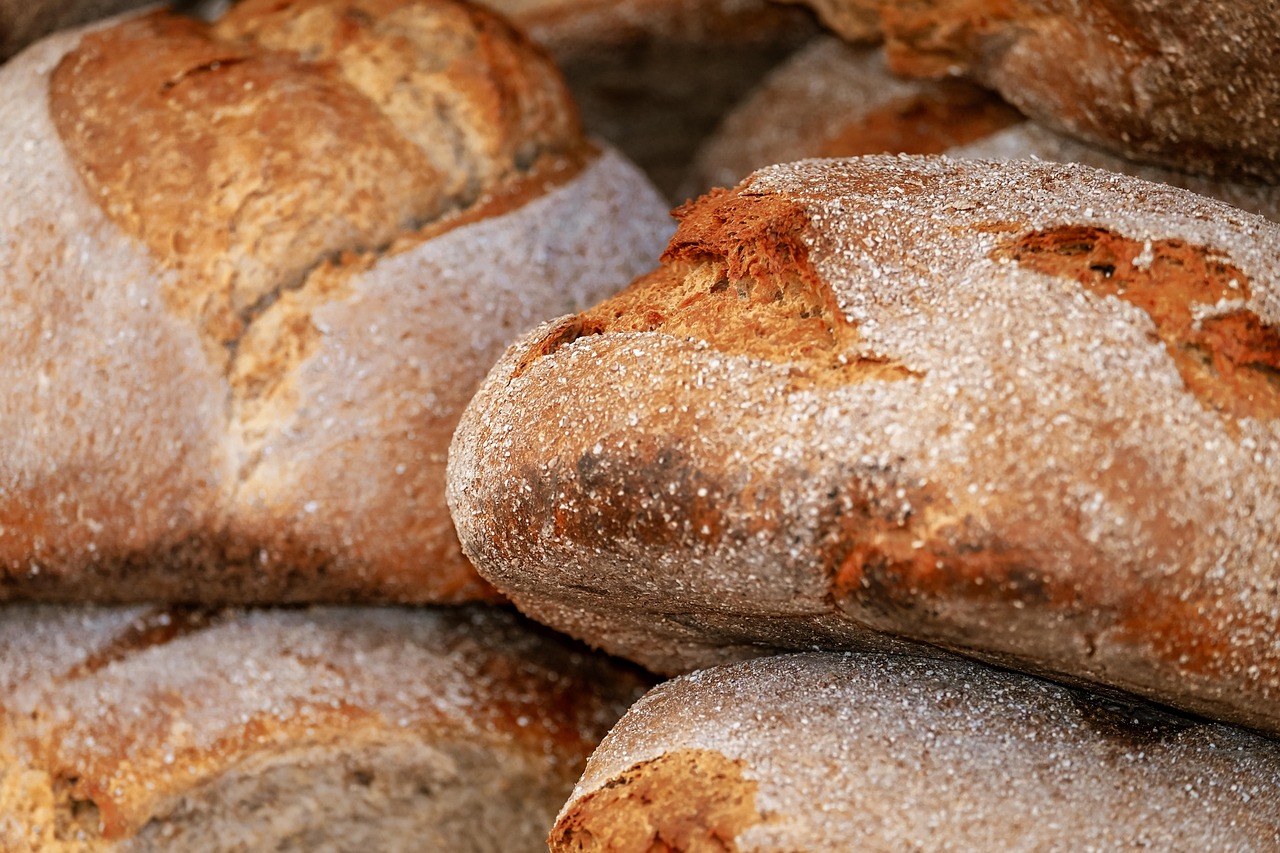

Whether you’re a complete novice or just looking for hassle-free baking, this detailed guide is packed with baking tips for beginners to ensure your raisin bread turns out perfectly every single time. Get ready to impress yourself and your family with a soft, sweet loaf studded with plump, juicy raisins. Let’s get baking!
Ingredients for Your Perfect Raisin Bread Loaf
Accuracy is key in baking, especially when using a bread machine. Measure your ingredients carefully!
| Ingredient | Quantity | Unit |
|---|---|---|
| Warm Milk (105-115°F) | 1 | cup |
| Unsalted Butter, melted and slightly cooled | 3 | tablespoons |
| Granulated Sugar | 1/4 | cup |
| Salt | 1 | teaspoon |
| Bread Flour | 3 | cups |
| Active Dry Yeast (or Instant Yeast) | 2 | teaspoons |
| Raisins | 1/2 to 3/4 | cup |
| Ground Cinnamon (optional, but highly recommended!) | 1 | teaspoon |
Beginner Tip: Ensure your milk is warm, not hot. Too hot will kill the yeast, too cold won’t activate it properly. A quick check with a food thermometer is ideal, or if it feels comfortably warm to the touch (like a baby bottle), it’s usually good!
Step-by-Step Instructions: Baking Raisin Bread in Your Bread Machine
Follow these detailed steps for a flawless loaf. Remember, the order of ingredients is crucial for bread machines!
Step 1: Gather and Prepare Your Ingredients
Before you even open your bread machine, make sure all your ingredients are measured out and ready. This is called “mise en place” and it makes the baking process much smoother. Ensure your butter is melted and cooled slightly, and your milk is at the correct temperature. If using cinnamon, have it ready.
Beginner Tip: For flour, use the “spoon and level” method. Spoon the flour into your measuring cup until it’s overflowing, then use the back of a knife or a straight edge to level it off. Don’t pack the flour down or scoop directly from the bag, as this can result in too much flour and a dense loaf.
Step 2: Load Your Bread Machine Pan
This is where the magic begins! The general rule for most bread machines is to add liquids first, followed by dry ingredients, and yeast last, on top of the flour. This keeps the yeast from activating too early with the liquids or salt.
- Add Liquids: Pour the warm milk into the bread machine pan. Follow with the melted and cooled butter.
- Add Dry Ingredients (except yeast and raisins): Carefully add the granulated sugar, salt, bread flour, and optional ground cinnamon on top of the liquids. Try to create a small mound of flour.
- Add Yeast: Make a small indentation in the center of the flour mound (without touching the liquid below) and add the active dry yeast into this hollow. This protects the yeast until the kneading cycle begins.
- Position Pan: Place the bread machine pan securely back into the bread machine.
Common Mistake & Alternative: Some bread machines have a specific order for ingredients, so always check your machine’s manual. If your machine has a fruit/nut dispenser, you’ll add the raisins there now. Otherwise, you’ll add them later.
Step 3: Select Your Bread Machine Settings
Now, let your bread machine do its work! This recipe works best with specific settings.
- Choose Cycle: Select the “Sweet Bread” cycle on your bread machine. If your machine doesn’t have a specific “Sweet Bread” setting, the “Basic” or “White Bread” cycle will also work well.
- Select Loaf Size: Choose the 1.5 lb or 2 lb loaf size, depending on your machine and desired yield. This recipe is generally for a 1.5 lb loaf.
- Select Crust Color: Opt for a “Light” or “Medium” crust setting. Sweet breads tend to brown quicker due to the sugar content, so a lighter setting often prevents over-browning.
Step 4: Add the Raisins (If No Dispenser)
If your bread machine does not have an automatic fruit/nut dispenser, you’ll need to add the raisins manually. The bread machine will typically beep during the second kneading cycle to signal it’s time to add mix-ins. Wait for this beep, then open the lid and gently pour in your 1/2 to 3/4 cup of raisins. Close the lid and let the machine continue its cycle.
Beginner Tip: If you add raisins too early (at the beginning), they can get overly crushed during the initial vigorous kneading. Adding them at the beep ensures they remain plump and distributed throughout the loaf.
Step 5: Monitor the Dough (Optional but Recommended)
During the first kneading cycle (usually within the first 5-10 minutes), you can peek at the dough to ensure it’s forming correctly. The dough should form a smooth, elastic ball that cleans the sides of the pan. It shouldn’t be too sticky or too dry.
- If the dough looks too dry and crumbly: Add 1 teaspoon of warm water at a time, allowing it to incorporate, until the dough forms a ball.
- If the dough looks too wet and sticky: Add 1 tablespoon of bread flour at a time, allowing it to incorporate, until the dough forms a smooth ball.
Common Mistake: Resist the urge to open the lid frequently after the initial kneading phase, especially during the rising and baking cycles, as this can cause the dough to deflate or affect the internal temperature.
Step 6: Baking and Cooling
Once the cycle is complete, your kitchen will smell heavenly! The bread machine will typically beep to signal it’s done.
- Remove Loaf: Carefully unplug the bread machine and remove the bread pan using oven mitts. The pan will be very hot.
- Release Bread: Invert the pan onto a wire cooling rack and gently shake the loaf out. If the kneading paddle is stuck in the bread, carefully remove it using a utensil (like a spatula or butter knife) once the bread has cooled slightly.
- Cool Completely: This is arguably the hardest part – resist the urge to slice into your hot bread! Allow the raisin bread to cool completely on the wire rack for at least 1-2 hours. Slicing hot bread can make it gummy and dense inside, as the internal structure is still setting.
Beginner Tip: A cooling rack is essential for preventing a soggy bottom crust caused by steam getting trapped. If you don’t have one, improvise by propping the bread up on a few clean, heat-safe items that allow air circulation.
Step 7: Enjoy Your Homemade Masterpiece!
Once cooled, slice your beautiful raisin bread with a serrated knife. It’s fantastic on its own, toasted, or with a smear of butter, cream cheese, or jam. Congratulations, you’ve just baked a delicious loaf of bread!
Tips & Tricks for Bread Machine Success
Achieving perfect bread every time involves a few simple tricks. These tips will help you bake like a pro, even if you’re just starting out!
- Ingredient Temperature Matters: Always use room temperature ingredients (except for the warm milk). Cold ingredients can slow down yeast activation and affect the rise. Take butter and eggs (if using in other recipes) out of the fridge about 30 minutes to an hour before you start.
- Check Your Yeast: Yeast is a living organism, and old yeast won’t rise. To test active dry yeast, mix 1 teaspoon of sugar into 1/4 cup of warm water (105-115°F), then sprinkle 2 1/4 teaspoons of yeast on top. Let it sit for 5-10 minutes. If it becomes foamy and bubbly, your yeast is active!
- Don’t Substitute Flour Lightly: Bread flour has a higher protein content than all-purpose flour, which develops more gluten and gives bread its chewy texture and good structure. While you can sometimes substitute all-purpose in a pinch, your results might be slightly different.
- Customize Your Mix-ins: Feel free to experiment! Instead of just raisins, try a mix of dried cranberries, chopped dried apricots, or even a handful of chopped walnuts or pecans. Don’t exceed 1 cup of total mix-ins for a 1.5 lb loaf to avoid overwhelming the dough.
- Add a Citrus Zest: For an extra burst of flavor, add 1 teaspoon of orange or lemon zest along with the dry ingredients. It complements the raisins beautifully.
- Store Properly: Store your cooled raisin bread in an airtight container or a bread bag at room temperature for up to 3-4 days. For longer storage, slice the bread and freeze it in a freezer-safe bag for up to 3 months. Toast slices directly from frozen.
- Clean Your Machine: Always clean your bread machine pan and paddle immediately after use. Dough can stick and harden, making it difficult to remove later. Avoid abrasive scrubbers that can damage the non-stick coating.
Essential Baking Tools for Your Kitchen
While your bread machine does most of the heavy lifting, a few basic tools will make your baking experience even better:
- Mixing Bowl (for preparing ingredients)
- Whisk (for light mixing if needed)
- Baking Pan (not needed for this recipe, but good to have for other baking projects)
- Measuring Cups (essential for accuracy)
- Spatula (useful for scraping ingredients and removing the paddle)
- Food Thermometer (for checking milk temperature)
- Wire Cooling Rack (crucial for proper cooling)
Approximate Nutrition Information (per slice)
This information is an estimate based on a 1.5 lb loaf yielding approximately 12 slices. Actual values may vary depending on specific ingredients and loaf size.
| Nutrient | Amount |
|---|---|
| Calories | ~180-200 kcal |
| Total Carbohydrates | ~35-40 g |
| Protein | ~6-7 g |
| Total Fat | ~4-5 g |
| Dietary Fiber | ~2 g |
| Sugars | ~12-15 g |
Disclaimer: These are approximate values and can vary based on specific brands and exact measurements of ingredients used.
Frequently Asked Questions (FAQs) for Beginner Bakers
Q1: Can I use all-purpose flour instead of bread flour?
A: While bread flour is recommended for its higher protein content (which gives bread a better structure and chew), you can substitute all-purpose flour. Your loaf might be slightly less chewy and rise a little less, but it will still be delicious. Avoid using cake or pastry flour, as they are too low in protein for bread.
Q2: My dough looks too sticky/dry during the kneading cycle. What should I do?
A: This is a common issue and easily fixed! If the dough is too sticky and clinging to the sides of the pan, add 1 tablespoon of bread flour at a time, allowing it to incorporate, until it forms a smooth ball. If the dough is too dry and crumbly, add 1 teaspoon of warm water at a time until it comes together. Make adjustments gradually!
Q3: My bread didn’t rise properly. What went wrong?
A: Several factors can cause this. The most common culprits are inactive yeast (check its expiration date or test it as described in the Tips & Tricks section), water that was too hot (killed the yeast) or too cold (didn’t activate it), or too much salt (inhibits yeast activity). Ensure your measurements are precise and your yeast is fresh.
Q4: Can I add other dried fruits or nuts?
A: Absolutely! This recipe is a great base for customization. Feel free to swap out some or all of the raisins for dried cranberries, chopped apricots, dates, or even a mix of dried fruits. You can also add up to 1/2 cup of chopped nuts like walnuts or pecans. Just be mindful of the total quantity of mix-ins to avoid overloading the dough.
Q5: How should I store leftover raisin bread?
A: Once completely cooled, store your raisin bread in an airtight container or a bread bag at room temperature for up to 3-4 days. For longer storage, slice the bread and freeze it in a freezer-safe bag for up to 3 months. You can toast slices directly from frozen for a quick treat!
Q6: Why did my bread collapse in the middle?
A: A collapsed loaf often indicates too much liquid, too much yeast, or not enough flour, causing the dough to over-proof and then fall. High humidity can also play a role. Ensure accurate measurements and consider reducing the liquid by a tablespoon next time if this is a recurring problem, especially on humid days.
Time to Bake Your Own Delicious Raisin Bread!
Congratulations, future bread master! You now have all the knowledge and detailed steps to bake an incredible loaf of raisin bread right in your own kitchen, with minimal effort thanks to your trusty bread machine. This isn’t just a recipe; it’s an invitation to experience the joy and satisfaction of homemade baking.
Don’t be afraid to experiment, and remember that every loaf is a learning experience. The most important ingredient is always a dash of enthusiasm!
So, go ahead, gather your ingredients, fire up that bread machine, and get ready to fill your home with the irresistible scent of warm, sweet raisin bread. Happy baking!