Ingredients List
Gathering your ingredients beforehand is a crucial step for a smooth baking experience. Here’s everything you’ll need to create your magnificent Raisin Challah:
| Quantity | Unit | Ingredient |
|---|---|---|
| 1 ½ | cups | Warm Water (105-115°F / 40-46°C) |
| 2 ¼ | teaspoons | Instant Yeast (1 standard packet) |
| ½ | cup | Granulated Sugar, plus 1 teaspoon |
| ½ | cup | Vegetable Oil (or other neutral oil) |
| 2 | large | Eggs, plus 1 for egg wash |
| 1 ½ | teaspoons | Salt |
| 6-6 ½ | cups | All-Purpose Flour, divided |
| 1 | cup | Raisins (regular or golden) |
| 1 | tablespoon | Water (for egg wash) |
| Optional | Sesame Seeds or Poppy Seeds for sprinkling |
Beginner Tip: Always measure your flour by spooning it into a measuring cup and then leveling it off with a straight edge, rather than scooping directly from the bag. This prevents compacting and using too much flour, which can lead to a dense loaf.
Step-by-Step Instructions for Your Perfect Raisin Challah
Follow these detailed steps carefully, and you’ll be on your way to a beautiful, homemade challah. Don’t rush, enjoy the process!
Step 1: Activate the Yeast
In a large mixing bowl (or the bowl of a stand mixer), combine the 1 ½ cups warm water, 1 teaspoon of granulated sugar, and the instant yeast. Stir gently and let it sit for 5-10 minutes. You should see a foamy layer form on top – this means your yeast is active and ready to work its magic! If it doesn’t foam, your water might have been too cold or too hot, or your yeast might be old. Start over with fresh yeast and properly tempered water.
Step 2: Mix the Wet Ingredients
To the activated yeast mixture, add the remaining ½ cup of sugar, ½ cup vegetable oil, 2 large eggs, and the salt. Whisk everything together until well combined. The mixture should look slightly yellow and uniform.
Step 3: Gradually Add Flour and Raisins
Start by adding 3 cups of flour to the wet ingredients. Mix with a wooden spoon or a stand mixer with the dough hook attachment on low speed until just combined. The mixture will be quite wet and sticky. Now, add the cup of raisins and another 2 ½ cups of flour, mixing until a shaggy dough forms. Gradually add the remaining ½ to 1 cup of flour, a little at a time, until the dough comes together and pulls away from the sides of the bowl. You might not need all the flour – stop when the dough is still slightly sticky but manageable.
Beginner Tip: If your raisins tend to sink to the bottom of your bread, try tossing them with a tablespoon of flour before adding them to the dough. This helps them stay suspended throughout the loaf.
Step 4: Knead the Dough
Method 1: Stand Mixer (Recommended for Beginners)
Attach the dough hook and knead on medium-low speed for 8-10 minutes. The dough should become smooth, elastic, and pass the “windowpane test” (meaning you can stretch a small piece of dough thin enough to see light through it without tearing). If the dough is too sticky, add a tiny bit more flour, a tablespoon at a time.
Method 2: Hand Kneading
Turn the dough out onto a lightly floured surface. Knead by folding the dough over itself, pushing down with the heel of your hand, rotating, and repeating. Continue for 10-15 minutes until the dough is smooth, elastic, and springs back when gently poked. This is a great arm workout!
Common Mistake: Don’t add too much flour during kneading. A slightly sticky dough is good; too much flour will make your challah dense and dry.
Step 5: First Rise (Bulk Fermentation)
Lightly grease a large bowl with a little oil. Place the kneaded dough in the bowl, turning it once to coat the top. Cover the bowl tightly with plastic wrap or a clean kitchen towel. Let the dough rise in a warm, draft-free place for 1 to 1 ½ hours, or until it has doubled in size. A warm oven (turned off, with just the light on) or a sunny spot are great places.
Beginner Tip: To check if your dough has doubled, gently poke two fingers into it. If the indentations remain, it’s ready. If they spring back quickly, it needs more time.
Step 6: Punch Down and Divide the Dough
Once doubled, gently punch down the dough to release the air. Turn it out onto a lightly floured surface. Divide the dough into three equal pieces for a classic 3-strand braid (or four, five, or six if you’re feeling adventurous and want a more intricate braid). For beginners, a 3-strand braid is perfect and beautiful.
Step 7: Shape the Challah (3-Strand Braid)
Take each piece of dough and roll it into a long, even rope, about 16-18 inches long. Try to keep the thickness consistent along the entire length. Lay the three ropes parallel to each other on a lightly floured surface or a parchment-lined baking sheet. Pinch the tops of the ropes together firmly. Now, simply braid them as you would hair: take the right strand, cross it over the middle. Then take the left strand, cross it over the new middle. Continue alternating right over middle, left over middle, until you reach the end. Pinch the bottom ends together firmly to seal. Tuck the ends under the loaf for a neat finish.
Alternative: For a round challah, coil the braided loaf into a spiral shape, tucking the end underneath.
Step 8: Second Rise (Proofing)
Carefully transfer your braided challah to a baking sheet lined with parchment paper. Cover it loosely with plastic wrap or a clean kitchen towel. Let it rise again in a warm, draft-free place for another 45-60 minutes, or until it looks visibly puffy and almost doubled in size again. This second rise is crucial for a light and airy texture.
Step 9: Preheat Oven and Prepare Egg Wash
About 15 minutes before the second rise is complete, preheat your oven to 375°F (190°C). In a small bowl, whisk together the remaining large egg with 1 tablespoon of water until well combined. This is your egg wash, which will give your challah its signature golden, shiny crust.
Step 10: Egg Wash and Bake
Gently brush the entire surface of the risen challah with the egg wash. Be thorough but gentle, as you don’t want to deflate the dough. If desired, sprinkle with sesame or poppy seeds now. Bake in the preheated oven for 30-40 minutes, or until the challah is deep golden brown and sounds hollow when tapped on the bottom. If it starts browning too quickly, you can loosely tent it with aluminum foil.
Doneness Check: An instant-read thermometer inserted into the thickest part of the loaf should read 200-210°F (93-99°C).
Step 11: Cool
Once baked, immediately transfer the challah to a wire rack to cool completely. This is very important! Slicing hot bread can make it gummy inside. Resist the temptation and let it cool for at least 1-2 hours before slicing and enjoying. The cooling process allows the starches to set, resulting in a perfect texture.
Tips & Tricks for Beginner Bakers
Baking bread is a craft, and a few key tips can make all the difference, especially when you’re starting out:
- Check Your Yeast: Always ensure your yeast is fresh and active. If it doesn’t foam when mixed with warm water and sugar, it’s dead, and your bread won’t rise.
- Measure Flour Correctly: As mentioned, spoon and level your flour. Too much flour is the most common reason for dense, dry bread.
- Don’t Rush the Rise: Patience is key in bread baking. Dough rises at its own pace depending on ambient temperature. Don’t try to speed it up too much, or you might overproof it.
- Warm Environment: Find a consistently warm, draft-free spot for your dough to rise. A turned-off oven with the light on, or near a sunny window, works wonders.
- Master the Knead: Kneading develops the gluten, which gives bread its structure. Don’t under-knead, but also be careful not to over-knead, which can make the dough tough. The windowpane test is your friend!
- Egg Wash for Shine: Don’t skip the egg wash! It’s what gives challah its beautiful, glossy, golden-brown crust.
- Cool Completely: Let your challah cool entirely on a wire rack before slicing. This allows the internal structure to set and prevents a gummy texture.
- Storage: Challah is best enjoyed on the day it’s baked. Store any leftovers at room temperature, tightly wrapped, for up to 3 days, or freeze for longer storage.
Essential Baking Tools
Having the right tools makes baking much easier and more enjoyable. Here are some essentials you might need:
- Mixing Bowl
- Whisk
- Baking Pan (a large sheet pan works perfectly)
- Measuring Cups
- Spatula (a rubber spatula and a wooden spoon are great)
- Measuring Spoons
- Parchment Paper
- Wire Cooling Rack
- Stand Mixer with Dough Hook (optional, but highly recommended for ease)
- Pastry Brush (for egg wash)
Nutrition Information (Estimated per serving)
Please note: This is an approximate nutritional breakdown for one slice of Raisin Challah Bread, based on an average recipe. Actual values may vary depending on specific ingredients and loaf size.
| Nutrient | Amount |
|---|---|
| Calories | 250 kcal |
| Carbohydrates | 45g |
| Protein | 7g |
| Fat | 6g |
| Fiber | 2g |
| Sugar | 15g |
Frequently Asked Questions (FAQs)
1. Can I use active dry yeast instead of instant yeast?
Yes, you can! If using active dry yeast, you’ll need to “proof” it first. Combine it with the warm water and 1 teaspoon of sugar and let it sit for 10-15 minutes until very foamy before adding the other wet ingredients. Instant yeast can be mixed directly with the dry ingredients, but for beginner-friendliness, we’ve opted for direct activation in the water here.
2. How do I know if my dough has risen enough?
For the first rise, the dough should roughly double in size. For the second rise (after braiding), it should look noticeably puffy and almost double. A good test is the “poke test”: gently press two fingers into the dough. If the indentations slowly spring back halfway, it’s perfectly risen. If it springs back immediately, it needs more time. If it collapses, it might be over-proofed.
3. My challah is dense. What went wrong?
Several factors can lead to dense challah: too much flour (the most common culprit!), not enough kneading (gluten development is key), inactive yeast, or not allowing the dough enough time to rise. Review these steps for your next bake!
4. Can I make this Raisin Challah ahead of time?
Absolutely! You can prepare the dough up to the end of the first rise, then punch it down, shape it, and place it on your baking sheet. Cover it tightly with oiled plastic wrap and refrigerate overnight (up to 12-18 hours). The next day, remove it from the fridge and let it come to room temperature and complete its second rise (this might take 1.5-2 hours) before egg washing and baking.
5. Can I omit the raisins or add other mix-ins?
Of course! If you’re not a fan of raisins, simply leave them out for a classic challah. You can also experiment with other mix-ins like chocolate chips, dried cranberries, or a sprinkle of cinnamon sugar in the dough for a different twist.
Time to Enjoy Your Homemade Challah!
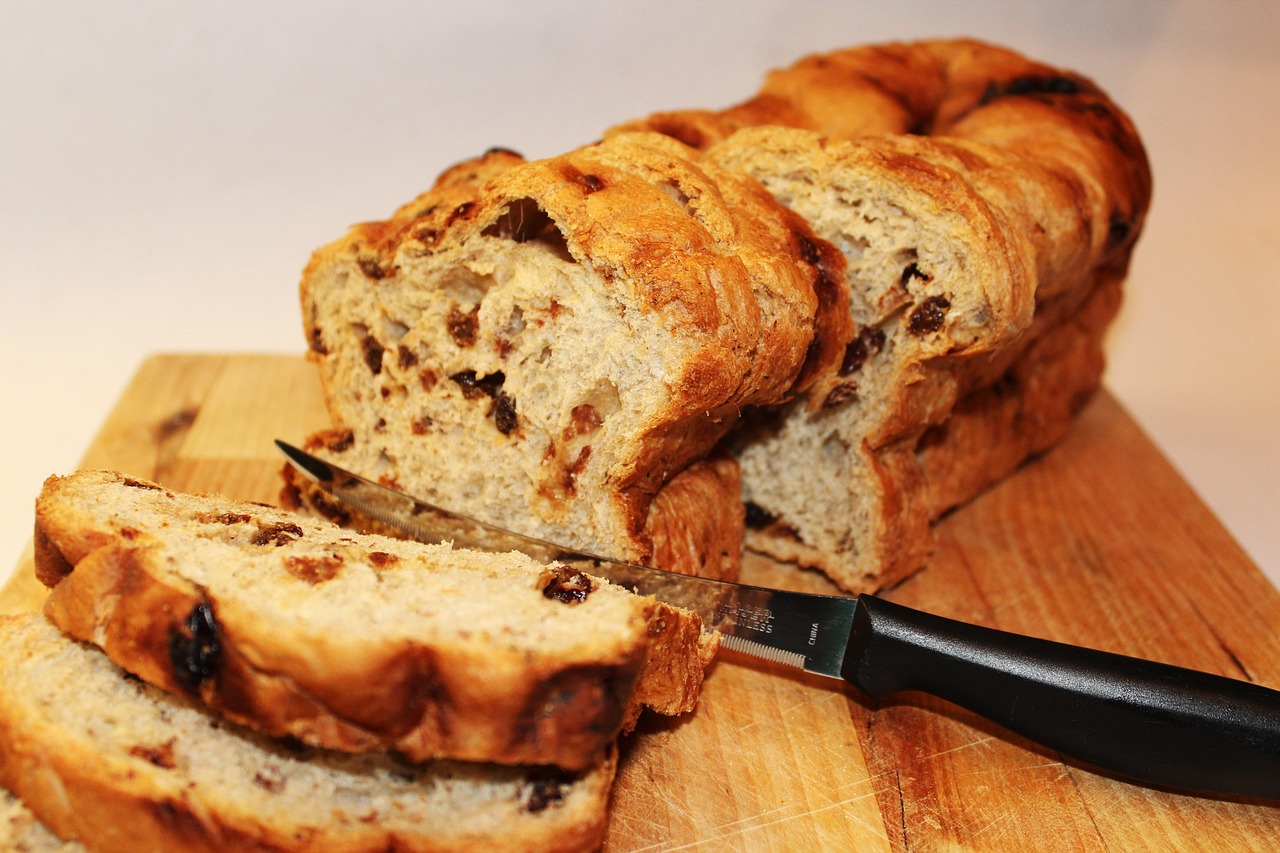
Congratulations, baker! You’ve just created a beautiful, fragrant, and incredibly delicious loaf of Raisin Challah Bread. Taking on a bread recipe, especially one with a braid, is a fantastic achievement for any beginner. Don’t worry if your first braid isn’t perfect; the taste will be amazing regardless! This challah is wonderful sliced and toasted, perfect for sandwiches, or simply enjoyed on its own with a cup of coffee.
We hope this detailed guide has given you the confidence to explore more easy baking recipes and embrace the joy of creating something truly special from scratch. Happy baking, and enjoy every sweet, fluffy bite of your homemade challah!