Are you new to baking and looking for a truly satisfying project that doesn’t intimidate? Or perhaps you’ve heard whispers of the famous Amish Friendship Bread but felt daunted by the idea of maintaining a starter? Well, get ready to have your mind blown! This Recipe For Amish Friendship Bread Without Starter is your golden ticket to enjoying a warm, cinnamon-spiced loaf of pure comfort, without any of the fuss.
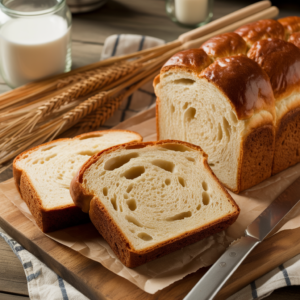
We’ve stripped away the complexity to bring you one of the most delightful and easy baking recipes out there, perfect for anyone looking for straightforward baking tips for beginners. Forget the feeding schedule and the week-long wait; this recipe delivers all the familiar, heartwarming flavor of traditional friendship bread in a simple, one-bowl method. Let’s get baking!
Ingredients You’ll Need
Gather your ingredients before you begin. Having everything measured and ready (a technique called “mise en place”) makes the baking process so much smoother!
| Ingredient | Quantity | Unit |
|---|---|---|
| All-Purpose Flour | 2 | cups |
| Granulated Sugar | 1 | cup |
| Baking Powder | 2 | teaspoons |
| Baking Soda | 1/2 | teaspoon |
| Salt | 1/2 | teaspoon |
| Ground Cinnamon | 1 | teaspoon |
| Large Eggs | 2 | |
| Vegetable Oil (or other neutral oil) | 1/2 | cup |
| Milk (whole or 2%) | 1/2 | cup |
| Vanilla Extract | 1 | teaspoon |
| Optional Topping (for a classic touch) | ||
| Granulated Sugar | 1/4 | cup |
| Ground Cinnamon | 1/2 | teaspoon |
Easy Step-by-Step Instructions for Beginners
Follow these detailed steps carefully, and you’ll have a perfect loaf of Amish Friendship Bread in no time!
Step 1: Prepare Your Oven and Pan
Before you even think about mixing, let’s get ready! Preheat your oven to 350°F (175°C). This is crucial because a properly preheated oven ensures even baking from the moment your batter goes in. While the oven heats, take a 9×5 inch (23×13 cm) loaf pan. Grease it thoroughly with butter or cooking spray, then dust lightly with flour. Tap out any excess flour. This creates a non-stick barrier, making sure your beautiful bread comes out easily after baking. Beginner Tip: Don’t skip the greasing and flouring! It’s the secret to an easy release.
Step 2: Combine the Dry Ingredients
In a large mixing bowl, whisk together the 2 cups of all-purpose flour, 1 cup of granulated sugar, 2 teaspoons of baking powder, 1/2 teaspoon of baking soda, 1/2 teaspoon of salt, and 1 teaspoon of ground cinnamon. Use a whisk to ensure everything is thoroughly combined and there are no lumps. This step is important because it evenly distributes the leavening agents (baking powder and soda) and salt throughout the flour, which helps your bread rise uniformly and taste balanced. Common Mistake: Not whisking dry ingredients enough can lead to pockets of baking powder or salt, resulting in an uneven texture or taste.
Step 3: Mix the Wet Ingredients
In a separate medium-sized bowl, lightly beat the 2 large eggs. Then, add the 1/2 cup of vegetable oil, 1/2 cup of milk, and 1 teaspoon of vanilla extract. Whisk these wet ingredients together until they are well combined. You want a consistent, uniform liquid mixture before adding it to your dry ingredients. Beginner Tip: Using room temperature eggs and milk can help them incorporate more smoothly into the batter, leading to a better texture. If you forgot to take them out, a quick warm water bath for the eggs (in their shell) or a few seconds in the microwave for milk can help.
Step 4: Combine Wet and Dry Ingredients
Now, pour the wet ingredient mixture into the large bowl containing your dry ingredients. Using a spatula or a wooden spoon, gently mix everything together. Mix only until just combined! It’s okay if there are a few small lumps; overmixing is the enemy of tender quick breads. Overmixing develops the gluten in the flour too much, which can lead to a tough, dense bread instead of a soft, moist one. Once you no longer see streaks of dry flour, stop mixing. Common Mistake: The biggest beginner mistake in baking quick breads is overmixing! Resist the urge to keep stirring.
Step 5: Add Optional Topping & Bake
Pour your prepared batter into the greased and floured loaf pan. If you’re using the optional topping, combine 1/4 cup granulated sugar and 1/2 teaspoon ground cinnamon in a small bowl, then sprinkle it evenly over the top of the batter in the pan. This topping adds a lovely sweet, spiced crust to your finished bread.
Place the loaf pan in your preheated oven. Bake for 50-60 minutes. The baking time can vary slightly depending on your oven. Beginner Tip: Avoid opening the oven door frequently during baking, especially in the first 30-40 minutes, as this can cause the bread to sink.
Step 6: Check for Doneness & Cool
To check if your bread is done, insert a wooden skewer or a toothpick into the center of the loaf. If it comes out clean or with just a few moist crumbs attached (no wet batter), your bread is ready! If it comes out wet, continue baking for another 5-10 minutes and test again. Once baked, remove the pan from the oven and let it cool in the pan on a wire rack for about 10-15 minutes. This cooling period in the pan allows the bread to set and firm up, making it easier to remove without breaking. After 10-15 minutes, carefully invert the pan to remove the bread and place it directly on the wire rack to cool completely. Slicing warm bread can be tempting, but fully cooled bread has a better texture and is easier to cut cleanly.
Tips & Tricks for a Perfect Loaf
- Don’t Overmix: We can’t stress this enough! Overmixing develops gluten, leading to a tough, chewy bread. Mix only until the ingredients are just combined.
- Room Temperature Ingredients: Eggs and milk at room temperature emulsify better, creating a smoother, more uniform batter and a finer crumb in your bread.
- Accurate Measuring: Especially for flour, spoon it into your measuring cup and then level it off with a straight edge. Scooping directly can pack too much flour, making your bread dry.
- Test for Doneness: Always use the toothpick test. If it comes out clean, your bread is done. If it’s wet, give it a few more minutes.
- Cool Completely: While it’s hard to resist, letting your bread cool fully on a wire rack prevents it from becoming gummy and allows its structure to set, making it easier to slice.
- Get Creative with Add-ins: Once you’ve mastered the basic recipe, feel free to add 1/2 to 1 cup of mix-ins like chocolate chips, chopped walnuts or pecans, raisins, or dried cranberries to the batter in Step 4.
- Storage: Store your cooled bread in an airtight container at room temperature for up to 3-4 days, or freeze slices for up to 3 months for a quick treat anytime.
Essential Baking Tools
Having the right tools makes all the difference, especially for beginners. Here are the basics you’ll need for this recipe:
- Mixing Bowl
- Whisk
- Baking Pan (9×5 inch loaf pan)
- Measuring Cups
- Measuring Spoons (though not explicitly hyperlinked, it’s essential for baking powder/soda/salt)
- Spatula
- Wire Rack (for cooling)
Nutrition Information (Estimated per slice)
Please note: This is an estimated nutritional breakdown for one slice (assuming 12 slices per loaf) and can vary based on exact ingredient brands and measurements.
| Nutrient | Amount |
|---|---|
| Calories | ~280 kcal |
| Total Carbohydrates | ~45 g |
| Protein | ~4 g |
| Total Fat | ~10 g |
| Dietary Fiber | ~1 g |
| Total Sugars | ~25 g |
FAQs for Beginner Bakers
Q: Can I use other types of flour, like whole wheat or gluten-free?
A: For your first attempt, we highly recommend sticking to all-purpose flour as specified. Substituting flours, especially for quick breads, can significantly change the texture and moisture content, and often requires adjustments to liquid amounts. Once you’re comfortable with the basic recipe, you can experiment with gluten-free 1:1 baking blends, but be prepared for a slightly different result.
Q: My bread sunk in the middle! What went wrong?
A: A common culprit for sinking bread is opening the oven door too early, causing a sudden drop in temperature. It could also be underbaking (the center wasn’t fully set), or occasionally, too much leavening agent. Ensure your oven is fully preheated and resist peeking until at least 40 minutes into baking.
Q: How do I know when the bread is perfectly baked?
A: The best way is the toothpick test! Insert a wooden skewer or toothpick into the very center of the loaf. If it comes out clean or with only a few moist crumbs attached (no wet batter), it’s done. The top should also be golden brown and spring back slightly when gently touched.
Q: How should I store leftover Amish Friendship Bread?
A: Once completely cooled, wrap the loaf tightly in plastic wrap or aluminum foil, or place it in an airtight container. It will stay fresh at room temperature for 3-4 days. For longer storage, slice the bread, wrap individual slices, and freeze them for up to 3 months. Thaw at room temperature or gently warm in the microwave.
Q: Can I add chocolate chips or nuts to this recipe?
A: Absolutely! This recipe is wonderful for customization. You can stir in 1/2 to 1 cup of chocolate chips, chopped nuts (like walnuts or pecans), raisins, or other dried fruits when you combine the wet and dry ingredients (Step 4). Just make sure not to overmix!
Your Delicious Journey Begins Now!
There you have it – a simple, straightforward, and incredibly delicious Recipe For Amish Friendship Bread Without Starter that’s perfect for any beginner baker. You’ve learned not only how to make this comforting classic but also valuable baking tips for beginners that will serve you well in all your future culinary adventures. Don’t be afraid to dive in; baking is a journey of discovery, and every attempt makes you a better baker. Share this delightful bread with friends and family, and watch their faces light up. Happy baking, and enjoy every flavorful bite of your homemade creation!