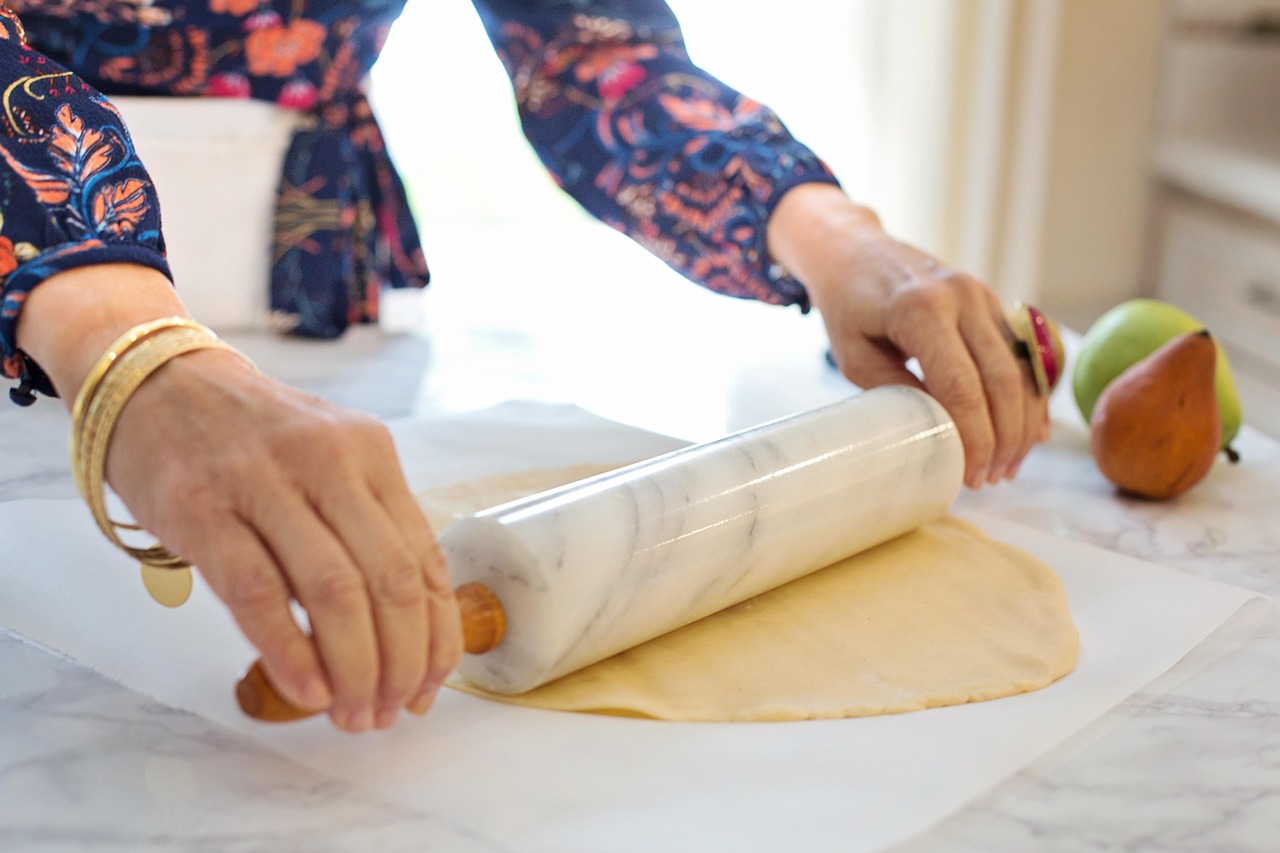
Welcome, baking enthusiasts! Are you ready to dive into the delightful world of baking with a recipe that’s as comforting as it is impressive? Today, we’re going to create something truly special: the Recipe For Apple Pie Cake. This isn’t just a cake; it’s a warm hug in dessert form, combining the best parts of a classic apple pie with the moist tenderness of a perfect cake. Don’t worry if you’re new to the kitchen; this is one of our favorite easy baking recipes designed specifically with baking tips for beginners in mind. We’ll walk you through every step, ensuring your first (or hundredth!) Apple Pie Cake is an absolute triumph. Get ready to fill your home with the irresistible aroma of cinnamon and baked apples!
Ingredients You’ll Need
Gather your ingredients! Having everything measured and ready before you start (this is called “mise en place”) makes the baking process much smoother.
For the Apple Filling:
| Ingredient | Quantity |
|---|---|
| Apples (firm, tart like Granny Smith or Honeycrisp) | 4-5 medium |
| Granulated Sugar | 1/4 cup (50g) |
| Ground Cinnamon | 1 teaspoon |
| Lemon Juice (freshly squeezed) | 1 tablespoon |
For the Cake Batter:
| Ingredient | Quantity |
|---|---|
| All-Purpose Flour | 1 3/4 cups (210g) |
| Baking Powder | 2 teaspoons |
| Ground Cinnamon | 1/2 teaspoon |
| Salt | 1/2 teaspoon |
| Unsalted Butter (softened, room temperature) | 1/2 cup (113g/1 stick) |
| Granulated Sugar | 1 cup (200g) |
| Large Eggs (room temperature) | 2 |
| Vanilla Extract | 1 teaspoon |
| Milk (whole or 2%, room temperature) | 1/2 cup (120ml) |
Optional Topping:
| Ingredient | Quantity |
|---|---|
| Powdered Sugar (for dusting) | 2 tablespoons |
Step-by-Step Instructions for Your Apple Pie Cake
Follow these detailed steps carefully, and you’ll be enjoying a slice of heaven in no time!
Step 1: Prepare Your Apples (The Heart of the Pie Cake!)
- First things first, let’s get those apples ready. Wash, peel, core, and slice your apples into thin, uniform pieces, about 1/4 inch thick. Beginner Tip: Thinner slices cook more evenly and blend better into the cake. If they’re too thick, they might remain a bit firm.
- In a medium bowl, combine the sliced apples with 1/4 cup granulated sugar, 1 teaspoon ground cinnamon, and 1 tablespoon lemon juice. The lemon juice isn’t just for flavor; it also prevents the apples from browning and adds a lovely bright note.
- Toss everything together until the apples are well coated. Set this aside while you prepare the cake batter. This resting time also allows the apples to release some of their juices, which will make them even more delicious when baked.
Step 2: Preheat and Prep Your Pan
- Preheat your oven to 350°F (175°C). Crucial Beginner Tip: Always preheat your oven fully before putting anything in! An oven that hasn’t reached its target temperature can lead to uneven baking or a cake that doesn’t rise properly.
- Grease and flour a 9-inch round baking pan. To do this, rub a thin layer of butter or baking spray all over the inside of the pan. Then, add a tablespoon of flour and tilt the pan, rotating it until the flour coats all the greased surfaces. Tap out any excess flour. This step prevents your cake from sticking and ensures a clean release. Alternatively, you can line the bottom with parchment paper for extra insurance.
Step 3: Whisk Together Dry Ingredients
- In a medium bowl, whisk together the 1 3/4 cups all-purpose flour, 2 teaspoons baking powder, 1/2 teaspoon ground cinnamon, and 1/2 teaspoon salt. Whisking ensures all the dry ingredients are evenly distributed, so you don’t get pockets of salt or baking powder in your cake. Set this bowl aside.
Step 4: Cream Butter and Sugar (The Foundation of a Moist Cake)
- In a large mixing bowl, using an electric mixer (handheld or stand mixer), beat the 1/2 cup softened unsalted butter and 1 cup granulated sugar together on medium speed. Beginner Tip: Make sure your butter is truly at room temperature. It should be soft enough to make an indentation with your finger but not melted or greasy. Cold butter won’t cream properly, and melted butter will lead to a dense cake.
- Beat for about 2-3 minutes, scraping down the sides of the bowl occasionally, until the mixture is light in color and fluffy in texture. This process, called “creaming,” incorporates air into the butter and sugar, which is essential for a light and tender cake crumb.
Step 5: Add Eggs and Vanilla
- Add the 2 large room temperature eggs, one at a time, beating well after each addition. Beginner Tip: Adding eggs one at a time allows them to emulsify properly with the butter mixture, preventing the batter from curdling. Again, room temperature eggs mix in more smoothly.
- Stir in the 1 teaspoon vanilla extract. Beat until just combined.
Step 6: Combine Wet and Dry Ingredients (Carefully!)
- With the mixer on low speed, gradually add about one-third of the dry ingredient mixture to the wet ingredients, mixing until just combined.
- Then, pour in half of the 1/2 cup room temperature milk, mixing until just incorporated.
- Repeat this process: add another third of the dry ingredients, then the remaining milk, and finally the last third of the dry ingredients. Crucial Beginner Tip: Mix just until the flour streaks disappear. Overmixing flour develops the gluten too much, which can result in a tough, chewy cake. We want tender and moist!
Step 7: Assemble Your Apple Pie Cake
- Pour about half of the cake batter into your prepared 9-inch baking pan, spreading it evenly with a spatula.
- Arrange about half of your prepared apple slices over the batter in a single layer. Don’t worry if they overlap a little.
- Carefully spoon the remaining cake batter over the apples, gently spreading it to cover them completely.
- Finally, arrange the remaining apple slices on top of the cake batter. You can arrange them in a pretty pattern if you like, or just scatter them evenly.
Step 8: Bake to Golden Perfection
- Place the baking pan in the center rack of your preheated oven.
- Bake for 50-60 minutes, or until a wooden skewer or toothpick inserted into the center of the cake comes out clean (or with just a few moist crumbs, but no wet batter). Beginner Tip: Ovens can vary! Start checking around the 45-minute mark. If the top is browning too quickly, you can loosely tent it with aluminum foil.
Step 9: Cool and Serve
- Once baked, remove the cake from the oven and let it cool in the pan on a wire rack for about 15-20 minutes. This allows the cake to set and prevents it from breaking when you remove it.
- After 15-20 minutes, carefully invert the cake onto the wire rack to remove it from the pan. Then, flip it right-side up to cool completely. Beginner Tip: Resist the urge to slice into it while it’s hot! A warm cake is delicious, but it will be much easier to slice neatly once it has cooled, and the flavors will also develop further.
- Once completely cool, you can optionally dust it generously with powdered sugar for a beautiful finish.
- Slice and enjoy your magnificent homemade Apple Pie Cake! It’s fantastic on its own, with a dollop of whipped cream, or a scoop of vanilla ice cream.
Tips & Tricks for Baking Success
Even with an easy baking recipe like this Apple Pie Cake, a few extra pointers can elevate your results from good to absolutely phenomenal!
- Room Temperature Ingredients are Key: This is probably the most repeated tip in baking, and for good reason! Softened butter, room temperature eggs, and milk emulsify better, creating a smoother batter and a lighter, more consistent cake texture. Plan ahead and take them out of the fridge an hour or two before you start.
- Measure Accurately: Baking is a science! Use proper measuring cups and spoons. For flour, spoon it into your measuring cup and then level it off with a straight edge (like a knife). Don’t scoop directly from the bag, as this can compact the flour and lead to using too much, resulting in a dry cake.
- Don’t Overmix: Once you add the dry ingredients to the wet, mix just until the flour streaks disappear. Overmixing develops gluten, making your cake tough and chewy instead of tender and moist.
- Know Your Oven: Ovens can have hot spots or run hotter/cooler than the dial indicates. An inexpensive oven thermometer can be a game-changer for consistent baking results. Avoid opening the oven door frequently, especially in the first 30 minutes, as this can cause the cake to sink.
- Choose the Right Apples: For baking, firm, tart apples like Granny Smith, Honeycrisp, Fuji, or Braeburn work best. They hold their shape well and provide a nice counterbalance to the sweetness of the cake. Softer apples can turn mushy.
- Cool Completely (Mostly!): While a warm slice is tempting, allowing the cake to cool mostly on a wire rack ensures it sets properly. This makes for cleaner slices and prevents the cake from falling apart.
Essential Baking Tools for Your Kitchen
Having the right tools makes baking a breeze! Here are some essentials that will help you master this Recipe For Apple Pie Cake and many more easy baking recipes:
- Mixing Bowl Set: A good set of various sizes is invaluable for separating wet and dry ingredients.
- Whisk: Perfect for aerating dry ingredients and combining liquids smoothly.
- 9-inch Round Baking Pan: The star of this show, ensure it’s sturdy and light-colored for even baking.
- Measuring Cups and Spoons: Accuracy is key in baking, so invest in a reliable set.
- Rubber Spatula: Essential for scraping down bowls and gently folding ingredients without overmixing.
- Electric Mixer: While not hyperlinked, a handheld or stand mixer will make creaming butter and sugar much easier (especially for beginners!).
- Wire Rack: For cooling your cake evenly and preventing a soggy bottom.
- Parchment Paper: Great for lining pans for non-stick baking and easy removal.
Nutrition Information (Per Serving)
Please note: This is an estimated nutritional breakdown for one slice of Apple Pie Cake (assuming 12 servings per cake) and may vary based on specific ingredients and preparation.
| Nutrient | Amount |
|---|---|
| Calories | 320 kcal |
| Carbohydrates | 55g |
| Protein | 4g |
| Fat | 10g |
| Fiber | 2g |
| Sugar | 35g |
Frequently Asked Questions (FAQs) for Beginner Bakers
- Q: My cake turned out dry. What went wrong?
- A: A dry cake is a common issue! It’s usually caused by overbaking (baking for too long), using too much flour (always spoon and level!), or not having ingredients at room temperature. Make sure to check for doneness with a toothpick and remove it promptly when it comes out clean.
- Q: Can I use different types of apples?
- A: Absolutely! While firm, tart apples like Granny Smith or Honeycrisp are recommended for their texture and balance, you can experiment. Just be aware that softer apples might break down more during baking, and sweeter apples might make the cake quite sweet overall. A mix of two different types can be wonderful!
- Q: How should I store leftover Apple Pie Cake?
- A: This cake stores beautifully! Cover it tightly with plastic wrap or place it in an airtight container at room temperature for up to 2-3 days. For longer storage, you can refrigerate it for up to a week. If you plan to freeze it, wrap individual slices tightly in plastic wrap and then foil; it will keep for up to 2-3 months.
- Q: Can I make this cake ahead of time?
- A: Yes, this cake is perfect for making ahead! It often tastes even better the next day as the flavors have more time to meld. Bake it, let it cool completely, then cover and store as directed. You can also prepare the apple filling a day in advance and keep it refrigerated.
- Q: What if I don’t have an electric mixer?
- A: No problem! You can definitely make this cake by hand. Just be prepared for a bit of a workout. Use a sturdy whisk to cream the butter and sugar until light and fluffy (this might take 5-7 minutes of continuous whisking) and to combine the other ingredients. A rubber spatula is great for folding in flour to avoid overmixing.
Enjoy Your Homemade Apple Pie Cake!
And there you have it – your very own homemade Apple Pie Cake! We hope you found this Recipe For Apple Pie Cake guide clear, helpful, and inspiring. Baking should be a joyous and rewarding experience, especially when you’re creating something so delicious from scratch.
Don’t be afraid to try new things, and remember that every bake is a learning experience. Even seasoned bakers have their off days! The most important thing is to have fun and enjoy the process (and the delicious results!). Share your beautiful creations with friends and family, and bask in the compliments. Happy baking, and we can’t wait to see what you whip up next!