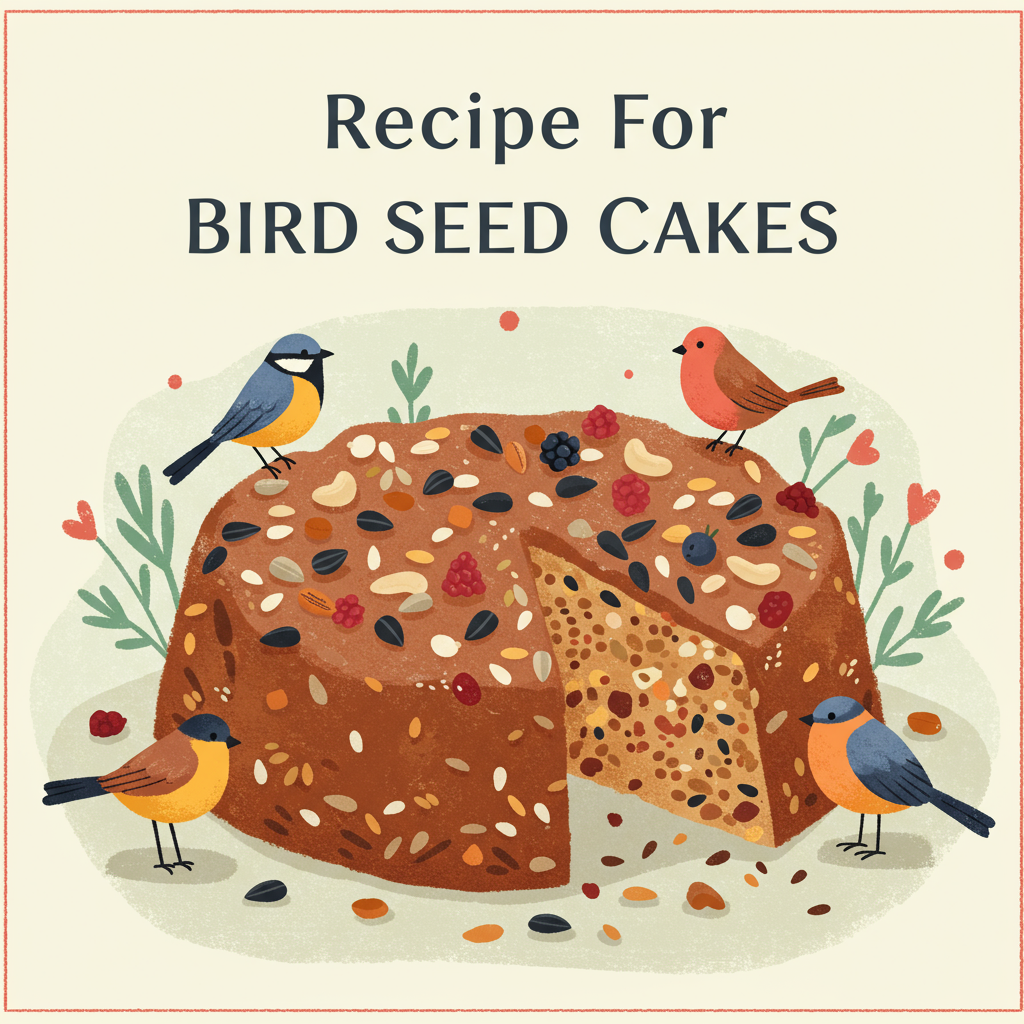
Welcome, aspiring bird feeders and nature lovers! If you’ve been looking for a charming and rewarding way to connect with the wildlife in your backyard, you’ve landed on the perfect page. Today, we’re diving into the wonderful world of creating homemade bird treats with our Recipe For Bird Seed Cakes.
This isn’t just a recipe; it’s an invitation to bring more chirps and flutters into your life. Don’t worry if you’re new to making things from scratch; this is one of the most easy baking recipes you can tackle, even if it’s technically a no-bake delight! We’ll walk you through every step, offering plenty of baking tips for beginners to ensure your birdseed cakes are a resounding success. Get ready to mix, mold, and make your garden a favorite spot for local birds!
Ingredients List
Gathering your ingredients is the first step to any great recipe. For these bird seed cakes, we focus on bird-safe, nutritious items that will bind well and attract a variety of species. Remember to choose unsalted and natural products where possible!
| Quantity | Unit | Ingredient |
|---|---|---|
| 1 | cup | Unsalted Peanut Butter (smooth or crunchy) |
| 1 | cup | Rendered Suet or Lard (melted and cooled slightly) |
| 4 | cups | Mixed Bird Seed (high-quality, no fillers) |
| 1/2 | cup | Cornmeal |
| 1/2 | cup | Rolled Oats (not instant) |
| 1/4 | cup | Dried Cranberries or Raisins (chopped, unsulphured) |
| 1/4 | cup | Chopped Unsalted Peanuts or Sunflower Seeds (shelled) |
Step-by-Step Instructions: Crafting Your Bird Seed Cakes
This recipe is designed to be straightforward and enjoyable. Take your time, follow each step carefully, and you’ll have beautiful birdseed cakes ready in no time!
Step 1: Prepare Your Wet Binders
In a medium-sized saucepan, combine the 1 cup of unsalted peanut butter and the 1 cup of rendered suet or lard. Place the saucepan over low heat on your stovetop. Your goal here is to gently melt these ingredients together until they are smooth and well combined. This process usually takes about 5-7 minutes. Beginner Tip: Don’t rush this step by using high heat! Low and slow prevents burning and ensures a smooth consistency. Stir frequently with a spatula or spoon to help the melting process and prevent sticking to the bottom of the pan. Once melted, remove the mixture from the heat and set it aside to cool slightly for about 5 minutes. It should still be liquid, but not scalding hot.
Step 2: Combine the Dry Ingredients
While your wet binders are cooling, grab a large mixing bowl. This is where all the good stuff for your birds will come together! Add the 4 cups of mixed bird seed, 1/2 cup of cornmeal, 1/2 cup of rolled oats, 1/4 cup of chopped dried cranberries or raisins, and 1/4 cup of chopped unsalted peanuts or sunflower seeds to the bowl. Use a large spoon or your hands (wearing gloves, if you prefer) to thoroughly mix these dry ingredients. You want an even distribution of all the seeds, oats, and fruit so that every bite of the cake is packed with goodness. Beginner Tip: Ensure your mixing bowl is large enough to accommodate all these ingredients comfortably, preventing spills when you add the wet mixture.
Step 3: Mix Wet and Dry Ingredients
Now for the magic! Pour the slightly cooled peanut butter and suet/lard mixture from your saucepan directly into the large bowl with the dry ingredients. Using a sturdy spoon or spatula, begin to fold and mix everything together. The goal is to coat every single piece of seed, oat, and fruit with the sticky binder. This might take a few minutes of diligent mixing. Keep scraping the bottom and sides of the bowl to ensure no dry pockets remain. You’ll know it’s well mixed when the entire mixture looks uniformly damp and sticky, holding together somewhat when pressed. Common Mistake & Fix: If your mixture seems too crumbly, your binder might have cooled too much. Gently warm it for a minute or two on low heat again, or add a tablespoon more of melted peanut butter. If it’s too wet, add a little more cornmeal or birdseed until it reaches a good consistency.
Step 4: Form Your Bird Seed Cakes
This is where you give your birdseed cakes their shape! You have a few options for molds:
- Cookie Cutters: Place cookie cutters on a parchment-lined baking sheet. Fill them tightly with the mixture, pressing down firmly.
- Muffin Tins: Line muffin tins with paper liners or lightly grease them. Press the mixture firmly into each cup.
- Small Containers: Reuse clean, shallow plastic containers (like yogurt cups or butter tubs). Line them with plastic wrap for easy removal, then press the mixture in.
No matter which method you choose, firmly press the mixture down. The tighter you pack it, the better your cakes will hold together. If you want to hang your cakes, now is the time to insert a loop of kitchen twine or a pipe cleaner into the top of each cake before chilling. Make sure the loop is embedded deep enough to hold the cake’s weight.
Step 5: Chill and Harden
Once all your molds are filled and packed, transfer the baking sheet or muffin tins to the refrigerator. Allow the bird seed cakes to chill for at least 2-4 hours, or ideally, overnight. This chilling process is crucial for the suet/lard and peanut butter to solidify, creating a firm cake that won’t crumble easily when hung or placed outside. Beginner Tip: Don’t skip or shorten the chilling time! Patience here pays off with sturdy birdseed cakes. If you’re in a hurry, the freezer can speed this up to about 1-2 hours, but keep an eye on them to prevent over-freezing if you plan to store them in the fridge.
Step 6: Release and Store (or Hang!)
Once thoroughly chilled and firm, carefully remove the bird seed cakes from their molds. If using cookie cutters, gently push them out. If using muffin tins with liners, simply peel the liner away. For containers lined with plastic wrap, pull on the wrap to lift the cake out. Your homemade bird seed cakes are now ready! You can hang them from branches, place them on a bird feeder platform, or store them for later use. Store any unused cakes in an airtight container in the refrigerator for up to 2-3 weeks, or in the freezer for up to 2-3 months. Enjoy watching your feathered visitors flock to your delicious creations!
Tips & Tricks for Perfect Bird Seed Cakes
Making birdseed cakes is fun and rewarding, and these tips will help you master the craft:
- Vary Your Seeds: Feel free to experiment with different types of birdseed. Black oil sunflower seeds are a favorite for many species, while safflower seeds attract cardinals and deter squirrels. Just ensure they are appropriate for local birds.
- Unsalted is Key: Always use unsalted peanut butter and nuts. Salt is harmful to birds.
- Rendered Suet vs. Lard: Rendered suet (purified beef fat) is traditional and highly nutritious for birds, especially in winter. Lard (pork fat) is a good alternative. Avoid vegetable shortenings as they can go rancid quickly.
- Add More Goodies: Small pieces of dried fruit (without added sugar or sulfites), finely crushed eggshells (for calcium), or even mealworms (dried, for insectivorous birds) can be wonderful additions.
- Storage is Important: Due to the fat content, these cakes can melt in very hot weather. Store them in the fridge until ready to use, and consider placing them in a shaded area of your yard. In extreme heat, they might be best reserved for cooler days.
- Squirrel Deterrents: If squirrels are an issue, consider adding a pinch of cayenne pepper to your mixture. Birds don’t taste capsaicin, but squirrels find it unpleasant.
- Hygiene Matters: Always wash your hands before and after handling birdseed cakes. Clean your feeders regularly to prevent the spread of diseases among birds.
Essential Baking Tools
While this is a no-bake recipe, a few basic kitchen tools will make the process much smoother. Here are some essentials:
- Mixing Bowl
- Whisk (or sturdy spoon/spatula for mixing)
- Baking Pan (for chilling, or muffin tins/cookie cutters as molds)
- Measuring Cups
- Spatula (for scraping and mixing)
- Saucepan (for melting binders)
Nutrition Info (Approximate per serving for *human* reference, not for human consumption!)
Please remember, these bird seed cakes are specifically formulated for birds and are NOT for human consumption. The nutritional information below is a very rough estimate based on the ingredients for human reference only, assuming about 12 servings from the recipe.
| Nutrient | Amount (Estimated) |
|---|---|
| Calories | 350-400 kcal |
| Carbohydrates | 20-25 g |
| Protein | 10-15 g |
| Fat | 25-30 g |
| Fiber | 3-5 g |
| Sugar | 3-5 g |
Frequently Asked Questions (FAQs)
-
Q1: My bird seed cakes are too crumbly and won’t hold their shape. What went wrong?
- A1: This is a common issue! It usually means there wasn’t enough binder (peanut butter/suet) or it wasn’t mixed thoroughly. Ensure your binders were fully melted and evenly coated all the dry ingredients. Also, make sure you pressed the mixture into the molds very, very firmly. A longer chilling time can also help solidify them.
-
Q2: Can I use regular flour instead of cornmeal?
- A2: While flour can act as a binder, cornmeal is generally preferred for birdseed cakes as it’s a more natural and digestible grain for birds. It also adds a nice texture and nutritional value that many bird species enjoy. For best results, stick with cornmeal.
-
Q3: How long do these bird seed cakes last outside?
- A3: This depends heavily on the weather. In cooler temperatures (below 50°F / 10°C), they can last for several days to a week. In warmer weather (above 70°F / 21°C), the fat can soften and melt, potentially going rancid or attracting pests. It’s best to use them on cooler days or place them in shaded areas when it’s warmer. Always remove any cakes that show signs of mold or spoilage.
-
Q4: Are all bird seeds safe for all birds?
- A4: Not necessarily. Different bird species have different dietary preferences. However, a good quality mixed birdseed with sunflower seeds, millet, and cracked corn is generally appealing to a wide variety of common backyard birds. Always avoid birdseed mixes with excessive fillers like red milo, which many birds discard.
-
Q5: Can I make these without peanut butter if I have an allergy concern for my family?
- A5: Yes, you can! While peanut butter is an excellent binder and highly attractive to birds, you can substitute it. Good alternatives include extra melted suet/lard, or other nut butters (like almond or sunflower seed butter) *as long as they are unsalted and plain*. Ensure any substitute is bird-safe and unsalted.