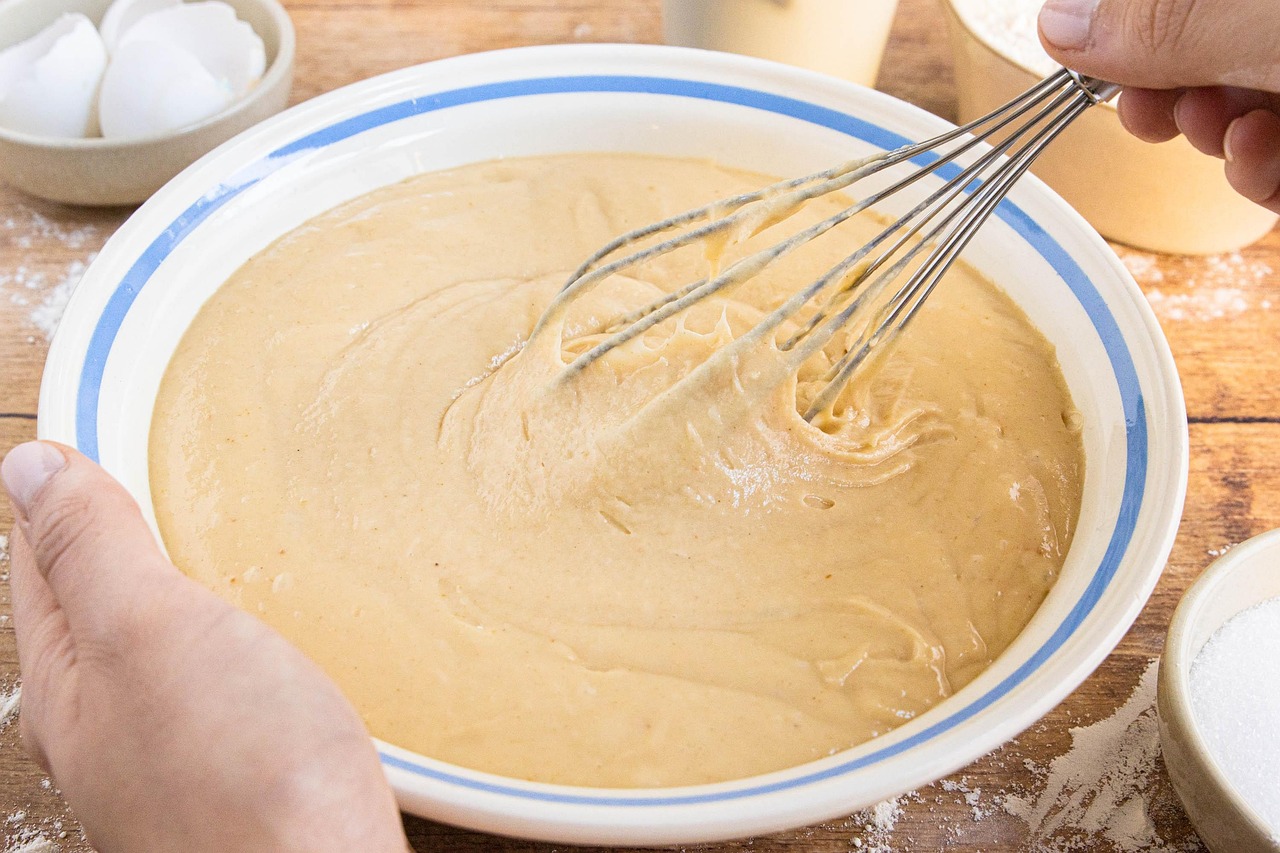
this is one of those truly easy baking recipes that anyone, even complete novices, can master. We’ll walk you through every step, focusing on practical baking tips for beginners to ensure your success. Not only will you create a wonderful treat for local wildlife, but you’ll also enjoy the satisfaction of making something with your own hands. Get ready to transform simple ingredients into a delightful bird buffet!
Ingredients List: Gathering Your Bird-Friendly Bounty
Before we begin our “baking” adventure, let’s gather all our ingredients. It’s always a good idea to have everything measured out and ready to go – this practice, called “mise en place” by professional chefs, makes the whole process smoother and less stressful, especially for beginners!
| Ingredient | Quantity | Notes for Beginners |
|---|---|---|
| Lard (rendered animal fat) | 1 cup (225g) | This is our primary binder. Look for it in the baking aisle or meat section of your grocery store. You can also use suet from a butcher. Make sure it’s plain, unsalted. |
| Creamy Peanut Butter (xylitol-free) | 1/2 cup (128g) | Crucial: Ensure it does NOT contain xylitol, which is toxic to animals. Read the label carefully! Creamy works best for mixing. |
| Mixed Birdseed | 4 cups (approx. 600g) | Any good quality mix will do. Choose one suitable for the birds you wish to attract. |
| Fine Cornmeal | 1/2 cup (60g) | Helps to absorb excess fat and bind the mixture. Make sure it’s plain, not self-rising. |
| All-Purpose Flour | 1/4 cup (30g) | Adds additional binding power. |
| Unsweetened Dried Cranberries/Raisins (Optional) | 1/2 cup (60g) | A nice treat for many birds. Ensure they are unsweetened and sulfur dioxide-free if possible. Chop larger pieces. |
Step-by-Step Instructions: Crafting Your Birdseed Delights
Follow these steps carefully, and you’ll be a birdseed cake pro in no time! Remember, precision in measuring and patience are your best friends in any baking (or non-baking!) project.
Step 1: Prepare Your “Baking” Station
First things first, clear your workspace. Lay out a few sheets of parchment paper or wax paper on a baking sheet or a clean counter. This will be where your birdseed cakes will cool and set. If you’re using cookie cutters or specific molds, have them ready. For beginners, a simple loaf pan or even small plastic containers (like yogurt cups) can work perfectly as molds.
Beginner Tip: Don’t skip the parchment paper! It prevents sticking and makes cleanup a breeze. Trust us on this one!
Step 2: Melt the Fats
In a medium-sized, microwave-safe mixing bowl, combine the lard and the xylitol-free creamy peanut butter. Microwave in 30-second intervals, stirring well after each, until both are completely melted and smooth. This usually takes about 1-2 minutes total. Alternatively, you can melt them gently in a saucepan over low heat on the stove, stirring constantly to prevent burning.
Common Mistake & Fix: If your fats separate or look grainy, don’t worry! Just keep stirring gently over very low heat until they combine smoothly. Overheating can cause them to scorch, so low and slow is the key.
Step 3: Combine Dry Ingredients
In a separate large mixing bowl, combine the mixed birdseed, cornmeal, and all-purpose flour. If you’re adding the optional dried cranberries or raisins, toss them in now. Use a whisk or a large spoon to mix these ingredients thoroughly. You want to ensure the flour and cornmeal are evenly distributed, as they are crucial for binding.
Beginner Tip: Use a bowl that’s larger than you think you need! This prevents ingredients from spilling out when you mix. A little extra room goes a long way.
Step 4: Marry the Wet and Dry
Pour the melted lard and peanut butter mixture from Step 2 into the large bowl with your dry birdseed mixture. Using a sturdy spatula or a large spoon, begin to mix everything together. Stir diligently, ensuring all the dry ingredients are coated with the fatty mixture. You might need to really press down and fold to get everything incorporated. The mixture should be thick, sticky, and uniform, with no dry pockets of birdseed.
Common Mistake & Fix: If your mixture seems too dry and crumbly, it might be due to variations in birdseed or humidity. You can add an extra tablespoon of melted lard or peanut butter at a time, mixing well after each addition, until it reaches a good, cohesive consistency. If it’s too wet, add a tiny bit more cornmeal or flour.
Step 5: Form Your Birdseed Cakes
Now for the fun part! Take spoonfuls of the mixture and press them firmly into your chosen molds (e.g., cookie cutters, muffin tins, small containers, or even just free-form shapes). If using cookie cutters, press the mixture firmly into the cutter on your parchment-lined baking sheet, then gently lift the cutter away. For molds, make sure you really pack it down tightly – the firmer you pack it, the less likely your cakes are to crumble later.
Alternatives: You can also shape them into balls or logs by hand. If you want to hang them, insert a sturdy loop of twine or a pipe cleaner into the center of each cake while it’s still soft. Make sure the loop is embedded deep enough to hold when the cake is firm.
Step 6: Chill and Set
Once all your cakes are formed, place the baking sheet or molds into the refrigerator. Let them chill for at least 2-4 hours, or ideally, overnight. This chilling time is essential for the fats to solidify and for the cakes to become firm and hold their shape. Don’t rush this step!
Beginner Tip: Patience is a virtue here! A properly chilled cake will be much more durable and less likely to fall apart when you place it outside.
Step 7: Store and Serve
Once fully chilled and firm, gently remove the birdseed cakes from their molds or off the parchment paper. Store any unused cakes in an airtight container in the refrigerator for up to 2-3 weeks, or freeze them for longer storage (up to 3 months). When ready to serve, place them in a suet cage, on a bird feeder platform, or simply on a sturdy branch in your garden. Watch your feathered friends flock to their new favorite treat!
Important Note: These cakes are for birds, not humans! Please do not consume them.
Tips & Tricks for Birdseed Cake Success
Making birdseed cakes is simple, but a few insider tips can make your experience even better and your results more durable:
- The Right Fat Matters: While lard is excellent, you can also use rendered beef suet (ask your butcher for it). Avoid vegetable shortenings or oils, as they don’t solidify as well and can melt too quickly in warmer weather, potentially coating bird feathers. Always ensure fats are unsalted.
- Watch the Weather: Birdseed cakes made with animal fats are best suited for cooler temperatures. In hot climates or during summer, they can become soft and messy. Consider serving them only during cooler months or placing them in shaded areas.
- Variety is the Spice of Life (for Birds Too!): Feel free to experiment with different birdseed mixes or add-ins. Black oil sunflower seeds are a universal favorite. You can also include chopped unsalted nuts (pecans, walnuts), dried mealworms, or small amounts of dried fruit (make sure it’s unsweetened and sulfur dioxide-free).
- Secure Hanging: If you’re hanging your cakes, ensure the twine or wire loop is securely embedded and strong enough to support the cake’s weight, especially when wet or during bird feeding frenzies. Suet cages are a fantastic, reusable option for holding these cakes.
- Cleanliness is Key: Always wash your hands before and after handling ingredients, especially if you also handle pet food or raw meat. Keep your bird feeders clean to prevent the spread of disease among birds.
- Storage Savvy: Store your finished cakes in the refrigerator or freezer. This prevents them from going rancid and keeps them firm until ready for use.
Essential “Baking” Tools
You don’t need a fancy kitchen to make these, but having the right basic tools makes the process much smoother:
- Mixing Bowl (one large, one medium)
- Whisk (for dry ingredients)
- Baking Sheet (for chilling)
- Measuring Cups
- Spatula (sturdy for mixing and pressing)
- Parchment Paper or Wax Paper
- Cookie Cutters or Molds (optional, but fun!)
Nutrition Information (Per Cake for Birds – NOT for Human Consumption!)
Disclaimer: This nutritional information is a theoretical estimate for a single birdseed cake based on the ingredients and is provided for informational purposes regarding its potential contribution to a bird’s diet. These cakes are formulated specifically for wild birds and are NOT intended for human consumption. Human nutritional guidelines and requirements are vastly different.
| Nutrient | Approximate Value (per cake*) |
|---|---|
| Calories | ~910 kcal |
| Carbohydrates | ~53 g |
| Protein | ~23 g |
| Fat | ~71 g |
| Fiber | ~13.5 g |
| Sugar | ~8 g |
*Based on a recipe yielding 6 cakes. Values are rough estimates and can vary based on specific brands and types of ingredients used. This information is for general reference only.
Frequently Asked Questions (FAQs) for Beginner Birdseed Bakers
Q1: My birdseed cake keeps crumbling. What went wrong?
A: Crumbling is usually due to insufficient binding or not packing the mixture tightly enough. Ensure your fats (lard/peanut butter) are thoroughly melted and evenly distributed. When forming the cakes, press down with significant force to compact the mixture. Also, make sure to chill them for the full recommended time (or even longer!) to allow the fats to solidify completely.
Q2: Can I use different types of birdseed or other ingredients?
A: Absolutely! This recipe is very flexible. You can tailor your birdseed mix to attract specific birds (e.g., more black oil sunflower for finches, more cracked corn for doves). You can also add other bird-safe ingredients like chopped unsalted nuts, dried mealworms, or small amounts of plain rolled oats. Always avoid anything salted, seasoned, or containing artificial sweeteners like xylitol.
Q3: How long do these birdseed cakes last?
A: When stored in an airtight container in the refrigerator, homemade birdseed cakes typically last for 2-3 weeks. In the freezer, they can last up to 3 months. Once placed outside, their lifespan depends on the weather and how quickly birds consume them. In warm, humid weather, they might spoil or melt faster.
Q4: My cakes are too soft outside. What should I do?
A: If your cakes are too soft, it’s likely due to warm temperatures. Animal fats will soften or melt when it’s hot. Try placing them in a shaded area or consider serving them only during cooler seasons. You can also try adding a bit more cornmeal or flour to the next batch to help absorb more fat, making them slightly firmer.
Q5: Is it safe to use string or wire to hang the cakes?
A: Yes, as long as it’s sturdy and securely embedded. Natural twine or cotton string is generally safe. Avoid very thin, sharp wire that could harm birds. Many people prefer to use reusable suet cages, which are specifically designed for this purpose and minimize any potential risks.
Q6: Can I make these without melting the fat?
A: No, melting the lard and peanut butter is crucial. The melted fats coat the birdseed and, once cooled, act as the binding agent that holds the cake together. Without melting, you’d just have a crumbly, unformed mixture.
Conclusion: Enjoy Your Backyard Birding Adventure!
And there you have it! You’ve successfully created your very own batch of homemade Recipe For Birdseed Cakes. Wasn’t that much easier than you thought? This simple project is a fantastic way to connect with nature, support local wildlife, and add a touch of handmade charm to your garden. Don’t be afraid to experiment with different seeds and shapes as you gain confidence. Each cake you make is a small act of kindness for your feathered friends, and the joy of watching them enjoy your creations is truly priceless. So go ahead, hang your first cake, settle back with a cup of coffee, and prepare to be entertained by the vibrant life your efforts will attract. Happy birding (and “baking”)!