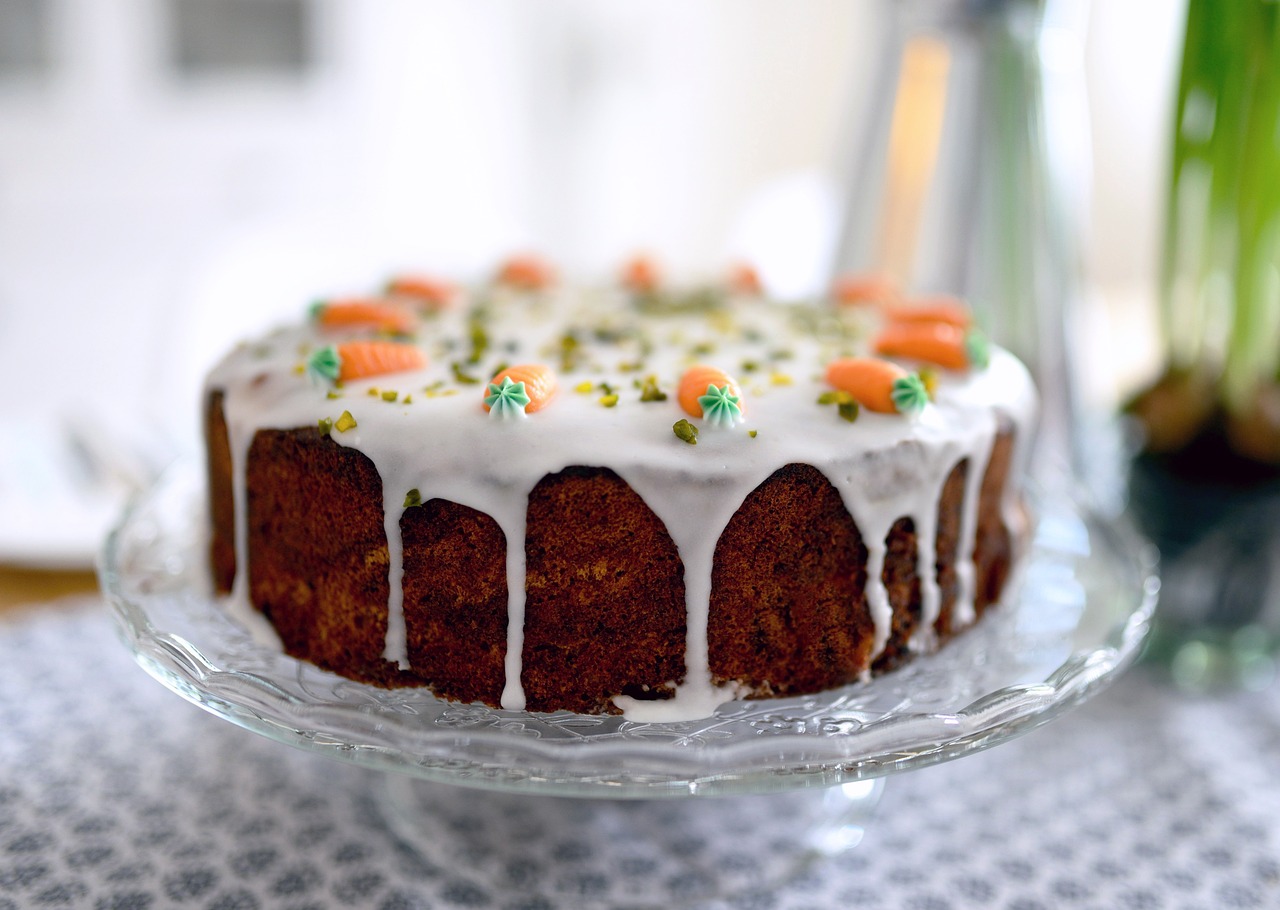
Get ready, food enthusiasts and aspiring bakers! Mardi Gras season is synonymous with vibrant colors, lively parades, and, of course, the iconic King Cake. But what if we told you there’s a savory twist that will blow your taste buds away? Introducing our incredible Recipe For Boudin King Cake a sensational fusion of traditional New Orleans flavors with the comforting warmth of a classic King Cake.

This isn’t just any recipe; it’s a journey into easy baking recipes territory, designed specifically with baking tips for beginners in mind. Forget your fears of yeast and sticky dough; we’re breaking down every step to ensure your first (or fiftieth!) Boudin King Cake is a resounding success. Prepare to impress your friends and family with this savory, spicy, and utterly unforgettable treat!
Ingredients You’ll Need
Gathering your ingredients is the first step to baking success. Accuracy is key, especially with baking, so we recommend using a kitchen scale for flour if possible!
| Ingredient | Quantity | Unit |
|---|---|---|
| For the Dough: | ||
| All-Purpose Flour | 4.5 – 5 | cups |
| Granulated Sugar | 1/2 | cup |
| Active Dry Yeast | 2 | 1/4 tsp packets (approx. 2.5 tsp) |
| Warm Milk (105-115°F / 40-46°C) | 1 | cup |
| Unsalted Butter, melted | 1/2 | cup (1 stick) |
| Large Eggs, at room temperature | 2 | |
| Salt | 1 | teaspoon |
| For the Boudin Filling: | ||
| Pre-cooked Boudin Sausage | 1.5 – 2 | lbs |
| Cream Cheese, softened | 4 | ounces |
| Green Onions, sliced | 1/4 | cup |
| Cajun Seasoning (optional, to taste) | 1/2 – 1 | teaspoon |
| For the Egg Wash: | ||
| Large Egg | 1 | |
| Water | 1 | tablespoon |
Step-by-Step Instructions: Your Path to Boudin King Cake Glory!
Follow these detailed steps carefully, and you’ll be amazed at what you can create. Don’t rush, especially with the rising times – patience is a baker’s best friend!
Step 1: Activate the Yeast (The Magic Begins!)
- In a large mixing bowl (or the bowl of your stand mixer), combine the **warm milk** (make sure it’s between 105-115°F / 40-46°C – too hot will kill the yeast, too cold won’t activate it) and **granulated sugar**.
- Sprinkle the **active dry yeast** over the top. Give it a gentle stir.
- Let this mixture sit for 5-10 minutes. You’ll know your yeast is active and happy when it becomes foamy and bubbly on the surface. If it doesn’t foam, your yeast might be old or the milk temperature was off. Don’t worry, just start this step again with fresh yeast!
Step 2: Prepare the Dough (Mixing It All Together)
- Once your yeast is activated, add the **melted butter**, **eggs** (ensure they are at room temperature for better incorporation), and **salt** to the yeast mixture. Whisk everything together until well combined.
- Gradually add the **all-purpose flour**, one cup at a time, mixing on low speed with a stand mixer (using the dough hook attachment) or with a sturdy wooden spoon.
- As you add the flour, the dough will start to come together. It might seem a little sticky at first, which is perfectly normal! Continue adding flour until the dough pulls away from the sides of the bowl. You might not need all 5 cups of flour; stop when the dough is soft, pliable, and slightly sticky, but manageable.
Step 3: Knead the Dough (Building Strength)
- If using a stand mixer: Let the dough hook knead the dough for 7-10 minutes on medium-low speed. The dough should become smooth and elastic.
- If kneading by hand: Turn the dough out onto a lightly floured surface. Knead for 10-15 minutes, pushing the dough away from you with the heels of your hands, then folding it back, rotating, and repeating. It’s a workout, but incredibly satisfying! Your dough is properly kneaded when it’s smooth, elastic, and passes the “windowpane test” (you can stretch a small piece thin enough to see light through it without tearing).
Step 4: First Rise (The Patience Game)
- Lightly grease a clean large bowl with a little oil or non-stick spray. Place the kneaded dough into the bowl, turning it once to coat the top.
- Cover the bowl tightly with plastic wrap or a clean kitchen towel.
- Place the bowl in a warm, draft-free place for 1 to 1.5 hours, or until the dough has doubled in size. A slightly warm oven (turned off!) or a sunny spot on your counter works well. This step is crucial for the cake’s light and airy texture!
Step 5: Prepare the Boudin Filling (The Savory Star)
- While the dough is rising, prepare your filling. Carefully remove the **boudin sausage** from its casings. Most pre-cooked boudin is easy to squeeze out.
- In a medium bowl, combine the boudin meat, **softened cream cheese**, and **sliced green onions**. If your boudin isn’t very spicy, this is the perfect time to add a dash of **Cajun seasoning** to taste.
- Mix everything together until well combined. You can use a fork or your hands for this. Set aside.
Step 6: Assemble the King Cake (Shaping the Masterpiece)
- Once the dough has doubled, gently punch it down to release the air.
- Lightly flour a clean work surface. Roll the dough out into a large rectangle, approximately 12×24 inches. Aim for an even thickness, about 1/4 inch.
- Spread the **boudin filling** evenly over the entire surface of the dough, leaving a small 1/2-inch border along one of the long edges.
- Starting from the long edge opposite the border you left, carefully roll the dough into a tight log. This requires a gentle touch to keep the filling inside.
- Once rolled, bring the ends of the log together to form a ring. Pinch the seams tightly to seal them, ensuring no filling escapes during baking.
- Carefully transfer the ring onto a parchment-lined baking sheet.
Step 7: Second Rise (The Final Proof)
- Cover the shaped King Cake loosely with plastic wrap or a clean kitchen towel.
- Let it rise again in a warm, draft-free place for another 45-60 minutes, or until noticeably puffy. This second rise gives the cake its final lift and tender crumb.
Step 8: Bake the King Cake (The Grand Finale)
- While the cake is on its second rise, preheat your oven to 375°F (190°C).
- In a small bowl, whisk together the **egg** and **water** for the egg wash.
- Just before baking, gently brush the entire surface of the King Cake with the egg wash. This will give it a beautiful golden sheen.
- Bake for 25-35 minutes, or until the cake is golden brown and cooked through. If you have a thermometer, the internal temperature should reach 200-205°F (93-96°C). If it starts browning too quickly, you can loosely tent it with foil.
- Remove the King Cake from the oven and let it cool on the baking sheet for 10-15 minutes before transferring it to a wire rack to cool completely.
Tips & Tricks for Beginner Bakers
Baking can seem daunting, but these tips will help you master this **Recipe For Boudin King Cake** and build your confidence for future **easy baking recipes**!
- Measure Accurately: Especially with flour, consider using a kitchen scale. 1 cup of flour can vary greatly depending on how it’s scooped. For beginners, this consistency is a game-changer.
- Yeast is Alive: Treat your yeast with care! Ensure your milk is the correct temperature (105-115°F) for activation. If your yeast doesn’t foam, it’s likely dead, and your dough won’t rise. Start over with fresh yeast.
- Don’t Over-Flour: Resist the urge to add too much flour during kneading or rolling. A slightly sticky dough is often better than a dry, tough one. Add flour a tablespoon at a time if truly needed.
- Patience with Rising: Don’t rush the rising process. It’s crucial for a light and airy texture. A warm, draft-free spot is key. If your kitchen is cold, a slightly warmed (then turned off) oven can be a great proofing box.
- Room Temperature Ingredients: Eggs and softened cream cheese incorporate much better into dough and fillings, leading to a smoother, more uniform mixture.
- Seal Tightly: When forming the ring, make sure the ends of the dough are pinched together very well to prevent the filling from oozing out during baking.
- The “Baby”: If you want to include the traditional plastic baby, insert it *after* the cake has baked and cooled slightly, pushing it up from the bottom.
- Storage: Store leftover King Cake at room temperature, covered, for up to 2-3 days. For longer storage, refrigerate for up to a week. Reheat gently in the oven or microwave.
Essential Baking Tools
Having the right tools makes all the difference in your baking journey. Here are some essentials to get you started:
- Mixing Bowl
- Whisk
- Baking Sheet/Pan
- Measuring Cups and Spoons
- Spatula
- Kitchen Scale (highly recommended for flour)
- Rolling Pin
- Parchment Paper
Nutrition Information (Estimated Per Serving)
Please note: These are approximate values and can vary based on specific ingredient brands and portion sizes. This is a rich, indulgent treat!
| Nutrient | Amount |
|---|---|
| Calories | 380-450 kcal |
| Total Carbohydrates | 40-50 g |
| Protein | 15-20 g |
| Total Fat | 18-25 g |
| Dietary Fiber | 1-2 g |
| Total Sugar | 8-12 g |
Frequently Asked Questions (FAQs)
Q1: My dough isn’t rising, what went wrong?
A: The most common culprits are inactive yeast (check the expiration date!) or water that was too hot or too cold. Ensure your water is between 105-115°F (40-46°C). If your yeast didn’t foam after 5-10 minutes in the warm milk, it’s best to start over with new yeast.
Q2: Can I use a different type of filling?
A: Absolutely! While boudin is the star here, you could adapt this recipe for other savory fillings like crawfish étouffée, sausage and cheese, or even a spicy jambalaya filling. Just ensure your filling isn’t too wet, which could make the dough soggy.
Q3: How do I know when the King Cake is fully baked?
A: The cake should be golden brown on top and sound hollow when gently tapped on the bottom. For absolute certainty, an internal thermometer inserted into the thickest part should read 200-205°F (93-96°C).
Q4: Can I make this Boudin King Cake ahead of time?
A: Yes! You can prepare the dough up to the first rise, then punch it down, cover it tightly, and refrigerate overnight. The next day, let it come to room temperature for about 30-60 minutes before proceeding with shaping and the second rise. You can also bake the cake completely and freeze it (un-glazed) for up to a month, then thaw and warm gently before serving.
Q5: What if I don’t have a stand mixer for kneading?
A: No problem at all! Kneading by hand is a fantastic way to develop your baking skills. It takes a bit more effort and time (usually 10-15 minutes), but the result is just as good. Follow the instructions in Step 3 for hand-kneading.
Q6: What kind of boudin sausage should I use?
A: Use a good quality, pre-cooked pork boudin sausage. Many grocery stores, especially in the Southern USA, carry excellent local brands. If you can’t find boudin, a spicy pork sausage (like a breakfast sausage) mixed with cooked rice and seasonings could be a close substitute.
Enjoy Your Delicious Creation!
You’ve done it! Baking a Recipe For Boudin King Cake is a rewarding experience, especially for beginners. Don’t be discouraged by any small imperfections; every bake is a learning opportunity. This savory twist on a classic is sure to be a showstopper at your next gathering, bringing a taste of Louisiana right to your table. So, go ahead, slice into that beautiful, golden ring, and savor every delicious bite. We can’t wait to see your creations – be sure to share your baking journey with us!