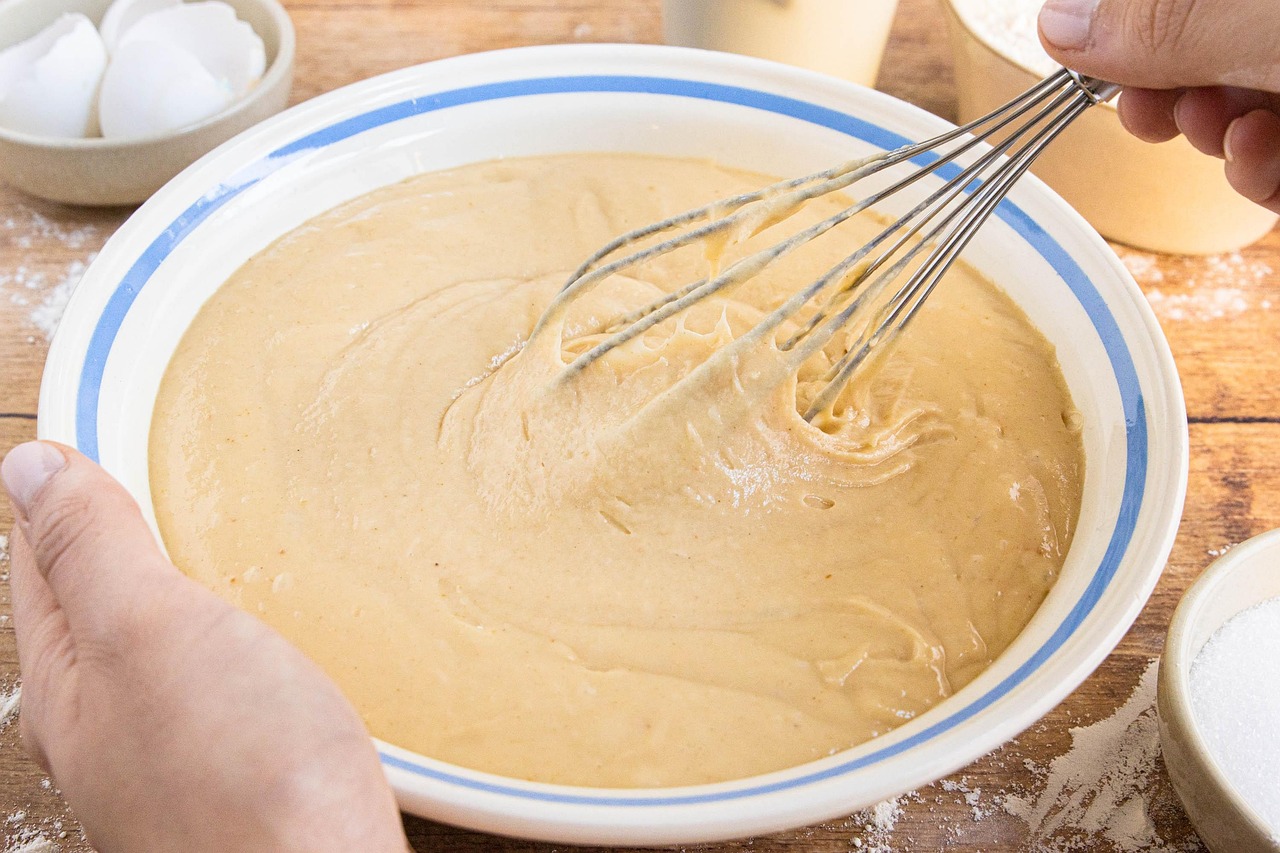
Welcome, aspiring bakers! Are you ready to embark on a culinary adventure that will tantalize your taste buds and impress your friends and family? Today, we’re diving into a truly unique dessert experience with our Recipe For Cajun Cake. Forget everything you thought you knew about traditional cakes; this creation blends the sweet comfort of a classic dessert with a subtle, aromatic nod to the rich culinary heritage of Louisiana. Don’t be intimidated if you’re new to the kitchen! This guide is designed to be one of the most easy baking recipes you’ll encounter, packed with all the baking tips for beginners you need to achieve a perfect, moist, and flavorful cake every single time. Get ready to bake something extraordinary!
This Cajun Cake isn’t just a dessert; it’s a conversation starter. With warm spices like cinnamon, nutmeg, and a whisper of cayenne pepper, it offers a depth of flavor that’s both comforting and exciting. Paired with a luscious cream cheese frosting, it’s an irresistible treat perfect for any occasion. Let’s gather our ingredients and start baking!
Ingredients List
Having all your ingredients measured and ready before you start is called “mise en place” – it’s a pro tip that makes baking so much smoother!
| Quantity | Unit | Ingredient |
|---|---|---|
| For the Cajun Spice Cake: | ||
| 2 ½ | cups | All-purpose flour |
| 1 | teaspoon | Baking soda |
| ½ | teaspoon | Baking powder |
| ½ | teaspoon | Salt |
| 1 ½ | teaspoons | Ground cinnamon |
| 1 | teaspoon | Ground nutmeg |
| ½ | teaspoon | Ground allspice |
| ¼ | teaspoon | Cayenne pepper (or less for a milder kick) |
| 1 | cup | Unsalted butter, softened (2 sticks) |
| 1 ½ | cups | Granulated sugar |
| ½ | cup | Light brown sugar, packed |
| 3 | large | Eggs |
| 1 | teaspoon | Vanilla extract |
| 1 | cup | Buttermilk |
| 1 | cup | Chopped pecans |
| For the Cream Cheese Frosting: | ||
| 8 | ounces | Cream cheese, softened |
| ½ | cup (1 stick) | Unsalted butter, softened |
| 4 | cups | Powdered sugar, sifted |
| 1 | teaspoon | Vanilla extract |
| Pinch | Salt | |
Step-by-Step Instructions
Follow these detailed steps, and you’ll have a gorgeous, delicious Cajun Cake in no time! Remember, baking is a science, but it should also be fun. Don’t be afraid to take your time.
Part 1: Preparing the Cajun Spice Cake
Step 1: Get Ready to Bake! First things first, let’s get your oven and pans ready. Preheat your oven to **350°F (175°C)**. This is crucial for even baking, as cakes need a consistently hot environment from the moment they enter the oven. Next, prepare two 8 or 9-inch round baking pans. Beginner Tip: Grease your pans thoroughly with butter or non-stick spray, then dust them lightly with flour. Tap out any excess flour. This creates a non-stick barrier, preventing your beautiful cake from sticking and breaking when you try to remove it later. For extra assurance, you can also line the bottoms with parchment paper circles.
Step 2: Combine the Dry Ingredients. In a large mixing bowl, whisk together the 2 ½ cups of all-purpose flour, 1 teaspoon of baking soda, ½ teaspoon of baking powder, ½ teaspoon of salt, 1 ½ teaspoons of ground cinnamon, 1 teaspoon of ground nutmeg, ½ teaspoon of ground allspice, and ¼ teaspoon of cayenne pepper. Why whisk? This step isn’t just about mixing; it’s about aerating the flour and evenly distributing the leavening agents (baking soda and powder) and spices, ensuring a consistent texture and flavor throughout your cake. Set this bowl aside for now.
Step 3: Cream the Wet Ingredients (Part 1). In a separate, even larger mixing bowl (or the bowl of a stand mixer fitted with the paddle attachment), beat the 1 cup of softened unsalted butter with the 1 ½ cups of granulated sugar and ½ cup of packed light brown sugar. Beat on medium speed for about 3-5 minutes, until the mixture is light and fluffy, and significantly paler in color. Beginner Tip: Make sure your butter is truly softened (not melted!) – it should yield slightly when pressed but still hold its shape. Cold butter won’t cream properly, and melted butter will result in a dense cake.
Step 4: Incorporate Eggs and Vanilla. Add the 3 large eggs one at a time, beating well after each addition. Make sure each egg is fully incorporated before adding the next. This helps to create an emulsion, leading to a smoother batter. Finally, beat in the 1 teaspoon of vanilla extract until just combined. Scrape down the sides of the bowl with a rubber spatula to ensure everything is mixed evenly.
Step 5: Alternate Dry and Wet. Now it’s time to bring it all together! With the mixer on low speed, gradually add the dry ingredient mixture to the wet ingredients, alternating with the 1 cup of buttermilk. Start and end with the dry ingredients. A good rhythm is: add about a third of the dry mixture, mix until just combined, then add half of the buttermilk, mix, then another third of dry, mix, remaining buttermilk, mix, and finally the last third of dry, mix until just barely combined. Crucial Beginner Tip: Do NOT overmix! Overmixing develops the gluten in the flour too much, which can lead to a tough, dry cake. Mix only until the streaks of flour disappear.
Step 6: Fold in the Pecans. Gently fold in the 1 cup of chopped pecans using your rubber spatula. You want to distribute them evenly without overworking the batter. If you’re not a fan of pecans, you can omit them or substitute with walnuts.
Step 7: Fill and Bake. Divide the cake batter evenly between your two prepared baking pans. Use a kitchen scale for precision if you have one – this ensures your cake layers bake evenly. Smooth the tops with your spatula. Bake for 28-35 minutes, or until a wooden skewer or toothpick inserted into the center of the cakes comes out clean. **Beginner Tip:** Check the cakes at the lower end of the baking time. Ovens vary, and overbaked cakes are dry cakes! If you see a few moist crumbs, that’s usually perfect.
Step 8: Cool the Cakes. Once baked, remove the pans from the oven and let them cool on a wire rack for about 10-15 minutes. This allows the cakes to set properly. After this initial cooling, invert the cakes onto the wire rack, carefully remove the pans (and parchment if used), and let them cool completely. **Do NOT try to frost warm cakes!** The frosting will melt and slide right off, creating a mess. Patience is key here – usually 1-2 hours until they are truly room temperature.
Part 2: Making the Cream Cheese Frosting
Step 9: Cream Cheese and Butter. In a large mixing bowl (or your stand mixer), beat the 8 ounces of softened cream cheese and ½ cup (1 stick) of softened unsalted butter together on medium speed until smooth and creamy, about 2-3 minutes. Beginner Tip: Just like with the cake batter, make sure both your cream cheese and butter are at room temperature. This is essential for a smooth, lump-free frosting.
Step 10: Add Powdered Sugar and Flavorings. Gradually add the 4 cups of sifted powdered sugar, about 1 cup at a time, beating on low speed until fully incorporated after each addition. Once all the sugar is in, add the 1 teaspoon of vanilla extract and a pinch of salt. Increase the speed to medium-high and beat for another 2-3 minutes until the frosting is light, fluffy, and perfectly smooth. Why sift powdered sugar? Powdered sugar often clumps, and sifting prevents those annoying lumps from appearing in your smooth frosting.
Part 3: Assembling and Decorating the Cake
Step 11: Frost the Cake. Once your cake layers are completely cool, place one layer on your serving plate or cake stand. Spread about 1 to 1 ½ cups of frosting evenly over the top of the first layer. Carefully place the second cake layer on top. Now, use the remaining frosting to cover the top and sides of the entire cake. **Beginner Tip:** If your cake layers have slightly domed tops, you can use a serrated knife to gently level them before frosting. This makes for a neater, more stable cake. For a rustic look, use an offset spatula to create swirls. For a cleaner finish, use a bench scraper around the sides.
Step 12: Chill and Serve. For best results and to help the frosting set, chill the cake in the refrigerator for at least 30 minutes before slicing and serving. This makes for much cleaner cuts. Store any leftovers in an airtight container in the refrigerator for up to 3-4 days.
Tips & Tricks for Baking Success
Baking can seem daunting, but these little secrets will make you feel like a pro in no time!
- Room Temperature Ingredients are Key: This is arguably the most important tip for baking cakes and frostings. Softened butter, cream cheese, and eggs at room temperature emulsify better, creating a smoother, more uniform batter and frosting. Cold ingredients can lead to curdled batter and lumpy frosting.
- Measure Accurately: Baking is a science! Use proper measuring cups and spoons. For flour, spoon it into your measuring cup and then level it off with the back of a knife – don’t scoop directly from the bag, as this can pack too much flour in.
- Don’t Overmix: After adding flour, mix your batter only until the ingredients are just combined. Overmixing develops gluten, leading to a tough, dense cake. A few small streaks of flour are better than an overmixed batter.
- Preheat Your Oven Properly: Always preheat your oven for at least 15-20 minutes before baking. Ovens fluctuate, and an accurately preheated oven ensures your cake starts baking at the correct temperature, promoting even rising and texture.
- Cool Cakes Completely: Resist the urge to frost a warm cake! Frosting will melt and slide off, creating a mess. Allow your cake layers to cool entirely on a wire rack before frosting.
- Sift Powdered Sugar: For the smoothest, lump-free cream cheese frosting, always sift your powdered sugar before adding it to the butter and cream cheese.
- Test for Doneness: The toothpick test is your best friend. Insert a wooden skewer or toothpick into the center of the cake. If it comes out clean or with a few moist crumbs attached, the cake is done. If it’s wet with batter, give it a few more minutes.
- Buttermilk Substitute: No buttermilk? No problem! You can easily make your own by adding 1 tablespoon of white vinegar or lemon juice to a measuring cup, then filling the rest of the cup with regular milk (any fat percentage). Let it sit for 5-10 minutes until it slightly curdles.
- Patience is a Virtue: Baking takes time. Don’t rush steps like cooling or chilling. Good things come to those who wait!
Essential Baking Tools
Having the right tools makes baking a breeze! Here are some essentials you’ll need for this **Recipe For Cajun Cake** (and many other baking adventures):
- Mixing Bowl (various sizes)
- Whisk (for dry ingredients)
- Baking Pan (two 8 or 9-inch round pans)
- Measuring Cups (for dry ingredients)
- Measuring Spoons (for spices and leavening)
- Rubber Spatula (for scraping bowls and folding)
- Electric Mixer (handheld or stand mixer)
- Wire Rack (for cooling cakes)
- Offset Spatula (optional, but great for frosting)
Nutrition Info
Here’s an approximate nutritional breakdown for a single serving of our Cajun Cake. Please remember these are estimates and can vary based on specific ingredient brands and portion sizes.
| Nutrient | Amount (per serving, approx.) |
|---|---|
| Calories | 480 kcal |
| Carbohydrates | 65 g |
| Protein | 5 g |
| Fat | 25 g |
| Fiber | 1.5 g |
| Sugar | 45 g |
*Estimates based on a serving size of 1/12th of the cake. Actual values may vary.
Frequently Asked Questions (FAQs)
Q1: Can I make this cake in a 9×13 inch pan instead of round pans?
A: Yes, absolutely! If you prefer a sheet cake, you can bake this recipe in a 9×13 inch baking pan. The baking time will be slightly longer, typically around 35-45 minutes. Keep an eye on it and use the toothpick test to ensure it’s fully baked.
Q2: What if I don’t have buttermilk?
A: No problem! You can easily make a homemade substitute. For 1 cup of buttermilk, simply place 1 tablespoon of white vinegar or lemon juice into a liquid measuring cup, then fill the rest of the cup with regular milk (any fat percentage). Stir gently and let it sit for 5-10 minutes until it slightly curdles. It works perfectly!
Q3: How do I know when the cake is done baking?
A: The best way is the “toothpick test.” Insert a wooden skewer or toothpick into the very center of the cake. If it comes out clean, or with just a few moist crumbs attached, your cake is done. If it comes out wet with raw batter, bake for another 2-5 minutes and test again.
Q4: My frosting is too thin/thick, what should I do?
A: If your frosting is too thin, gradually add more sifted powdered sugar (1-2 tablespoons at a time) until it reaches your desired consistency. If it’s too thick, add a very small amount of milk (½ teaspoon at a time) and beat until smooth. Remember, a little goes a long way!
Q5: Can I make this cake ahead of time?
A: Yes! The cake layers can be baked a day in advance. Once completely cooled, wrap them tightly in plastic wrap and store at room temperature. The frosting can also be made a day ahead and stored in an airtight container in the refrigerator. Just bring the frosting to room temperature and give it a quick whip with your mixer before frosting the cake.
Q6: Is the cayenne pepper really noticeable in the cake?
A: The amount of cayenne pepper in this recipe is very small (¼ teaspoon), so it’s designed to add a subtle warmth and depth of flavor rather than outright spiciness. Most people will notice the complex blend of spices and a pleasant “kick,” but not an overwhelming heat. If you’re very sensitive to spice, you can reduce it to an eighth of a teaspoon or omit it entirely.
Conclusion
And there you have it – your very own homemade Recipe For Cajun Cake! We hope this detailed, beginner-friendly guide has given you the confidence and all the baking tips for beginners you need to create a truly delicious and memorable dessert. From the perfectly spiced cake layers to the creamy, tangy frosting, every bite is a celebration of flavor.
Don’t be afraid to experiment, and remember that every bake is a learning experience. The most important ingredient is always your enthusiasm! Now go forth, enjoy your masterpiece, and share the joy with your loved ones. We can’t wait to hear about your baking success!