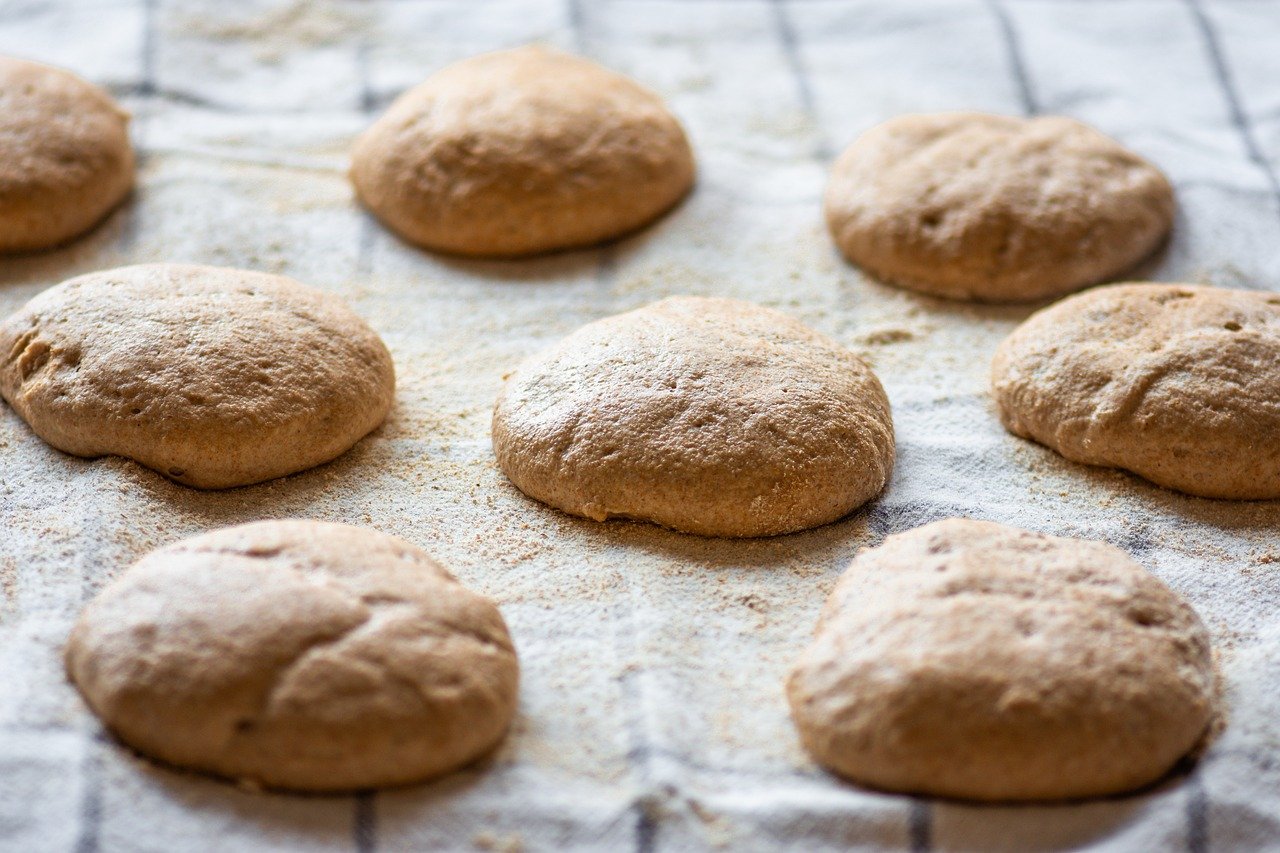
Are you looking to bake a truly wholesome and nutrient-dense bread right in your own kitchen? Many people find the idea of baking bread intimidating, especially something as unique as Ezekiel bread. But what if we told you it could be an incredibly rewarding and surprisingly straightforward experience? This detailed guide will walk you through making your very own Recipe For Ezekiel Bread With Sprouted Grains, a loaf packed with ancient grains and legumes that are not only delicious but also incredibly good for you.

Forget store-bought loaves; baking at home allows you to control every ingredient and enjoy the incredible aroma that fills your home. This recipe is designed with baking tips for beginners in mind, breaking down each step into manageable parts. We’ll demystify the process, from activating yeast to achieving that perfect golden crust. So, if you’re ready to dive into the world of easy baking recipes and create a bread that’s both nourishing and satisfying, grab your apron, and let’s get started!
Gather Your Wholesome Ingredients
The magic of Ezekiel bread comes from its unique blend of sprouted grains and legumes. For this recipe, we’re making it accessible by using a combination of a sprouted grain flour blend and some individual sprouted grains/legumes to capture that authentic texture and nutritional profile. Remember, accuracy in measuring is key for successful baking!
Ingredients List:
| Quantity | Unit | Ingredient |
|---|---|---|
| 1 ½ | cups | Warm Water (105-115°F / 40-46°C) |
| 1 | tablespoon | Active Dry Yeast |
| 1 | teaspoon | Honey or Maple Syrup (for yeast activation) |
| 2 | cups | Sprouted Whole Wheat Flour (or Sprouted Grain Flour Blend) |
| ½ | cup | Sprouted Wheat Berries (dry) |
| ½ | cup | Sprouted Barley (dry) |
| ¼ | cup | Sprouted Millet (dry) |
| ¼ | cup | Sprouted Spelt (dry) |
| ¼ | cup | Sprouted Lentils (dry) |
| ¼ | cup | Sprouted Great Northern Beans (dry) |
| 1 ½ | teaspoons | Sea Salt |
| 2 | tablespoons | Olive Oil (plus extra for greasing) |
| 1 | tablespoon | Honey or Maple Syrup (for the dough) |
Step-by-Step Instructions: Your Path to Perfect Ezekiel Bread
Baking bread is a journey, not a race. Take your time with each step, and don’t be afraid to get your hands a little floury. We’ve included plenty of tips to guide you through!
Step 1: Activate Your Yeast – The Spark of Life
- In a large mixing bowl, pour in 1 ½ cups of **warm water**. It should feel like a warm bath, not too hot (which kills the yeast) and not too cold (which won’t activate it). Aim for 105-115°F (40-46°C).
- Sprinkle the **active dry yeast** and 1 teaspoon of **honey or maple syrup** over the warm water. The sugar gives the yeast something to “eat” and helps it wake up.
- Gently stir once or twice and then let it sit undisturbed for 5-10 minutes. You should see a foamy layer form on top – this is a good sign! It means your yeast is alive and ready to work its magic. If no foam appears, your yeast might be old or the water temperature was off, and you’ll need to start this step again with fresh yeast.
Step 2: Prepare Your Sprouted Grains and Legumes – The Heart of Ezekiel Bread
- While your yeast is activating, take your dry sprouted wheat berries, barley, millet, spelt, lentils, and great northern beans.
- Place them in a high-speed blender or food processor. Add about 1 cup of fresh water (this is separate from your yeast water).
- Blend until you have a relatively smooth, thick paste. It won’t be perfectly smooth like flour, but you want to break down the grains and legumes as much as possible. This step is crucial for the unique texture and allows the nutrients to be more readily available. If you don’t have a high-speed blender, you can soak these dry sprouted grains/legumes overnight in plenty of water, drain them, and then process them.
Step 3: Combine the Wet Ingredients – Building the Flavor Base
- Once your yeast is foamy, add the **2 tablespoons of olive oil** and the remaining **1 tablespoon of honey or maple syrup** to the yeast mixture.
- Now, carefully scrape in your prepared sprouted grain and legume paste from Step 2 into the wet mixture. Stir everything together until well combined.
Step 4: Incorporate Dry Ingredients – Forming the Dough
- In a separate medium bowl, whisk together the **sprouted whole wheat flour** (or sprouted grain flour blend) and the **sea salt**. Combining them now ensures the salt is evenly distributed.
- Gradually add the dry flour mixture to the wet ingredients in the large mixing bowl, a cup at a time. Use a sturdy spoon or a dough whisk to mix.
- Mix until a shaggy dough forms and all the flour is moistened. At this point, the dough will likely be quite sticky, which is normal for high-hydration, whole-grain breads.
Step 5: Knead the Dough – Developing the Gluten
- Lightly flour a clean work surface. Turn the sticky dough out onto the floured surface.
- Begin to **knead the dough**. For beginners, a simple push-fold-turn motion works well: Push the dough away from you with the heels of your hands, fold it back over itself, turn it a quarter turn, and repeat.
- Continue kneading for 8-10 minutes. This process develops the gluten, which gives bread its structure and chewiness. Your dough will gradually become less sticky and more elastic. It might still be a bit tacky, but it shouldn’t stick stubbornly to your hands or the counter. If it’s too sticky, add a tiny bit more flour (a tablespoon at a time). If it feels too stiff, wet your hands slightly.
- Beginner Tip: Don’t add too much flour during kneading! A common mistake is to keep adding flour because the dough is sticky, but this can lead to dry, dense bread. A slightly tacky dough is perfect for whole grains.
Step 6: First Rise (Proofing) – Let It Grow!
- Lightly grease a clean large bowl with a little olive oil. Place the kneaded dough in the bowl, turning it once to coat the top with oil (this prevents it from drying out).
- Cover the bowl tightly with plastic wrap or a damp kitchen towel.
- Place the bowl in a warm, draft-free spot. An oven with just the light on (not heated!) is a perfect proofing box.
- Let the dough rise for 1-1.5 hours, or until it has roughly doubled in size. The exact time depends on the warmth of your environment.
- Common Mistake: Impatience! Don’t rush this step. A proper first rise is essential for a light, airy texture.
Step 7: Shape the Loaf – Getting Ready for the Oven
- Once the dough has doubled, gently punch it down to release the air. This is called “degassing” and helps create an even texture.
- Turn the dough out onto a lightly floured surface. Gently pat it into a rectangle.
- To shape a classic loaf: Fold the top third of the rectangle down to the center, then fold the bottom third up over the top. Pinch the seam closed. Then, gently roll the dough into a tight log, sealing the ends.
- Lightly grease a 9×5 inch (23×13 cm) loaf pan with olive oil. Place the shaped loaf, seam-side down, into the prepared pan.
Step 8: Second Rise – Final Proofing
- Cover the loaf pan loosely with plastic wrap or a damp kitchen towel.
- Return the pan to your warm, draft-free spot for another 30-45 minutes, or until the loaf has risen significantly and looks puffy. It should nearly double in size again and crown over the top of the pan.
- About 15 minutes before the second rise is complete, preheat your oven to **375°F (190°C)**.
Step 9: Bake Your Masterpiece!
- Carefully place the loaf pan into the preheated oven.
- Bake for 35-45 minutes. The bread should be golden brown on top and sound hollow when tapped on the bottom.
- For an extra crispy crust, you can place a pan of hot water on the bottom rack of your oven during baking to create steam.
- Pro Tip: An instant-read thermometer inserted into the center of the loaf should read 200-210°F (93-99°C) for perfect doneness. This is the most accurate way to tell if your bread is fully baked.
Step 10: Cool Completely – The Hardest Step!
- Once baked, immediately remove the loaf from the pan and place it on a wire cooling rack.
- Allow the bread to cool completely before slicing (at least 1-2 hours, but preferably longer). This is crucial! Slicing hot bread can make it gummy and affect its texture. The internal cooking process continues even after it’s out of the oven.
- Enjoy your homemade **Recipe For Ezekiel Bread With Sprouted Grains**!
Tips & Tricks for Beginner Bakers
Baking bread is a skill that improves with practice, but these tips will give you a head start:
- Measure Accurately: Especially with flour, it’s best to weigh it if you have a kitchen scale. If not, spoon flour into your measuring cup and then level it off with a straight edge, rather than scooping directly from the bag (which compacts it).
- Water Temperature is Key: Yeast is sensitive. Too hot, it dies; too cold, it’s sluggish. Use a thermometer to ensure your water is in the sweet spot of 105-115°F.
- Don’t Be Afraid to Knead: Kneading seems daunting, but it’s essential for developing gluten and achieving good texture. Watch a few videos if you’re unsure, but remember, practice makes perfect. Your hands are your best tools!
- Create a Warm Proofing Environment: A warm spot helps your dough rise efficiently. Besides the oven with the light on, you can also place the covered bowl in a microwave (turned off, of course) with a cup of hot water beside it.
- Resist Opening the Oven: Every time you open the oven door, the temperature drops, which can affect your bread’s rise and crust. Peek through the window if you have one.
- Cool Completely: This cannot be stressed enough! Patience during cooling allows the bread’s internal structure to set and steam to escape, preventing a gummy interior.
- Storage: Once cooled, store your Ezekiel bread in an airtight container at room temperature for 2-3 days, or slice and freeze for up to 3 months. Toasting from frozen is a great way to enjoy it!
Essential Baking Tools You’ll Need
Having the right tools makes the baking process smoother and more enjoyable. Here are some essentials:
- Mixing Bowls (at least one large)
- Whisk
- Loaf Baking Pan (9×5 inches)
- Measuring Cups and Spoons
- Rubber Spatula or Dough Scraper
- Kitchen Scale (optional, but highly recommended for accuracy)
- Instant-Read Thermometer (for water and bread)
Nutrition Information (Estimated per slice, 1/12th of a loaf)
Ezekiel bread is renowned for its excellent nutritional profile thanks to the sprouted grains and legumes. Please note that these are estimates and can vary based on specific ingredients and loaf size.
| Nutrient | Amount |
|---|---|
| Calories | 90-100 kcal |
| Total Carbohydrates | 18-20 g |
| Protein | 4-5 g |
| Total Fat | 0.5-1 g |
| Dietary Fiber | 3-4 g |
| Sugars | 0-1 g |
Frequently Asked Questions (FAQs)
Q1: What makes Ezekiel bread different from regular whole wheat bread?
A: The primary difference is the use of **sprouted grains and legumes**. Sprouting involves germinating the grains, which can enhance their nutritional value by making nutrients more bioavailable and breaking down anti-nutrients. It also gives Ezekiel bread its distinct flavor and often a slightly denser, chewier texture compared to typical whole wheat bread.
Q2: My dough is very sticky, is that normal?
A: Yes, whole grain doughs, especially those with added pureed grains/legumes like Ezekiel bread, tend to be stickier than white flour doughs. Resist the urge to add too much extra flour, as this can lead to a dry, dense loaf. A lightly floured surface and slightly oiled hands can help manage stickiness during kneading. A dough that’s a little tacky but pulls away from the surface is ideal.
Q3: Can I use regular unsprouted flour or grains for this recipe?
A: While you can certainly bake bread with unsprouted ingredients, it wouldn’t be “Ezekiel bread” as the name implies the use of sprouted grains mentioned in the biblical verse. The unique nutritional benefits and flavor profile come specifically from the sprouting process. For the best results and an authentic experience, stick to sprouted ingredients.
Q4: How do I know if my yeast is active and alive?
A: After adding yeast and a pinch of sugar to warm water, let it sit for 5-10 minutes. If your yeast is active, it will create a foamy, bubbly layer on the surface of the water. If you don’t see any foam, your yeast might be expired, or your water temperature was too hot or too cold. It’s best to discard it and start again with fresh yeast and correctly tempered water.
Q5: My bread didn’t rise much, what went wrong?
A: Several factors can cause a poor rise: inactive yeast (see Q4), water being too hot or cold, not enough kneading (which develops gluten for structure), a cold proofing environment, or over-proofing (where the yeast exhausts itself). Review the steps, especially those concerning yeast activation and proofing environment, for your next attempt.
Conclusion: Your Journey to Homemade Wholesome Goodness
Congratulations, aspiring baker! You’ve just embarked on a truly rewarding culinary adventure by learning how to bake your very own Recipe For Ezekiel Bread With Sprouted Grains. This isn’t just any loaf of bread; it’s a testament to ancient wisdom, modern nutrition, and your growing skills in the kitchen. The process might seem detailed at first, but with each step, you’re building confidence and creating something incredibly wholesome and delicious.
Don’t worry if your first loaf isn’t picture-perfect; every baker started somewhere. The joy is in the process, the incredible aroma filling your home, and the satisfaction of biting into a slice of bread you made with your own hands. This easy baking recipe is a fantastic addition to your repertoire, offering a nutritious alternative to conventional breads.
So, go ahead, share your creation, enjoy its hearty texture and rich flavor, and feel proud of mastering new baking tips for beginners. Happy baking, and we can’t wait to hear about your Ezekiel bread success!