Baking can be a wonderfully therapeutic and comforting experience, especially when you’re creating something heartfelt for those you care about. Today, we’re diving into a special project: our Recipe For Funeral Cake. This isn’t just any cake; it’s a moist, tender, and truly comforting chocolate cake, designed to bring a little warmth and sweetness during difficult times, or simply to enjoy with loved ones. If you’re looking for easy baking recipes that yield impressive results, you’ve come to the right place. We’ve packed this guide with comprehensive baking tips for beginners, ensuring every step is clear and achievable. Get ready to bake a truly memorable cake that’s as simple to make as it is delicious to eat. This cake is known for its simplicity and the deep comfort it brings, making it a perfect bake for any occasion that calls for a touch of warmth and homemade love.
Ingredients You’ll Need
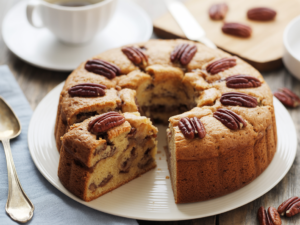
Gathering your ingredients before you start is one of the best habits for any baker. It ensures a smooth process and prevents mid-bake panics! For this cake, we’ll be making both the moist chocolate cake base and a simple, luscious chocolate buttercream frosting.
For the Moist Chocolate Cake:
| Quantity | Unit | Ingredient |
|---|---|---|
| 1 ½ | cups | All-Purpose Flour (180g) |
| 1 | cup | Granulated Sugar (200g) |
| ½ | cup | Unsweetened Cocoa Powder (45g) |
| 1 | teaspoon | Baking Soda |
| ½ | teaspoon | Salt |
| 1 | cup | Milk (whole or 2%, 240ml) |
| ½ | cup | Vegetable Oil (or other neutral oil like canola, 120ml) |
| 1 | teaspoon | Vanilla Extract |
| 1 | teaspoon | White Vinegar (or apple cider vinegar) |
For the Simple Chocolate Buttercream Frosting:
| Quantity | Unit | Ingredient |
|---|---|---|
| ½ | cup | Unsalted Butter, softened (113g, 1 stick) |
| 2 | cups | Powdered Sugar (confectioners’ sugar), sifted (240g) |
| ¼ | cup | Unsweetened Cocoa Powder, sifted (22g) |
| 2-3 | tablespoons | Milk (whole or 2%) |
| ½ | teaspoon | Vanilla Extract |
| Pinch of | Salt |
Step-by-Step Instructions: Your Guide to Baking Success
Follow these detailed steps carefully, and you’ll be on your way to baking a wonderfully comforting cake. We’ve included extra tips for beginners at each stage to help you avoid common pitfalls and achieve perfect results!
Step 1: Prepare Your Baking Environment
- Preheat Your Oven: Start by preheating your oven to 350°F (175°C). This ensures the oven is at the correct temperature when your cake goes in, promoting even baking.
- Prepare Your Pan: Grease and flour a 9×13 inch baking pan. To do this, lightly coat the inside of the pan with butter or cooking spray, then sprinkle a tablespoon or two of all-purpose flour into the pan. Tilt and tap the pan so the flour coats all surfaces evenly, then tap out any excess. This creates a non-stick barrier, making sure your cake releases easily after baking. Beginner Tip: For extra insurance, you can also line the bottom of the pan with parchment paper after greasing, then flour over the parchment.
- Gather Ingredients: Lay out all your ingredients on the counter. This is called “mise en place” and it makes the baking process much smoother and more enjoyable.
Step 2: Combine the Dry Ingredients
- Sift Dry Ingredients: In a large mixing bowl, combine the 1 ½ cups of all-purpose flour, 1 cup of granulated sugar, ½ cup of unsweetened cocoa powder, 1 teaspoon of baking soda, and ½ teaspoon of salt. Beginner Tip: Sifting the dry ingredients, especially cocoa powder, is crucial. Cocoa powder often forms lumps, and sifting breaks these up, ensuring a smooth batter and preventing pockets of dry ingredients in your final cake. Use a fine-mesh sieve for best results. Whisk them together thoroughly to ensure they are well combined.
Step 3: Mix the Wet Ingredients
- Combine Liquid Ingredients: In a separate medium-sized bowl, whisk together the 1 cup of milk, ½ cup of vegetable oil, 1 teaspoon of vanilla extract, and 1 teaspoon of white vinegar. Beginner Tip: The vinegar in this recipe acts as an acid that reacts with the baking soda (a base) to create carbon dioxide gas. This reaction is what helps the cake rise and gives it a light, tender texture. Don’t worry, you won’t taste the vinegar in the final cake!
Step 4: Bring It All Together
- Add Wet to Dry: Pour the wet ingredients mixture into the bowl with your dry ingredients.
- Mix Until Just Combined: Using a whisk or a rubber spatula, mix the ingredients together until they are just combined and no streaks of dry flour remain. It’s important not to overmix the batter. Common Mistake & Beginner Tip: Overmixing develops the gluten in the flour too much, which can lead to a tough, dense, and dry cake. Mix only until everything is incorporated – a few small lumps are perfectly fine!
Step 5: Bake Your Cake
- Pour and Bake: Pour the cake batter evenly into your prepared 9×13 inch baking pan.
- Bake to Perfection: Place the pan in the preheated oven and bake for 30-35 minutes. Baking times can vary depending on your oven, so keep an eye on it.
- Check for Doneness: The cake is done when a wooden skewer or toothpick inserted into the center comes out clean or with a few moist crumbs attached, but no wet batter. Beginner Tip: Avoid opening the oven door too early (especially in the first 20 minutes) as this can cause the cake to sink. If the top is browning too quickly, you can loosely tent it with aluminum foil for the last few minutes of baking.
Step 6: Cool Down
- Cool in Pan: Once baked, remove the cake from the oven and let it cool in the pan on a wire rack for about 15-20 minutes.
- Transfer to Wire Rack: After 15-20 minutes, carefully invert the cake onto the wire rack, lift off the pan, and then flip it right-side up to cool completely. Beginner Tip: Allowing the cake to cool completely before frosting is crucial! If you try to frost a warm cake, the frosting will melt and slide right off, creating a mess. Patience is key here.
Step 7: Prepare the Simple Chocolate Buttercream Frosting
- Cream the Butter: In a medium mixing bowl, using an electric mixer (handheld or stand mixer), beat the ½ cup of softened unsalted butter on medium speed until it is light and creamy, about 2-3 minutes. Beginner Tip: Make sure your butter is truly softened, not melted. It should give slightly when pressed but still hold its shape. Room temperature butter creams much better and incorporates air, leading to fluffier frosting.
- Add Dry Ingredients: Gradually add the 2 cups of sifted powdered sugar and ¼ cup of sifted unsweetened cocoa powder to the butter, mixing on low speed until combined. This prevents a “sugar cloud” from forming in your kitchen!
- Incorporate Liquids: Add ½ teaspoon of vanilla extract, a pinch of salt, and 2 tablespoons of milk. Beat on medium-high speed until the frosting is light, fluffy, and smooth.
- Adjust Consistency: If the frosting is too thick, add the remaining tablespoon of milk, half a tablespoon at a time, until you reach your desired spreading consistency. If it’s too thin, you can add a little more sifted powdered sugar.
Step 8: Frost and Serve!
- Frost the Cooled Cake: Once the cake is completely cool, spread the chocolate buttercream frosting evenly over the top. You can use an offset spatula or the back of a spoon to create swirls and peaks for a rustic, comforting look.
- Slice and Enjoy: Slice your beautiful, comforting cake and serve. This cake is perfect as is, or you can add a sprinkle of chocolate shavings, a dusting of cocoa powder, or a few fresh berries for garnish.
Tips & Tricks for Baking Beginners
Baking is a science, but it’s also an art that comes with practice. Here are some extra tips to help you master this Recipe For Funeral Cake and build your confidence in the kitchen:
- Room Temperature Ingredients are Key: For both the cake and the frosting, ingredients like milk and butter should be at room temperature. This helps them emulsify better, creating a smoother batter and a more consistent, fluffy frosting.
- Measure Accurately: Baking is precise. For dry ingredients like flour and sugar, use proper measuring cups, leveling off with a straight edge. For liquids, use clear liquid measuring cups at eye level. For best accuracy, especially with flour, consider investing in a kitchen scale.
- Don’t Overmix: We can’t stress this enough! Overmixing develops gluten, which can make your cake tough and dry. Mix only until the ingredients are just combined.
- Test for Doneness Properly: A toothpick or wooden skewer inserted into the center of the cake should come out clean or with a few moist crumbs attached. If it comes out with wet batter, bake for a few more minutes.
- Cool Completely: Frosting a warm cake is a recipe for disaster (melted frosting!). Always allow your cake to cool completely on a wire rack before applying any frosting.
- Customize Your Frosting: Feel free to adjust the amount of milk in the frosting to achieve your desired consistency. For a richer flavor, you can add a teaspoon of instant espresso powder to the cocoa powder in the frosting.
- Storage: Store your frosted cake at room temperature in an airtight container for up to 3-4 days. If your kitchen is very warm, or if you prefer, you can refrigerate it, but bring it back to room temperature before serving for the best texture.
Essential Baking Tools
Having the right tools makes a world of difference in your baking journey. Here are some essentials that will come in handy for this recipe and many others:
- Mixing Bowl: You’ll need at least two – one large for dry ingredients and one medium for wet.
- Whisk: Essential for combining dry ingredients and mixing wet ingredients smoothly.
- Baking Pan: A 9×13 inch pan is perfect for this sheet cake.
- Measuring Cups: Both dry and liquid measuring cups are crucial for accurate ingredient measurement.
- Spatula: A rubber spatula for scraping bowls and folding batter, and an offset spatula for frosting.
- Wire Rack: For cooling your cake evenly and preventing a soggy bottom.
- Electric Mixer: While not strictly essential (you can use a whisk for the cake and strong arm for frosting), a handheld or stand mixer makes frosting preparation much easier.
- Sieve/Sifter: For sifting cocoa powder and powdered sugar to prevent lumps.
Nutrition Information (Estimated per serving, 1/12th of cake)
Please note that these are approximate values and can vary based on exact ingredients and portion sizes.
| Nutrient | Amount |
|---|---|
| Calories | ~380 kcal |
| Carbohydrates | ~55g |
| Protein | ~5g |
| Fat | ~18g |
| Fiber | ~2g |
| Sugar | ~40g |
Frequently Asked Questions (FAQs) for Beginners
Baking can sometimes throw curveballs, especially when you’re just starting out. Here are answers to some common questions you might have:
1. Why did my cake sink in the middle?
This is a common issue! It can happen for several reasons: the oven door was opened too early (letting cold air in), the cake was underbaked, old or expired leavening agents (baking soda/powder), or the batter was overmixed (which can cause the structure to collapse). Ensure your oven temperature is accurate and avoid peeking too often!
2. Can I use butter instead of oil in the cake?
While you can, using oil typically results in a moister cake with a more tender crumb, as oil is liquid at room temperature and butter is solid. If you substitute butter, use melted butter and consider slightly reducing the milk by 1-2 tablespoons, but be aware the texture will be slightly different.
3. How do I prevent my cake from sticking to the pan?
Thorough pan preparation is key! Always grease the pan generously with butter or cooking spray, then dust with flour, tapping out the excess. For extra security, you can also line the bottom of the pan with parchment paper after greasing, then flour over the parchment. This creates a barrier that prevents sticking.
4. Can I make this cake gluten-free?
Yes, you can! Substitute the all-purpose flour with a 1:1 gluten-free baking blend that contains xanthan gum. The texture might be slightly different, but it should still yield a delicious cake. Follow the rest of the instructions as written.
5. How long does this cake last and how should I store it?
This cake, when stored in an airtight container at room temperature, will stay fresh and moist for 3-4 days. If you need to keep it longer, you can refrigerate it for up to a week, but let it come to room temperature before serving for the best texture and flavor. It can also be frozen (unfrosted or frosted) for up to 2-3 months; wrap tightly in plastic wrap and then foil.
Conclusion: Happy Baking!
And there you have it – a beautiful, comforting Recipe For Funeral Cake that’s perfect for any occasion where a little sweetness and warmth are needed. Baking, especially for beginners, is all about practice and enjoying the process. Don’t worry if your first cake isn’t absolutely perfect; every bake is a learning experience, and the most important ingredient is always the love you put into it.
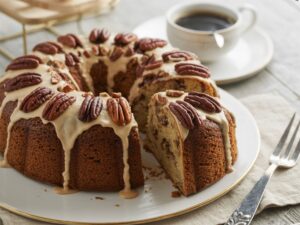
We hope these baking tips for beginners have empowered you to create something truly special and delicious. So go ahead, share this comforting cake with your loved ones, and savor the moments of warmth it brings. Happy baking, and we can’t wait to hear how your cake turns out!
“`