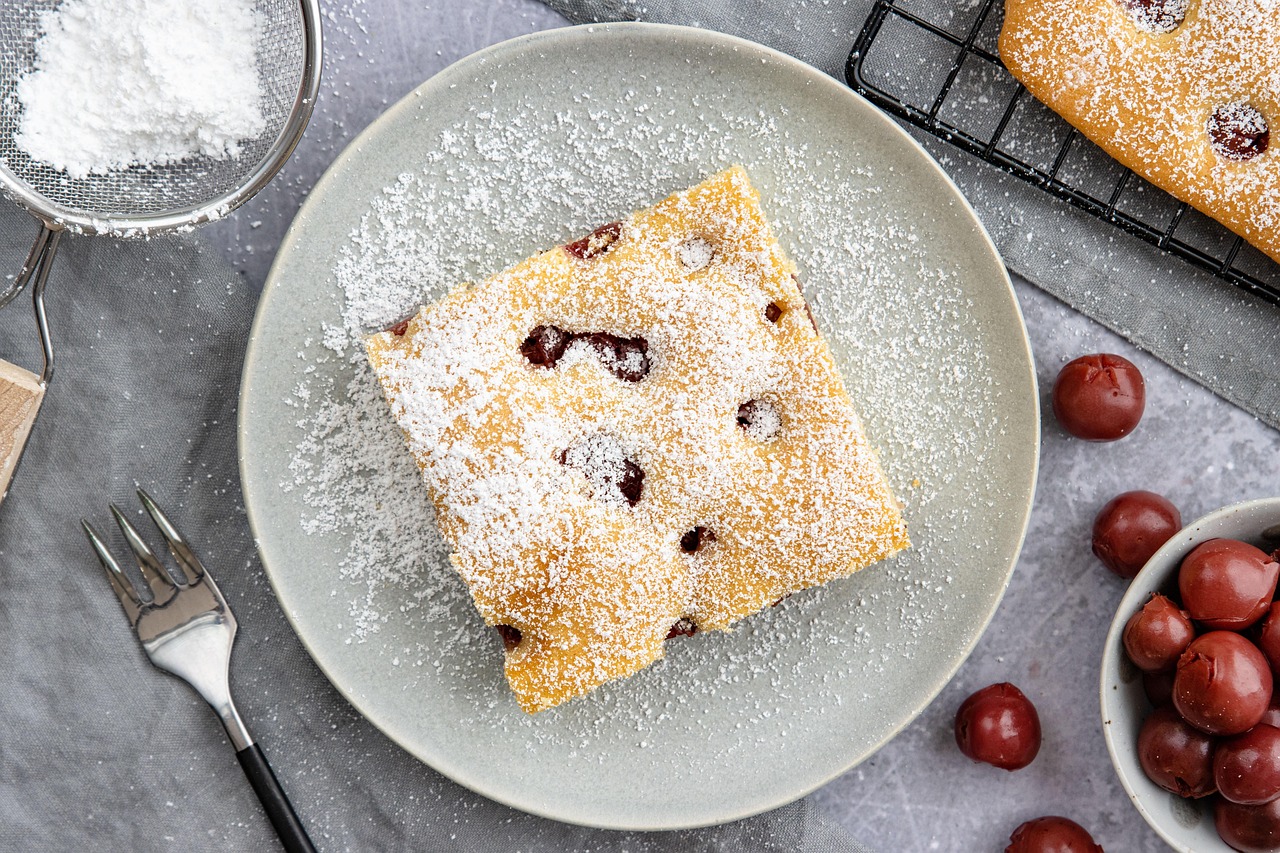
Are you ready to elevate your beautiful Angel Food Cake from simply delicious to absolutely divine? Look no further. This Recipe For Glaze For Angel Food Cake is incredibly simple, utterly irresistible, and perfect for anyone looking for easy baking recipes. Whether you’re a seasoned baker or just starting out with baking tips for beginners, this glaze recipe promises a smooth, sweet, and perfectly balanced finish that will impress everyone. Forget complicated icings; our glaze comes together in minutes with minimal effort, transforming your airy cake into a show-stopping dessert. Get ready to add that professional touch with confidence, creating a dessert that looks as good as it tastes!
This beginner-friendly guide breaks down every step, ensuring your glaze is perfect every single time. No lumps, no fuss, just pure, sweet perfection.
Ingredients You’ll Need
Gathering your ingredients beforehand is a key baking tip for beginners. It makes the process smoother and prevents last-minute scrambling!
| Ingredient | Quantity | Unit |
|---|---|---|
| Powdered Sugar (Confectioners’ Sugar) | 1 ½ – 2 | cups |
| Milk (whole or 2%) | 2 – 4 | tablespoons |
| Vanilla Extract (pure) | ½ | teaspoon |
| Pinch of Salt | 1 | pinch |
Step-by-Step Instructions: Mastering Your Angel Food Cake Glaze
Follow these detailed steps carefully, and you’ll have a perfect glaze in no time. Remember, baking is a science, but it’s also about having fun!
Step 1: Gather Your Tools and Ingredients
Before you begin, ensure you have all your ingredients measured out and your tools ready. This practice, known as “mise en place,” is a golden rule in professional kitchens and immensely helpful for easy baking recipes. It minimizes stress and mistakes.
- Measure your powdered sugar, milk, and vanilla extract.
- Have your mixing bowl and whisk easily accessible.
Step 2: Sift the Powdered Sugar
This step is crucial for achieving a super smooth, lump-free glaze. Do not skip sifting! Powdered sugar often clumps together in the package, and sifting breaks up these clumps, aerates the sugar, and ensures your glaze has a silky texture.
- Place a fine-mesh sieve over your mixing bowl.
- Add the 1 ½ – 2 cups of powdered sugar into the sieve.
- Gently tap the sieve or use a spoon to press the sugar through into the bowl. Discard any large lumps that remain in the sieve.
Beginner Tip: If you don’t have a sieve, you can whisk the powdered sugar vigorously in a dry bowl to break up lumps, but sifting is truly the best method for smoothness.
Step 3: Add Vanilla Extract and Salt
Once your powdered sugar is sifted into the bowl, add the ½ teaspoon of pure vanilla extract and the pinch of salt. The salt might seem odd in a sweet glaze, but it’s a secret ingredient that enhances the sweetness and balances the flavors, preventing the glaze from tasting one-dimensionally sweet.
Step 4: Gradually Add Milk
This is the most critical step for achieving the perfect consistency. You want to add the milk slowly, as a little goes a long way, especially with powdered sugar.
- Start by adding 2 tablespoons of milk to the sifted powdered sugar, vanilla, and salt mixture.
- Using your whisk, start stirring gently from the center outwards, gradually incorporating the powdered sugar into the milk.
- Continue whisking until the mixture starts to come together.
Common Mistake & Fix: Many beginners add too much liquid too quickly. If your glaze becomes too thin, it’s harder to thicken it up without adding more powdered sugar, which can change the overall quantity and sweetness. Always add liquid a little at a time!
Step 5: Whisk Until Smooth and Adjust Consistency
Once the initial milk is incorporated, continue whisking vigorously. Your goal is a smooth, pourable, yet thick enough consistency that will elegantly drape over your cake without running off entirely.
- Assess the consistency:
- Too Thick? If the glaze is very stiff and difficult to stir, add more milk, ¼ teaspoon at a time. Whisk thoroughly after each addition until you reach the desired consistency.
- Too Thin? If the glaze is too runny (like water), it will disappear into your cake. Add more sifted powdered sugar, 1 tablespoon at a time, whisking well after each addition until it thickens.
- The ideal consistency should be like a thick syrup or honey, flowing slowly off your whisk but not dripping rapidly. When you lift the whisk, the glaze should drizzle down and hold its shape for a few seconds on the surface before melting back in.
Beginner Tip: Don’t be afraid to taste a tiny bit! This helps you decide if you need to adjust any flavors, although for a simple glaze, consistency is usually the main focus.
Step 6: Prepare Your Angel Food Cake for Glazing
Your Angel Food Cake must be completely cool before you apply the glaze. Applying glaze to a warm cake will cause it to melt and absorb, making a sticky mess rather than a beautiful coating.
- Ensure your Angel Food Cake has cooled completely, preferably on a wire rack for at least 2-3 hours, or even overnight.
- Place the cooled cake on a serving platter or a wire rack set over a baking sheet (to catch any drips).
Step 7: Apply the Glaze
Now for the fun part! There are a few ways to apply your perfect glaze.
- For a Drizzle Effect: Use a spoon or a small whisk to drizzle the glaze decoratively over the top and sides of the cake. This creates an elegant, artistic look.
- For a Full Coverage Pour: If you want a more substantial coating, you can gently pour the glaze over the top center of the cake, allowing it to slowly drip down the sides. Use an offset spatula or the back of a spoon to gently encourage it over the edges if needed.
Beginner Tip: For neat edges, you can pipe a thin border around the top edge of the cake with a thicker glaze (or even some additional icing) before pouring, which acts as a dam to control the drips.
Step 8: Let the Glaze Set
Once applied, allow the glaze to set. This typically takes about 15-30 minutes at room temperature, depending on the thickness of your glaze and the humidity in your kitchen. The glaze will harden slightly, making it less sticky and ready for serving.
Congratulations! You’ve successfully made a delicious, perfectly smooth glaze for your Angel Food Cake. Enjoy your beautiful creation!
Tips & Tricks for Your Best Glaze
Want to take your glaze to the next level or troubleshoot common issues? These baking tips for beginners will help!
- Flavor Variations: Don’t stop at vanilla! Add a teaspoon of lemon zest or a tablespoon of fresh lemon juice for a bright citrus glaze. Almond extract, coffee extract, or a tablespoon of unsweetened cocoa powder can also create wonderful flavor profiles. Just swap some of the liquid for the flavored liquid or add the extract directly.
- Color Your Glaze: For special occasions or just for fun, add a drop or two of food coloring to your glaze. Gel food coloring provides vibrant colors without thinning the glaze too much.
- Storing Leftover Glaze: If you have any leftover glaze, store it in an airtight container in the refrigerator for up to 3-4 days. It might thicken upon chilling; simply add a tiny bit of milk (¼ teaspoon at a time) and whisk well to bring it back to the desired consistency before using.
- Perfect Drip Effect: For those beautiful, controlled drips down the side of your cake, ensure your glaze is just the right consistency – not too thick, not too thin. A squeeze bottle can help create very precise drizzles.
- Use a Wire Rack: Always glaze your cake on a wire rack placed over a baking sheet. This catches any excess glaze, keeps your serving platter clean, and allows the glaze to set evenly around the bottom edge of the cake.
- Always Cool Your Cake: We can’t stress this enough! A warm cake will absorb the glaze, making it disappear or creating a soggy mess. Patience is key for a beautifully glazed cake.
Essential Baking Tools for Success
Having the right tools makes all the difference, especially when you’re starting out. These are the basics you’ll need for this easy baking recipe:
- Mixing Bowl
- Whisk
- Baking Pan (for the Angel Food Cake itself)
- Measuring Cups
- Spatula (for spreading or scraping the bowl)
- Fine-mesh sieve (highly recommended for lump-free glaze)
Nutrition Information (Estimated per serving)
Please note: This is an estimated nutritional breakdown for one serving (approximately 1/12th of the entire glaze recipe). Actual values may vary based on specific ingredients and precise measurements.
| Nutrient | Amount |
|---|---|
| Calories | ~75 kcal |
| Carbohydrates | ~19 g |
| Protein | ~0 g |
| Fat | ~0 g |
| Fiber | ~0 g |
| Sugar | ~19 g |
Frequently Asked Questions (FAQs)
Q1: Can I make this glaze ahead of time?
Yes, you can! Prepare the glaze and store it in an airtight container in the refrigerator for up to 3-4 days. When you’re ready to use it, let it come to room temperature and whisk it vigorously. You might need to add a tiny bit more milk (¼ teaspoon at a time) to get it back to your desired consistency.
Q2: My glaze is too thin/thick. How do I fix it?
If your glaze is too thin, gradually whisk in more sifted powdered sugar, 1 tablespoon at a time, until it thickens. If it’s too thick, add more milk (or water/lemon juice if using a flavored glaze), ¼ teaspoon at a time, whisking well after each addition until it reaches the desired pourable consistency.
Q3: What other flavors can I add to the glaze?
The possibilities are endless! Besides lemon zest/juice, almond extract, or cocoa powder, you could try a hint of maple extract, orange zest, or even a tiny amount of instant espresso powder for a coffee-flavored glaze. Always add extracts sparingly and taste as you go.
Q4: Can I use water instead of milk?
Yes, you can substitute water for milk. The glaze will still be delicious! However, using milk (especially whole milk) adds a slight richness and creaminess that water simply won’t provide. For a dairy-free option, you can use plant-based milk alternatives like almond or soy milk.
Q5: How long does the glaze take to set?
Generally, this simple glaze will set to a slightly firm, non-sticky touch in about 15-30 minutes at room temperature. If your glaze is very thick or your kitchen is humid, it might take a little longer. You can place the cake in the refrigerator for 10-15 minutes to speed up the setting process.
Q6: Does the Angel Food Cake need to be cool before glazing?
Absolutely! This is a crucial step. Glazing a warm or even slightly warm Angel Food Cake will cause the glaze to melt, become absorbed by the cake, and create a messy, sticky surface rather than a beautiful, defined coating. Always ensure your cake is completely cool, preferably at room temperature, before applying any glaze or icing.
Time to Glaze Your Masterpiece!
And there you have it! A perfectly smooth, sweet, and utterly irresistible glaze ready to crown your magnificent Angel Food Cake. This Recipe For Glaze For Angel Food Cake proves that you don’t need complicated techniques to create something truly special. It’s an ideal **easy baking recipe** that even the most novice baker can master with confidence.
We hope these detailed instructions and baking tips for beginners empower you to bake and decorate with joy. Go ahead, give it a try, and prepare to impress yourself and everyone lucky enough to share a slice of your heavenly cake. Happy baking!